
As demand for sustainable and cost-effective bottling solutions continues to rise, manufacturers across the plastics industry are increasingly turning to used plastic blow molding machines to optimize production efficiency without overspending. With automation and energy efficiency becoming key drivers in packaging operations, sourcing reliable, pre-owned equipment from reputable manufacturers offers a strategic advantage. This 2026 audit highlights the top nine used plastic blow molding machine manufacturers known for durability, performance, and integration capabilities in automated bottling lines—helping procurement leaders make informed, value-driven decisions in a competitive market.
Top 9 Used Plastic Blow Molding Machine Manufacturers (2026 Audit List)
(Ranked by Production Capability & Trust Score)

Professional Sourcing Guide: Used Plastic Blow Molding Machine
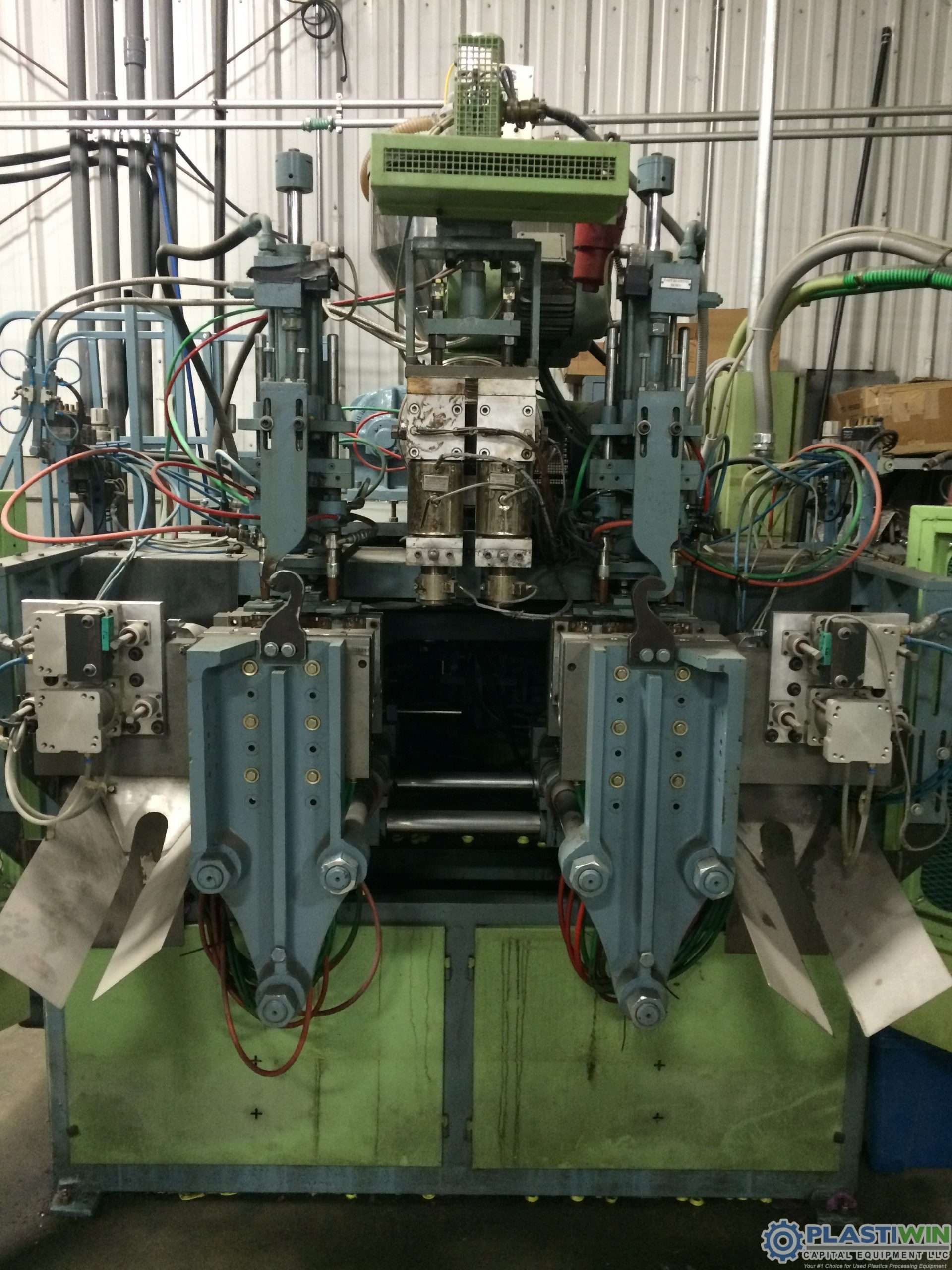
2026 Global Market Trends for Used Plastic Blow Molding Machines: Focus on High Speed Production, Energy Saving Technologies, and Automation Level
High Speed Production Demand Driving Used Machine Market
By 2026, the global demand for used plastic blow molding machines capable of high-speed production is expected to rise significantly, particularly in emerging economies and small-to-medium enterprises (SMEs). High-speed machines—capable of producing 2,000 to 5,000 bottles per hour—remain highly sought after due to increasing pressure on manufacturers to improve throughput and reduce unit costs.
Used machines from reputable manufacturers such as Kautex, Sidel, and Bekum, originally designed for high-volume production lines, are being refurbished and redeployed in cost-sensitive markets across Southeast Asia, Africa, and Latin America. These regions favor used high-speed systems due to shorter payback periods compared to new equipment. Advancements in control systems and servo-assisted parison programming have enabled older models to be retrofitted for improved cycle times, enhancing their appeal.
Moreover, the growth of single-serve packaging in beverages, personal care, and household products is fueling demand for high-output blow molding solutions. As new high-speed models become more expensive due to advanced digital integration, the secondary market for pre-owned, high-speed machines will remain a strategic option for budget-conscious producers aiming to scale operations.
Adoption of Energy Saving Technologies: Servo Motors in Used Machines
Energy efficiency is a major driver shaping the 2026 used blow molding machine market, with increasing emphasis on servo-driven technology. Servo motors—known for their precision, lower energy consumption, and reduced heat generation—are becoming a key evaluation criterion even for pre-owned equipment.
Used blow molding machines retrofitted with servo motors or originally equipped with them (post-2015 models) command a price premium in the secondary market. These machines consume up to 30–50% less energy than traditional hydraulic systems, a critical factor given rising energy costs and tightening environmental regulations in regions like the EU and North America.
Manufacturers and recyclers are increasingly investing in reconditioning older machines by replacing hydraulic pumps with servo-electric actuators. This retrofitting extends machine lifespan while aligning with sustainability goals. Additionally, second-hand machines with servo technology are often bundled with energy monitoring systems, allowing operators to track consumption and optimize performance.
By 2026, machines lacking energy-efficient components such as servo motors are expected to lose market value, as end-users prioritize operational cost savings and compliance with green manufacturing standards.
Rising Automation Levels in the Used Blow Molding Equipment Market
Automation is no longer limited to new blow molding lines; the 2026 market for used plastic blow molding machines shows a clear trend toward higher automation levels, even in pre-owned units. Buyers are increasingly seeking machines integrated with robotic handling, automatic clamp systems, in-line leak testing, and IoT-enabled monitoring.
Used systems that were part of automated production lines in developed markets are now being decommissioned and sold to developing regions, where they significantly upgrade local manufacturing capabilities. These machines often include programmable logic controllers (PLCs), human-machine interfaces (HMIs), and compatibility with centralized factory data systems.
The integration of Industry 4.0 features—such as predictive maintenance alerts and remote diagnostics—into used machines via aftermarket upgrades is also gaining traction. For instance, third-party providers offer retrofit kits that add barcode scanning, automatic mold changing, and vision inspection systems to older machines.
As labor costs rise and the need for consistent product quality intensifies, automation becomes a decisive factor in purchasing decisions. Consequently, used blow molding machines with high automation levels are expected to see stronger demand and better resale value through 2026, especially in food & beverage and pharmaceutical packaging applications where compliance and precision are paramount.
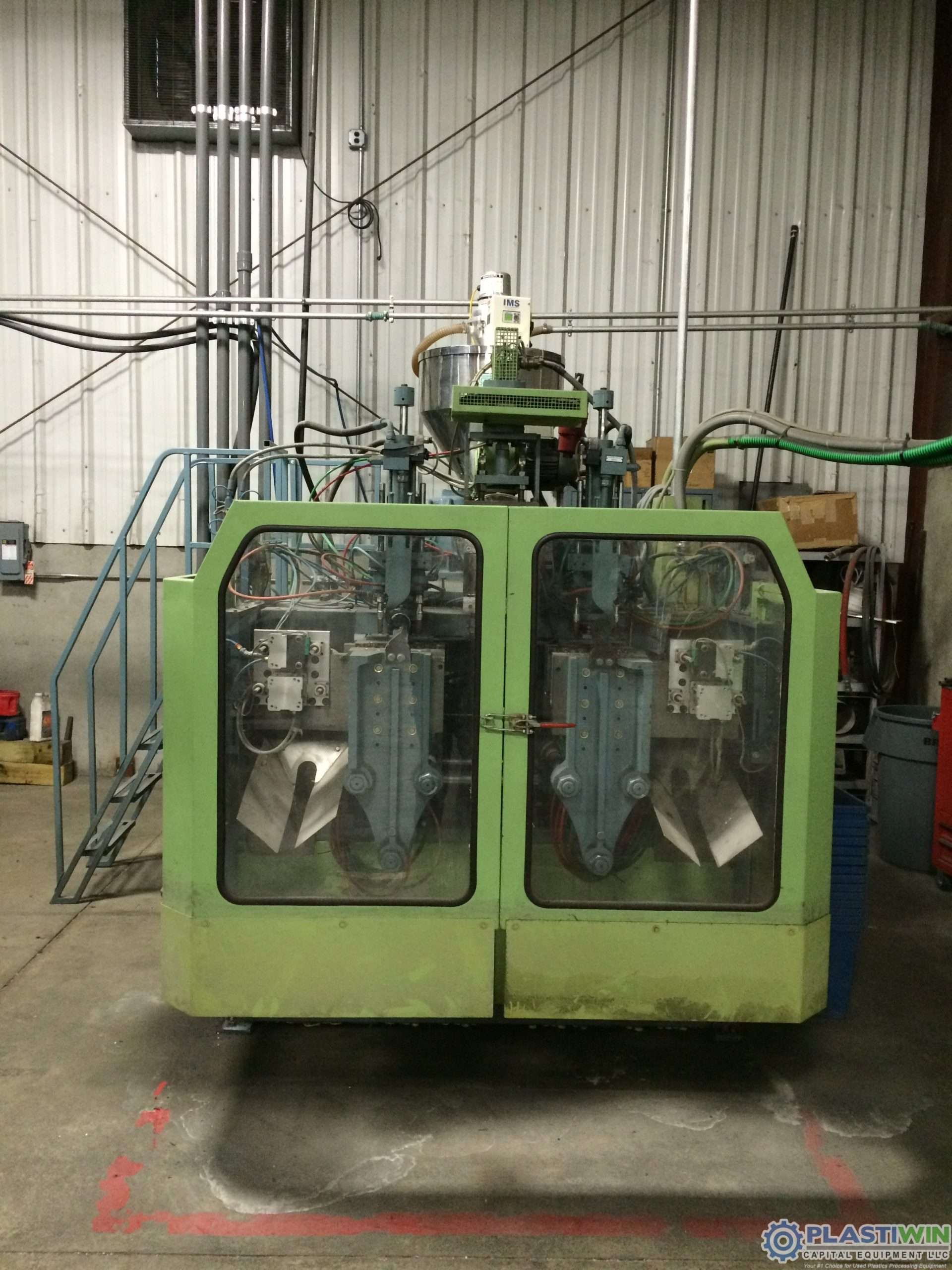
How to Verify Quality for a Used Plastic Blow Molding Machine Manufacturer
When evaluating a used plastic blow molding machine manufacturer, verifying quality is crucial to ensure reliability, performance, and long-term cost efficiency. Focus on the following key check points:
Mold Material (Aluminum vs. Steel)
- Inspect Material Type: Confirm whether molds are made from aluminum or steel. Steel molds are generally more durable, offer longer lifespan, and are better suited for high-volume production, while aluminum molds are lighter and offer faster heat transfer but may wear faster.
- Check for Wear and Damage: Examine used molds for signs of warping, pitting, corrosion, or excessive wear, especially on sealing surfaces and cooling channels.
- Verify Compatibility: Ensure the mold material matches your production requirements (e.g., HDPE, PET, or PP) and expected output volume.
PLC Brand (Siemens vs. Mitsubishi)
- Identify PLC Model and Brand: Confirm the brand (preferably Siemens or Mitsubishi) installed on the machine. Both are reputable for reliability, ease of programming, and global support.
- Assess System Condition: Test the PLC for responsiveness, error logs, and software updates. Ensure the interface is functional and documentation (ladder logic, manuals) is available.
- Check Spare Availability: Verify that replacement modules or controllers for the specific PLC model are readily available in your region to minimize downtime.
Cycle Time Efficiency
- Measure Actual Cycle Time: Request a live demonstration or production data showing the machine’s cycle time for a standard container (e.g., 1-liter bottle).
- Compare with Specifications: Benchmark the observed cycle time against the manufacturer’s original specifications and industry standards for similar machines.
- Evaluate Consistency: Monitor multiple cycles to assess stability and repeatability. Frequent variations may indicate mechanical or control system issues.
- Assess Energy and Air Consumption: Efficient machines maintain fast cycles without excessive energy or compressed air use.
Spare Parts Availability
- Request Parts List: Ask the manufacturer or seller for a detailed spare parts list, including critical components like seals, dies, accumulators, motors, and heaters.
- Verify Global Support: Confirm whether the manufacturer or third-party suppliers offer readily available spare parts. Machines from established brands (e.g., Kautex, Bekum, Graham) typically have better part support.
- Check Lead Times: Inquire about average lead times for critical components. Long wait times can disrupt production.
- Inspect Existing Wear Parts: Evaluate the condition of consumable parts (e.g., O-rings, bushings, heating elements) and determine immediate replacement needs.
By thoroughly assessing these four critical areas—mold material, PLC brand, cycle time efficiency, and spare parts availability—you can confidently verify the quality and reliability of a used plastic blow molding machine and its manufacturer.
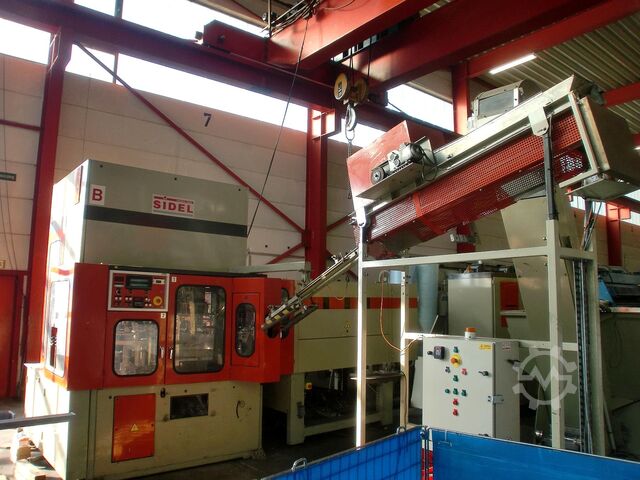
Configuration Guide for Used Plastic Blow Molding Machine
Cavity Number Selection
The cavity number determines how many bottles are produced per cycle and significantly impacts output capacity. When selecting a used blow molding machine, assess your production requirements:
– Single Cavity (1-cavity): Suitable for low-volume production, prototyping, or large bottles (e.g., 10–20L containers). Offers lower initial cost and simpler operation.
– Double to Four Cavities (2–4 cavities): Ideal for medium-volume operations such as beverage, water, or household chemical bottles. Balances output and machine footprint.
– Multi-Cavity (6+ cavities): Best for high-volume manufacturing (e.g., 500ml water bottles). Requires higher energy and maintenance but maximizes productivity.
Consider mold availability and whether the used machine’s cavity configuration matches your desired bottle type and production speed.
Bottle Volume Range
Ensure the used machine supports the intended bottle sizes:
– Standard machines typically handle volumes from 100ml to 5 liters.
– Check the stretch rod stroke, mold opening distance, and clamp force—these parameters determine the maximum bottle height and diameter.
– Machines designed for large containers (5L–20L) often have longer cycles and reinforced structures. Verify compatibility with your target bottle dimensions by reviewing the machine specifications or consulting the OEM manual.
Preform Compatibility
Preform compatibility is critical for successful operation:
– Confirm the machine supports the neck finish (PCO 1881, 38mm, 110mm, etc.) and preform weight range (e.g., 18g–50g).
– Verify the preform heating system (infrared oven type) matches your preform material (usually PET). Older machines may require oven recalibration or lamp replacement.
– Ensure the preform loader or hopper is compatible with your preform size and can feed consistently without jamming.
Auxiliary Equipment (Compressor/Chiller)
Proper auxiliary systems are essential for reliable operation:
– Air Compressor: Required for high-pressure blowing (typically 25–40 bar). Ensure the used machine is paired with a clean, dry air supply. Use an oil-free compressor or install an air dryer/filter to prevent contamination.
– Chiller Unit: Needed to cool molds and maintain dimensional stability (recommended temperature: 8–12°C). Match chiller capacity (in TR or kW) to the machine’s heat load—larger or multi-cavity machines require higher cooling capacity.
– Additional Equipment: Consider a dehumidifier for preform drying (if not integrated), and verify electrical compatibility (voltage, phase, frequency) with local power supply.
Always inspect the condition of auxiliary systems when purchasing used equipment, as replacement costs can be significant.
In conclusion, sourcing a used plastic blow molding machine from China can offer significant cost advantages and access to advanced manufacturing technology, provided the process is approached with diligence and strategic planning. A critical factor in ensuring a successful acquisition is the mandatory inclusion of a Factory Acceptance Test (FAT) before shipment. The FAT serves as a vital verification step, allowing buyers to assess the machine’s operational performance, mechanical integrity, and compliance with agreed specifications under real production conditions. Conducting the FAT on-site in China minimizes the risk of post-shipment issues and ensures that the machine meets your quality and output requirements.
Equally important is securing comprehensive spare parts support. Given the operational demands of blow molding equipment, having reliable access to essential spare parts—either bundled with the purchase or through a clear support agreement—reduces downtime and extends the machine’s service life. Buyers should confirm availability of critical components and ideally establish a long-term service relationship with the supplier.
By prioritizing a thorough FAT and dependable spare parts support, businesses can confidently invest in high-quality, cost-effective used blow molding machines from China, ensuring smooth integration into production lines and sustained operational efficiency.






