
With rising global demand for sustainable packaging and high-speed production, PET bottle blower machines have become pivotal in the beverage, pharmaceutical, and consumer goods industries. As manufacturers prioritize energy efficiency, precision, and full automation, sourcing reliable machinery partners is more critical than ever. This article presents the 2026 audit list of the top nine PET bottle blower machine manufacturers recognized for innovation, durability, and scalable solutions in automated bottling lines.
Top 9 Pet Bottle Blower Machine Manufacturers (2026 Audit List)
(Ranked by Production Capability & Trust Score)
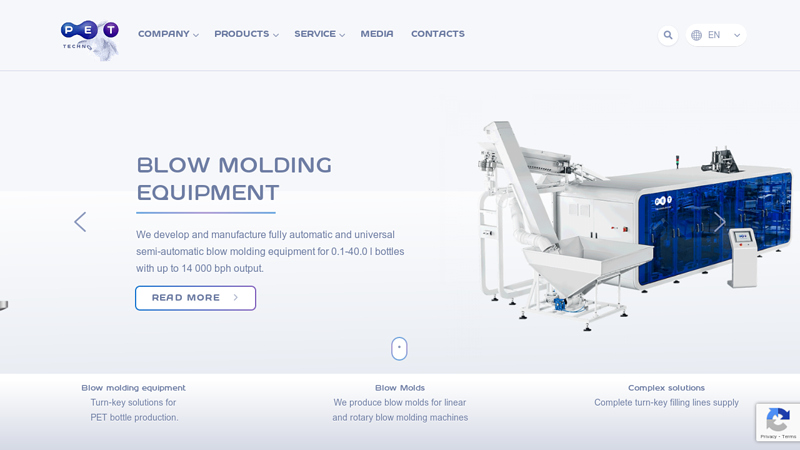
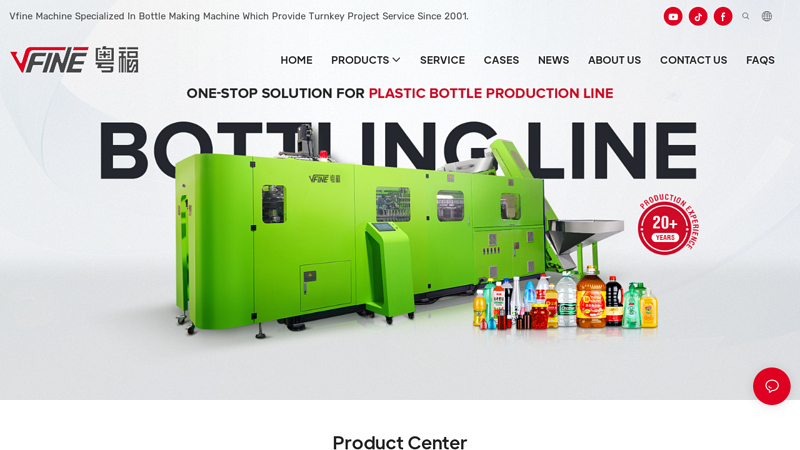
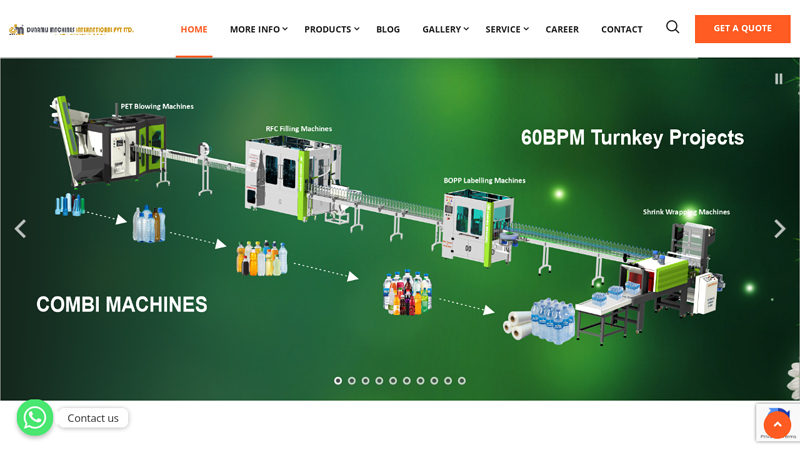
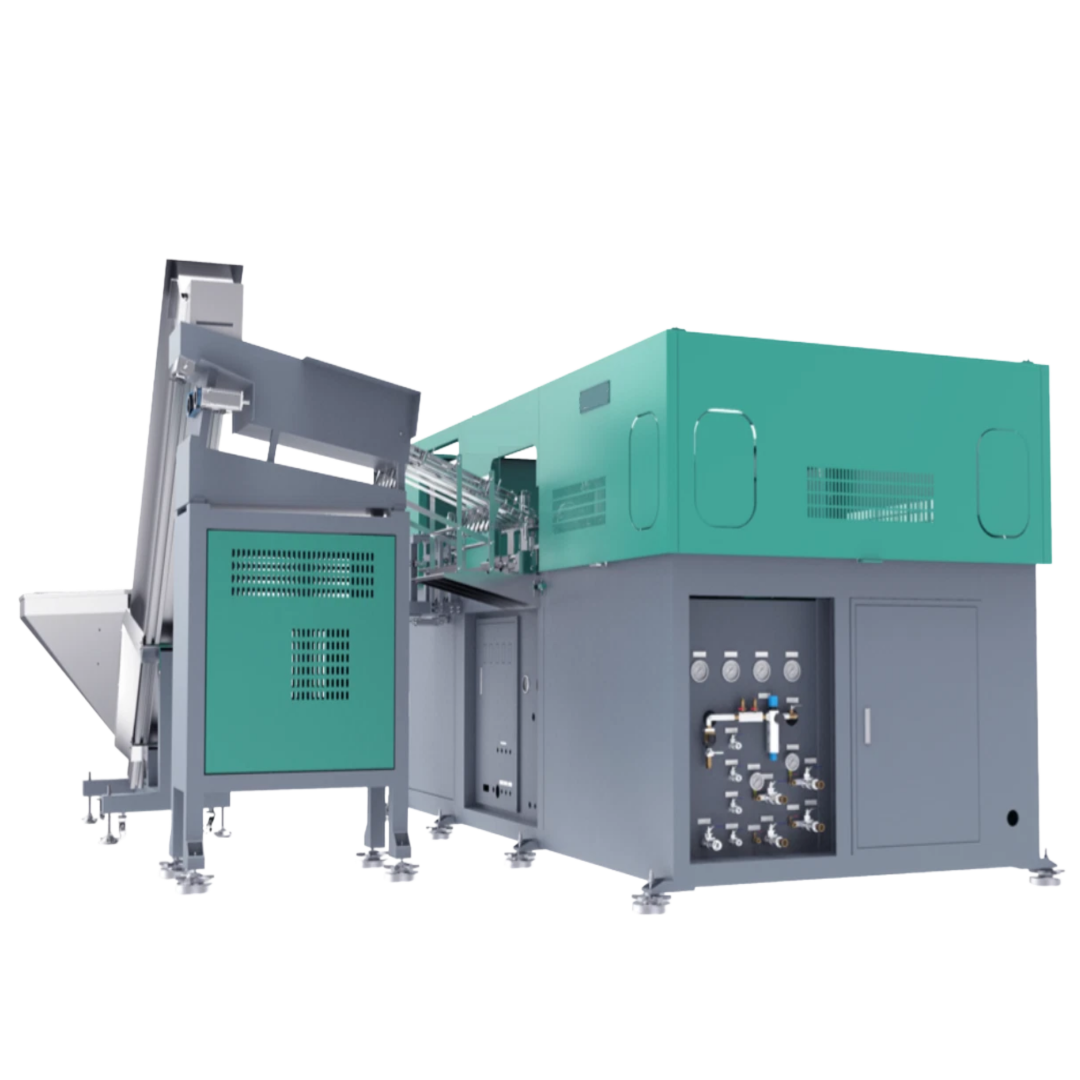

Professional Sourcing Guide: Pet Bottle Blower Machine
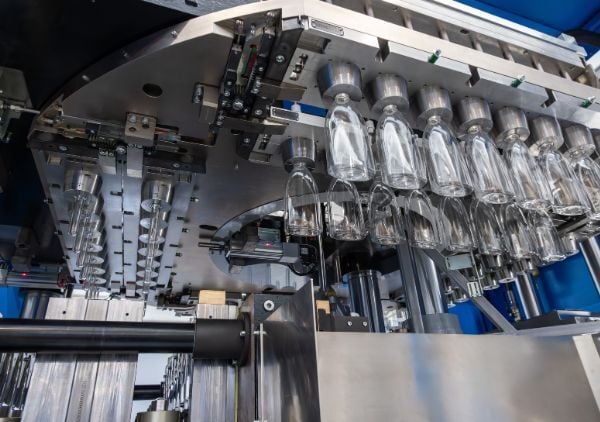
2026 Global Market Trends for Pet Bottle Blower Machine: High Speed, Energy Efficiency, and Automation
The global PET bottle blower machine market is poised for significant transformation by 2026, driven by increasing demand for sustainable packaging, rising consumer goods production, and advancements in industrial automation. Key technological and economic trends are shaping the evolution of this sector, with a strong focus on High Speed Production, Energy Saving Technologies — particularly those incorporating Servo Motors, and enhanced Automation Levels. These three pillars are not only improving operational efficiency but also aligning with global sustainability and cost-reduction goals.
High Speed Production: Meeting Rising Demand
High-speed production has become a critical differentiator in the PET bottle blower machine market. As global consumption of bottled beverages, edible oils, pharmaceuticals, and personal care products continues to grow, manufacturers are under pressure to scale output without compromising quality.
By 2026, high-speed rotary stretch blow molding machines are expected to dominate, with output capacities exceeding 30,000 bottles per hour for standard 0.5L PET bottles. Innovations such as multi-cavity molds, optimized preform feeding systems, and rapid cooling technologies are enabling faster cycle times. Emerging markets in Asia-Pacific and Africa are particularly demanding high-throughput solutions to meet local packaging needs efficiently.
Additionally, modular designs that allow quick format changeovers are gaining traction, enabling manufacturers to produce different bottle sizes and shapes with minimal downtime. This flexibility, combined with high speed, supports just-in-time manufacturing and reduces inventory costs across supply chains.
Energy Saving Technologies: The Rise of Servo Motor Integration
Energy efficiency is a major driver of innovation in PET blow molding, with servo motor technology at the forefront of this shift. Traditional hydraulic systems, while powerful, are energy-intensive and generate significant heat and noise. In contrast, servo-driven systems offer precise control over motion and pressure, reducing energy consumption by up to 50–70%.
By 2026, an estimated 60–70% of new PET blower machines are expected to be fully electric or hybrid servo-electric models. Servo motors allow for regenerative braking, intelligent load matching, and dynamic energy recovery, significantly lowering the carbon footprint of production lines.
Manufacturers are also integrating IoT-enabled energy monitoring systems that provide real-time data on power usage, enabling predictive maintenance and energy optimization. These features are increasingly becoming standard in response to global regulatory pressures and corporate sustainability targets, particularly in Europe and North America.
Automation Level: Smart Factories and Industry 4.0 Integration
The automation level in PET bottle blowing is advancing rapidly, with a clear move toward full integration into smart manufacturing ecosystems. By 2026, automation will extend beyond simple robotic handling to include AI-driven quality control, remote diagnostics, and self-optimizing production lines.
Modern blow molding machines are being equipped with machine vision systems that detect defects in real-time, ensuring consistent bottle quality. Automated preform loaders, robotic bottle handling, and integrated conveyance systems minimize human intervention and reduce contamination risks — especially critical in food and pharmaceutical applications.
Moreover, cloud-connected machines enable centralized monitoring and control across multiple production sites. This Industry 4.0 approach allows for data-driven decision-making, predictive maintenance, and seamless integration with enterprise resource planning (ERP) systems. Leading machine manufacturers are offering turnkey automation packages that include SCADA systems and digital twins for simulation and optimization.
In conclusion, the 2026 PET bottle blower machine market will be defined by machines that are faster, smarter, and more energy-efficient. High-speed production meets growing demand, servo motor technology reduces environmental impact, and advanced automation enhances reliability and scalability. Companies that adopt these technologies early will gain a competitive edge in an increasingly global and sustainable packaging landscape.
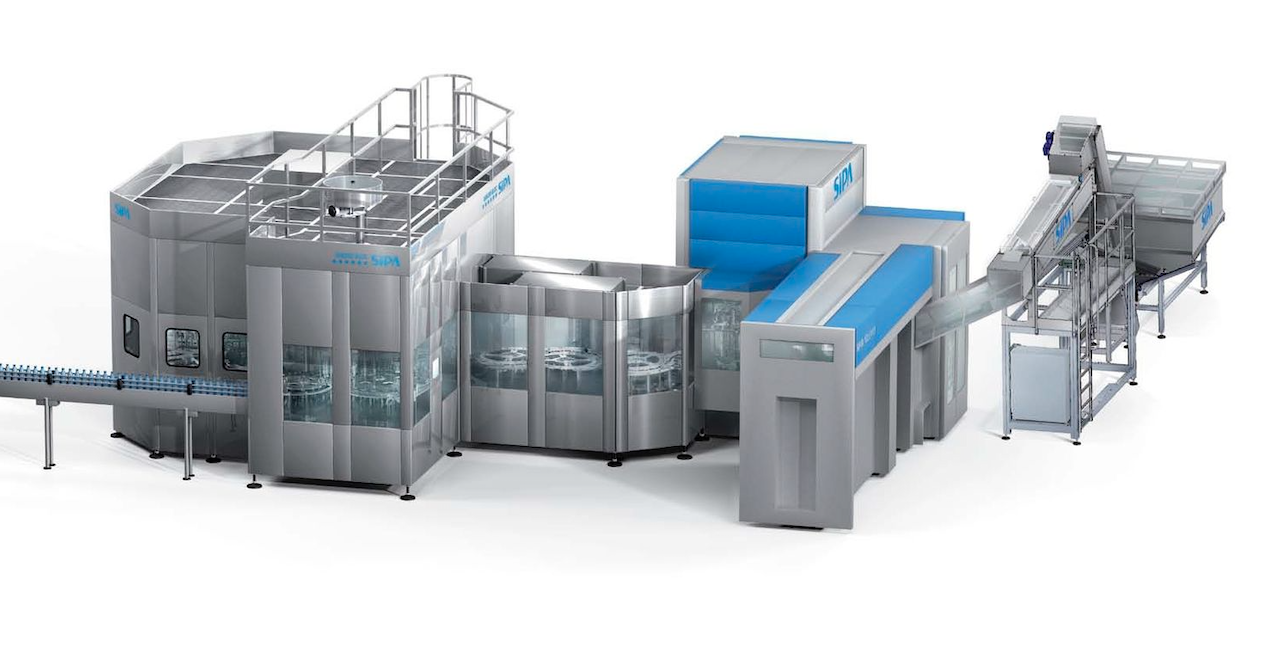
Key Quality Verification Points for Pet Bottle Blower Machine Manufacturers
When evaluating a PET bottle blower machine manufacturer, assessing the following critical parameters ensures reliability, performance, and long-term operational efficiency:
Mold Material (Aluminum vs. Steel)
- Material Type: Confirm whether molds are made from aluminum or steel. Steel molds (typically H13 or P20) offer greater durability, longer lifespan, and better resistance to wear, especially for high-volume production.
- Surface Finish & Precision: Inspect mold surface finish and dimensional accuracy—high-quality molds ensure consistent bottle quality and reduce defects.
- Cooling Efficiency: Evaluate mold cooling channel design; efficient cooling improves cycle time and reduces energy consumption.
- Supplier Certification: Request certifications or documentation on mold material origin and heat treatment processes.
PLC Brand (Siemens vs. Mitsubishi)
- Brand Authenticity: Verify that the machine uses original Siemens or Mitsubishi PLCs (Programmable Logic Controllers), known for reliability, stable performance, and global support.
- Control System Integration: Check the compatibility and integration of the PLC with HMI (Human-Machine Interface), sensors, and actuators for smooth operation.
- Software & Diagnostics: Ensure the PLC supports real-time monitoring, fault diagnostics, and data logging—essential for predictive maintenance.
- Firmware & Updates: Confirm availability of firmware updates and technical support from the PLC manufacturer via the machine builder.
Cycle Time Efficiency
- Stated vs. Actual Performance: Compare the manufacturer’s advertised cycle time with actual performance during trial runs under real production conditions.
- Bottle Size & Configuration: Assess cycle time across various bottle sizes and configurations—efficient machines maintain consistent speeds with minimal changeover impact.
- Energy Consumption per Cycle: Evaluate energy usage per blow cycle; lower energy consumption indicates optimized heating, stretching, and blowing processes.
- Production Output Validation: Request production reports or third-party validation data showing sustained output over extended runs.
Spare Parts Availability
- Local & Global Distribution: Confirm whether the manufacturer maintains spare parts inventory locally or through regional distribution centers for quick turnaround.
- Common Wear Parts Stock: Verify availability of high-wear components such as sealing rings, stretch rods, high-pressure valves, and oven quartz lamps.
- Lead Time for Critical Parts: Ask for documented lead times for key components—reputable manufacturers offer parts within 1–2 weeks.
- Documentation & Catalogs: Ensure the supplier provides a detailed spare parts catalog with part numbers, diagrams, and recommended replacement intervals.
- After-Sales Support: Evaluate responsiveness of technical support and availability of on-site service engineers for troubleshooting and maintenance.
By rigorously checking these four parameters—Mold Material, PLC Brand, Cycle Time Efficiency, and Spare Parts Availability—you can effectively verify the quality and long-term viability of a PET bottle blower machine manufacturer.
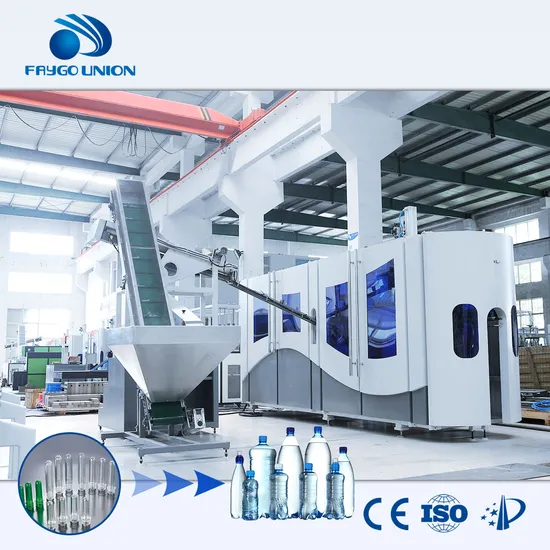
Configuration Guide for Pet Bottle Blower Machine
Cavity Number Selection
The cavity number refers to the number of bottles the machine can produce in one cycle. Selecting the appropriate cavity count depends on production requirements and available floor space:
– Single to 4-cavity machines: Ideal for small-scale production, prototyping, or facilities with limited space. Suitable for startups or specialty bottle lines.
– 6 to 12-cavity machines: Common in medium-volume production environments. Offers a balance between output and operational efficiency.
– 16 to 48+ cavity machines: Designed for high-volume manufacturing, typically used in beverage and large-scale packaging industries. Requires a larger footprint and higher initial investment.
Consider future production scalability and line integration when selecting the cavity number.
Bottle Volume Range
Ensure the blower machine is compatible with your required bottle sizes:
– Standard models typically handle volumes from 100 ml to 5 liters.
– Specialized configurations may support micro bottles (<100 ml) or jumbo containers (>5 liters).
– Verify the machine’s stretch rod sizes and mold compatibility for different volumes.
– Machines with adjustable blow molds or quick-change systems offer greater flexibility across volume ranges.
Confirm that the selected machine can accommodate both current and anticipated future bottle sizes.
Preform Compatibility
Preform compatibility ensures seamless feeding and blowing performance:
– Match the machine to the preform’s neck finish (e.g., 28mm PCO, 38mm, etc.) and weight range.
– Confirm compatibility with preform material (typically amorphous PET) and supplier specifications.
– Check preform feeding system type: linear, rotary, or starwheel, depending on production speed and preform design.
– High-speed machines often require precision preforms with consistent dimensions and crystallinity.
Consult with the machine manufacturer to validate preform specifications before integration.
Auxiliary Equipment (Compressor/Chiller)
Proper auxiliary equipment is critical for stable and efficient operation:
Compressor Requirements
– Supply high-pressure clean, dry air (typically 25–40 bar) for bottle blowing.
– Required air flow depends on cavity count and cycle time—calculate based on Nm³/min per cavity.
– Use oil-free compressors to prevent contamination of the PET bottles.
– Include air receivers and filtration systems (coalescing filters, dryers) to ensure air quality.
Chiller Requirements
– Required to cool molds and maintain consistent bottle quality (especially for high-speed operations).
– Cooling capacity should match the machine’s heat load, typically measured in kW or TR (tons of refrigeration).
– Water temperature must be precisely controlled (usually 8–12°C).
– Use closed-loop chillers with corrosion-resistant components compatible with water/glycol mixtures.
Ensure auxiliary equipment is properly sized and synchronized with the blower machine’s operational parameters to avoid bottlenecks or quality issues.
In conclusion, sourcing a pet bottle blowing machine from China offers a compelling combination of cost-efficiency, advanced technology, and proven manufacturing capability. However, to ensure long-term operational success and minimal downtime, it is crucial to prioritize suppliers who provide a comprehensive Factory Acceptance Test (FAT) prior to shipment. The FAT serves as a critical quality assurance step, verifying that the machine meets all technical specifications, performance standards, and production requirements under real operating conditions. This not only mitigates risks but also establishes confidence in the machine’s reliability before it reaches your facility.
Equally important is the availability of reliable spare parts support. Given the continuous operation demands of bottling lines, access to timely and genuine spare parts is essential for minimizing unplanned downtime and maintaining production efficiency. Choose a supplier with a strong after-sales service network, clear spare parts inventory, and responsive technical support—preferably with local representation or global logistics capability.
By focusing on manufacturers that offer a rigorous FAT process and robust spare parts availability, buyers can ensure a smooth integration of the blowing machine into their production line, achieve optimal performance, and secure a strong return on investment. Ultimately, a well-vetted Chinese supplier with these support systems in place can be a trusted long-term partner in your packaging operations.






