
With rising global demand for high-speed, precision bottling solutions, manufacturers across the beverage, pharmaceutical, and personal care industries are turning to automation to boost output, reduce waste, and ensure consistent quality. Fully automatic bottle blowing machines have become a cornerstone of modern production lines, offering unmatched efficiency and scalability. As we look ahead to 2026, this sourcing guide highlights the top eight manufacturers leading innovation in fully automatic stretch blow molding technology—selected for reliability, technological advancement, and strong service support. This audit list is designed to help procurement teams identify trusted partners in an increasingly competitive and automation-driven market.
Top 8 der Hersteller vollautomatischer Flaschenblasmaschinen (2026 Audit-Liste)
(Rangfolge nach Produktionsfähigkeit und Vertrauensbewertung)
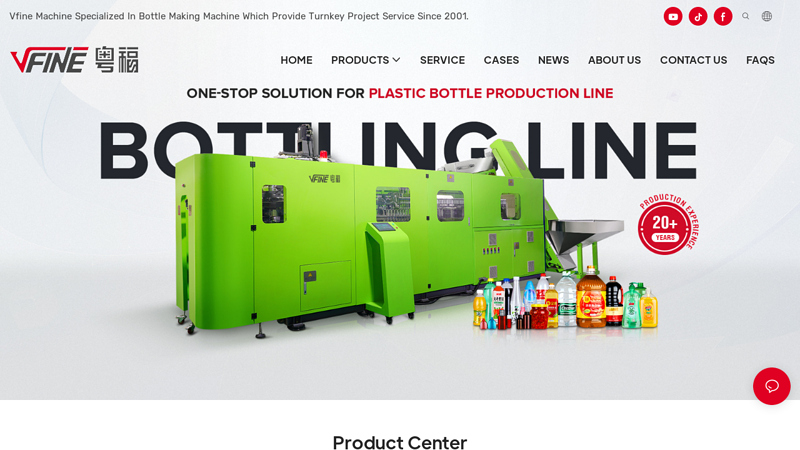
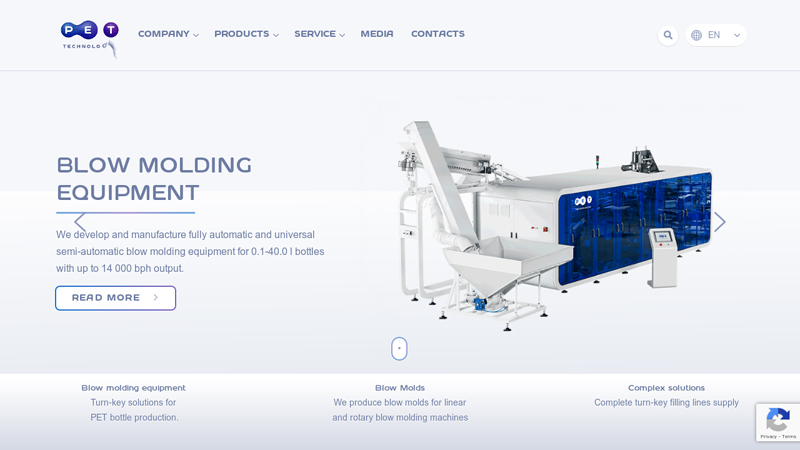
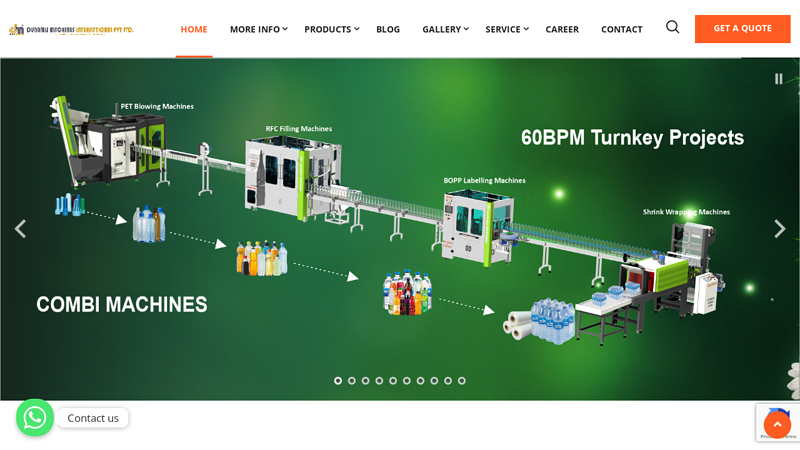
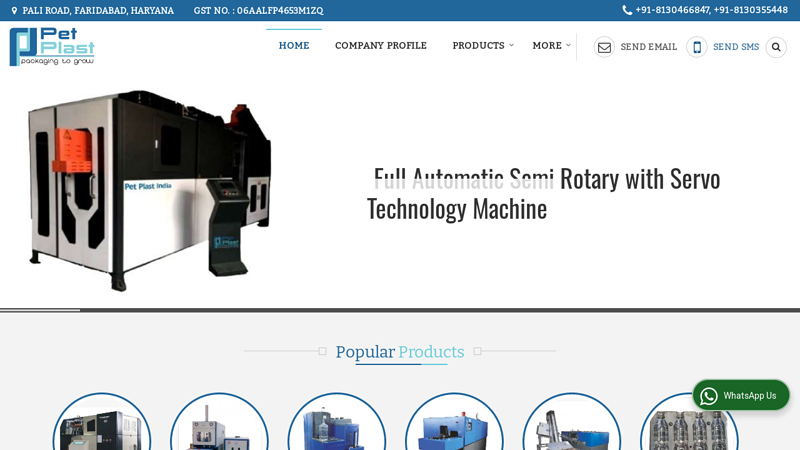
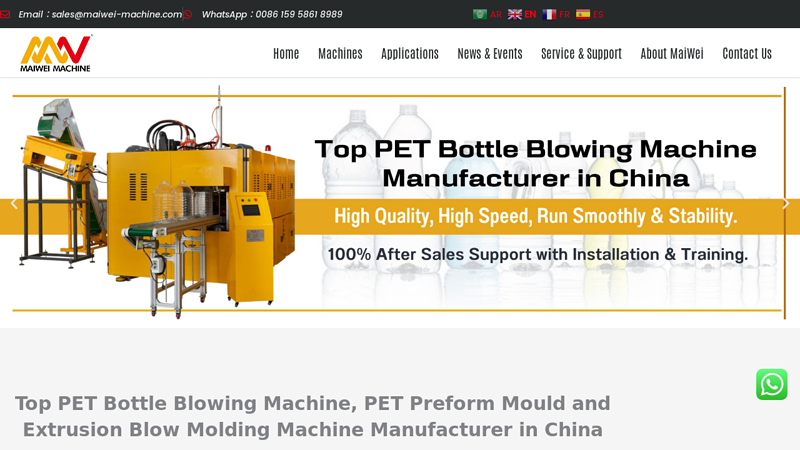

Professional Sourcing Guide: Fully Automatic Bottle Blowing Machine
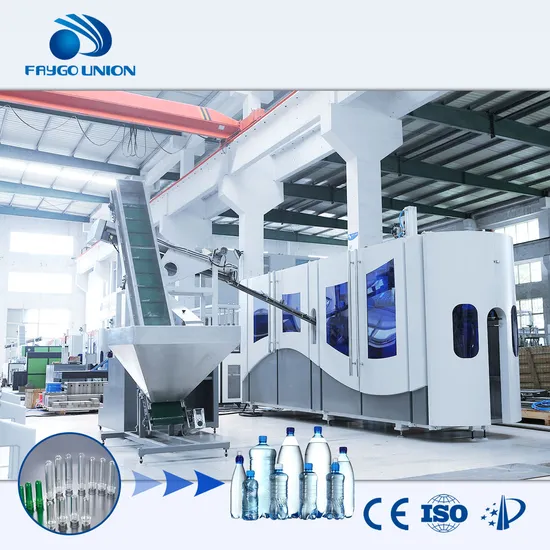
2026 Global Market Trends for Fully Automatic Bottle Blowing Machines: Focus on High-Speed Production, Energy Saving Technologies, and Automation Level
High-Speed Production Driving Market Growth
The global demand for fully automatic bottle blowing machines is projected to be significantly influenced by the increasing emphasis on high-speed production capabilities by 2026. As consumer goods, beverage, pharmaceutical, and personal care industries face rising demand and shorter production cycles, manufacturers are prioritizing machines capable of producing 1,500 to 3,000 bottles per hour (BPH) or more.
Advanced rotary and linear stretch blow molding systems are being optimized to support faster cycle times through innovations such as dual-cavity and multi-cavity molds, rapid cooling systems, and enhanced preform handling. In regions like Asia-Pacific — particularly China, India, and Southeast Asia — high-volume production requirements are pushing OEMs to develop machines with throughput efficiencies that reduce cost per unit and improve return on investment (ROI).
Moreover, the trend toward lightweighting bottles without compromising durability is further accelerating the adoption of high-speed machines equipped with precision control systems. These systems ensure consistent wall thickness and structural integrity even at elevated production rates, supporting sustainability goals while meeting commercial volume demands.
Energy Saving Technologies: Rise of Servo Motor Integration
Energy efficiency is emerging as a critical competitive differentiator in the fully automatic bottle blowing machine market, with servo motor technology playing a central role. By 2026, the integration of servo-driven systems is expected to dominate new machine installations, replacing traditional hydraulic systems in over 70% of high-end models globally.
Servo motors offer precise control over clamping, blowing, and ejection processes, reducing energy consumption by up to 40–50% compared to hydraulic counterparts. Their on-demand power delivery minimizes idle energy waste and heat generation, contributing to lower operational costs and reduced carbon footprints. Additionally, servo technology enables quieter operation and improved process repeatability, enhancing overall machine reliability.
Manufacturers such as Sidel, Krones, and BEKUM are increasingly incorporating full-servo or hybrid servo-hydraulic configurations into their next-generation models. The European Union’s Green Deal and similar regulatory frameworks in North America and Japan are further incentivizing the adoption of energy-saving technologies. As electricity costs rise and ESG (Environmental, Social, and Governance) compliance becomes mandatory, servo motor integration will be a key selling point in the 2026 market landscape.
Advancement in Automation Level: Towards Smart and Connected Machines
By 2026, the automation level of fully automatic bottle blowing machines is set to reach new heights, driven by Industry 4.0 integration and the demand for end-to-end digital production lines. Modern machines now feature embedded sensors, IoT connectivity, AI-based predictive maintenance, and real-time monitoring systems that enable remote diagnostics and self-optimization.
Fully automated changeover systems, robotic preform loaders, and vision-guided quality inspection are becoming standard in mid-to-high-tier machines. These advancements reduce human intervention, minimize downtime, and ensure consistent product quality. Machine learning algorithms are being deployed to analyze production data and dynamically adjust parameters such as pressure, temperature, and cycle timing for optimal performance.
Cloud-based platforms allow manufacturers to integrate bottle blowing lines with upstream (injection molding) and downstream (filling, labeling) processes, creating seamless, smart packaging ecosystems. This level of automation not only boosts productivity but also supports traceability and compliance — especially critical in food, beverage, and pharmaceutical applications.
In emerging markets, initial adoption of advanced automation is being driven by multinational corporations establishing local production hubs with global standards. Meanwhile, in mature markets, retrofitting older machines with smart automation modules is gaining traction as a cost-effective upgrade path.
Schlussfolgerung
The 2026 global market for fully automatic bottle blowing machines will be shaped by three interdependent trends: the push for high-speed production to meet growing demand, the widespread adoption of servo motor-based energy saving technologies to reduce operational costs and environmental impact, and the deepening integration of advanced automation and digitalization for smarter, more responsive manufacturing. Companies that innovate at the intersection of speed, efficiency, and intelligence will lead the next phase of growth in this dynamic sector.
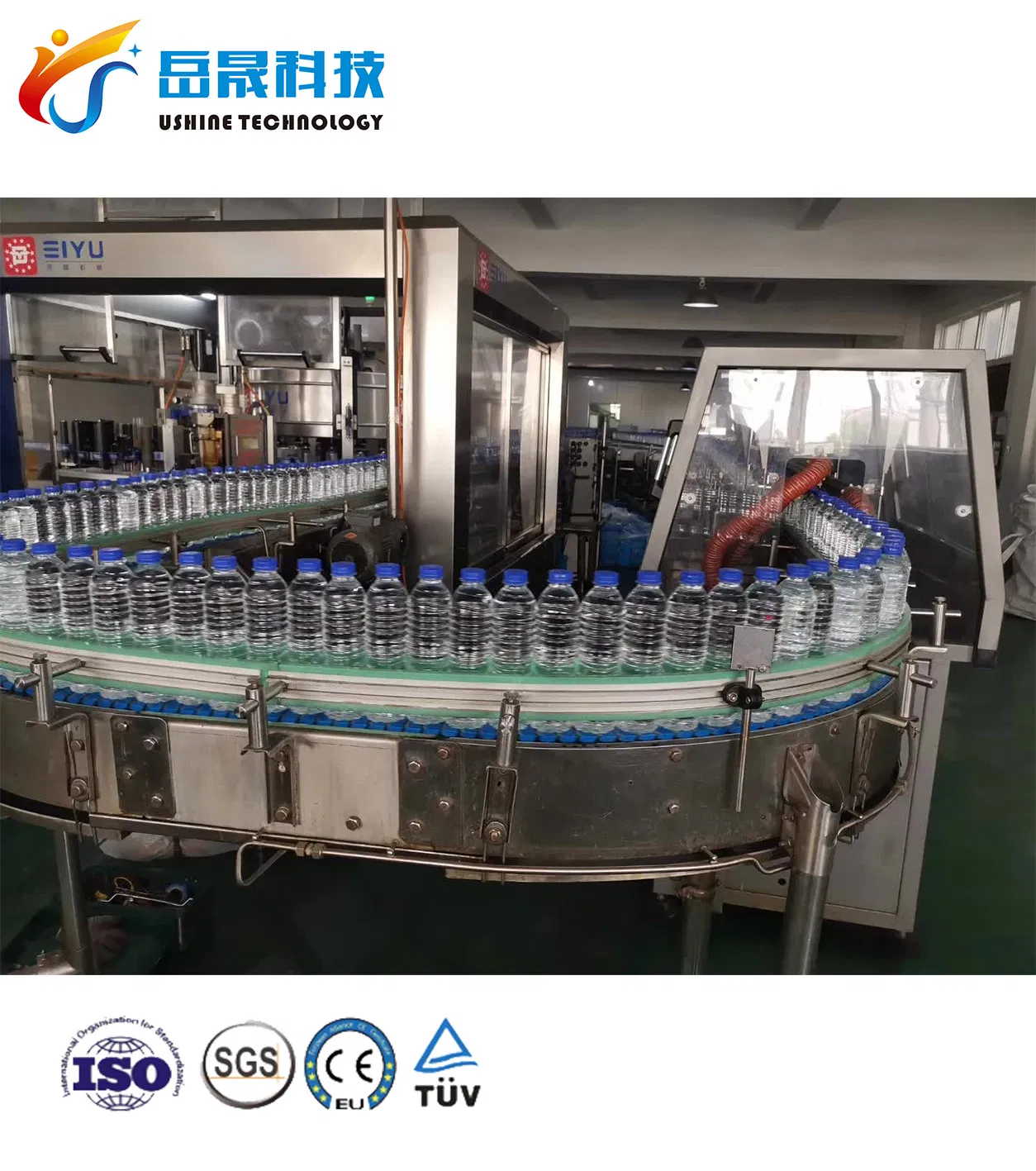
Key Quality Verification Points for Fully Automatic Bottle Blowing Machine Manufacturers
When evaluating a manufacturer of fully automatic bottle blowing machines, verifying quality is critical to ensure long-term performance, reliability, and cost-efficiency. Focus on the following key check points:
Material der Form (Aluminium vs. Stahl)
The choice of mold material significantly impacts durability, cycle time, and production costs. Always verify:
- Steel molds are preferred for high-volume production due to superior durability, heat resistance, and longevity. Confirm the grade of steel (e.g., P20, H13) and surface treatment (e.g., chrome plating).
- Aluminum molds are lighter and offer faster heat transfer, suitable for prototypes or low-volume runs, but wear faster.
– Ensure the manufacturer uses appropriate material based on your production needs and provides documentation on mold hardness, lifespan (estimated cycles), and cooling efficiency.
PLC-Marke (Siemens vs. Mitsubishi)
The PLC (Programmable Logic Controller) is the machine’s control brain. Reputable brands ensure reliability and ease of maintenance:
– Confirm the machine uses Siemens or Mitsubishi PLCs, both known for stability, robust support, and global service networks.
– Ask for the specific model and generation of the PLC to assess compatibility, software support, and scalability.
– Verify if the HMI (Human-Machine Interface) is from the same brand for seamless integration and troubleshooting.
Zykluszeit-Effizienz
Cycle time directly affects output capacity and operational costs:
– Request actual measured cycle times under real production conditions (not theoretical best-case scenarios).
– Compare the manufacturer’s claimed cycle time with industry benchmarks for similar bottle sizes and output requirements.
– Evaluate energy consumption per cycle and consistency across long production runs.
– Ask for test reports or video demonstrations showing continuous operation and bottle quality at maximum speed.
Verfügbarkeit von Ersatzteilen
Downtime can be costly; ensure quick access to spare parts:
– Confirm the manufacturer maintains a comprehensive inventory of critical spare parts (seals, valves, heaters, sensors, etc.).
– Verify global distribution network and typical lead times for spare parts delivery in your region.
– Check if parts are standardized or proprietary—standardized parts reduce dependency and cost.
– Request a detailed spare parts list with pricing and availability, and inquire about service contracts or maintenance packages.
By rigorously assessing these four areas—mold material, PLC brand, cycle time efficiency, and spare parts availability—you can confidently select a high-quality fully automatic bottle blowing machine manufacturer that meets your production demands and ensures long-term operational success.
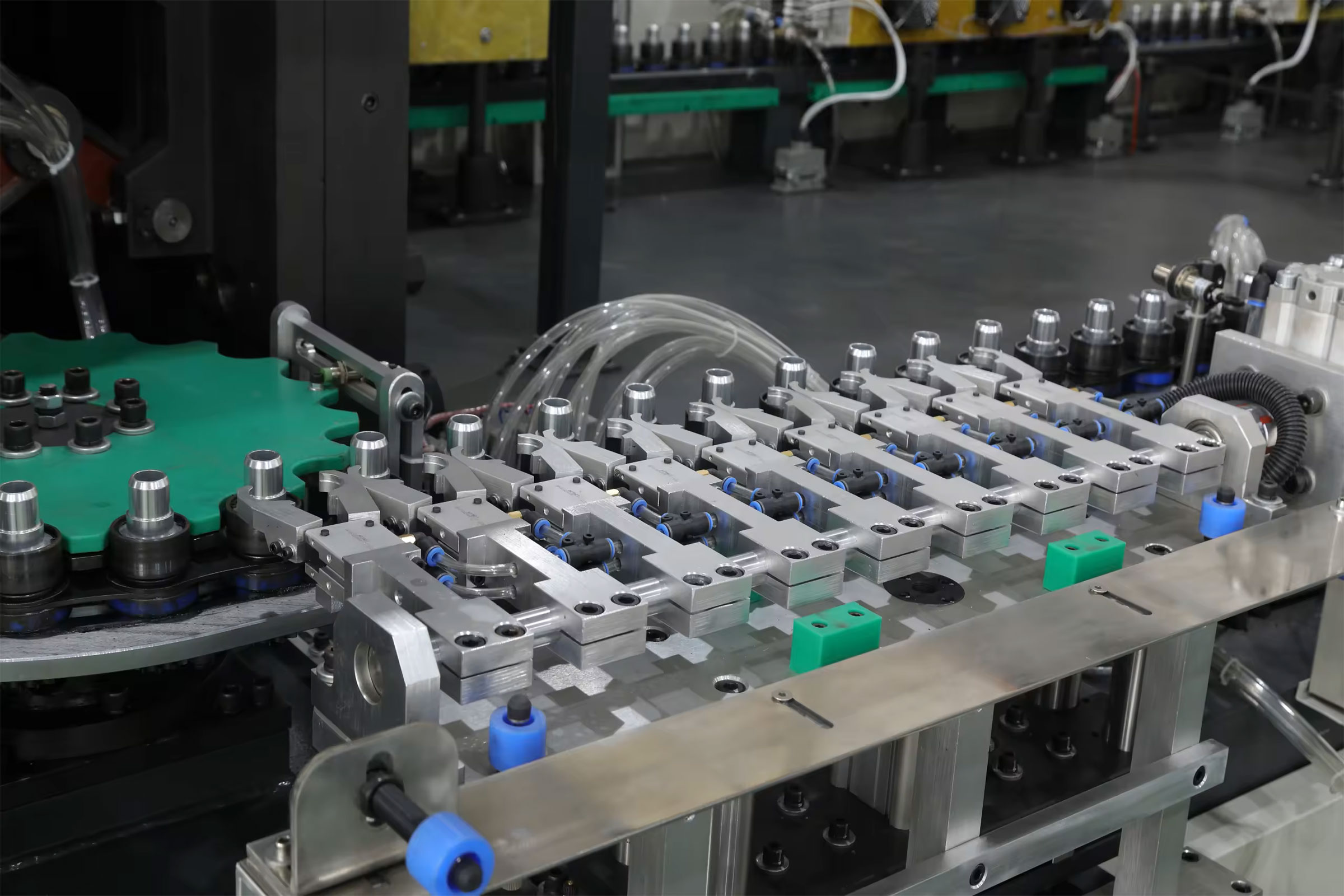
Configuration Guide for Fully Automatic Bottle Blowing Machine
Auswahl der Hohlraumnummer
The cavity number refers to how many bottles the machine can produce in one cycle. Selection depends on production volume, available floor space, and budget.
- Einzelne Kavität (1-Kavität): Ideal for low-volume production, prototyping, or R&D. Offers flexibility and lower initial investment.
- Double to Four Cavity (2–4 cavities): Suitable for medium-scale operations with moderate output requirements (e.g., 2,000–10,000 bottles/hour). Balances productivity and cost.
- Six to Twelve Cavity (6–12 cavities): Designed for high-volume manufacturing. Maximizes output (up to 30,000+ bottles/hour), best for commercial bottling lines.
- Custom Multi-Cavity (16+ cavities): Used in large-scale beverage or water bottling plants. Requires extensive auxiliary support and factory infrastructure.
Tipp: Choose cavity count based on peak demand, changeover frequency, and bottle size—larger bottles may reduce effective output per cavity.
Volumenbereich der Flasche
The machine must accommodate the desired bottle capacity, typically ranging from small (100 ml) to large (5–10 L) containers.
- Standard Machines: Support 100 ml to 2,000 ml, ideal for water, soft drinks, and juices.
- Extended Range Options: Some models can handle up to 5,000 ml or more with extended stretch rods and mold modifications.
- Minimum/Maximum Limits: Confirm machine specifications—stretch rod length, mold base size, and air pressure capacity influence volume compatibility.
- Specialized Applications: For oil, chemicals, or wide-mouth containers, verify neck finish and base design compatibility.
Anmerkung: Machines are often optimized for a specific volume range; exceeding limits may affect bottle quality and cycle time.
Kompatibilität der Vorformlinge
Preform specifications must match machine requirements for consistent bottle quality and seamless production.
- Preform Diameter: Most machines support standard 28mm, 38mm, or 110mm neck finishes. Confirm mold and loader compatibility.
- Preform Length and Weight: Machines are calibrated for specific preform dimensions. Verify max/min preform length and weight (e.g., 5g to 50g) with the manufacturer.
- Materialtyp: PET preforms are standard; ensure compatibility with recycled (rPET) or specialty resin grades if used.
- Vorformling-Zufuhrsystem: Choose between rotary or linear feeders based on preform shape—ribbed or non-standard preforms may require custom feeding solutions.
Bewährte Praxis: Conduct preform trials before full-scale production to validate compatibility and minimize defects.
Auxiliary Equipment (Compressor / Chiller)
Proper auxiliary systems are critical for stable operation and high-quality bottle formation.
Luftkompressor:
- Function: Supplies high-pressure air for blowing bottles (typically 25–40 bar).
- Kapazität: Required CFM (cubic feet per minute) depends on cavity count and cycle time. Example: 6-cavity machine needs 100–150 CFM at 35 bar.
- Art: Oil-free compressors recommended to prevent contamination.
- Air Treatment: Include dryers and filters to ensure clean, dry air and prevent valve/mold corrosion.
Chiller (Cooling System):
- Function: Cools molds and stretch rods to ensure rapid, uniform cooling and dimensional stability.
- Kapazität: Based on heat load from preforms and cycle rate. Typical range: 3–20 RT (refrigeration tons), depending on machine size.
- Cooling Medium: Water-glycol mix usually circulated at 8–12°C.
- Closed-Loop-System: Prevents scaling and ensures consistent temperature control.
Integration Tip: Size auxiliary equipment with a 20–30% margin to handle peak loads and future expansion. Ensure electrical and piping connections match local standards.
In conclusion, sourcing a fully automatic bottle blowing machine from China offers a compelling combination of cost-efficiency, advanced technology, and scalable production capacity. However, to ensure long-term operational success and minimize downtime, it is crucial to prioritize suppliers who provide a comprehensive Factory Acceptance Test (FAT) and reliable spare parts support. The FAT serves as a critical verification step, allowing buyers to witness machine performance, quality, and compliance with technical specifications before shipment, thereby reducing risks and ensuring peace of mind. Equally important is access to readily available and genuine spare parts, which directly impacts machine uptime, maintenance efficiency, and overall productivity. Partnering with a reputable Chinese manufacturer that offers structured FAT procedures and a responsive spare parts supply chain will not only safeguard your investment but also ensure smooth integration and sustained performance of the bottle blowing machine in your production line.






