
As global demand for safe, sustainable, and mass-produced bottled water continues to rise, beverage manufacturers are increasingly prioritizing efficiency, scalability, and automation in their production operations. In response, plastic water bottle production line manufacturers are advancing rapidly—integrating smart technologies, energy-efficient systems, and turnkey solutions to meet stringent quality and output requirements. This 2026 audit list highlights the top 10 manufacturers delivering innovative, reliable, and future-ready bottling systems that align with the evolving needs of the international market.
Top 10 Hersteller von Produktionsanlagen für Kunststoffwasserflaschen (2026 Audit-Liste)
(Rangfolge nach Produktionsfähigkeit und Vertrauensbewertung)
Professional Sourcing Guide: Plastic Water Bottle Production Line
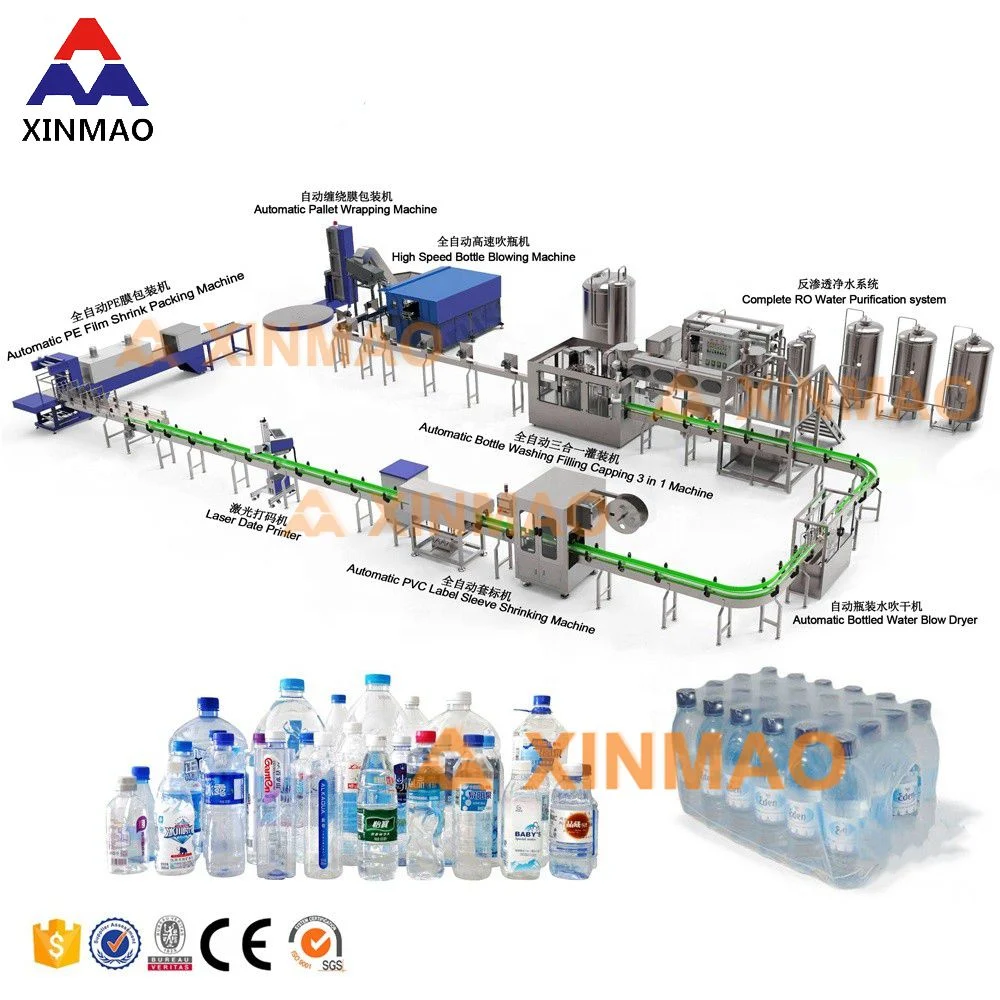
2026 Global Market Trends for Plastic Water Bottle Production Line: Focus on High Speed, Energy Efficiency, and Automation
The global plastic water bottle production line market is undergoing a significant transformation by 2026, driven by intense competition, sustainability mandates, labor challenges, and evolving consumer demands. Key trends center on maximizing efficiency, minimizing environmental impact, and achieving unprecedented levels of operational autonomy. Here’s an analysis focusing on High-Speed Production, Energy-Saving Technologies (specifically Servo Motors), and Automation Level:
High-Speed Production: The Unrelenting Pursuit of Throughput
- Markttreiber: The primary driver remains intense competition and the need for cost leadership. Beverage giants and bottlers require lines capable of producing millions of bottles per day to meet global demand and reduce unit costs. The shift towards larger bottle formats (e.g., 1L, 1.5L, 2L) for home consumption also necessitates high-capacity lines.
- 2026 Projections:
- Bottle Blowing: High-speed stretch blow molding machines will increasingly achieve outputs exceeding 40,000 bottles per hour (BPH) for standard 500ml bottles, with premium lines pushing towards 50,000-60,000 BPH. This is achieved through multi-cavity molds (up to 16-24 cavities), faster preform loading/unloading mechanisms, optimized heating ovens, and accelerated blow cycles.
- Filling & Capping: Monobloc fillers (integrating rinsing, filling, and capping) will dominate for high-speed lines, capable of 30,000 – 60,000 BPH. Advanced valve designs (gravity, pressure, or vacuum) and high-speed rotary cappers with precision torque control are essential. Reduced changeover times between bottle sizes/formats are critical for maximizing uptime.
- Bottleneck: The main constraint often shifts from the blowing machine to the filling line speed and downstream packaging (labeling, case packing, palletizing). Integrated line design and synchronization are paramount.
- Auswirkungen: Higher speeds demand exceptional machine precision, robust components, advanced process control, and predictive maintenance to handle increased wear and prevent downtime. Investment in high-speed lines will be concentrated among large-scale producers.
Energy-Saving Technologies: Servo Motors as the Core Enabler
- Markttreiber: Escalating energy costs, corporate ESG (Environmental, Social, Governance) goals, regulatory pressures (carbon taxes, energy efficiency standards), and consumer demand for sustainable products are forcing manufacturers to drastically reduce energy consumption. The energy-intensive nature of bottle blowing (especially preform heating) is a major target.
- 2026 Projections:
- Servo Motor Dominance: Servo-driven technology will become the de facto standard for new high-end and mid-range production lines by 2026. Replacing traditional hydraulic and mechanical drives, servos offer precise, on-demand power delivery.
- Key Applications & Savings:
- Stretch Rods & Blow Heads: Servo drives enable precise, variable-speed control of the stretch rod movement and blow head positioning, significantly reducing energy waste compared to hydraulic systems. Energy savings of 30-50% in the blowing section are achievable.
- Conveyor Systems: Servo-driven conveyors allow sections to run only when needed, stop during jams, and adjust speed dynamically, eliminating constant “idle” energy consumption.
- Preform Handling & Infeed: Servo motors provide smooth, controlled acceleration/deceleration for preform feeders and starwheels, reducing mechanical stress and energy spikes.
- Overall System Efficiency: Integration with machine control systems allows for coordinated energy management across the entire line. Regenerative braking in servo systems can feed energy back into the grid.
- Auswirkungen: Servo technology is no longer just an “energy-saving option” but a core performance and economic requirement. It enables higher speeds with better control while simultaneously reducing operational costs and carbon footprint. Total Cost of Ownership (TCO) calculations will heavily favor servo-equipped lines.
Automation Level: Towards Lights-Out Manufacturing
- Markttreiber: Chronic labor shortages in manufacturing, rising labor costs (especially in developed economies), the need for consistent quality, and the pursuit of operational resilience (e.g., pandemic preparedness) are accelerating automation.
- 2026 Projections:
- Beyond Basic Automation: The focus shifts from simple robot pick-and-place to integrated, intelligent automation. Expect widespread adoption of:
- Fortgeschrittene Robotik: Collaborative robots (cobots) for tasks like quality inspection, sample collection, and handling fragile components. More sophisticated articulated robots for palletizing, depalletizing, and complex changeovers.
- Automated Guided Vehicles (AGVs) / Autonomous Mobile Robots (AMRs): For automated material handling of preforms, finished pallets, and waste between production lines, warehouses, and shipping docks.
- Machine Vision & AI: Deep integration of high-resolution cameras and AI-powered software for real-time, 100% inspection (preform defects, bottle shape, fill level, cap presence/torque, label placement, seal integrity). AI will enable predictive quality and adaptive process control.
- Integrated MES/SCADA & IIoT: Production lines will be fully connected nodes within the plant’s Manufacturing Execution System (MES) and Industrial Internet of Things (IIoT) platform. Real-time data collection on OEE (Overall Equipment Effectiveness), energy consumption, quality metrics, and predictive maintenance alerts will be standard.
- “Lights-Out” Operation: While full 24/7 unmanned operation might be rare for complex lines, significant strides towards extended unmanned shifts and highly autonomous operation during normal production runs will be common. Remote monitoring and diagnostics will be ubiquitous.
- Beyond Basic Automation: The focus shifts from simple robot pick-and-place to integrated, intelligent automation. Expect widespread adoption of:
- Auswirkungen: Automation levels will be a key differentiator. Lines with high automation will offer superior OEE, reduced labor dependency, consistent high quality, better data for decision-making, and greater flexibility. The skillset required for operators will shift towards monitoring, data analysis, and maintenance of complex automated systems.
Conclusion:
By 2026, the competitive landscape for plastic water bottle production lines will be defined by the synergy of these three trends. High-speed production is essential for volume, but it’s only sustainable and profitable when combined with the energy efficiency enabled by servo technology and the operational reliability, consistency, and labor optimization provided by advanced automation. Leading suppliers will offer integrated solutions where servo-driven, high-speed machinery is seamlessly connected through intelligent automation and data systems, creating highly efficient, responsive, and sustainable production environments. The focus will be on maximizing throughput while minimizing both energy consumption and environmental impact, all managed with minimal human intervention.
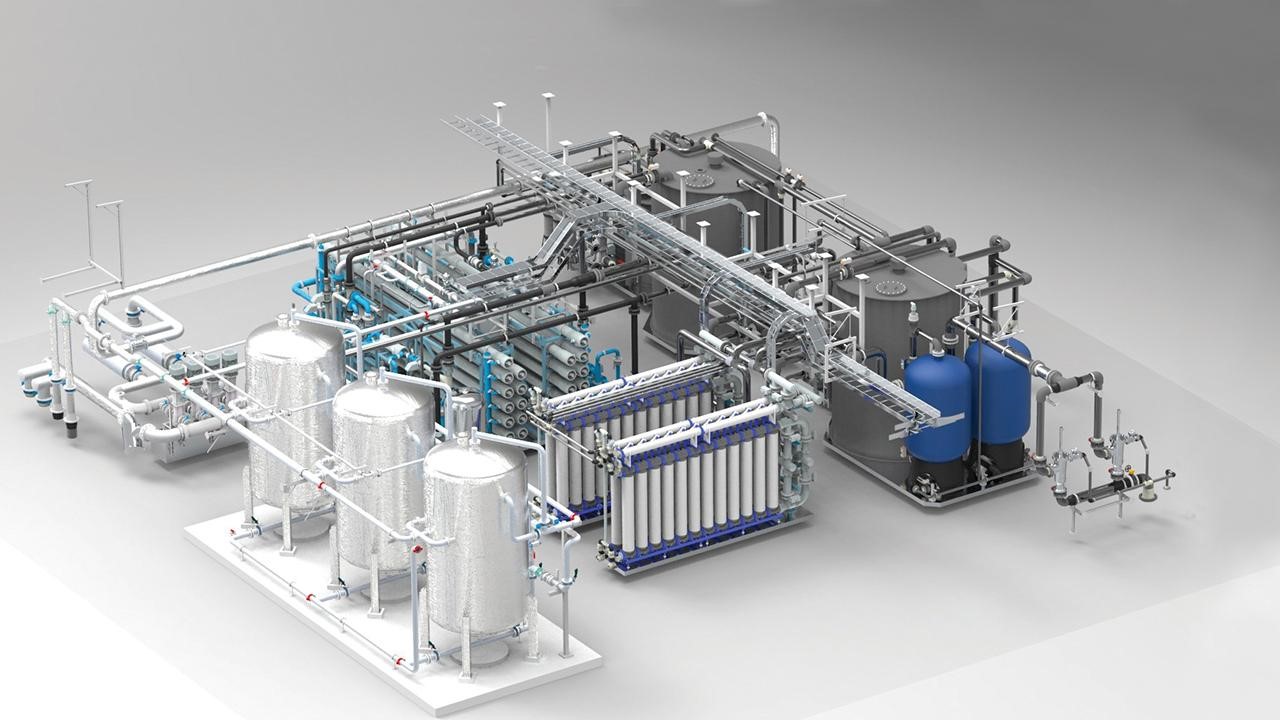
Key Quality Verification Points for Plastic Water Bottle Production Line Manufacturers
When selecting a manufacturer for a plastic water bottle production line, evaluating critical technical and operational aspects ensures long-term reliability, efficiency, and minimal downtime. Below are the essential check points to verify quality:
Material der Form (Aluminium vs. Stahl)
- Material Type: Confirm whether molds are constructed from hardened tool steel (e.g., P20, H13, or 420 stainless) or aluminum.
- Durability & Lifespan: Steel molds offer superior durability (typically 1–2 million cycles or more) and resistance to wear, making them ideal for high-volume production. Aluminum molds are lighter and faster to produce but wear quicker (suitable for prototyping or low volume).
- Surface Finish & Precision: Steel molds provide better dimensional stability and finer surface finishes, critical for consistent bottle quality and labeling.
- Corrosion Resistance: For water bottles, ensure mold materials resist corrosion from moisture and cleaning agents—stainless steel variants are preferred.
- Überprüfung: Request material certification (e.g., mill test reports) and inspect sample molds for surface polish and build quality.
PLC-Marke (Siemens vs. Mitsubishi)
- Brand Reputation: Verify if the control system uses established brands such as Siemens or Mitsubishi, known for reliability, robust support, and global service networks.
- System Compatibility: Ensure the PLC integrates seamlessly with HMIs, servo drives, and sensors used in the production line.
- Programming & Diagnostics: Siemens (e.g., S7-1200/1500) and Mitsubishi (e.g., FX or iQ-R series) offer advanced diagnostics, remote monitoring, and user-friendly programming—critical for troubleshooting and uptime.
- Software Updates & Support: Confirm the manufacturer provides programming documentation and access to firmware/software updates.
- Überprüfung: Request system specifications, onsite demonstration of HMI interface, and check for original product labels or certifications.
Zykluszeit-Effizienz
- Claimed vs. Actual Performance: Validate the manufacturer’s stated cycle time (e.g., bottles per minute) under real operating conditions. Test with your target bottle size and resin type (e.g., PET).
- Konsistenz und Stabilität: Observe the machine running continuously for at least 2–4 hours to assess cycle time consistency and reject rate.
- Energy & Resource Use: Efficient machines maintain short cycle times while minimizing energy (kWh/bottle) and compressed air consumption.
- Automation Integration: Evaluate how robotic handling, conveyors, and inspection systems impact overall cycle efficiency.
- Überprüfung: Conduct performance testing with third-party monitoring tools and request historical data from existing customer installations.
Verfügbarkeit von Ersatzteilen
- Local & Global Support: Confirm the manufacturer maintains regional spare parts warehouses or partners with local distributors for quick delivery (e.g., within 48–72 hours).
- Gemeinsame Verschleißteile: Ensure critical components (e.g., heater bands, O-rings, ejector pins, nozzle tips, sensor modules) are readily available and reasonably priced.
- Original vs. Generic Parts: Prefer OEM parts for reliability; verify if the manufacturer supplies a comprehensive spare parts list with lead times.
- Inventory Recommendations: Ask for a recommended initial spare parts kit tailored to the production line.
- Überprüfung: Request a spare parts catalog, check delivery timelines for sample components, and contact existing customers about their spare parts experience.
By rigorously evaluating these four pillars—Mold Material, PLC Brand, Cycle Time Efficiency, and Spare Parts Availability—you can effectively assess the quality and long-term viability of a plastic water bottle production line manufacturer.
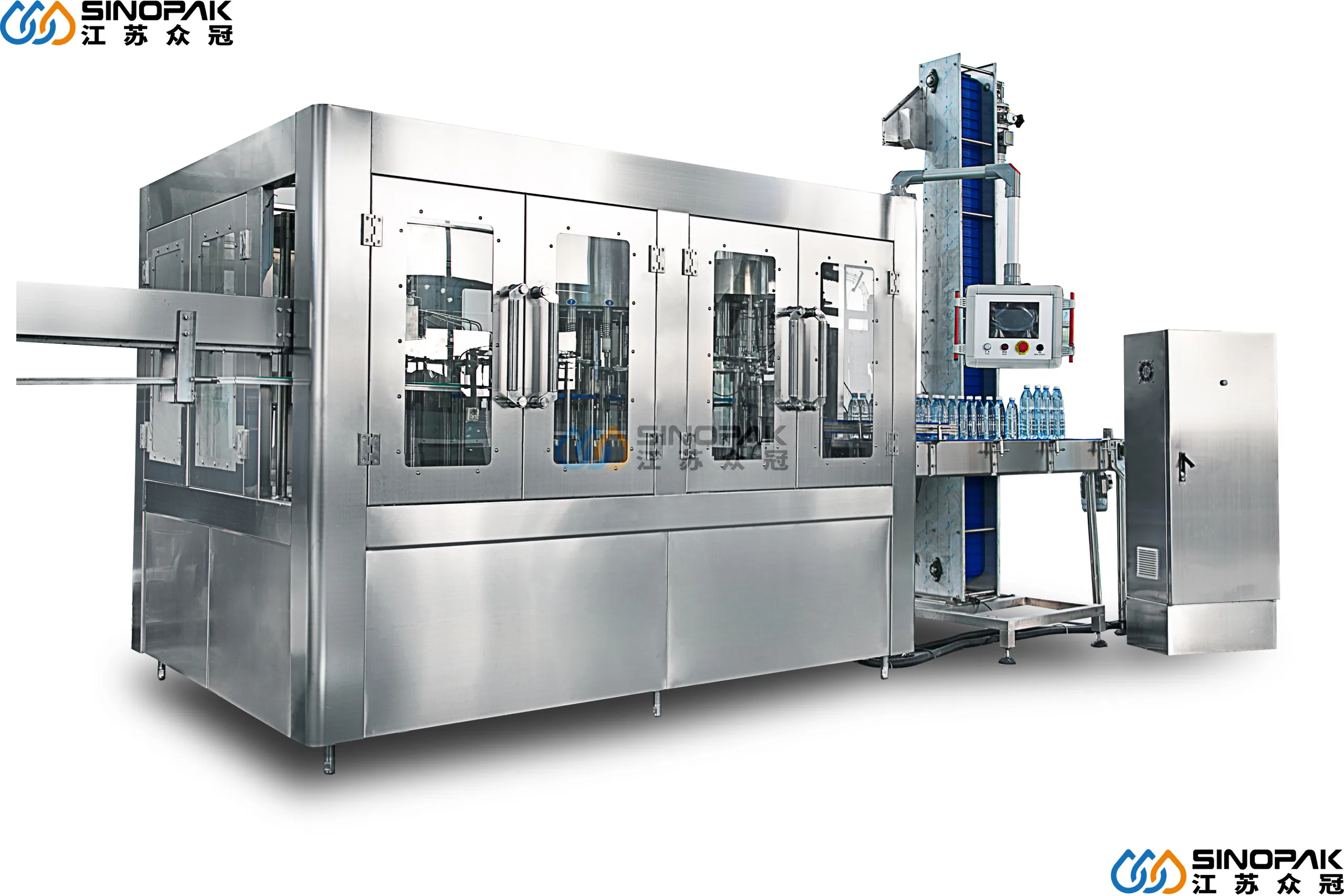
H2: Configuration Guide for Plastic Water Bottle Production Line
Setting up an efficient plastic water bottle production line requires careful consideration of several key parameters and equipment choices. Below is a comprehensive configuration guide focusing on cavity number selection, bottle volume range, preform compatibility, and auxiliary equipment such as compressors and chillers.
Auswahl der Hohlraumnummer
The number of cavities in the mold directly impacts production capacity and cost efficiency.
- Produktion kleinerer Mengen (≤10.000 Flaschen/Stunde):
Use 2–8 cavities. Suitable for small manufacturers or startups with limited space and budget. Offers flexibility for frequent changeovers. - Mittelgroße Produktion (10.000-30.000 Flaschen/Stunde):
Opt for 12–24 cavities. Balances output and mold cost, ideal for regional suppliers or contract packagers. - Großserienproduktion (≥30.000 Flaschen/Stunde):
Choose 32–48 cavities or more. Maximizes throughput and reduces per-unit cost, best for large-scale bottling plants. Requires robust auxiliary systems and precise process control.
Anmerkung: Higher cavity counts demand precise temperature control, balanced runner design, and higher-capacity auxiliary equipment.
Volumenbereich der Flasche
The production line should be configured to handle the required bottle sizes efficiently.
- Common Volume Range: 300 mL to 2,000 mL
Most standard water bottles fall within this range. Ensure mold design supports neck finish standardization (e.g., 28mm, 30mm PCO). - Line Flexibility:
Use modular molds or quick-change systems if producing multiple volumes. Some lines support volume switching with minimal downtime. - Specialty Bottles (e.g., 500 mL, 1L, 1.5L):
Confirm that the stretch blow molding machine can adjust stroke length and pressure profiles for different volumes.
Kompatibilität der Vorformlinge
Preform selection must align with material, weight, and design requirements.
- Material:
Use PET (Polyethylene Terephthalate) preforms with intrinsic viscosity (IV) of 0.78–0.85 dl/g for water bottles. Ensure compatibility with FDA/EFSA food contact standards. - Vorformling Gewichtsbereich:
Match preform weight to bottle volume (e.g., 18–25g for 500mL bottle). Confirm that the oven and reheat system can uniformly heat preforms across the selected weight range. - Vorformling Abmessungen:
Verify preform neck finish (e.g., PCO 1881) matches mold specifications. Ensure preform loader and handling system supports the preform size and shape. - Konsistenz der Lieferanten:
Use preforms from reliable suppliers to minimize defects (e.g., haze, gels, off-center necks).
Hilfsmittel
Support systems are critical for stable and high-quality production.
1. Air Compressor System
- Zweck: Supplies high-pressure air (25–40 bar) for bottle blowing.
- Kapazität:
– For 12-cavity line: ≥1.5 m³/min
– For 32-cavity line: ≥4 m³/min
- Art: Oil-free compressors recommended to prevent contamination. Include air dryers and filters (ISO 8573-1 Class 1) to ensure clean, dry air.
2. Chiller Unit
- Zweck: Cools molds to ensure rapid cycle times and dimensional stability.
- Kapazität:
– 10–20 kW for small lines (≤12 cavities)
– 50–100 kW for large lines (≥32 cavities)
- Temperaturkontrolle: Maintain mold temperature at 10–15°C. Use closed-loop chillers with precise temperature control (±0.5°C).
3. Dehumidifier (Optional but Recommended)
– Dries PET resin to moisture levels <50 ppm before preform injection to avoid hydrolysis and bottle defects.
4. Conveyor & Handling Systems
– Include bottle conveyors, accumulation tables, and rejection systems for quality control.
5. PLC & HMI Control System
– Centralized control for monitoring blow pressure, temperature, cycle time, and fault diagnostics.
By properly configuring cavity count, bottle volume range, preform compatibility, and auxiliary systems, manufacturers can ensure a reliable, high-efficiency plastic water bottle production line optimized for quality and throughput.
In conclusion, sourcing a plastic water bottle production line from China offers a compelling combination of cost efficiency, advanced manufacturing capabilities, and access to state-of-the-art automation technology. However, to ensure long-term operational success and minimize downtime, two critical factors must be prioritized: the Factory Acceptance Test (FAT) and comprehensive spare parts support. Conducting a thorough FAT before shipment is essential to verify that all components of the production line meet technical specifications, operate as intended, and comply with quality and safety standards. This step not only provides confidence in system performance but also identifies and resolves potential issues early, reducing risks upon installation at the final destination. Equally important is establishing a reliable spare parts supply chain, ideally supported by the supplier’s commitment to long-term availability and prompt delivery. Access to genuine, readily available spare parts ensures quick maintenance and repairs, maximizes equipment uptime, and protects the investment over the machine’s lifecycle. By emphasizing a rigorous FAT process and securing dependable spare parts support, companies can successfully integrate Chinese-sourced production lines into their operations with confidence, efficiency, and sustained productivity.






