
As global demand for sustainable, high-speed bottling solutions continues to rise, manufacturers are prioritizing efficiency, precision, and automation in plastic bottle production. With advancements in blow molding technology reshaping the industry, sourcing the right machinery has become a strategic imperative for bottling operations across beverages, pharmaceuticals, and household goods. This 2026 audit highlights the top nine plastic bottle blow molding machine manufacturers renowned for innovation, reliability, and scalable automation—key partners for businesses aiming to optimize output and adapt to evolving market demands.
Top 9 Hersteller von Kunststoff-Flaschenblasmaschinen (2026 Audit-Liste)
(Rangfolge nach Produktionsfähigkeit und Vertrauensbewertung)

Professional Sourcing Guide: Plastic Bottle Blow Molding Machine
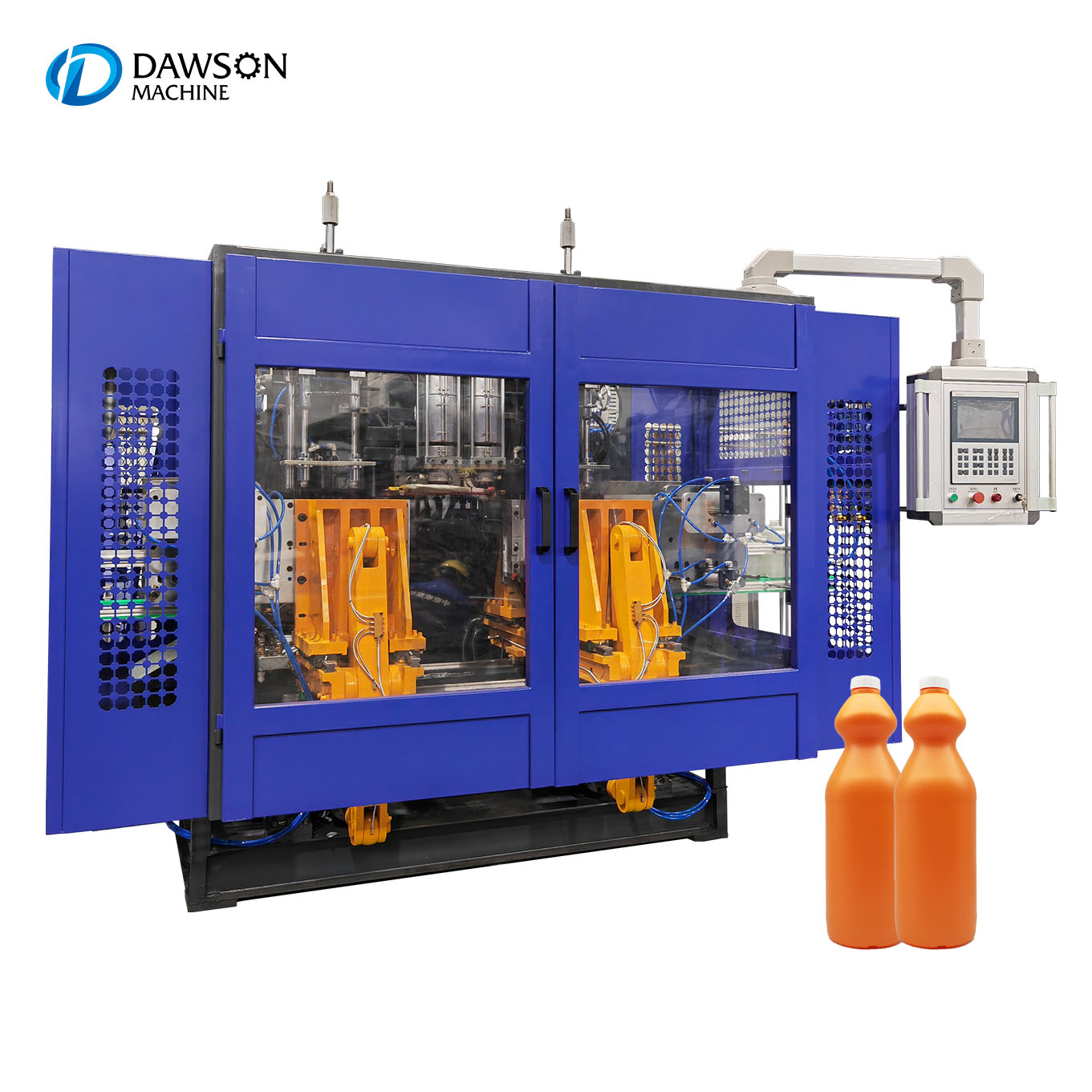
2026 Global Market Trends for Plastic Bottle Blow Molding Machines: High Speed, Energy Efficiency, and Automation
The global plastic bottle blow molding machine market is poised for significant transformation by 2026, driven by relentless demands for efficiency, sustainability, and operational resilience. Key technological advancements are converging to redefine competitive advantage, with three core areas – High-Speed Production, Energy-Saving Technologies (particularly Servo Motors), and Automation Level – emerging as the primary drivers shaping the market landscape.
High-Speed Production: Meeting Unprecedented Demand
The pressure to increase output while reducing unit costs remains paramount. By 2026, high-speed production will be a non-negotiable requirement, especially in high-volume sectors like beverages (water, carbonated soft drinks, juices) and personal care.
- Accelerated Cycle Times: Machines will achieve significantly faster cycle times, with high-end rotary systems for PET bottles targeting 3,000-4,000+ bottles per hour per cavity (bphc) and even higher for specific applications. This is achieved through optimized preform handling, faster mold opening/closing, and rapid air delivery systems.
- Multi-Cavity & Multi-Lane Designs: To maximize output, multi-cavity molds (e.g., 12, 16, 24, even 32 cavities) combined with multi-lane systems (parallel production lines) will become standard for large-scale producers. This allows massive throughput from a single machine footprint.
- Focus on Reliability at Speed: The challenge isn’t just speed, but reliable, consistent high-speed operation. Machine design will emphasize robust construction, advanced vibration damping, and predictive maintenance capabilities to minimize unplanned downtime, which becomes exponentially more costly at high speeds.
- Market Impact: This trend favors established players with proven high-speed technology but also creates opportunities for innovators offering reliable, scalable high-speed solutions, particularly for the growing demand in emerging economies.
Energy Saving Technologies: Servo Motors Leading the Charge
Sustainability and operational cost reduction are critical market forces. Energy consumption is a major cost center, making energy-saving technologies, spearheaded by servo motor technology, a dominant trend.
- Dominance of Full-Servo Electrics: By 2026, fully electric servo-driven machines will represent the dominant technology for new installations, particularly in the mid-to-high-end segment. Servo motors provide precise, on-demand power only where and when needed (unlike hydraulic systems running pumps continuously), leading to energy savings of 30-60% compared to traditional hydraulic machines.
- Beyond Servos: Holistic Efficiency: While servos are foundational, energy savings extend further:
- Optimized Blow Sequences: Smarter control algorithms minimize compressed air usage (a major energy consumer) through precise pressure profiling and recovery systems.
- High-Efficiency Components: Use of high-efficiency drives, motors, and power supplies throughout the machine.
- Heat Recovery: Systems capturing waste heat from compressors or dryers for pre-heating or facility heating.
- Sustainability Drivers: These savings directly translate to lower carbon footprint, helping manufacturers meet ESG (Environmental, Social, Governance) goals and comply with increasingly stringent environmental regulations globally. This is a major selling point for OEMs.
- Market Impact: The shift to servo-electrics is accelerating. Hydraulic machines will persist in niche heavy-duty applications or low-cost segments, but the premium and mid-market will be dominated by servo technology. Suppliers who offer the most energy-efficient servo solutions will gain significant market share.
Automation Level: Towards Integrated Smart Factories
Automation is evolving from simple handling to comprehensive integration, creating “lights-out” or highly autonomous production cells, driven by Industry 4.0 principles.
- End-to-End Integration: By 2026, machines will increasingly be sold not as standalone units, but as integrated systems. This includes seamless connection with upstream processes (preform loaders, dryers, conveyors) and downstream processes (leak testers, labelers, packers, palletizers) via standardized communication protocols (e.g., OPC UA).
- Fortgeschrittene Robotik: Robotic arms will be standard for preform loading, finished bottle handling, and quality inspection integration, improving flexibility (e.g., quick changeovers between bottle types) and reducing labor dependency.
- Data-Driven Intelligence (IIoT & AI): Machines will be equipped with extensive sensors collecting real-time data on performance (cycle times, energy use, pressure, temperature), quality (bottle weight, dimensions), and maintenance needs (vibration, motor currents). This data feeds into:
- Vorausschauende Wartung: AI algorithms analyze data to predict component failures before they happen, minimizing unplanned downtime.
- Process Optimization: Real-time monitoring and adaptive control optimize parameters for consistent quality and minimal waste.
- Fernüberwachung und -unterstützung: OEMs and integrators can monitor machine health and performance remotely, enabling faster troubleshooting and proactive support.
- User-Centric Interfaces: Advanced HMI (Human-Machine Interfaces) with intuitive dashboards, visualization, and augmented reality (AR) assistance will simplify operation and maintenance for personnel.
- Market Impact: Automation creates a significant value shift. Suppliers offering comprehensive automation packages, data analytics platforms, and remote services will differentiate themselves and capture higher value. The barrier to entry increases for players lacking integrated automation and digital expertise. Demand will surge for flexible automation solutions adaptable to varying batch sizes.
Schlussfolgerung für 2026:
The 2026 plastic bottle blow molding machine market will be characterized by the convergence of high-speed, servo-driven, and highly automated systems. Success will belong to manufacturers who deliver machines that are not just fast, but also exceptionally energy-efficient and seamlessly integrated into smart factory ecosystems. The focus will shift from selling machines to providing comprehensive production solutions that maximize output, minimize environmental impact and operating costs, and ensure unparalleled reliability through data-driven intelligence. Suppliers who lead in integrating these three pillars will define the future of the industry.
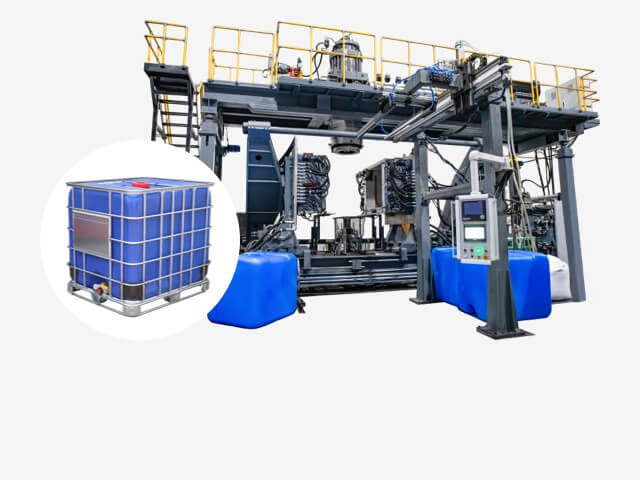
How to Verify Quality for a Plastic Bottle Blow Molding Machine Manufacturer
When evaluating a plastic bottle blow molding machine manufacturer, focusing on key technical and operational aspects ensures you select a reliable and high-performing supplier. Below are critical check points to verify quality, with emphasis on mold material, PLC brand, cycle time efficiency, and spare parts availability.
Material der Form (Aluminium vs. Stahl)
The choice of mold material significantly affects durability, production speed, and maintenance costs.
- Stahlformen: Preferred for high-volume production due to superior hardness, wear resistance, and longevity. Ideal for bottles requiring precise detailing and extended production runs. Verify that the manufacturer uses high-grade tool steel (e.g., P20, H13) with proper heat treatment.
- Aluminium-Formen: Lighter and offer faster cooling, suitable for prototypes or low-to-medium volume production. However, they wear faster. Confirm if aluminum molds are reinforced or coated for improved durability.
Ensure the manufacturer recommends the appropriate material based on your production needs and provides mold life expectancy data.
PLC-Marke (Siemens vs. Mitsubishi)
The Programmable Logic Controller (PLC) is the machine’s control center, affecting reliability, ease of programming, and integration.
- Siemens-SPSen: Known for robust performance, global support, and excellent HMI integration. Widely used in industrial automation.
- Mitsubishi PLCs: Offer fast processing, strong motion control, and are common in Asian manufacturing.
Verify that the manufacturer uses genuine, original-brand PLCs (not clones) and inquire about software interface usability, remote diagnostics, and availability of technical support. Request demonstration of the control system during operation.
Zykluszeit-Effizienz
Cycle time directly impacts productivity and return on investment.
– Request documented cycle time data for bottles of similar size and configuration to your requirements (e.g., 500ml PET bottle).
– Evaluate real-world performance through on-site trials or video demonstrations.
– Confirm if the machine features energy-saving modes, rapid mold change systems, and optimized blowing profiles to minimize cycle time.
Compare the manufacturer’s quoted cycle time with industry benchmarks for similar machines (e.g., 8–12 seconds for a standard 500ml bottle).
Verfügbarkeit von Ersatzteilen
Downtime can be costly; easy access to spare parts is crucial for continuous operation.
– Ask the manufacturer for a comprehensive spare parts list with part numbers and estimated lead times.
– Confirm if they maintain a local or regional warehouse for fast delivery.
– Inquire about the availability of wear-prone components such as seals, gaskets, stretch rods, and valves.
– Prefer manufacturers who offer maintenance kits and long-term supply commitments.
Request references from existing customers regarding spare parts support responsiveness.
By thoroughly assessing these four critical areas—mold material, PLC brand, cycle time efficiency, and spare parts availability—you can confidently verify the quality and reliability of a plastic bottle blow molding machine manufacturer.
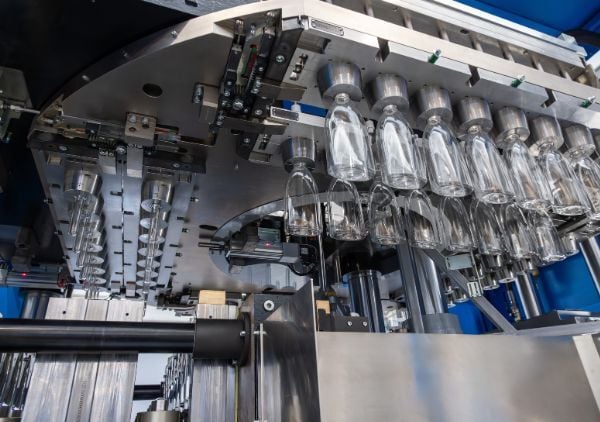
Configuration Guide for Plastic Bottle Blow Molding Machine
Auswahl der Hohlraumnummer
The cavity number refers to the number of bottles produced per cycle and is a critical factor in determining production capacity. Selection depends on:
- Production Requirements: Higher cavity numbers (e.g., 4, 6, 8, or 12 cavities) are ideal for large-scale production, while lower cavity numbers (1–2) suit small batches or prototyping.
- Flasche Größe: Larger bottles typically require fewer cavities due to mold size and machine clamping force limitations.
- Machine Footprint and Investment: Higher cavity machines occupy more space and involve greater initial investment but offer lower per-unit production costs.
- Changeover Flexibility: Lower cavity machines allow for easier mold changes and greater flexibility in producing multiple bottle designs.
Choose a cavity number that balances output needs, operational costs, and factory layout.
Volumenbereich der Flasche
The blow molding machine must be compatible with the intended bottle volume range:
- Standard Bereich: Most machines support volumes from 100 ml to 2 liters. High-capacity models may handle up to 5–10 liters.
- Stretch Ratio Consideration: Larger bottles require preforms with sufficient material and optimized stretch ratios for uniform wall thickness.
- Mold Design: Bottle volume influences mold dimensions and parison programming. Ensure the machine supports the required volume through adjustable mold height and stretch rod settings.
- Application Needs: Match the volume range to end-use applications (e.g., water, carbonated soft drinks, juices, or household chemicals).
Verify machine specifications to ensure compatibility with your target bottle sizes.
Kompatibilität der Vorformlinge
Preform compatibility ensures seamless integration between the preform design and the blow molding process:
- Preform Type: Confirm compatibility with standard PET preforms (crystal or pigmented) and neck finish (e.g., PCO 1881, 38 mm, 28 mm).
- Preform Dimensions: Match preform length, diameter, and weight specifications to the machine’s loading system and mold design.
- Preform Supplier: Use preforms from reputable suppliers with consistent quality to minimize defects like haze, leaks, or wall thickness variation.
- Kompatibilität der Heizsysteme: Ensure the machine’s infrared heating oven can evenly heat your preform type and size for optimal blowing performance.
Conduct trial runs with sample preforms to validate compatibility before full-scale production.
Zusatzausrüstung (Kompressor/Kühlgerät)
Proper auxiliary equipment is essential for stable and efficient blow molding operations:
- Luftkompressor:
- Kapazität: Provide clean, dry compressed air at 25–40 bar, depending on the machine requirements.
- Luftqualität: Use refrigerated or desiccant dryers to prevent moisture, which can affect bottle quality.
- Durchflussmenge: Size the compressor to match peak air demand (typically 1–2 m³/min per cavity for high-pressure blow stages).
- Kühler (Kühlsystem):
- Temperaturkontrolle: Maintain mold temperature between 5–15°C to ensure rapid cooling and consistent cycle times.
- Kühlleistung: Select a chiller with sufficient capacity (measured in kW or tons of refrigeration) based on machine heat load and ambient conditions.
- Wasserqualität: Use treated water to prevent scaling and blockages in cooling channels.
Ensure both compressor and chiller are correctly sized, installed, and maintained to support uninterrupted production and optimal bottle quality.
In conclusion, sourcing a plastic bottle blow molding machine from China offers a compelling combination of cost-efficiency, advanced technology, and scalable production capacity. However, ensuring long-term operational success hinges on two critical factors: a comprehensive Factory Acceptance Test (FAT) and reliable spare parts support. Conducting a thorough FAT before shipment allows buyers to verify machine performance, quality standards, and functionality under real operating conditions, minimizing the risk of post-installation issues and ensuring alignment with production requirements. Equally important is establishing a robust spare parts support system, either through an accessible local distributor or a responsive manufacturer, to minimize downtime and maintain continuous production. By prioritizing these elements—rigorous FAT procedures and dependable spare parts availability—buyers can maximize machine uptime, optimize productivity, and achieve a strong return on investment when sourcing blow molding equipment from China.






