
As demand for efficient, high-output bottling solutions continues to surge across the beverage, pharmaceutical, and personal care sectors, automation and precision have become core priorities in plastic bottle production. With sustainability and operational efficiency driving investment decisions, sourcing the right blow molding technology is more critical than ever. This 2026 audit identifies the top nine plastic bottle blow molding machine manufacturers renowned for innovation, reliability, and integration-ready automation, helping procurement teams make informed, forward-looking decisions in a competitive global market.
Top 9 Hersteller von Kunststoff-Flaschenblasmaschinen (2026 Audit-Liste)
(Rangfolge nach Produktionsfähigkeit und Vertrauensbewertung)
Professional Sourcing Guide: Plastic Bottle Blow Molding Machine
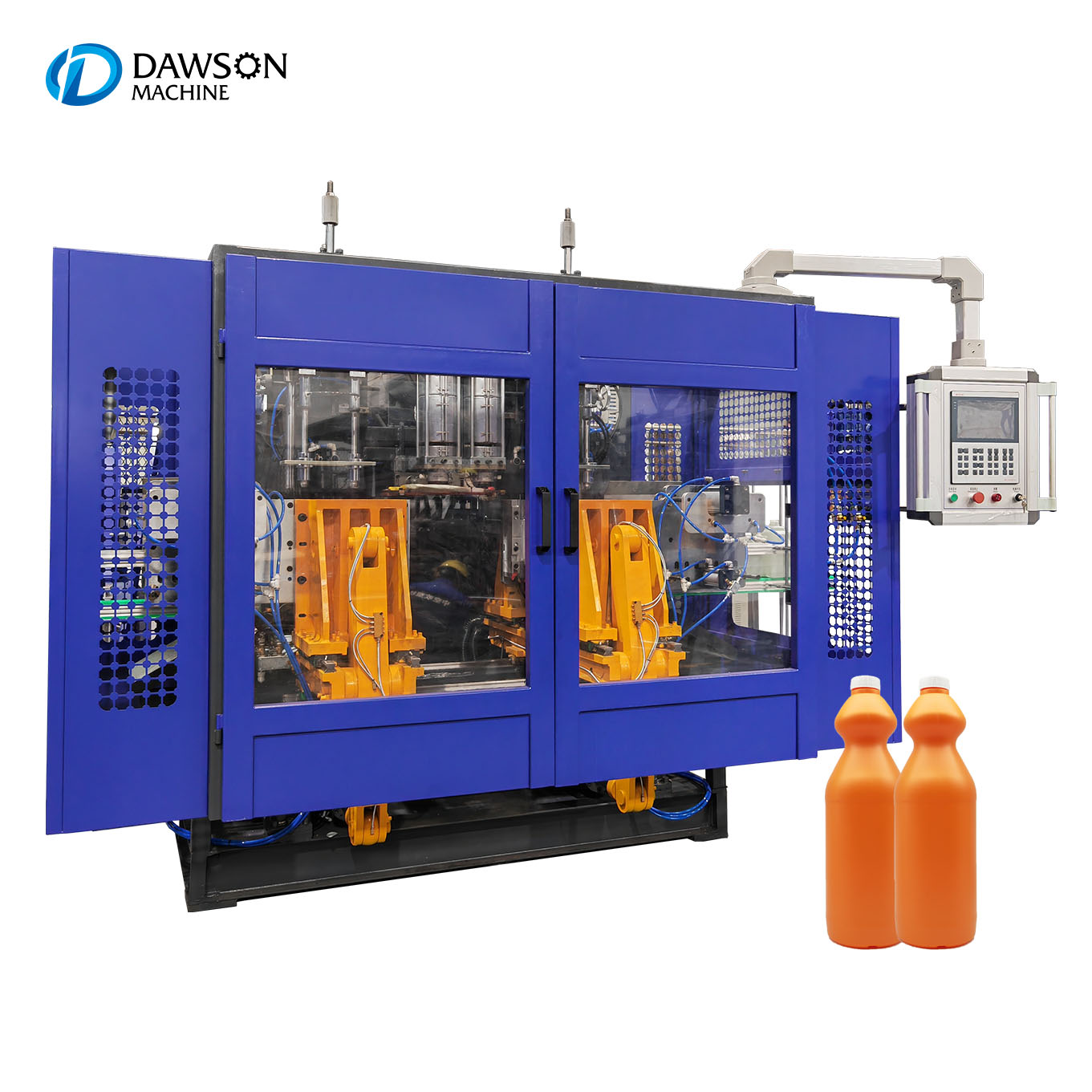
2026 Global Market Trends for Plastic Bottle Blow Molding Machines: Focus on High-Speed Production, Energy-Saving Technologies, and Automation
High-Speed Production Driving Market Growth
The global plastic bottle blow molding machine market is projected to witness substantial growth by 2026, fueled significantly by the rising demand for high-speed production capabilities. As consumer goods, beverages, pharmaceuticals, and personal care industries expand globally, manufacturers are under increasing pressure to enhance output efficiency and meet just-in-time delivery requirements. High-speed blow molding machines capable of producing over 60,000 bottles per hour are becoming the new standard in large-scale production facilities.
Advancements in stretch blow molding technologies, particularly in rotary and linear systems, are enabling faster cycle times and improved bottle consistency. These systems integrate precision preform feeding, rapid heating, and efficient mold clamping mechanisms to reduce cycle duration without compromising product quality. Market leaders such as Sidel, Krones, and SIPA are investing heavily in R&D to push the limits of production speed, with next-generation machines incorporating AI-driven process optimization to dynamically adjust parameters in real-time.
Additionally, the trend toward lightweighting—producing thinner-walled bottles to reduce material usage—requires highly stable and fast machines that maintain precision at elevated speeds. This convergence of speed and precision is reshaping competitive dynamics in the blow molding sector, pushing smaller manufacturers to adopt modular high-speed systems or risk obsolescence.
Energy-Saving Technologies: Rise of Servo Motor Integration
Energy efficiency is a critical driver in the 2026 outlook for blow molding machines, with servo motor technology emerging as a cornerstone of modern equipment design. Traditional hydraulic systems, once dominant in blow molding, are being rapidly replaced by all-electric and hybrid servo-driven systems due to their superior energy efficiency, lower maintenance, and enhanced control.
Servo motors offer precise control over movement and pressure, reducing energy waste during idle phases and non-critical operations. Machines equipped with servo technology can achieve energy savings of up to 50% compared to hydraulic counterparts. This not only lowers operational costs but also aligns with global sustainability mandates and ESG (Environmental, Social, and Governance) goals pursued by packaging companies.
By 2026, the integration of intelligent servo systems will extend beyond basic motion control. Advanced servo motors will be coupled with IoT-enabled monitoring platforms that track energy consumption in real time, enabling predictive maintenance and adaptive operation modes. For instance, during low-demand periods, machines can automatically shift to low-power servo settings, further optimizing energy use.
Regulatory pressures in Europe and North America, particularly under the EU Ecodesign Directive and ENERGY STAR certifications, are accelerating adoption. In emerging markets such as India and Southeast Asia, rising electricity costs are also making energy-efficient machines more attractive, driving demand for servo-based blow molding systems.
Automation Level: Smart Factories and Industry 4.0 Integration
Automation is transforming the plastic bottle blow molding landscape, with 2026 marking a pivotal shift toward fully integrated, smart manufacturing environments. Modern blow molding machines are increasingly equipped with high levels of automation, including robotic handling, vision inspection systems, and centralized control platforms that interface with broader factory-wide digital ecosystems.
The adoption of Industry 4.0 principles—such as real-time data analytics, cloud connectivity, and machine learning—is enabling predictive quality control, reduced downtime, and seamless production tracking from preform to finished bottle. Fully automated lines now feature robotic arm integration for de-molding, leak testing, labeling, and palletizing, minimizing human intervention and improving workplace safety.
By 2026, over 60% of new blow molding installations in developed markets are expected to include advanced automation packages with SCADA (Supervisory Control and Data Acquisition) and MES (Manufacturing Execution Systems) integration. These systems provide end-to-end visibility into production metrics, energy use, and quality assurance, allowing for rapid decision-making and continuous improvement.
Moreover, the trend toward mass customization in packaging—smaller batch sizes and frequent changeovers—necessitates flexible automation. Machines with quick-change mold systems, auto-calibration features, and digital twin capabilities are gaining traction. These technologies allow operators to simulate production runs virtually, reducing setup time and minimizing waste during transitions.
In conclusion, the 2026 global market for plastic bottle blow molding machines will be defined by the convergence of high-speed production, energy-saving servo technologies, and comprehensive automation. Companies that embrace these innovations will gain a competitive edge through improved efficiency, sustainability, and responsiveness to dynamic market demands.
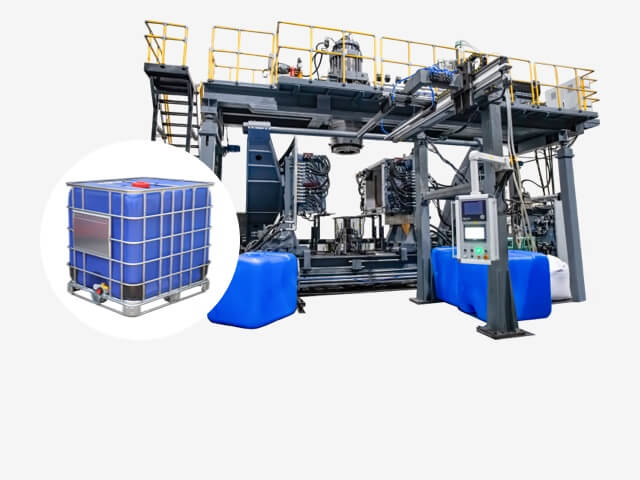
Key Quality Verification Points for Plastic Bottle Blow Molding Machine Manufacturers
When evaluating a plastic bottle blow molding machine manufacturer, verifying quality is essential to ensure long-term reliability, efficiency, and minimal downtime. Focus on the following critical check points:
Material der Form (Aluminium vs. Stahl)
- Stahlformen: High-quality manufacturers typically use hardened steel (e.g., P20, 420 stainless) for molds, especially for high-volume production. Steel offers superior durability, heat resistance, and longer mold life (often exceeding 1 million cycles), making it ideal for consistent, high-precision bottle manufacturing.
- Aluminium-Formen: While lighter and faster to produce, aluminum molds are generally suitable only for prototypes or low-volume runs due to lower wear resistance. Their use may indicate cost-cutting, potentially affecting part consistency and longevity.
- Tipp zur Verifizierung: Request mold material certifications and inquire about hardness treatment (e.g., HRC 50–55). Prioritize manufacturers using steel for production-grade machines.
PLC-Marke (Siemens vs. Mitsubishi)
- Renommierte PLCs: Leading manufacturers use industrial-grade PLCs from globally recognized brands such as Siemens or Mitsubishi. These offer stable performance, precise control, and strong diagnostics, crucial for maintaining consistent cycle times and machine uptime.
- Kostengünstigere Alternativen: Some manufacturers may use lesser-known or generic PLC brands to reduce costs, which can result in unreliable operation, limited support, and difficulty in troubleshooting.
- Tipp zur Verifizierung: Confirm the exact PLC model and brand in the machine specifications. Request software interface demos and check for multilingual HMI support and remote monitoring capabilities.
Zykluszeit-Effizienz
- Leistungs-Benchmarking: High-quality machines achieve optimized cycle times based on bottle size, output capacity, and energy efficiency. For example, a 6-station machine producing 500ml PET bottles should ideally run at 1,800–2,400 bottles per hour with consistent quality.
- Energy Recovery Systems: Premium machines often include features like air pressure recovery and servo-driven systems to reduce cycle time and energy consumption.
- Tipp zur Verifizierung: Request machine performance data from real-world installations, including average cycle time, bottle defect rate, and energy consumption per thousand bottles. Conduct on-site trials if possible.
Verfügbarkeit von Ersatzteilen
- Global Supply Chain: Reliable manufacturers maintain an accessible inventory of critical spare parts (e.g., stretch rods, HV/LV molds, sealing rings, O-rings) and offer quick delivery—ideally within 7–14 days.
- Local Support: Check for regional service centers or authorized distributors that can provide technical support and spare parts locally, minimizing production downtime.
- Tipp zur Verifizierung: Ask for a full spare parts list with pricing and lead times. Evaluate the manufacturer’s service history and customer support responsiveness through references or user reviews.
Selecting a manufacturer that excels in these four areas ensures a durable, efficient, and supportable blow molding solution for your production needs.
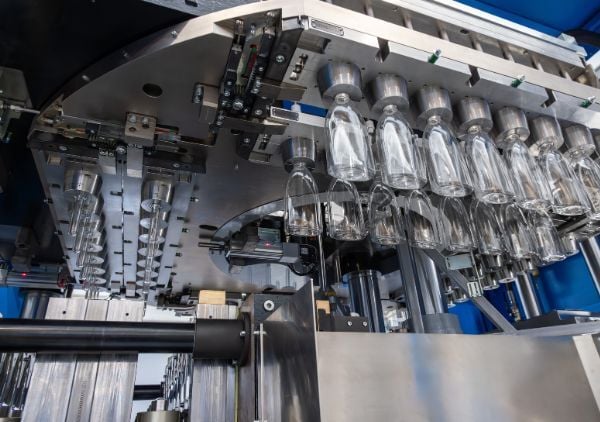
Configuration Guide for Plastic Bottle Blow Molding Machine
Auswahl der Hohlraumnummer
The cavity number refers to the number of bottles produced per cycle in the blow molding machine. Selecting the appropriate cavity count is crucial for balancing production output, machine cost, and operational efficiency.
- Einzelne Kavität (1-Kavität): Ideal for prototyping, small production runs, or bottles with complex designs. Offers maximum flexibility but lower output.
- 2 to 4 Cavities: Suitable for medium-volume production, offering a balance between cost and output. Often used in specialty or custom bottle manufacturing.
- 6 to 12 Cavities: Common in high-volume commercial production (e.g., beverages, water bottles). Increases output significantly while maintaining manageable machine size.
- 16+ Cavities: Used in large-scale industrial operations with very high demand (e.g., major beverage brands). Requires substantial floor space and investment.
Selection Factors:
– Required production output (bottles per hour)
– Bottle size and cycle time
– Available floor space
– Budget constraints
– Changeover frequency and product variety
Volumenbereich der Flasche
The machine must be compatible with the required bottle volume, as different models are engineered for specific size ranges.
- Small Volume (50–500 ml): Typically used for sample bottles, pharmaceuticals, or travel-sized containers. Requires precise control and faster cycle times.
- Medium Volume (500–1500 ml): Most common for water, soft drinks, and juice bottles. Standard machines are optimized for this range.
- Large Volume (1500–5000 ml and above): Used for jugs, home appliances, or industrial containers. Requires higher blowing pressure and extended cooling times.
Wichtige Überlegungen:
– Verify the machine’s specified volume range matches your product requirements.
– Larger bottles may require reduced cavity counts due to longer cycle times.
– Ensure the mold design and station layout support the desired bottle dimensions.
Kompatibilität der Vorformlinge
Preform compatibility ensures that the machine can accept and process the specific preform design (size, weight, neck finish) used in production.
- Neck Finish (PCO, 38mm, 1881, etc.): The machine must support the preform’s neck finish to ensure proper gripping and sealing during blowing.
- Preform Weight and Length: Machines are designed for specific preform dimensions. Check maximum and minimum preform length/weight ratings.
- Materialtyp: Most machines handle PET preforms, but confirm compatibility with any additives (e.g., colorants, barrier materials).
- Vorformling-Zufuhrsystem: Choose between rotary, linear, or gravity feed systems based on preform shape and production speed.
Bewährte Praktiken:
– Use preforms from reputable suppliers meeting ISO or industry standards.
– Test preform feeding and handling during machine commissioning.
– Ensure preform oven or heater (if integrated) is adjustable for different preform wall thicknesses.
Zusatzausrüstung (Kompressor/Kühlgerät)
Auxiliary systems are essential for stable and efficient blow molding operations.
Luftkompressor
Provides high-pressure air (typically 25–40 bar) required for stretching and inflating preforms into bottles.
- Kapazität: Sized according to machine cavitation and cycle time. A 6-cavity machine may require 1–2 m³/min; larger systems need proportionally higher capacity.
- Luftqualität: Use oil-free compressors with dryers and filters to prevent contamination (ISO 8573-1 Class 1 recommended).
- Lagerung: Include an air receiver tank (10–20% of compressor output) to stabilize pressure during peak demand.
Chiller/Cooling System
Maintains optimal mold temperature for consistent cycle times and bottle quality.
- Kühlleistung: Typically 1–5 kW per cavity, depending on bottle size and cycle speed.
- Temperaturkontrolle: Precision control (±0.5°C) prevents warping and ensures uniform wall thickness.
- Coolant Type: Use purified water or a water-glycol mix to prevent scaling and corrosion.
Tipps zur Integration:
– Match auxiliary equipment capacity to peak machine demand.
– Install proper piping with minimal pressure drops.
– Include automatic controls to synchronize with the blow molder for energy efficiency.
By carefully selecting cavity number, verifying bottle volume and preform compatibility, and properly sizing auxiliary equipment, operators can maximize uptime, product quality, and return on investment.
In conclusion, sourcing a plastic bottle blow molding machine from China offers a compelling combination of advanced technology, competitive pricing, and scalable manufacturing solutions. However, to ensure long-term operational efficiency and minimize downtime, it is crucial to prioritize two key factors: a comprehensive Factory Acceptance Test (FAT) and reliable spare parts support. Conducting a thorough FAT before shipment allows buyers to verify machine performance, quality standards, and compliance with technical specifications under real operating conditions—providing confidence in the equipment’s readiness for deployment. Equally important is establishing a clear agreement on spare parts availability, including fast delivery timelines and access to genuine components, which is essential for maintaining continuous production and reducing maintenance costs over the machine’s lifecycle. By focusing on these critical elements, businesses can secure a high-performing blow molding solution from China while ensuring sustainability, reliability, and strong after-sales support.






