
As global demand for efficient, high-speed bottling solutions continues to rise, manufacturers across the beverage, pharmaceutical, and personal care industries are prioritizing automation, energy efficiency, and production scalability. In response, sourcing the right bottle making machine has become a strategic imperative for cost-effective, future-ready operations. This 2026 audit identifies the top 10 bottle making machine manufacturers leading innovation in blow molding and stretch blow technology—delivering precision, reliability, and smart integration tailored to evolving market needs.
Top 10 Flaschenherstellungsmaschinenhersteller (2026 Audit-Liste)
(Rangfolge nach Produktionsfähigkeit und Vertrauensbewertung)
Professional Sourcing Guide: Bottle Making Machine
2026 Global Market Trends for Bottle Making Machines: High Speed Production, Energy Saving Technologies, and Automation
High Speed Production Driving Market Growth
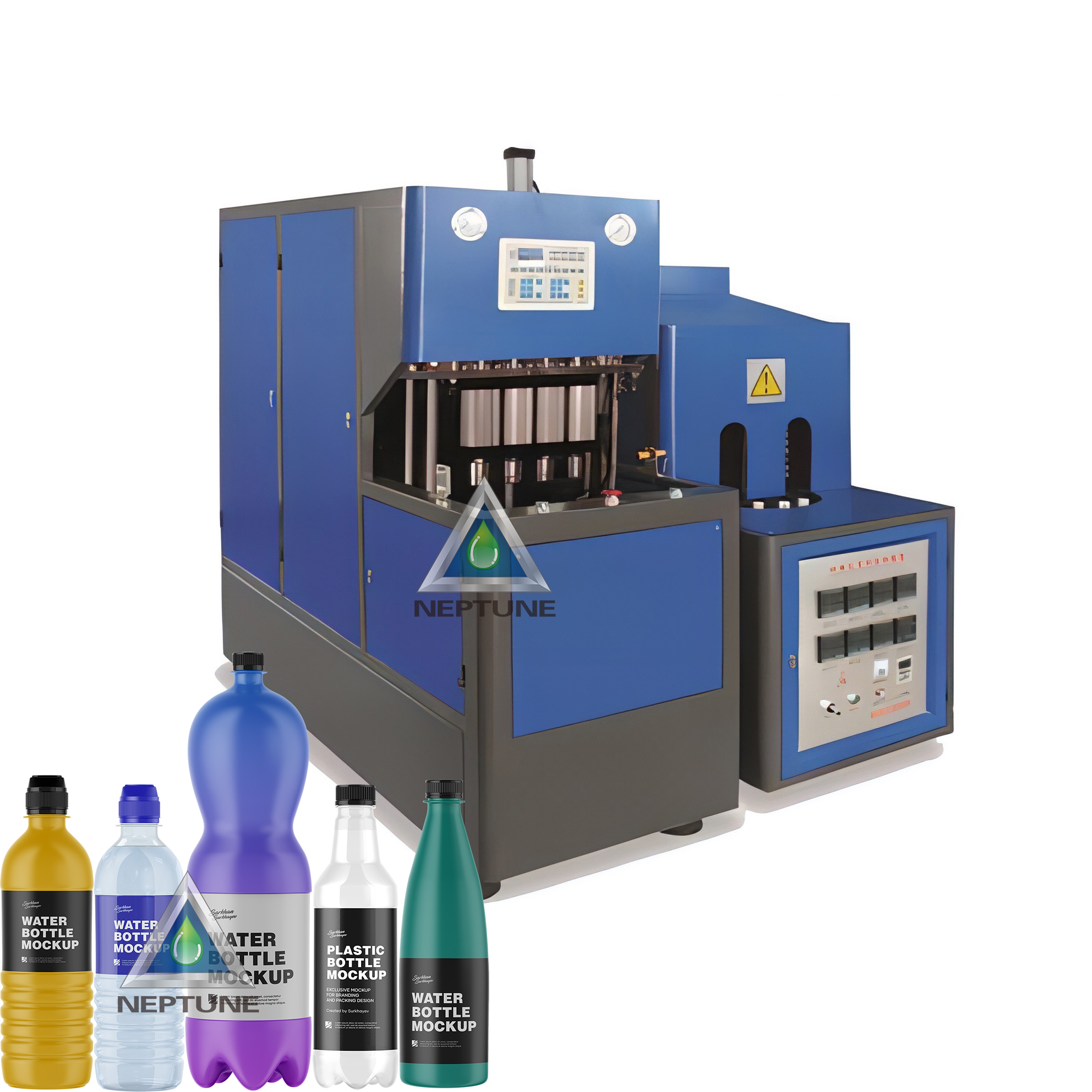
By 2026, the global bottle making machine market is projected to experience significant expansion, primarily fueled by the rising demand for high-speed production capabilities. Manufacturers across the beverage, pharmaceutical, and personal care industries are under increasing pressure to meet consumer demand while reducing time-to-market. As a result, high-speed bottle making machines capable of producing thousands of containers per hour are becoming standard in modern production facilities.
Advanced technologies such as multi-cavity molds, optimized blow molding processes, and rapid cycle times are enabling machines to achieve output rates exceeding 30,000 bottles per hour in some configurations. The push for efficiency is particularly strong in emerging economies where packaging industries are scaling rapidly. Additionally, modular machine designs allow for easy upgrades and integration into existing production lines, making high-speed solutions more accessible. By 2026, machines offering high throughput with consistent quality control will dominate market preferences, especially in regions with labor constraints and rising labor costs.
Energy Saving Technologies: Adoption of Servo Motors Accelerates
Energy efficiency is emerging as a critical competitive factor in the bottle making machine industry, with servo motor technology at the forefront of this transformation. Unlike traditional hydraulic systems, servo motors offer precise control, reduced energy consumption, and lower heat generation. By 2026, the adoption of servo-electric and hybrid servo-hydraulic systems is expected to surpass 60% of new machine installations globally.
Servo-driven machines can reduce energy usage by up to 40–50% compared to conventional systems, significantly lowering operational costs and supporting corporate sustainability goals. This shift is being driven by stricter environmental regulations in Europe and North America, as well as growing ESG (Environmental, Social, and Governance) compliance requirements. Additionally, servo motors contribute to quieter operation and require less maintenance, improving overall equipment effectiveness (OEE). Machine manufacturers are increasingly highlighting energy-saving credentials in their product offerings, with third-party certifications like ISO 50001 becoming standard in marketing materials.
Automation Level: Integration of Smart Manufacturing and Industry 4.0
Automation is redefining the functionality and intelligence of bottle making machines, with Industry 4.0 technologies set to become mainstream by 2026. Fully automated systems integrating IoT sensors, real-time data analytics, and AI-driven predictive maintenance are transforming production floors into smart manufacturing ecosystems. These systems enable remote monitoring, self-diagnostics, and adaptive control, minimizing downtime and optimizing performance.
Robotic integration for preform handling, bottle inspection, and palletizing is now common in Tier 1 facilities, with mid-tier producers rapidly adopting semi-automated solutions. Digital twins—virtual replicas of physical machines—are being used for simulation, training, and process optimization, further enhancing efficiency. Cloud-based platforms allow manufacturers to collect and analyze performance data across multiple sites, enabling proactive decision-making.
By 2026, the most competitive bottle making machines will feature plug-and-play automation interfaces, seamless ERP/MES integration, and cybersecurity protocols to protect intellectual property and operational integrity. The convergence of automation and data intelligence will not only boost productivity but also support mass customization, allowing brands to respond quickly to changing market demands.
In conclusion, the 2026 global bottle making machine market will be shaped by the interplay of high-speed production, energy-efficient servo technologies, and advanced automation. Companies that invest in these areas will gain a decisive edge in operational efficiency, sustainability, and market responsiveness.
Key Quality Verification Points for Bottle Making Machine Manufacturers
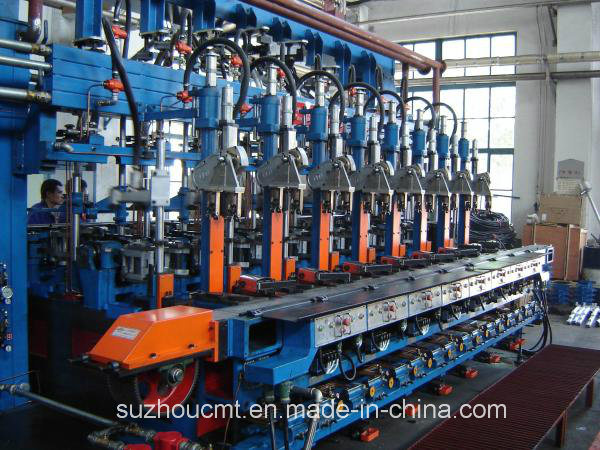
When evaluating a bottle making machine manufacturer, assessing the following critical factors ensures long-term reliability, performance, and cost-efficiency:
Material der Form (Aluminium vs. Stahl)
Verify the type of mold material used in the machine’s construction, as it directly impacts durability, precision, and production lifespan:
- Stahlformen: Preferred for high-volume, long-run production; offer superior wear resistance, dimensional stability, and longer service life. Confirm use of hardened tool steel (e.g., H13) for optimal performance.
- Aluminium-Formen: Suitable for prototypes or low-volume runs due to faster cooling and lower cost, but less durable. Assess if the application justifies aluminum use.
- Siehe: Request mold material specifications and certifications; inspect sample molds for surface finish and hardness testing reports.
PLC-Marke (Siemens vs. Mitsubishi)
The Programmable Logic Controller (PLC) is the machine’s control brain—brand and quality affect reliability and serviceability:
- Siemens: Known for robust industrial automation solutions, excellent diagnostics, and global support.
- Mitsubishi: Offers reliable performance with strong integration in Asian manufacturing environments.
- Siehe: Confirm the exact PLC model used; verify firmware version and availability of technical documentation. Prefer established brands with proven track records in packaging machinery.
Zykluszeit-Effizienz
Cycle time determines production output and overall machine efficiency:
– Request validated cycle time data under standard operating conditions (e.g., 10,000 bottles/hour for a 500ml PET bottle).
– Compare claimed cycle times with industry benchmarks for similar machine configurations.
- Siehe: Conduct on-site trial runs or request video demonstrations; analyze machine stability at maximum speed and consider actual uptime, not just theoretical output.
Verfügbarkeit von Ersatzteilen
Timely access to spare parts minimizes downtime and ensures continuous operation:
– Confirm if the manufacturer maintains a local or regional spare parts inventory.
– Request a comprehensive spare parts list with lead times and pricing.
– Evaluate the manufacturer’s after-sales support network, including service technicians and response time.
- Siehe: Ask for references from existing customers regarding spare parts delivery and technical support experience.
By rigorously assessing these four checkpoints—Mold Material, PLC Brand, Cycle Time Efficiency, and Spare Parts Availability—you can effectively verify the quality and reliability of a bottle making machine manufacturer.
Configuration Guide for Bottle Making Machine
Auswahl der Hohlraumnummer
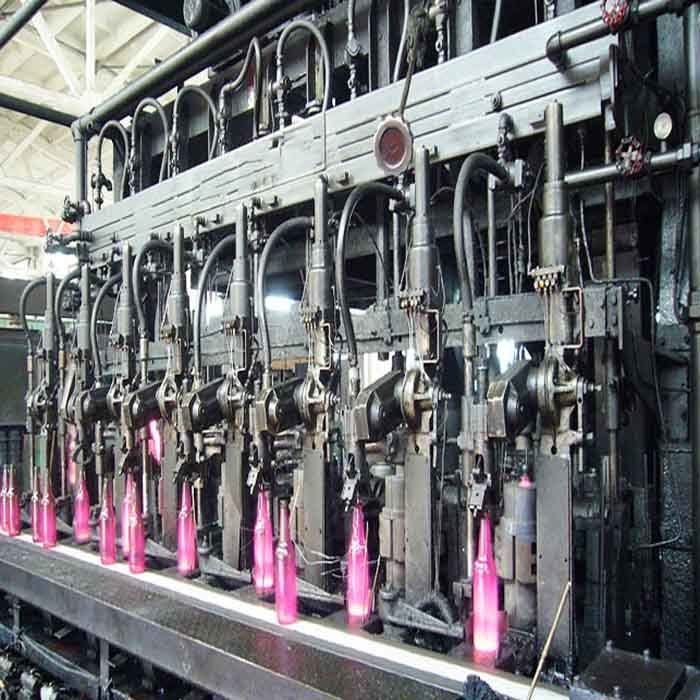
The cavity number determines the number of bottles produced per cycle and directly impacts production capacity. Select the cavity number based on your output requirements, available floor space, and budget. Common configurations include 1-cavity (for prototyping or low-volume production), 2–4 cavities (medium-scale operations), and 6–16+ cavities (high-volume manufacturing). Higher cavity machines increase output but require larger molds, more robust auxiliary systems, and greater initial investment. Ensure your chosen machine’s locking force is sufficient to accommodate the selected cavity count.
Volumenbereich der Flasche
The machine must support the desired bottle volume range, typically defined by the mold design and preform size. Most stretch blow molding machines handle volumes from 100 ml up to 5 liters. Confirm that the machine’s stretch rod travel, mold base dimensions, and parison control system are compatible with your target bottle sizes. Machines are often optimized for specific ranges (e.g., small PET bottles vs. large jugs), so select a model that covers your primary production needs with minimal reconfiguration.
Kompatibilität der Vorformlinge
Ensure the machine is compatible with the preform type, size, and material you intend to use. Key compatibility factors include preform neck finish (e.g., PCO 1881, 38 mm), overall length, and wall thickness. The machine’s preform loading system (top or bottom entry), preform heater design (infrared or lamp type), and gripping mechanism must match your preform specifications. Verify that the heater can uniformly warm the preform across varying wall thicknesses to ensure consistent bottle quality.
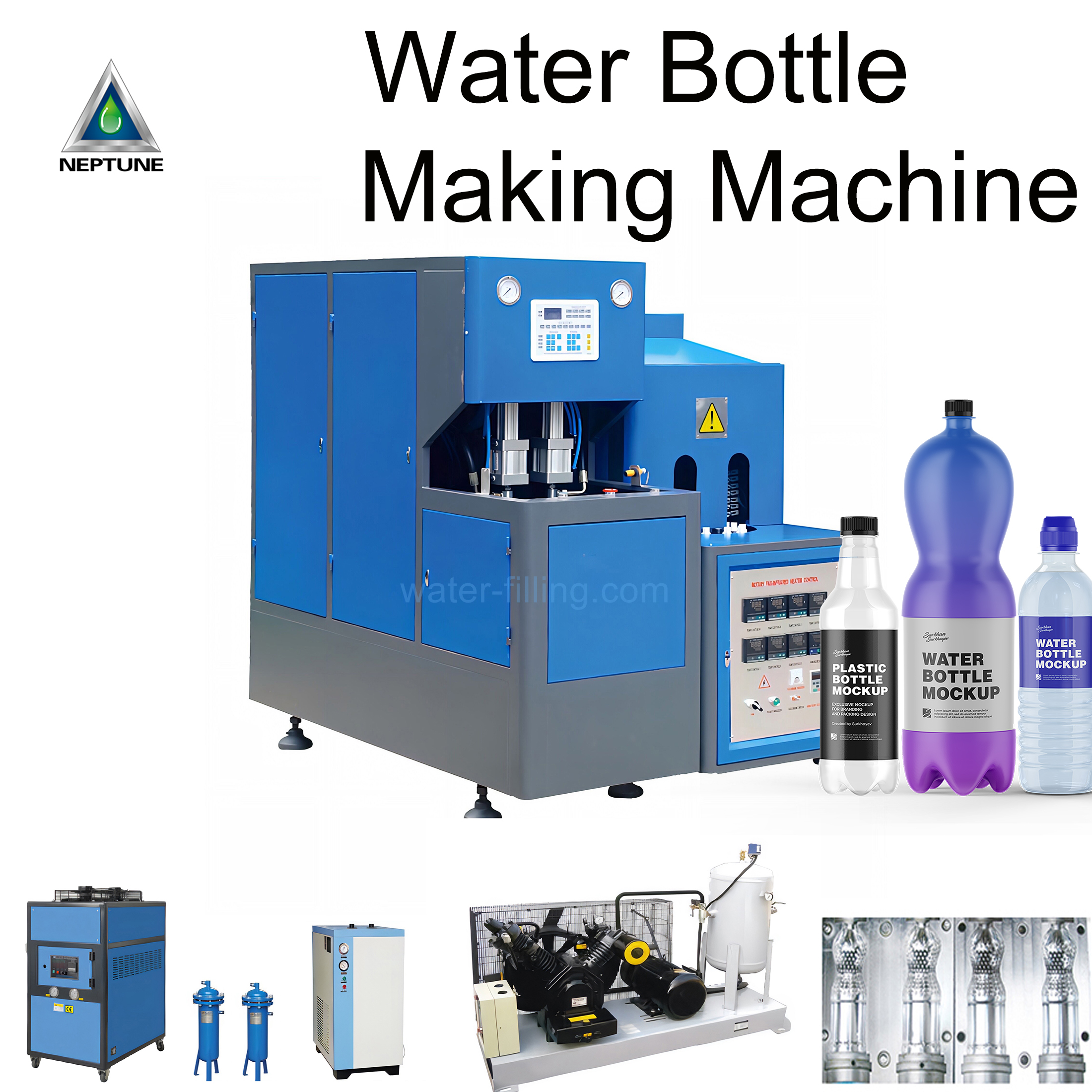
Zusatzausrüstung (Kompressor/Kühlgerät)
Auxiliary systems are critical for stable machine operation and bottle quality:
- Compressor: Provides high-pressure air (typically 25–40 bar) for bottle blowing. Required capacity depends on cavity count and cycle time. A dry, oil-free compressor is essential to prevent contamination. Sizing should account for peak demand and include air storage to buffer pressure fluctuations.
- Kühler: Cools molds and machine components to maintain dimensional stability and cycle consistency. Cooling capacity (measured in kW or tons of refrigeration) should match mold surface area and production speed. Use a closed-loop chiller with precise temperature control (±1°C) for optimal performance.
Ensure both systems are properly sized, installed, and maintained to support continuous production and maximize bottle quality.
In conclusion, sourcing a bottle making machine from China offers a compelling combination of advanced manufacturing capabilities, cost-efficiency, and technological innovation. However, to ensure long-term operational success and minimize downtime, it is essential to prioritize two critical factors: the Factory Acceptance Test (FAT) and reliable spare parts support. Conducting a thorough FAT before shipment allows buyers to verify the machine’s performance, quality, and compliance with technical specifications under real operating conditions, significantly reducing the risk of post-delivery issues. Equally important is establishing a clear agreement with the supplier for ongoing spare parts availability, technical documentation, and responsive after-sales service. A supplier who offers comprehensive FAT procedures and prompt spare parts delivery demonstrates commitment to quality and customer support, ensuring smooth integration and sustained productivity of the bottle making machine in your production line. By focusing on these key elements, sourcing from China can deliver not only immediate cost advantages but also long-term reliability and operational excellence.






