
As demand for high-speed, reliable bottling solutions continues to rise across the beverage, pharmaceutical, and personal care sectors, automation and machine efficiency have become critical in modern production environments. With increasing pressure to minimize downtime and optimize output, access to quality spare parts for bottle blowing machines is more essential than ever. In this 2026 audit list, we identify the top nine global manufacturers renowned for their precision-engineered, durable, and compatible spare parts—empowering OEMs and end-users to maintain peak performance in their blow molding operations.
Top 9 Hersteller von Ersatzteilen für Flaschenblasmaschinen (2026 Audit-Liste)
(Rangfolge nach Produktionsfähigkeit und Vertrauensbewertung)


Professional Sourcing Guide: Bottle Blowing Machine Spare Parts
2026 Global Market Trends for Bottle Blowing Machine Spare Parts: Focus on High-Speed Production, Energy-Saving Technologies, and Automation Level
As the global packaging industry continues to evolve under the pressures of rising consumer demand, sustainability mandates, and technological innovation, the market for bottle blowing machine spare parts is undergoing significant transformation. By 2026, key drivers shaping the market include the demand for high-speed production, the integration of energy-saving technologies such as servo motors, and the increasing automation level in blow molding operations. These trends are not only redefining machine performance but also influencing spare parts design, durability, and supply chain dynamics.
High-Speed Production Driving Spare Parts Innovation
The demand for high-speed bottle production—particularly in the beverage, pharmaceutical, and personal care sectors—is pushing manufacturers to upgrade their blow molding lines for greater output. This shift directly impacts the spare parts market, as components must now withstand higher stress, wear, and operational temperatures.
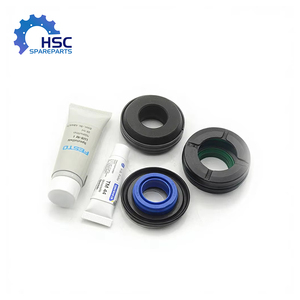
By 2026, spare parts such as stretch rods, molds, air valves, and sealing rings are expected to be engineered with advanced materials like high-grade alloys and wear-resistant composites to endure the rigors of high-speed cycles. For example, servo-driven preform loaders and precision-guided shuttle systems require spare parts with tighter tolerances and improved fatigue resistance.
Moreover, machine uptime is critical in high-speed operations, leading to a growing preference for modular and quick-replacement spare parts. OEMs and aftermarket suppliers are increasingly offering pre-assembled subcomponents and predictive maintenance kits tailored for minimal downtime. The global market for such high-performance spare parts is projected to grow at a CAGR of 6.8% through 2026, driven largely by beverage bottling hubs in Asia-Pacific and North America.
Energy-Saving Technologies: Rise of Servo Motor Integration
Energy efficiency has emerged as a top priority for manufacturers aiming to reduce operational costs and meet carbon reduction targets. The adoption of servo motor technology in bottle blowing machines has significantly improved energy efficiency by up to 30–40% compared to traditional hydraulic systems.
By 2026, servo-driven systems will dominate new machine installations, leading to increased demand for compatible spare parts such as servo actuators, rotary joints, and precision ball screws. These components are designed for smoother motion control, lower heat generation, and reduced mechanical losses—factors that extend component lifespan and reduce replacement frequency.
However, the complexity of servo systems also demands higher precision in spare parts manufacturing. Suppliers are investing in digital twin simulations and CNC-machined components to ensure compatibility and reliability. The aftermarket for servo-specific spare parts is expected to grow rapidly, particularly in regions with stringent energy regulations like the European Union and Japan.
Additionally, retrofitting older hydraulic machines with servo technology is creating a niche demand for hybrid-compatible spare parts. This trend supports circular economy principles and extends machine lifecycles, further boosting the spare parts segment.
Increasing Automation Level Reshaping Spare Parts Demand
Automation in bottle blowing lines—encompassing robotic handling, AI-based quality inspection, and IoT-enabled predictive maintenance—is transforming the operational landscape. By 2026, fully integrated smart factories are expected to become more prevalent, especially among large beverage and pharmaceutical producers.
This shift toward automation increases reliance on electronic and sensor-based spare parts such as proximity sensors, servo controllers, HMI panels, and communication modules. These components are more susceptible to environmental factors and require robust design for long-term reliability.
Predictive maintenance, powered by machine learning algorithms, is reducing unplanned downtime and enabling just-in-time spare parts delivery. As a result, suppliers are leveraging IoT platforms to track component usage and offer data-driven replacement recommendations. This model favors high-quality, certified spare parts over generic alternatives, reinforcing the growth of OEM and authorized aftermarket channels.
Furthermore, automation demands tighter integration between mechanical and electronic systems, leading to a rise in smart spare parts—components embedded with sensors to monitor wear, temperature, and performance. The market for such intelligent spare parts is anticipated to grow by over 9% annually through 2026.
Schlussfolgerung
By 2026, the global market for bottle blowing machine spare parts will be shaped by the confluence of high-speed production demands, energy-saving servo technologies, and advanced automation systems. These trends are driving innovation in material science, precision engineering, and digital integration across the spare parts ecosystem. Manufacturers and suppliers who align with these technological shifts—offering durable, energy-efficient, and smart-compatible components—will be best positioned to capture growth in this evolving market.
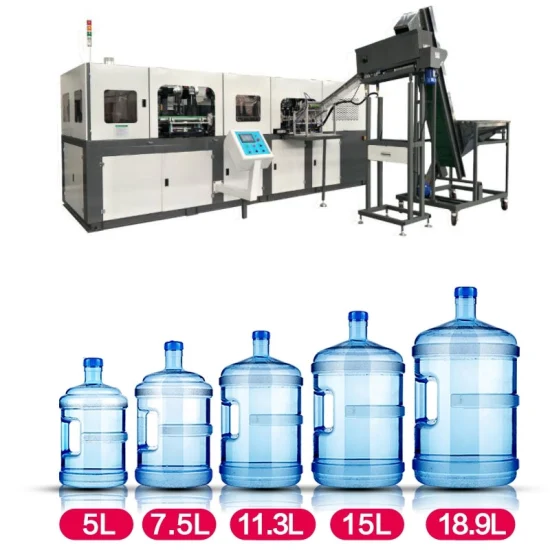
Key Quality Verification Points for Bottle Blowing Machine Spare Parts Manufacturers
When evaluating a manufacturer of spare parts for bottle blowing machines, focusing on specific technical and operational factors ensures reliability, performance, and long-term cost efficiency. Below are critical check points to verify quality:
Material der Form (Aluminium vs. Stahl)
The choice of mold material significantly impacts durability, production speed, and part quality. Verify:
- Material Specification: Confirm whether molds are made from high-grade aluminum (e.g., 7075-T6) for lightweight, fast cooling applications, or hardened tool steel (e.g., H13 or P20) for high-volume, long-life production.
- Surface Finish & Hardness: Check surface treatment (e.g., chrome plating, nitriding) and hardness ratings to ensure resistance to wear and corrosion.
- Feinmechanische Bearbeitung: Inspect for dimensional accuracy and consistency using CNC machining reports or coordinate measuring machine (CMM) data.
- Application Suitability: Ensure the material matches your production needs—aluminum for rapid prototyping or low-volume runs, steel for high-cycle industrial use.
PLC-Marke (Siemens vs. Mitsubishi)
The Programmable Logic Controller (PLC) is critical for machine automation, reliability, and integration. Assess:
- Original Brand Certification: Request documentation proving genuine Siemens or Mitsubishi PLC units (e.g., serial number verification, warranty cards).
- Software & Firmware Version: Confirm compatibility with current industry standards and availability of technical support.
- System Integration: Evaluate how seamlessly the PLC integrates with other machine components and supports diagnostics, remote monitoring, and updates.
- User Interface (HMI): Check if the HMI is from the same reputable brand for better reliability and ease of troubleshooting.
Zykluszeit-Effizienz
Cycle time directly affects production throughput and operational cost. Validate:
- Stated vs. Actual Performance: Request test reports or video demonstrations showing real-world cycle times under standard operating conditions.
- Consistency Over Time: Inquire about performance data over extended runs (e.g., 8–24 hours) to assess stability and heat management.
- Energy Consumption: Evaluate energy efficiency per cycle, as shorter cycle times should not compromise power usage or part quality.
- Comparative Benchmarking: Compare the manufacturer’s cycle time data with industry standards for similar machine configurations.
Verfügbarkeit von Ersatzteilen
Reliable access to spare parts minimizes downtime and maintenance costs. Investigate:
- Inventory Stock Levels: Confirm the manufacturer maintains a readily available stock of critical spare parts (e.g., sealing rings, stretch rods, valves).
- Lead Time for Delivery: Obtain written guarantees on delivery timelines for common and customized components.
- Global Distribution Network: Check if the supplier has regional warehouses or partners for faster service in your location.
- Documentation & Compatibility: Ensure parts come with detailed specs, installation guides, and are backward-compatible with existing machine models.
By rigorously evaluating these four key areas—Mold Material, PLC Brand, Cycle Time Efficiency, and Spare Parts Availability—you can confidently select a high-quality, dependable manufacturer for bottle blowing machine spare parts.
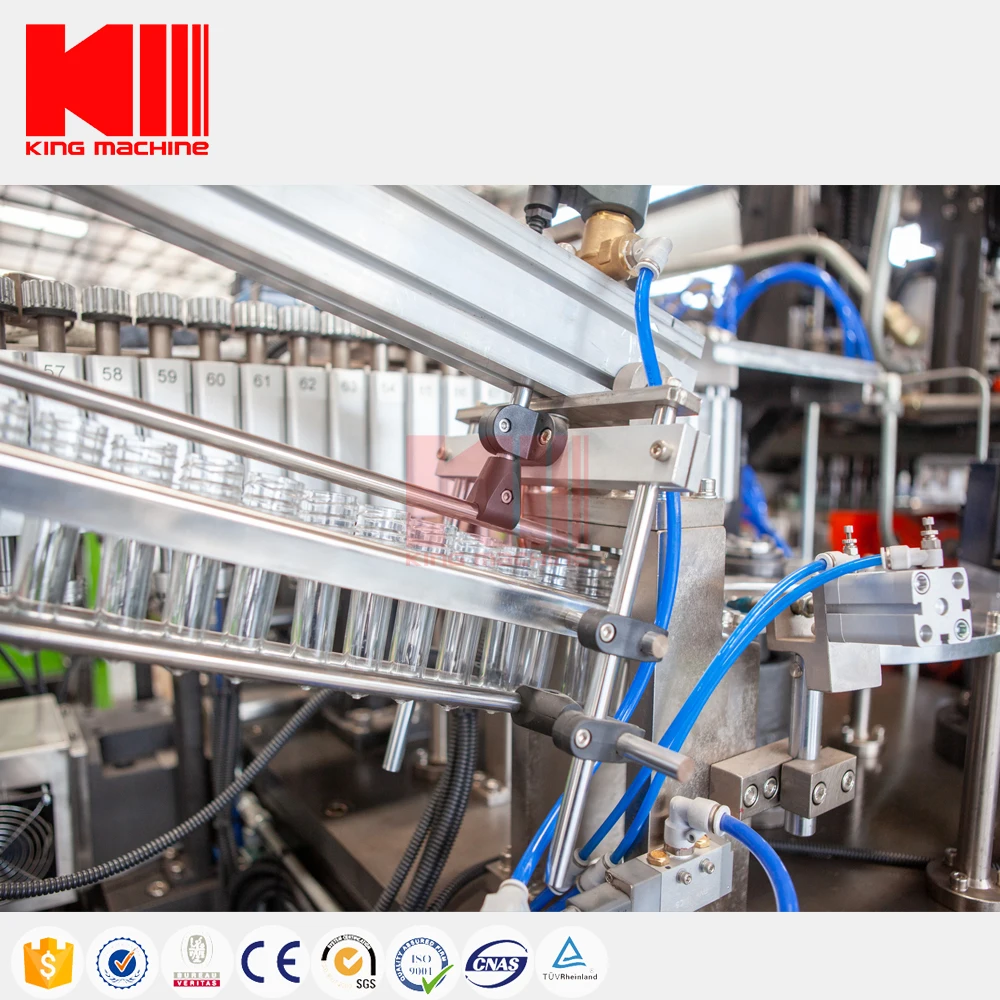
Configuration Guide for Bottle Blowing Machine Spare Parts
Auswahl der Hohlraumnummer
The cavity number refers to the number of bottles the machine can produce in one blow cycle. Selecting the appropriate cavity number depends on production requirements and available space:
- Einzelne Kavität (1-Kavität): Ideal for small-scale production, prototyping, or R&D applications. Offers high flexibility and low initial investment.
- Multi-Cavity (2 to 32+ cavities): Suitable for medium to high-volume production. Higher cavity counts increase output but require more floor space, energy, and maintenance.
- Erwägungen: Match cavity count with downstream packaging capabilities (e.g., labelers, fillers). Ensure spare parts (stretch rods, high-pressure valves, etc.) are available per cavity.
Volumenbereich der Flasche
The machine must support the desired bottle capacity, typically measured in milliliters (ml) or liters (L):
- Standardbereich: Most machines handle volumes from 100 ml to 5 liters.
- Custom Configurations: Special molds and programming may be needed for volumes outside the standard range.
- Key Spare Parts Affected: Mold sets (neck rings, body molds, base molds), stretch rod length, and blow pin dimensions must match the bottle volume. Verify compatibility when ordering spares.
Kompatibilität der Vorformlinge
Preforms are the test-tube-shaped PET blanks used in the blow molding process. Compatibility ensures proper feeding, heating, and blowing:
- Hals-Finish: Must match the mold’s neck ring (e.g., 28mm PCO, 38mm, 1881 standard). Check spare neck rings for correct threading and sealing dimensions.
- Preform Length and Weight: Machine grippers and heating ovens are designed for specific preform lengths and weights (e.g., 18g to 35g). Ensure spare parts like gripper fingers and oven quartz tubes are compatible.
- Materialtyp: Confirm compatibility with PET, rPET, or specialty resins, as heating profiles and blow pressures may vary.
Hilfseinrichtungen: Kompressor und Kältemaschine
Compressor Requirements
High-pressure air is essential for blowing bottles into molds:
- Air Pressure: Typically 25–40 bar, depending on bottle design and wall thickness.
- Luftstrom: Must meet CFM (cubic feet per minute) requirements based on cavity count and cycle time.
- Luftqualität: Oil-free, dry air is critical to prevent contamination and valve damage. Use coalescing filters and dryers.
- Spare Parts Consideration: Maintain spares for air filters, pressure regulators, and high-pressure seals used in the blowing system.
Chiller Requirements
Cooling is vital for mold temperature control and cycle efficiency:
- Kühlleistung: Measured in kW or tons of refrigeration; depends on cavity count and production speed.
- Water Temperature: Typically maintained between 8°C and 12°C for optimal mold cooling.
- Wasserqualität: Use clean, deionized or soft water to prevent scaling in mold cooling channels.
- Spare Parts Consideration: Keep spare water connectors, hoses, flow sensors, and mold cooling inserts on hand to minimize downtime.
Ensure all auxiliary equipment is properly sized and integrated with the blowing machine for reliable operation and long-term spare part availability.
In conclusion, sourcing bottle blowing machine spare parts from China offers a compelling combination of cost-efficiency, high manufacturing standards, and access to a vast network of experienced suppliers. However, to ensure long-term reliability and optimal machine performance, it is essential to prioritize suppliers who conduct a thorough Factory Acceptance Test (FAT). The FAT serves as a critical quality assurance step, verifying that spare parts meet precise technical specifications and are fully compatible with existing systems before shipment, thereby minimizing operational downtime and costly post-installation issues.
Equally important is robust spare parts support, including readily available inventory, responsive customer service, and technical documentation. Partnering with Chinese manufacturers who offer comprehensive after-sales service and long-term spare parts availability ensures seamless maintenance and scalability for your production needs. By emphasizing both FAT compliance and reliable spare parts support, businesses can confidently leverage China’s manufacturing capabilities while maintaining high standards of quality, efficiency, and operational continuity.






