
With rising global demand for high-speed, energy-efficient bottling solutions, manufacturers are increasingly prioritizing automation and precision in their production lines. As sustainability and output capacity drive industry innovation, selecting the right bottle blower partner has become critical for beverage, pharmaceutical, and consumer goods producers. This 2026 audit identifies the top seven bottle blower manufacturers excelling in technological advancement, reliability, and scalable automation—key considerations for businesses optimizing their bottling operations in a competitive market.
Top 7 Bottle Blower Manufacturers (2026 Audit List)
(Rangfolge nach Produktionsfähigkeit und Vertrauensbewertung)
Professional Sourcing Guide: Bottle Blower
2026 Global Market Trends for Bottle Blowers: High Speed Production, Energy Saving Technologies, and Automation
High Speed Production Driving Market Expansion
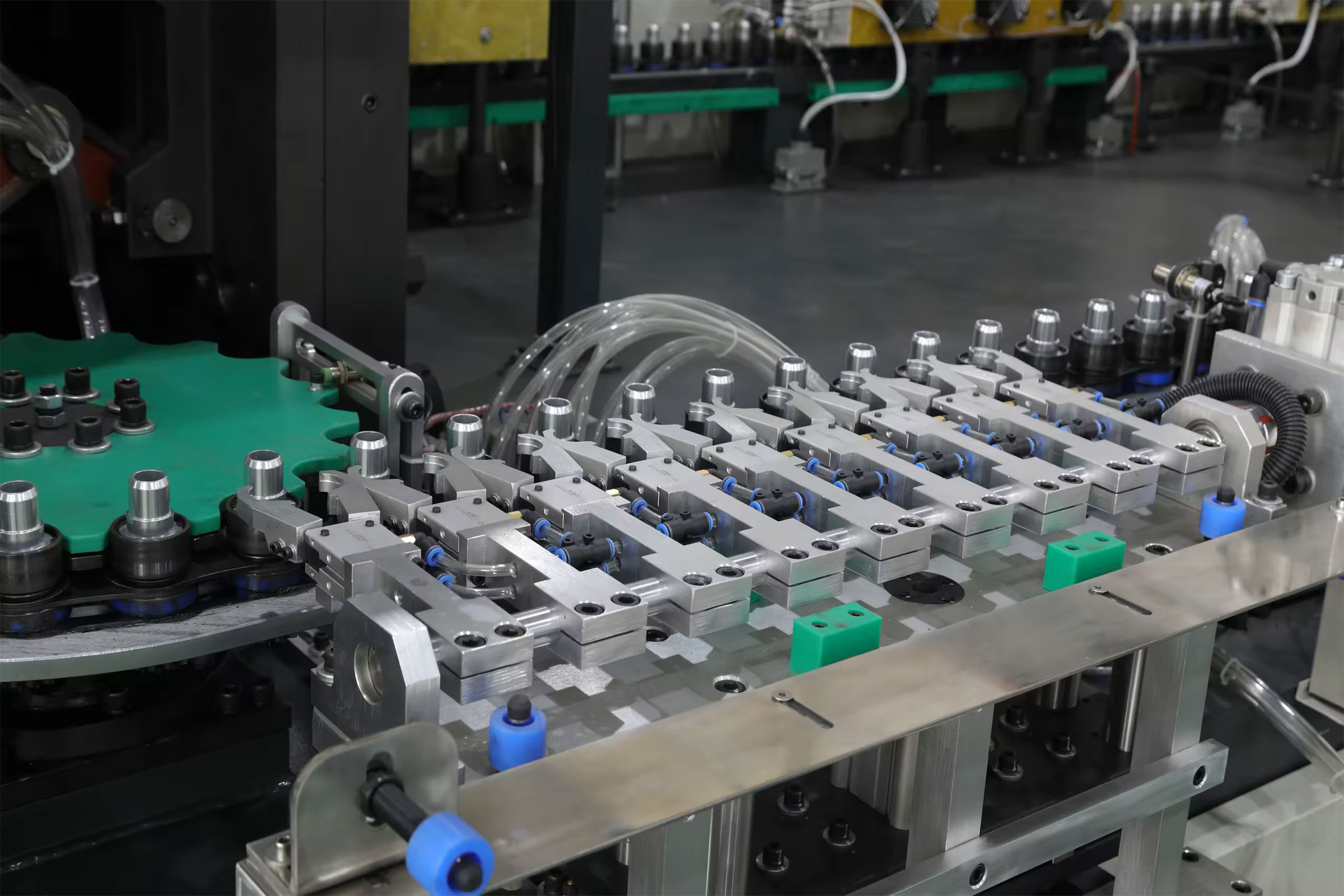
The global bottle blower market is projected to experience significant growth by 2026, largely fueled by the rising demand for high-speed production capabilities. As consumer goods, beverage, and pharmaceutical industries face increasing pressure to meet global supply chain demands, manufacturers are investing heavily in advanced bottle blowing systems capable of producing tens of thousands of containers per hour.
High-speed rotary stretch blow molding machines dominate this trend, with leading manufacturers such as Sidel, Krones, and SIPA introducing models capable of exceeding 70,000 bottles per hour for PET containers. These systems utilize multi-cavity molds, rapid cooling technologies, and optimized preform handling to maximize throughput. The shift toward lightweight packaging and on-the-go consumption patterns further amplifies the need for scalable, high-output solutions.
By 2026, emerging markets in Southeast Asia, Africa, and Latin America are expected to represent key growth regions, where expanding middle-class populations are driving beverage and packaged goods consumption. Bottling lines in these regions are increasingly adopting high-speed blowers to improve competitiveness and reduce unit production costs.
Adoption of Energy Saving Technologies: The Rise of Servo Motors
Energy efficiency has become a critical differentiator in the bottle blower market, with servo motor technology playing a central role in reducing operational costs and environmental impact. Unlike traditional hydraulic systems, servo-driven blowers offer precise control over each axis of motion—stretch rod movement, mold closing, and air pressure regulation—leading to energy savings of up to 40–50%.
By 2026, the integration of servo motors is expected to become standard across mid-to-high-end bottle blowing systems. This shift is driven by both regulatory pressures (such as carbon emissions targets in the EU and China) and corporate sustainability goals. Companies like KHS and BEGEROW have already launched fully electric servo models that eliminate hydraulic oil and reduce maintenance needs, while improving repeatability and process control.
Additionally, advancements in servo technology now allow for adaptive energy usage based on production load, further enhancing efficiency during partial-capacity runs. The convergence of servo motors with smart sensors and IoT platforms enables real-time monitoring of energy consumption, supporting predictive maintenance and dynamic optimization.
Advancement in Automation Level: Towards Smart Blowing Systems
Automation in bottle blowing is rapidly evolving beyond basic robotic handling to encompass full digital integration and Industry 4.0 principles. By 2026, the market will see widespread deployment of highly automated blowing lines featuring robotic preform loading, automatic mold change systems, inline quality inspection, and AI-driven process optimization.
Leading manufacturers are embedding machine learning algorithms into control systems to detect anomalies in bottle wall thickness, stress points, or dimensional deviations in real time. Automated vision systems, coupled with robotic rejection mechanisms, ensure consistent product quality while minimizing waste.
Moreover, seamless connectivity between blowers, fillers, and cappers via centralized SCADA or MES platforms enables end-to-end line synchronization and remote monitoring. Cloud-based analytics allow operators to benchmark performance across multiple facilities and implement predictive maintenance schedules, reducing unplanned downtime.
The integration of collaborative robots (cobots) for mold changes and maintenance tasks further enhances operational flexibility, particularly in facilities producing multiple bottle formats. As labor costs rise and skilled technician shortages persist, especially in developed economies, the push for full automation will accelerate, making semi-automated lines increasingly obsolete.
In conclusion, by 2026, the global bottle blower market will be defined by the convergence of high-speed production, servo-driven energy efficiency, and advanced automation. These trends are not only improving productivity and sustainability but are also redefining competitiveness in the packaging industry.
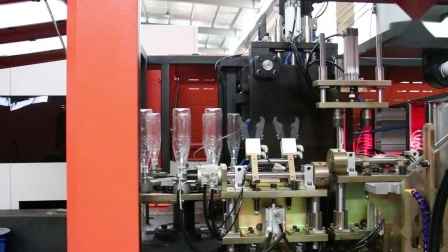
Key Quality Verification Points for Bottle Blower Manufacturers
When evaluating the quality of a bottle blower manufacturer, focus on the following critical check points to ensure reliability, performance, and long-term operational efficiency.
Material der Form (Aluminium vs. Stahl)
- Stahlformen: Preferred for high-volume production due to superior durability, heat resistance, and longevity. Verify that the manufacturer uses high-grade tool steel (e.g., P20, H13) for molds, especially for PET applications requiring precise temperature control and consistent blow pressure.
- Aluminium-Formen: Typically used for prototypes or low-volume runs due to faster cooling and lower cost. Confirm that aluminum molds are an option only when justified by application needs, as they wear faster and may compromise long-term quality.
- Inspection Tip: Request material certification (e.g., mill test reports) and inspect surface finish and cooling channel design to ensure uniform heating/cooling and minimize cycle time.
PLC-Marke (Siemens vs. Mitsubishi)
- Siemens PLC: Known for robust performance, excellent diagnostics, and strong integration with industrial networks. Confirm the use of genuine Siemens S7 series (e.g., S7-1200 or S7-1500) for reliable automation control and ease of maintenance.
- Mitsubishi PLC: Offers high-speed processing and strong support in Asia. Ensure the model (e.g., FX or Q Series) matches your production needs and is supported with local technical service.
- Verification Step: Ask for PLC model numbers, firmware versions, and check for original product labels. Evaluate the HMI interface for user-friendliness and remote monitoring capabilities.
Zykluszeit-Effizienz
- Benchmark-Leistung: Compare the manufacturer’s stated cycle time (e.g., bottles per minute) with industry standards for similar bottle sizes and output. High-efficiency blowers typically achieve 10–15 seconds per cycle for standard 0.5L PET bottles.
- Consistency and Repeatability: Request a live demonstration or video of continuous operation to verify stable cycle times over extended runs. Fluctuations may indicate poor system integration or subpar components.
- Energy Use: Evaluate air pressure, compressor efficiency, and preform heating uniformity, as these directly impact cycle time and bottle quality.
Verfügbarkeit von Ersatzteilen
- Lokales Inventar: Confirm whether the manufacturer maintains a local or regional warehouse with critical spare parts (sealing rings, stretch rods, valves, molds, sensors).
- Vorlaufzeit: Request a parts catalog with part numbers and standard lead times for delivery. Avoid suppliers with lead times exceeding 2–4 weeks for essential components.
- Support Documentation: Ensure they provide comprehensive maintenance manuals, exploded diagrams, and online support portals for easy part identification and ordering.
- Long-Term Commitment: Verify that the manufacturer guarantees spare parts availability for at least 10 years post-purchase, ensuring machine longevity.
By rigorously assessing these four areas—mold material, PLC brand, cycle time efficiency, and spare parts availability—you can confidently select a high-quality bottle blower manufacturer that meets your production and reliability requirements.
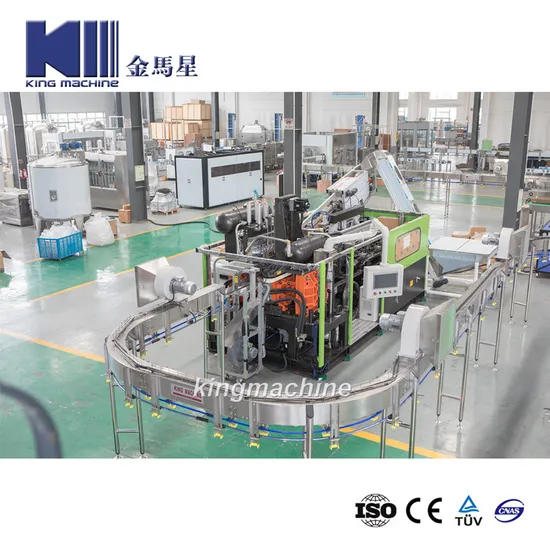
Configuration Guide for Bottle Blower
Auswahl der Hohlraumnummer
The cavity number of a bottle blower refers to the number of bottles produced per cycle and is a critical factor in determining production capacity. When selecting the appropriate cavity number, consider the following:
- Production Requirements: Match the cavity count to your desired output (bottles per hour). Common configurations include 1, 2, 4, 6, 8, 12, or 24 cavities. Higher cavity numbers increase output but also require larger machines and more auxiliary support.
- Bottle Size and Cycle Time: Larger bottles or complex designs may require longer cycle times, which can reduce overall output. In such cases, a higher cavity count may be needed to meet production targets.
- Floor Space and Budget: Higher cavity machines require more space and have higher initial costs. Evaluate available factory layout and capital investment limits.
- Flexibility Needs: Lower cavity machines (e.g., 1–4 cavities) offer greater flexibility for frequent changeovers and small batch production.
Empfehlung: For high-volume production of standard bottles (e.g., 500 ml PET), 12–24 cavity systems are ideal. For specialty or low-volume runs, 1–6 cavities are more suitable.
Volumenbereich der Flasche
The bottle blower must be capable of handling the required bottle sizes. Key considerations include:
- Minimum and Maximum Volume: Ensure the machine supports your target range (e.g., 100 ml to 2,000 ml). Some blowers are optimized for narrow ranges (e.g., 300–750 ml), while others offer broader adaptability.
- Stretch Rod and Mold Compatibility: Different volumes may require specific stretch rods and mold configurations. Verify that the machine can accommodate adjustments or tooling changes.
- Wall Thickness Control: Larger bottles may require precise control over material distribution to maintain structural integrity and reduce weight.
Tipp: Select a machine with a volume range that covers both current and anticipated future product lines to maximize ROI.
Kompatibilität der Vorformlinge
Preform compatibility ensures proper feeding, heating, and blowing of the PET preform into the final bottle. Consider the following:
- Vorgeformter Halsabschluss: Match the preform’s neck size and thread type (e.g., 28mm PCO, 38mm, 1881) with the machine’s neck mold and handling system.
- Preform Dimensions: Confirm that the preform length, body diameter, and weight are within the machine’s specifications. Mismatches can lead to feeding issues or poor blowing results.
- Preform Supplier Standards: Use preforms from reputable suppliers that meet ISO or industry standards for consistency in crystallinity and intrinsic viscosity (IV).
- Kompatibilität der Heizsysteme: Infrared oven settings must be adjustable to suit different preform wall thicknesses and colors (e.g., clear, green, or colored preforms absorb heat differently).
Best Practice: Conduct trial runs with actual preforms before full-scale production to validate compatibility.
Zusatzausrüstung (Kompressor/Kühlgerät)
Auxiliary systems are essential for stable and efficient operation of the bottle blower:
Luftkompressor
- Purpose: Supplies high-pressure air (typically 25–40 bar) for bottle blowing.
- Spezifikationen:
- Required airflow (CFM or m³/min) depends on cavity count and cycle time.
- Use oil-free compressors to prevent contamination of the PET material.
- Include air dryers and filters to ensure clean, dry air.
- Sizing Tip: For a 12-cavity machine producing 1L bottles at 10 cycles/min, a 100–150 CFM oil-free compressor is typically required.
Kühler
- Purpose: Cools molds and sometimes the preform oven to maintain consistent temperature and cycle times.
- Spezifikationen:
- Cooling capacity (in kW or tons) should match heat load from molds and process.
- Use closed-loop chillers with precise temperature control (±1°C).
- Ensure compatibility with coolant type (usually water-glycol mix).
- Sizing Tip: Larger cavity machines or high-speed operations generate more heat—oversizing the chiller by 10–20% ensures reliability.
Integration Note: Ensure all auxiliary equipment is synchronized with the blower’s control system for automated startup, shutdown, and fault monitoring.
By carefully configuring these four elements—cavity number, bottle volume range, preform compatibility, and auxiliary equipment—you can optimize performance, efficiency, and product quality in your bottle blowing operation.
In conclusion, sourcing bottle blowers from China offers a compelling combination of advanced manufacturing capabilities, competitive pricing, and access to innovative technology. However, ensuring long-term operational efficiency and minimizing downtime requires a strategic focus on critical post-purchase support elements. Conducting a thorough Factory Acceptance Test (FAT) prior to shipment is essential to verify that the machine meets all technical specifications, performance standards, and quality requirements. The FAT serves as a critical checkpoint, allowing buyers to identify and rectify potential issues early, ensuring the equipment is fully functional and aligned with production needs before it leaves the factory.
Equally important is securing reliable spare parts support. Given the continuous operation demands of bottle blowing lines, access to genuine, readily available spare parts is vital to maintain uptime and extend the machine’s service life. Partnering with Chinese suppliers who offer comprehensive spare parts packages, clear documentation, and responsive after-sales service significantly reduces maintenance risks and operational disruptions.
Ultimately, successful sourcing from China hinges not only on initial cost advantages but also on selecting suppliers committed to transparency, quality assurance through FAT, and robust spare parts availability. By prioritizing these factors, businesses can maximize return on investment, ensure production reliability, and build a sustainable supply chain partnership.






