
With India’s packaged water industry expanding at a robust CAGR of over 12%, demand for efficient, high-capacity water bottle making machines has surged. As manufacturers increasingly prioritize automation, precision, and energy efficiency, sourcing from reliable suppliers has become critical. This 2026 audit identifies the top 10 water bottle making machine manufacturers in India, offering competitive pricing, advanced technology, and proven performance to meet evolving production needs across the beverage and mineral water sectors.
Top 10 Water Bottle Making Machine Price In India Manufacturers (2026 Audit List)
(Ranked by Production Capability & Trust Score)
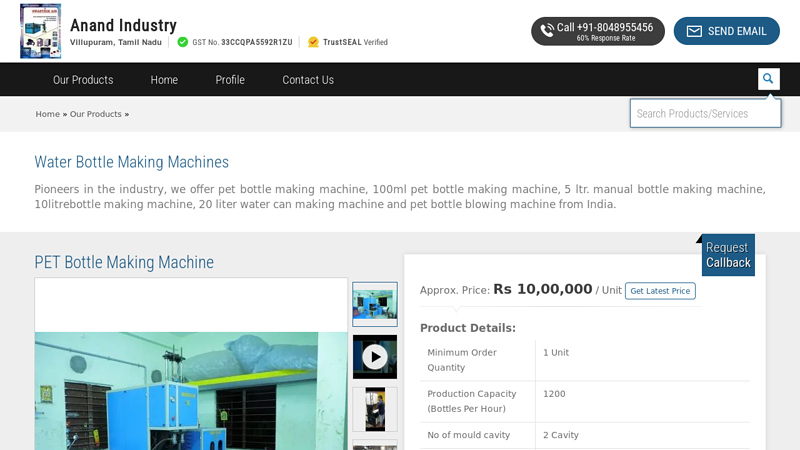
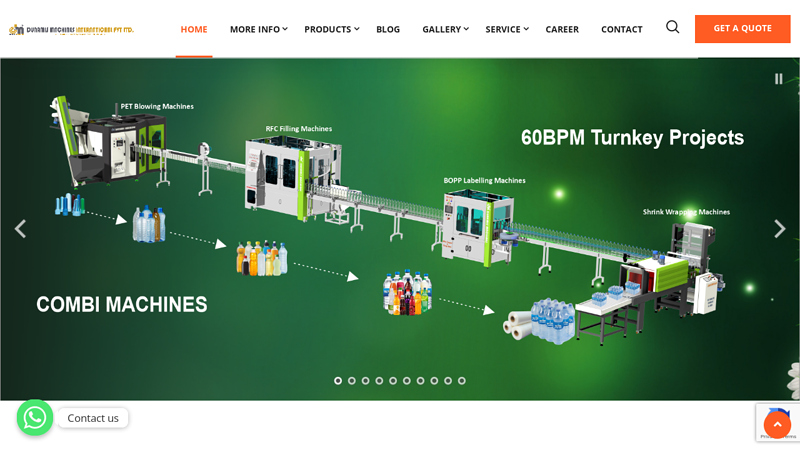
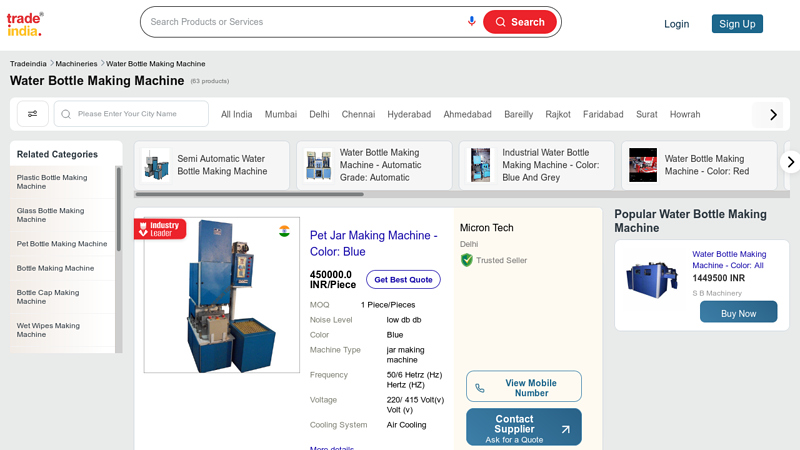
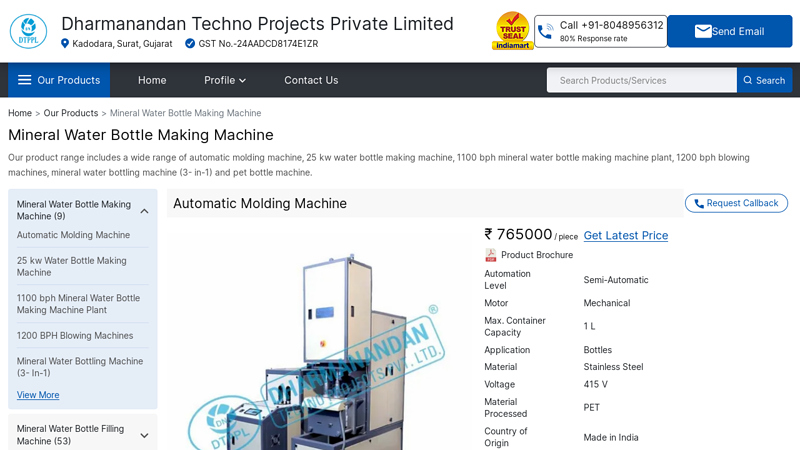
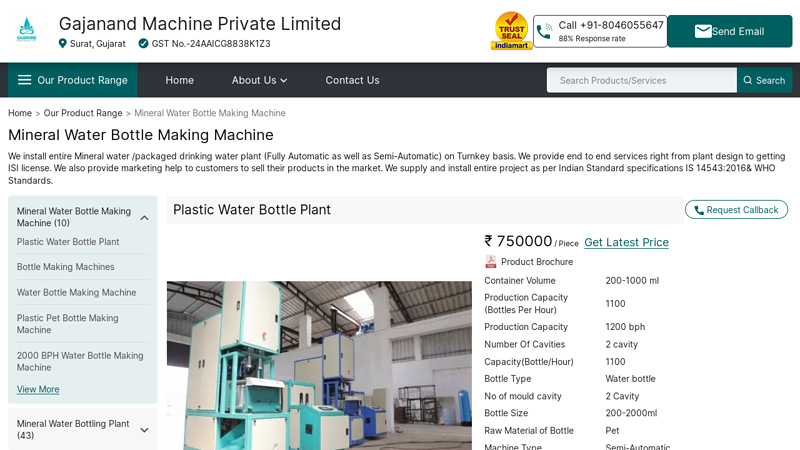
Professional Sourcing Guide: Water Bottle Making Machine Price In India
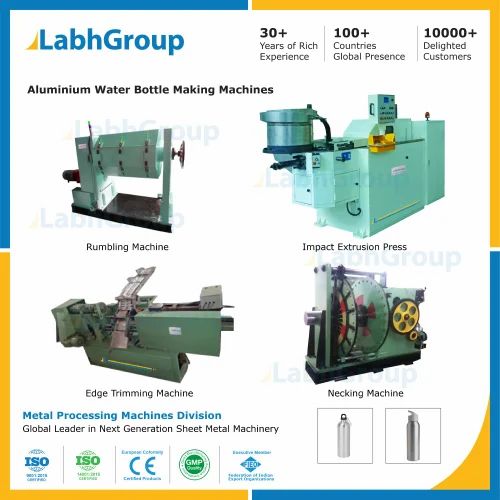
2026 Global Market Trends: Water Bottle Making Machine Price in India – Focus on High-Speed Production, Energy Saving (Servo Motor), and Automation Level
High-Speed Production Driving Demand and Pricing Dynamics
In 2026, the Indian market for water bottle making machines is witnessing a significant shift toward high-speed production systems, directly influencing machine pricing and adoption patterns. As urbanization and consumer demand for packaged drinking water continue to surge, manufacturers are investing in high-output stretch blow molding machines capable of producing 10,000 to 30,000 bottles per hour. These high-speed machines command premium prices—ranging from INR 35 lakh to over INR 1.5 crore—depending on output capacity, configuration, and brand origin.
The demand for speed is not only driven by volume needs but also by the need for operational efficiency and reduced per-unit production costs. Domestic manufacturers such as KAT India, Tech-Long India, and local subsidiaries of international brands like Sidel and Krones are offering modular high-speed systems tailored for Indian SMEs. This has led to increased competition, slightly moderating price growth despite rising capabilities. However, the integration of advanced control systems for maintaining precision at high speeds contributes to the elevated cost structure.
Additionally, high-speed machines are increasingly being adopted by mid-tier bottling units entering organized retail and e-commerce distribution, further driving demand. The price premium is justified by faster ROI due to increased throughput, making high-speed systems a primary focus in capital investment decisions.
Energy Saving Technologies: Servo Motors Reshape Efficiency and Cost Models
Energy efficiency has become a critical factor in the 2026 Indian market, with servo motor-driven water bottle making machines gaining dominance over traditional hydraulic systems. Servo motor technology offers up to 40–50% reduction in energy consumption, a vital advantage in a country where power costs and sustainability regulations are tightening. As a result, machines equipped with servo-driven stretch rods, preform feeding, and mold closing mechanisms are becoming the norm, particularly among environmentally conscious and export-oriented producers.
The adoption of servo motors directly impacts machine pricing. On average, servo-based systems are priced 15–25% higher than their hydraulic counterparts. For example, a standard 6-cavity servo machine may cost INR 45–55 lakh, while a comparable hydraulic model is available for INR 35–42 lakh. However, the long-term savings in energy bills—often recovering the price differential within 18–24 months—make servo-driven machines increasingly cost-effective.
Government incentives under energy efficiency programs like Perform, Achieve and Trade (PAT) and EESL collaborations are accelerating this transition. Furthermore, Indian machine manufacturers are partnering with Japanese and European servo technology providers (e.g., Yaskawa, Mitsubishi) to localize production, which is expected to gradually reduce the price gap by 2026.
Automation Level: Smart Integration Elevates Machine Value and Pricing
By 2026, automation is no longer a luxury but a necessity in the Indian water bottle making machine market. Fully automated systems featuring robotic arm integration, AI-driven quality inspection, predictive maintenance, and IoT-enabled remote monitoring are setting new benchmarks in operational efficiency. These advanced automation features significantly influence machine pricing, with fully automated lines costing upwards of INR 1.2 crore, compared to semi-automated systems priced at INR 60–80 lakh.
Key automation trends include:
- Preform handling automation: Reduces labor dependency and contamination risks.
- In-line leak and volume testing: Ensures consistent product quality.
- Centralized SCADA systems: Enable real-time monitoring and data analytics for predictive maintenance.
Indian manufacturers are increasingly offering scalable automation packages—allowing customers to start with semi-automated systems and upgrade later. This modular approach is helping SMEs manage upfront costs while future-proofing their investments.
Moreover, Industry 4.0-ready machines are gaining traction among large beverage companies and contract manufacturers serving international brands. These systems, though pricier, reduce downtime, minimize waste, and improve traceability—factors that justify the higher price point in competitive markets.
Conclusion
In 2026, the price of water bottle making machines in India is being reshaped by three core technological drivers: high-speed production, servo-based energy-saving systems, and advanced automation. While these features increase initial costs, they deliver substantial long-term benefits in efficiency, sustainability, and competitiveness. As the Indian packaging industry evolves, the market is moving toward premium, intelligent machines that offer faster ROI, lower operating costs, and compliance with global standards—making technology-driven pricing a key market differentiator.
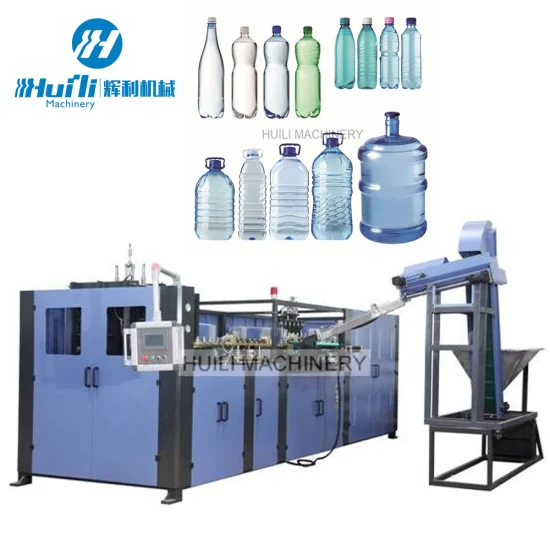
Key Quality Verification Points for Water Bottle Making Machine Manufacturers in India
When evaluating a water bottle making machine manufacturer in India based on price, it’s crucial to verify quality across critical technical and operational aspects. Here are the essential check points to ensure you’re getting value for your investment:
Mold Material (Aluminum vs. Steel)
The mold material directly impacts durability, production speed, and maintenance costs:
– Steel Molds: Preferred for high-volume production due to superior hardness, wear resistance, and longer lifespan. Suitable for long production runs and reduce downtime.
– Aluminum Molds: Lighter and offer faster cooling, leading to shorter cycle times, but are less durable and prone to wear over time.
– Verification Tip: Ask for mold material specifications and certifications. Insist on hardened tool steel (e.g., P20, H13) for molds, especially for high-output lines. Avoid manufacturers using aluminum for core/mold components in heavy-duty applications.
PLC Brand (Siemens vs. Mitsubishi)
The Programmable Logic Controller (PLC) governs machine automation, reliability, and ease of troubleshooting:
– Siemens & Mitsubishi: Industry-leading brands known for robust performance, user-friendly interfaces, and global technical support.
– Lower-Cost Alternatives: Some manufacturers may use generic or local PLCs to reduce price, which can lead to reliability issues and limited serviceability.
– Verification Tip: Confirm the exact PLC model and brand during a site visit or demo. Request software interface demos and verify availability of local technical support or service engineers for the specified brand.
Cycle Time Efficiency
Cycle time determines output capacity and overall machine productivity:
– Standard Benchmarks: Look for cycle times of 8–12 seconds per bottle for standard 20L jars, depending on design and configuration.
– Efficiency Indicators: Shorter, consistent cycle times indicate well-integrated mechanics, heating, and cooling systems.
– Verification Tip: Request a live production trial or video demonstration. Measure actual cycle time during operation and compare it with the manufacturer’s claims. Ask for production logs from existing clients.
Spare Parts Availability
Timely access to spare parts minimizes downtime and ensures long-term operability:
– Local Inventory: Reputable manufacturers maintain a stock of critical spare parts (heating elements, seals, ejector pins, sensors) in India.
– Supply Chain Reliability: Check if the manufacturer has a dedicated spare parts division or authorized distributors.
– Verification Tip: Ask for a list of commonly replaced parts and their average delivery time. Inquire about service contracts and whether parts are branded (OEM) or locally fabricated. Avoid suppliers who rely solely on overseas shipments for spares.
By rigorously verifying these four parameters—Mold Material, PLC Brand, Cycle Time Efficiency, and Spare Parts Availability—you can ensure that a lower-priced water bottle making machine from an Indian manufacturer does not compromise on quality, reliability, or long-term operational efficiency.
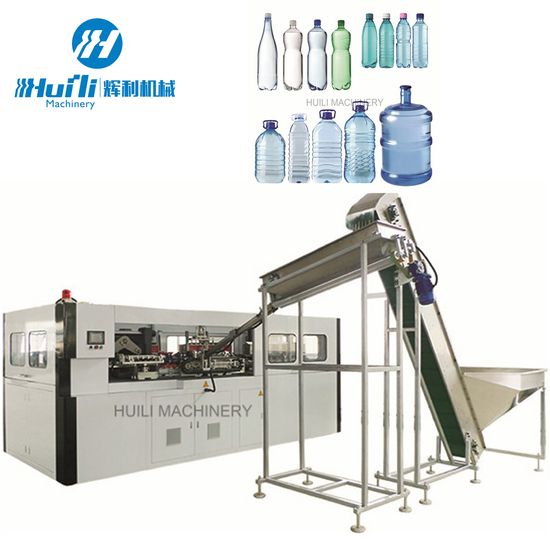
Water Bottle Making Machine Price In India: Key Configuration Guide
When evaluating water bottle making machine prices in India, the cost is heavily influenced by several technical and operational factors. Understanding these configurations ensures you select a machine that meets your production needs while optimizing investment. Below are the critical aspects to consider:
Cavity Number Selection
The cavity number refers to how many bottles the machine can produce in a single cycle. This is one of the most significant factors affecting both the machine’s output capacity and its price.
- Low Output (1–2 Cavities): Suitable for small-scale operations or startups. Machines in this range are more affordable, with prices starting from ₹8–12 lakhs.
- Medium Output (4–6 Cavities): Ideal for growing businesses targeting 5,000–15,000 bottles per hour. These machines typically cost between ₹18–35 lakhs.
- High Output (8–12+ Cavities): Designed for large-scale bottling plants requiring 20,000+ bottles per hour. Prices range from ₹45 lakhs to over ₹1 crore.
Higher cavity numbers increase machine cost but reduce per-unit production cost due to economies of scale. Choose based on your projected demand and production goals.
Bottle Volume Range
The machine must support the range of bottle sizes you plan to produce. Most machines are optimized for specific volume ranges.
- Standard Range: 300 ml to 2 liters is common for general water bottling. Machines configured for this range are widely available and competitively priced.
- Custom/Extended Range: If you require bottles below 300 ml (e.g., 200 ml) or above 2 liters (e.g., 5-liter jugs), customization is needed, increasing cost.
- Multi-Volume Capability: Some machines allow quick mold changes for different volumes. While this flexibility adds to the initial price, it improves long-term versatility.
Ensure the machine’s mold system supports your target bottle sizes without compromising cycle time or quality.
Preform Compatibility
Preforms are the plastic tubes that are heated and blown into bottles. Compatibility with standard PET preforms is essential.
- Standard Neck Finish: Most machines support 28mm, 30mm, or 38mm PCO (Plastic Closure for Packaging) neck finishes. Confirm compatibility with your preform supplier.
- Preform Weight Range: Machines are designed to handle preforms within a specific weight range (e.g., 18–30 grams). Using mismatched preforms affects bottle quality and machine efficiency.
- Supplier Flexibility: Choose a machine that works with preforms from multiple Indian suppliers (e.g., Jindal, Reliance) to avoid dependency and reduce costs.
Machines with broader preform compatibility offer better operational flexibility and may justify a slightly higher price.
Auxiliary Equipment (Compressor & Chiller)
Auxiliary systems are critical for stable and efficient operation. They are often not included in the base machine price but significantly impact total investment.
- Air Compressor:
- Required to supply high-pressure air (25–40 bar) for the blowing process.
- A 10–25 HP oil-free compressor is typically needed, costing ₹3–8 lakhs.
- Oil-free compressors are essential to prevent contamination of bottles.
- Chiller / Cooling System:
- Maintains optimal mold temperature for consistent bottle quality and cycle speed.
- A 5–15 TR (ton refrigeration) chiller is common, priced between ₹4–10 lakhs depending on capacity.
- Water-cooled chillers are more efficient but require cooling towers; air-cooled are easier to install.
Total Auxiliary Cost: Expect to spend an additional ₹7–18 lakhs on compressor and chiller setups. Budgeting for high-quality auxiliary equipment prevents downtime and ensures smooth production.
Conclusion
When comparing water bottle making machine prices in India, focus on total cost of ownership rather than just the base price. Selecting the right cavity number, bottle volume range, preform compatibility, and reliable auxiliary systems ensures efficient, scalable, and cost-effective production. Always consult with suppliers for customized quotes based on your specific requirements.
In conclusion, sourcing a water bottle making machine from China to India presents a compelling opportunity to acquire advanced, cost-effective manufacturing solutions. However, to ensure long-term operational efficiency and minimize downtime, it is crucial to prioritize suppliers who offer a comprehensive Factory Acceptance Test (FAT) before shipment. The FAT guarantees that the machine meets all technical specifications, operates at optimal performance levels, and complies with agreed quality standards—providing buyers with confidence and reducing the risk of post-installation issues. Additionally, strong spare parts support is essential for sustained production; therefore, partnering with a supplier that offers readily available, genuine spare parts and responsive after-sales service significantly enhances machine reliability and longevity. By focusing on these critical factors—FAT verification and dependable spare parts support—Indian manufacturers can ensure a smooth transition, maximize uptime, and achieve a higher return on investment when importing water bottle making machines from China.






