
As demand for sustainable, high-volume PET packaging continues to rise across the beverage, food, and personal care sectors, manufacturers are increasingly prioritizing efficiency, precision, and automation in their bottling lines. With rapid advancements in technology and growing pressure to reduce operational costs, sourcing the right PET bottle blowing machine has become a strategic imperative. This 2026 audit highlights the top nine manufacturers leading the industry in innovation, reliability, and integrated automation solutions—enabling producers to meet evolving market demands with confidence and scalability.
Top 9 Pet Bottle Blowing Machine Manufacturers (2026 Audit List)
(Ranked by Production Capability & Trust Score)
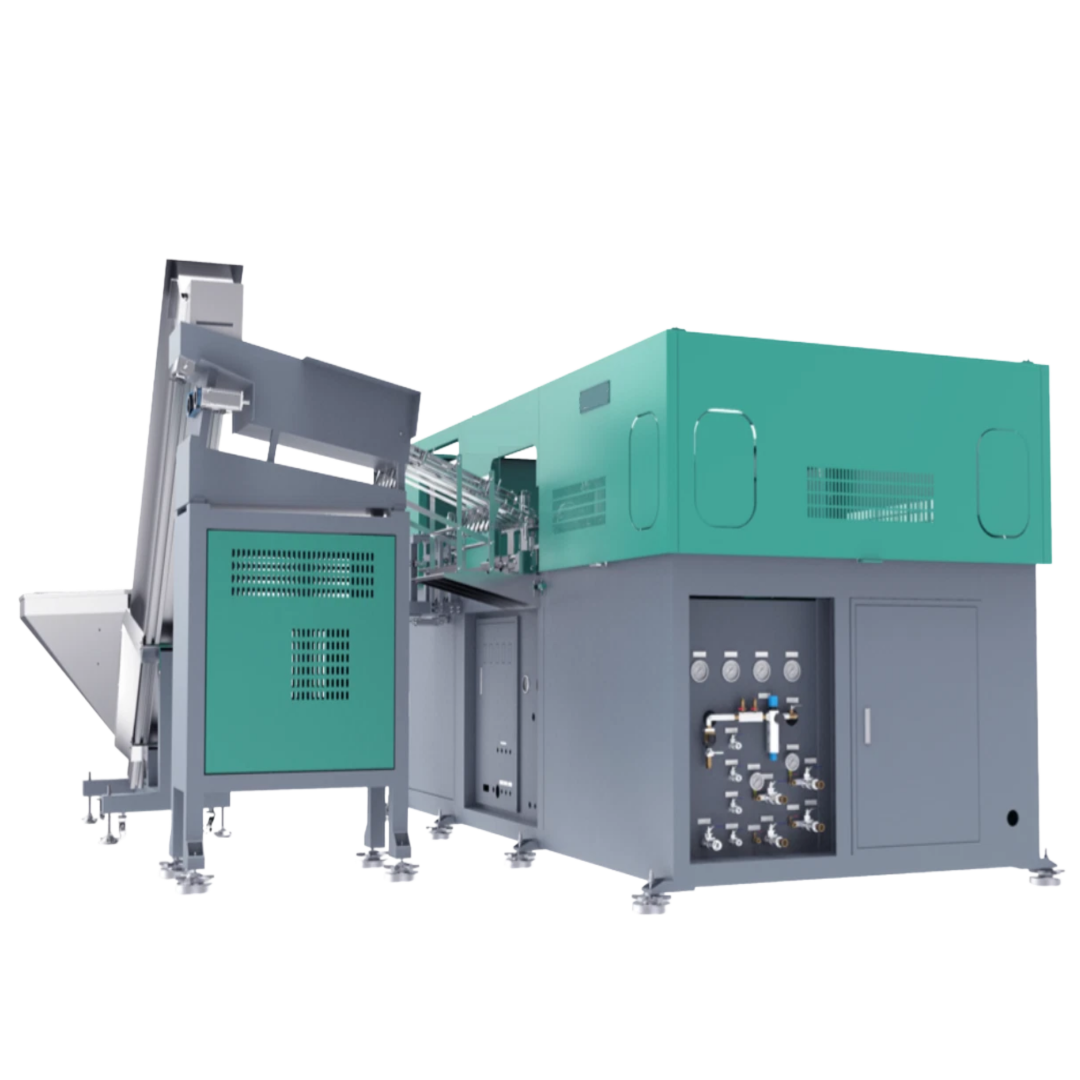
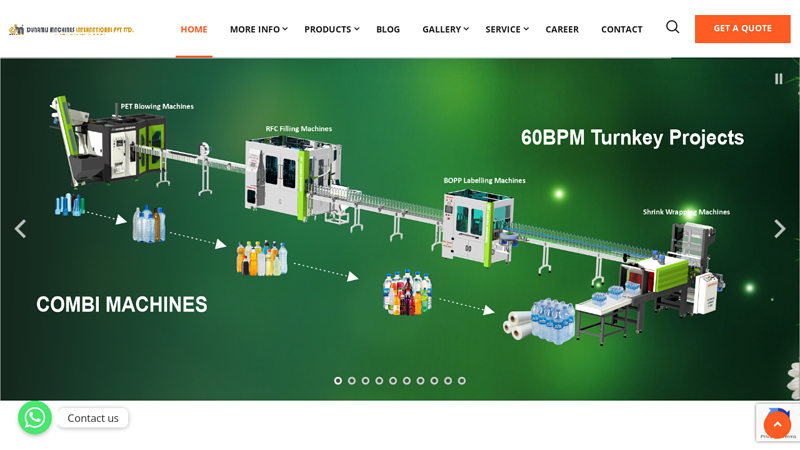
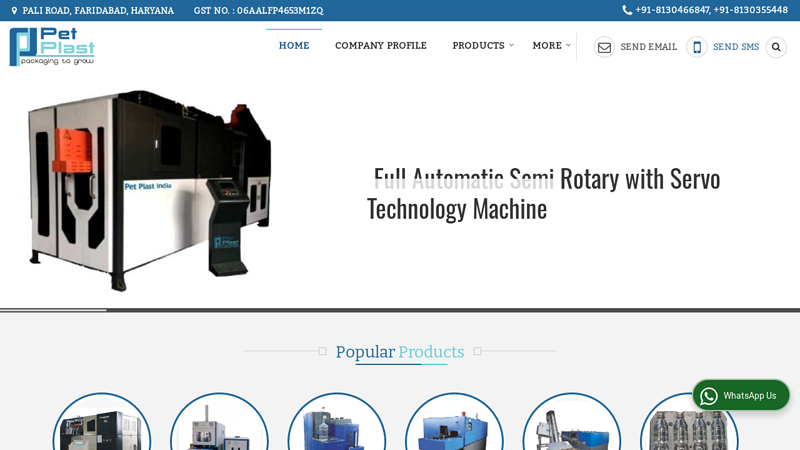
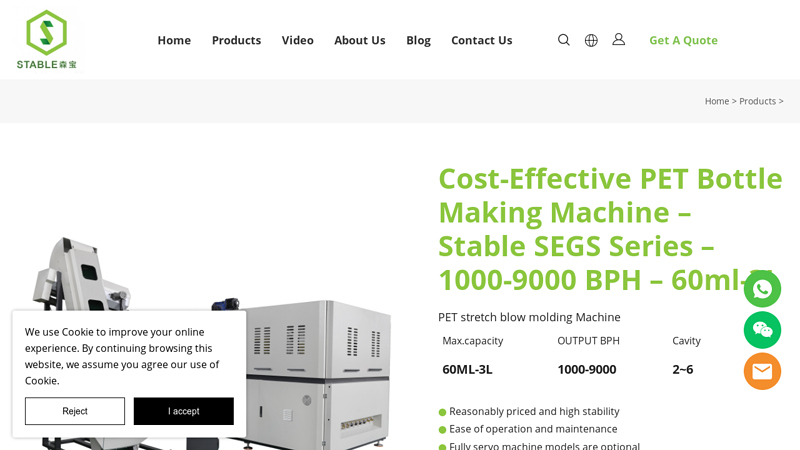
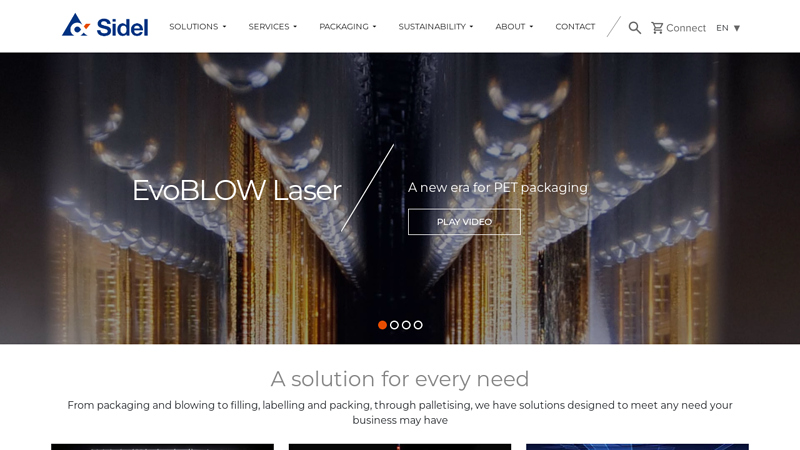
Professional Sourcing Guide: Pet Bottle Blowing Machine
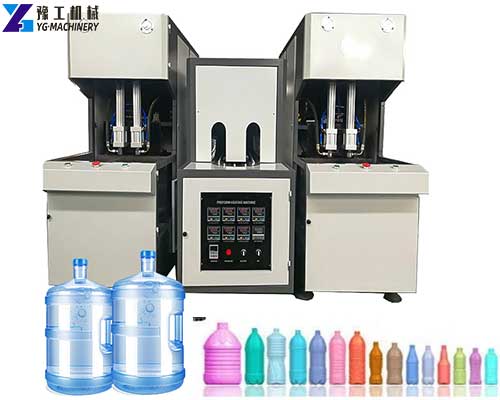
2026 Global Market Trends for Pet Bottle Blowing Machine: Focus on High Speed Production, Energy Saving Technologies (Servo Motor), and Automation Level
The global PET bottle blowing machine market is poised for significant transformation by 2026, driven by rising demand for sustainable packaging, increasing automation, and technological advancements in manufacturing efficiency. Among the key growth drivers are the adoption of high-speed production systems, energy-saving technologies—especially servo motor integration—and elevated automation levels. These trends are reshaping the industry landscape, enabling manufacturers to meet the growing needs of the beverage, food, pharmaceutical, and personal care sectors with improved productivity and reduced environmental impact.
High Speed Production
High-speed production is becoming a critical differentiator in the PET bottle blowing machine market, with manufacturers increasingly investing in machines capable of producing thousands of bottles per hour. By 2026, the demand for high-output systems is expected to accelerate, particularly in emerging economies where consumption of packaged beverages and liquids is rising.
Modern high-speed blow molding machines are achieving output rates of up to 50,000 bottles per hour for standard 500ml containers. This leap in productivity is supported by innovations such as multi-cavity molds, rapid cycling mechanisms, and optimized preform handling. Additionally, integration with upstream and downstream processes—such as preform loaders and conveyors—ensures seamless, continuous production, minimizing downtime.
The beverage industry, especially in carbonated soft drinks and bottled water segments, is the primary driver of high-speed machine adoption. As consumer demand for instant availability and variety grows, bottling companies are under pressure to scale up production efficiently. The shift toward lightweight bottles also supports higher cycle rates, as thinner preforms require less cooling time.
Energy Saving Technologies (Servo Motor)
Energy efficiency has emerged as a cornerstone of PET bottle blowing machine innovation, with servo motor technology leading the charge. By 2026, servo-driven machines are projected to dominate the market due to their superior energy-saving capabilities, precision, and operational flexibility.
Traditional hydraulic systems consume significant energy, especially during idle cycles, and are prone to heat loss and fluid leakage. In contrast, servo motors use electricity only when motion is required, reducing energy consumption by 30–50%. This not only lowers operating costs but also aligns with global sustainability goals and tightening environmental regulations.
Servo technology enables precise control over critical operations such as stretch rod movement, mold closing, and blow pressure, enhancing bottle quality and consistency. Furthermore, the reduced mechanical wear associated with servo systems leads to lower maintenance requirements and extended machine lifespan.
Manufacturers like Sidel, Krones, and Aoki Technical Laboratory have already launched all-electric and hybrid servo models, setting new benchmarks in energy efficiency. As energy prices rise and ESG (Environmental, Social, and Governance) reporting becomes mandatory in many regions, the adoption of servo motor-based systems is expected to accelerate across both developed and developing markets.
Automation Level
By 2026, automation is set to redefine the operational paradigm of PET bottle blowing machines. Advanced automation solutions are being integrated to reduce human intervention, improve process control, and enhance overall equipment effectiveness (OEE).
Modern blowing machines now feature IoT-enabled sensors, real-time monitoring systems, and AI-driven predictive maintenance algorithms. These technologies allow for remote diagnostics, automatic fault detection, and adaptive process optimization. For instance, intelligent control systems can adjust blow parameters in real time based on preform temperature or ambient conditions, minimizing defects and material waste.
Robotic integration is another key trend—automated loading of preforms, robotic handling of finished bottles, and self-cleaning systems are reducing labor costs and contamination risks. Fully automated lines are increasingly common in large-scale production facilities, particularly in the food and pharmaceutical industries where hygiene and traceability are paramount.
Cloud-based platforms are enabling centralized management of multiple machines across global facilities, allowing for data-driven decision-making and performance benchmarking. As Industry 4.0 principles gain traction, the convergence of automation, data analytics, and machine learning will further elevate the capabilities of PET blowing systems.
Conclusion
In summary, the 2026 global PET bottle blowing machine market will be shaped by three interrelated trends: high-speed production to meet growing demand, energy-saving technologies—particularly servo motors—to reduce environmental impact and operational costs, and advanced automation to enhance efficiency, consistency, and remote manageability. Manufacturers that embrace these innovations will gain a competitive edge, while end-users will benefit from faster, greener, and smarter production systems. As sustainability and digitalization become non-negotiable, the evolution of PET blowing machines will continue to accelerate into the next decade.
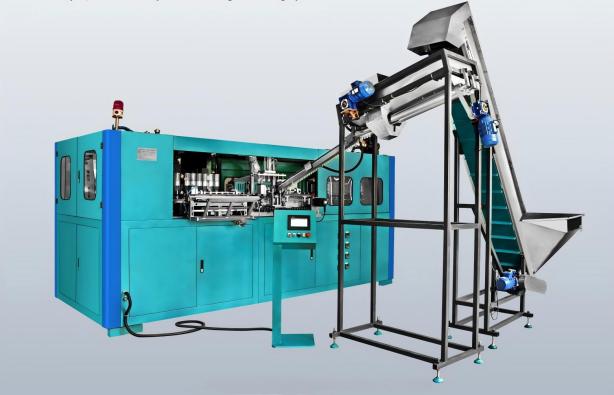
How to Verify Quality for a PET Bottle Blowing Machine Manufacturer
When selecting a PET bottle blowing machine manufacturer, verifying quality is critical to ensure long-term performance, reliability, and return on investment. Below are key check points to evaluate the manufacturer’s quality standards:
Mold Material (Aluminum vs. Steel)
- Inspect Material Specifications: Confirm whether molds are made from aluminum or steel. Steel molds (e.g., 42CrMo, P20) are more durable and suitable for high-volume production due to superior wear resistance and longevity. Aluminum molds are lighter and cost-effective but less durable for long production runs.
- Request Certification: Ask for material test reports or certifications that verify the grade and quality of the mold material used.
- Evaluate Surface Finish and Precision: High-quality molds should have a mirror finish and precise cavity dimensions to ensure consistent bottle quality and reduce defects.
- Check for Corrosion Resistance: Steel molds should have proper heat treatment and surface coating (e.g., chrome plating) to resist corrosion from moisture and high temperatures.
PLC Brand (Siemens vs. Mitsubishi)
- Verify PLC Model and Origin: Confirm the brand and model of the PLC (Programmable Logic Controller) used in the control system. Reputable brands like Siemens and Mitsubishi offer reliable performance, easy troubleshooting, and global support.
- Request System Documentation: Ask for technical manuals, wiring diagrams, and software interface samples to assess system transparency and ease of integration.
- Evaluate Control Interface: Test the HMI (Human-Machine Interface) for user-friendliness, language options, and diagnostic capabilities. A high-quality PLC ensures stable automation and quick fault detection.
- Confirm After-Sales Support: Ensure the manufacturer provides programming support and backup for the chosen PLC, especially if your team requires training or remote assistance.
Cycle Time Efficiency
- Request Performance Data: Ask for documented cycle time metrics under standard operating conditions (e.g., 12,000–18,000 bottles/hour for a 6-station machine).
- Conduct On-Site or Video Demonstration: Observe a live machine run to verify actual cycle time and consistency across multiple cycles.
- Evaluate Energy and Air Consumption: Efficient machines optimize compressed air usage (e.g., via ISBM technology) and reduce energy consumption per bottle, cutting operational costs.
- Assess Stability at High Speeds: Check whether the machine maintains bottle quality (wall thickness, clarity) at maximum speed without frequent jams or failures.
Spare Parts Availability
- Request a Spare Parts List: Obtain a comprehensive list of critical spare parts (stretch rods, sealing rings, HV valves, molds) with part numbers and expected lifespan.
- Verify Stock and Lead Time: Confirm whether the manufacturer keeps common spare parts in stock and their average delivery time (locally or internationally).
- Check Global Supply Network: Evaluate if the manufacturer has distributors or service centers in your region to ensure fast response during breakdowns.
- Review Service and Warranty Terms: Ensure the warranty covers key components and that the manufacturer offers long-term parts supply (minimum 5–10 years post-purchase).
By thoroughly assessing these four critical areas—mold material, PLC brand, cycle time efficiency, and spare parts availability—you can confidently verify the quality and reliability of a PET bottle blowing machine manufacturer.
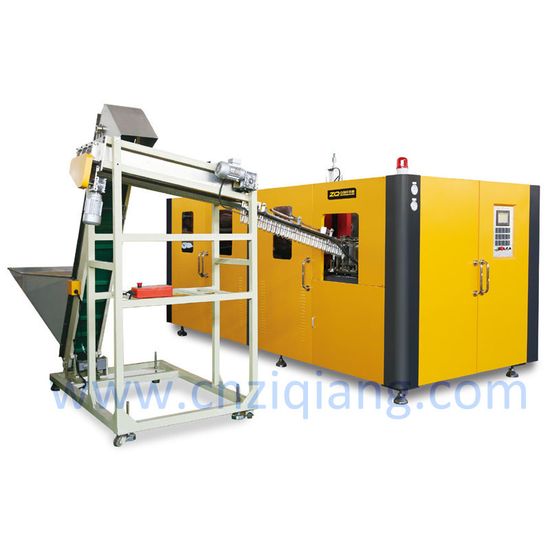
Configuration Guide for Pet Bottle Blowing Machine
Cavity Number Selection
The cavity number determines the machine’s output capacity and should be selected based on production requirements. Standard configurations range from 1 to 12 cavities, with higher cavity counts suitable for large-scale production. Consider the following when selecting:
– Production Volume: Higher cavity machines (e.g., 8–12 cavities) are ideal for high-volume output (e.g., 10,000–30,000 bottles/hour).
– Bottle Size: Larger bottles may require fewer cavities due to longer cycle times.
– Budget and Floor Space: Higher cavity machines require greater investment and floor area.
– Flexibility: Machines with modular cavity design allow future expansion.
Choose a cavity count that balances efficiency, scalability, and cost-effectiveness for your specific application.
Bottle Volume Range
The blowing machine must support the desired bottle capacity. Most PET blowing machines accommodate a wide volume range, typically from 100 ml to 5,000 ml. Key considerations include:
– Stretch Rod & Mold Design: Ensure the machine’s mechanical components can handle the full height and diameter of target bottles.
– Blow Pressure & Timing: Adjustable parameters are needed to optimize performance across different volumes.
– Machine Series: Some models are optimized for small bottles (e.g., 100–1,000 ml), while others are designed for large containers (e.g., 1–5 L).
Verify compatibility with your intended bottle sizes during machine selection.
Preform Compatibility
The machine must match the preform specifications used in production. Key compatibility factors include:
– Preform Neck Finish: Standard neck sizes (e.g., 28mm, 38mm PCO, 1881, etc.) must align with the machine’s clamp and sealing system.
– Preform Length and Weight: Machines have limits on preform dimensions and weight; ensure your preforms fall within the supported range.
– Material Grade: Confirm compatibility with PET resin type (e.g., virgin, recycled content) and required preheating characteristics.
Use preforms from approved suppliers and conduct trials to ensure consistent heating and blowing performance.
Auxiliary Equipment (Compressor/Chiller)
Proper auxiliary systems are critical for stable and efficient operation. Key components include:
Air Compressor
– Provides high-pressure air (typically 25–40 bar) for bottle blowing.
– Required capacity depends on cavity count and cycle time.
– Use oil-free compressors to prevent contamination.
– Include air dryers and filters to ensure clean, dry air supply.
Chiller
– Cools molds to maintain dimensional stability and shorten cycle times.
– Cooling capacity should match machine output (e.g., 1–10 tons of refrigeration).
– Use closed-loop systems with proper flow rate and temperature control (typically 8–12°C).
– Ensure compatibility with mold cooling circuits and ambient conditions.
Properly sized and maintained auxiliary equipment enhances machine performance, reduces downtime, and improves bottle quality.
In conclusion, sourcing a pet bottle blowing machine from China offers a compelling combination of cost-efficiency, advanced manufacturing capabilities, and access to innovative technology. However, to ensure long-term operational success and minimize downtime, due diligence in supplier selection is critical. Prioritizing suppliers who conduct a comprehensive Factory Acceptance Test (FAT) is essential, as it provides a verified demonstration of machine performance, quality, and compliance with technical specifications before shipment. A successful FAT not only mitigates risks but also ensures the machine meets your production requirements from day one.
Equally important is the supplier’s commitment to spare parts support. Given the continuous operation of blowing machines, readily available and genuine spare parts are vital for maintaining efficiency and reducing maintenance downtime. Choosing a supplier with a robust spare parts supply chain, clear documentation, and responsive after-sales service ensures seamless operations and extends the machine’s lifespan.
Ultimately, a reliable Chinese supplier who offers a thorough FAT process and dependable spare parts support will provide not just a machine, but a sustainable, long-term partnership that supports your production goals and contributes to overall business success.






