
As demand for high-speed, energy-efficient PET blowing machines rises across the beverage, pharmaceutical, and consumer goods sectors, manufacturers are increasingly prioritizing automation, precision, and sustainability in their bottling lines. With global production scaling and competition intensifying, strategic sourcing of reliable, innovative equipment has become critical. This 2026 audit identifies the top 10 PET blowing machine manufacturers excelling in technological advancement, service support, and ROI-driven solutions—empowering producers to meet evolving market demands with confidence.
Top 10 Pet Blowing Machine Manufacturers (2026 Audit List)
(Ranked by Production Capability & Trust Score)
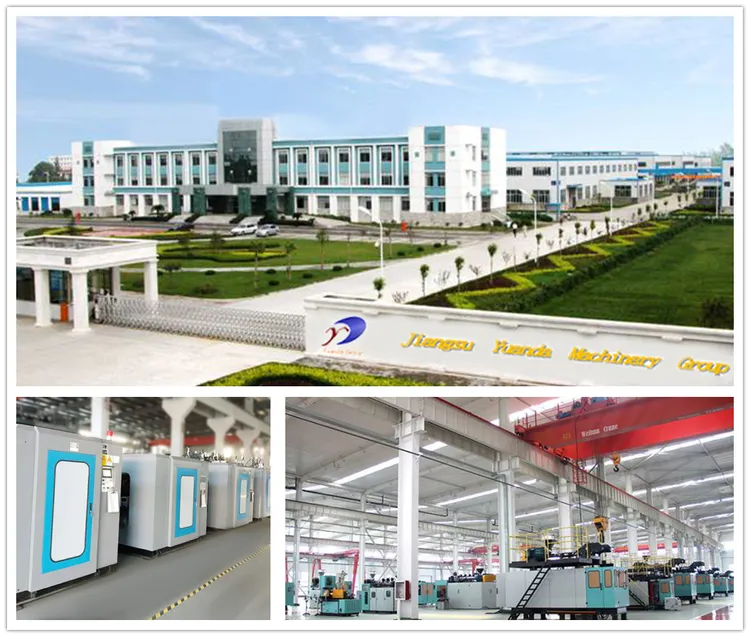

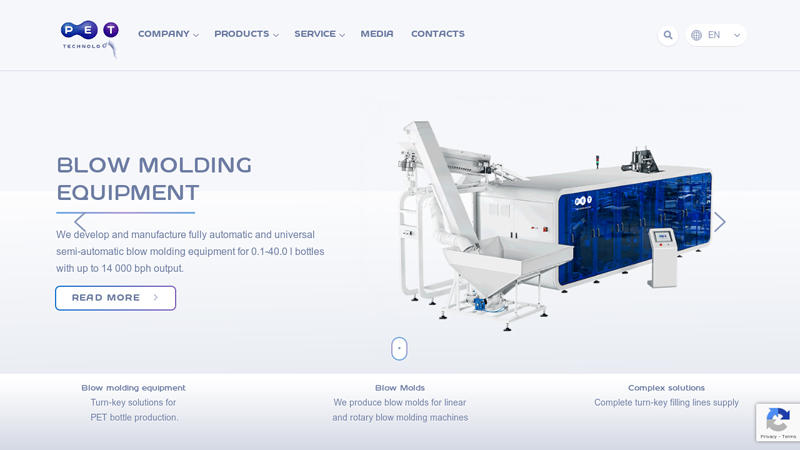
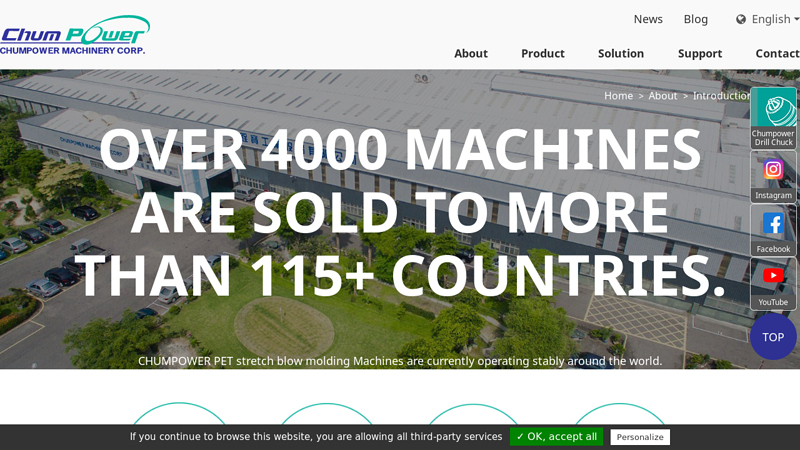
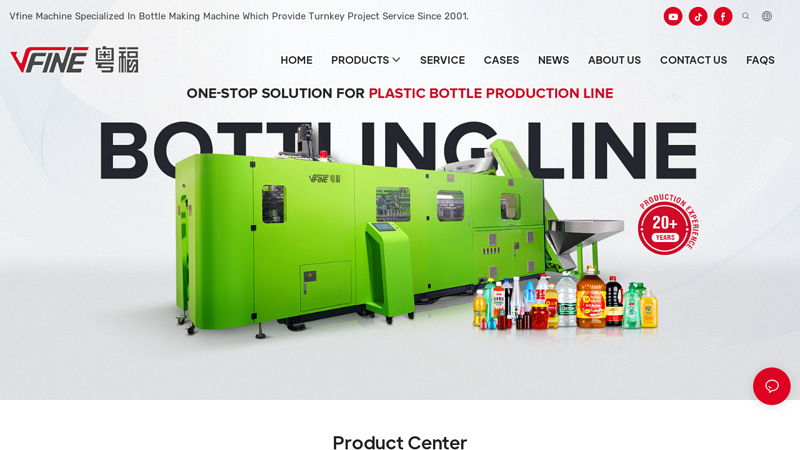
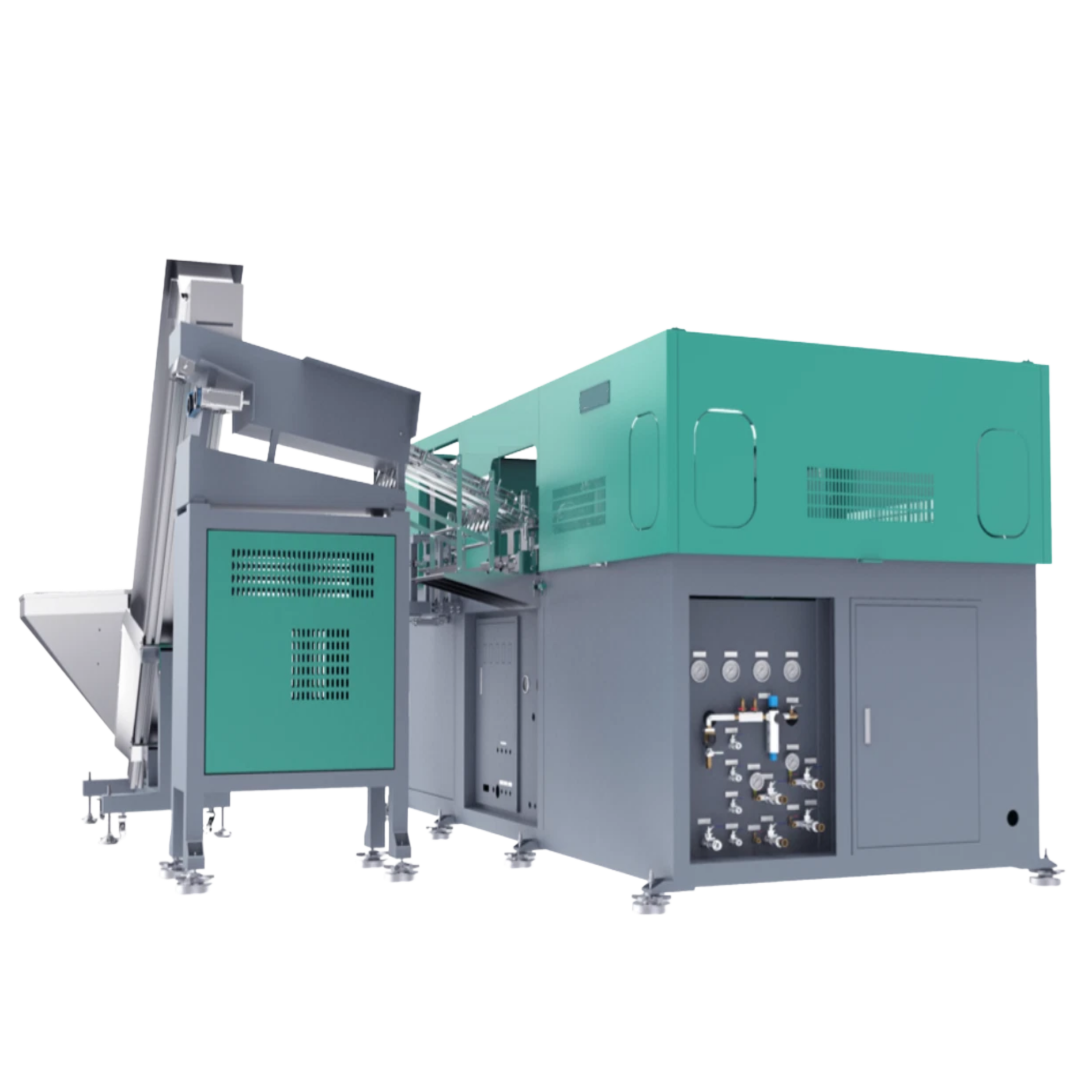
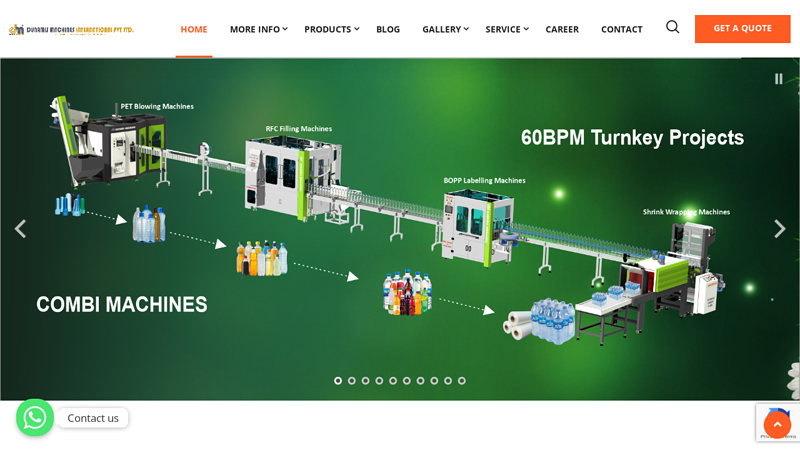
Professional Sourcing Guide: Pet Blowing Machine
Global Market Trends for Pet Blowing Machines in 2026: Focus on High Speed Production, Energy Saving Technologies, and Automation
High Speed Production
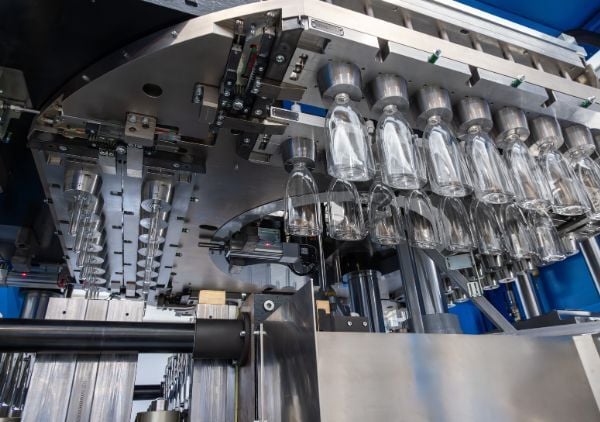
In 2026, the global PET blowing machine market is witnessing a strong shift toward high-speed production capabilities, driven by the escalating demand for bottled beverages, personal care products, and food packaging. Manufacturers are investing heavily in advanced rotary stretch blow molding systems capable of producing over 40,000 bottles per hour per cavity, with top-tier models exceeding 70,000 bottles/hour on multi-cavity platforms.
This surge in production speed is particularly evident in emerging economies across Asia-Pacific and Latin America, where urbanization and rising disposable incomes are fueling consumption. Beverage giants and contract packagers are prioritizing machines that offer high output with minimal downtime, pushing OEMs to innovate in areas such as faster preform loading, optimized heating systems, and rapid mold changeover technologies. Additionally, high-speed machines are increasingly being designed for flexibility, allowing quick format changes to support diverse bottle shapes and sizes—crucial for brand differentiation in competitive markets.
Energy Saving Technologies (Servo Motor)
Energy efficiency has become a central benchmark in the evaluation of PET blowing machines, with servo motor technology emerging as a cornerstone of sustainable manufacturing. By 2026, nearly 85% of new PET blow molding systems are expected to incorporate full-servo or hybrid-servo drive systems, replacing traditional hydraulic counterparts.
Servo motors offer precise control over motion, pressure, and timing, significantly reducing energy consumption by up to 30–50% compared to hydraulic models. Key benefits include dynamic energy use based on real-time demand, quieter operation, and reduced heat generation—leading to lower cooling costs. Leading manufacturers such as Krones, Sidel, and SIPA are integrating intelligent energy recovery systems alongside servo drives, further enhancing efficiency.
Moreover, regulatory pressures and corporate sustainability goals are accelerating adoption. In regions like the European Union and North America, carbon footprint regulations and ESG (Environmental, Social, and Governance) reporting requirements are pushing packaging lines to adopt energy-saving technologies. The integration of IoT-enabled energy monitoring systems allows operators to track and optimize power usage, making servo-driven PET blowers not just energy-efficient but also data-smart.
Automation Level
Automation in PET blowing machines has reached new maturity levels by 2026, with end-to-end integration becoming the standard in medium to large-scale production facilities. The market is seeing widespread deployment of robotic handling systems, AI-driven predictive maintenance, and centralized control platforms that synchronize blow molding with upstream (preform feeding, heating) and downstream (handling, labeling, packing) operations.
High levels of automation are driven by the need for labor cost reduction, operational consistency, and improved uptime. Fully automated lines now feature self-diagnostics, real-time quality inspection using machine vision, and automatic rejection systems that minimize waste. Integration with Factory 4.0 frameworks enables remote monitoring, cloud-based analytics, and seamless data flow across the production ecosystem.
Collaborative robots (cobots) are increasingly deployed for tasks such as packer loading and quality checks, enhancing flexibility in smaller or modular production units. Additionally, digital twin technology allows manufacturers to simulate and optimize machine performance before physical deployment, reducing commissioning time and improving efficiency.
In conclusion, by 2026, the global PET blowing machine market is characterized by a convergence of high-speed production, energy-efficient servo technologies, and advanced automation. These trends are not only improving productivity and sustainability but are also redefining competitiveness in the packaging industry. Companies that embrace these innovations will be better positioned to meet evolving market demands and regulatory landscapes.
Key Quality Verification Points for Pet Blowing Machine Manufacturers
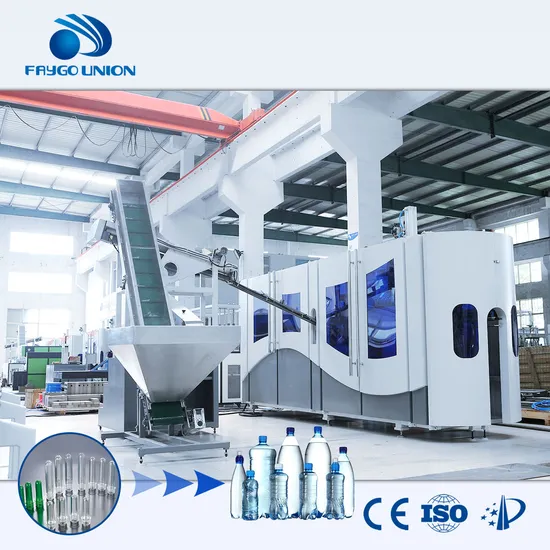
When evaluating a PET blowing machine manufacturer, it’s essential to verify critical performance and durability factors. Below are the key check points to ensure high quality and long-term reliability:
Mold Material (Aluminum vs. Steel)
- Material Type: Confirm whether the machine molds are constructed from aluminum or steel.
- Durability & Lifespan: Steel molds offer superior durability and longer service life, especially for high-volume production. Aluminum molds are lighter and faster to heat but wear more quickly.
- Application Suitability: Assess if the mold material matches your production needs—steel for heavy-duty, continuous use; aluminum for short runs or prototyping.
- Surface Finish & Precision: Inspect mold finish quality and dimensional accuracy, which directly impact bottle clarity and consistency.
PLC Brand (Siemens vs. Mitsubishi)
- PLC Manufacturer: Verify the brand of the Programmable Logic Controller (PLC) used—preferably Siemens or Mitsubishi, both known for reliability and global support.
- System Stability: Evaluate the PLC’s performance in real-time monitoring, fault diagnostics, and operational stability.
- User Interface & Programming: Check the HMI (Human-Machine Interface) for ease of use, multilingual support, and programmable recipe storage.
- After-Sales Support: Confirm availability of technical documentation, software updates, and local technical support for the chosen PLC brand.
Cycle Time Efficiency
- Measured Cycle Time: Request actual cycle time data under real production conditions (e.g., bottles per hour).
- Consistency & Repeatability: Observe multiple production cycles to ensure consistent output without degradation in quality.
- Energy & Air Consumption: Assess if fast cycle times are achieved efficiently, without excessive energy or compressed air use.
- Bottle Quality at High Speeds: Ensure that bottles produced at maximum speed meet quality standards for weight, wall thickness, and clarity.
Spare Parts Availability
- Local & Global Inventory: Confirm whether the manufacturer maintains spare parts stock locally or regionally for quick delivery.
- Common Wear Parts: Verify availability of critical components like seals, gaskets, stretch rods, high-pressure valves, and oven quartz tubes.
- Lead Time for Parts: Request average lead times for key spare parts and emergency support options.
- Standardization: Check if parts use standard industrial components (easier to source) or proprietary designs (may cause delays).
By thoroughly assessing these four areas—Mold Material, PLC Brand, Cycle Time Efficiency, and Spare Parts Availability—you can confidently select a reliable and high-performing PET blowing machine manufacturer.
Configuration Guide for Pet Blowing Machine
Cavity Number Selection
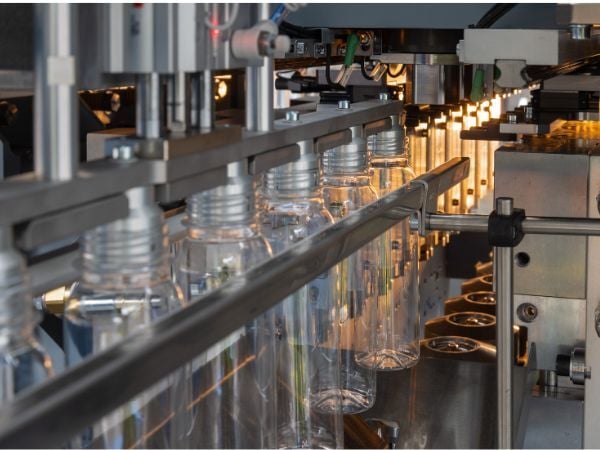
The cavity number defines how many bottles are produced per cycle and directly impacts output capacity. Selecting the appropriate cavity count involves balancing production demands, budget constraints, and factory space.
- Low Volume (1–2 cavities): Ideal for startups, small production runs, or prototyping. Offers lower initial investment and easier maintenance.
- Medium Volume (4–6 cavities): Suitable for growing businesses requiring higher output without excessive floor space. Provides good efficiency and scalability.
- High Volume (8–12+ cavities): Designed for large-scale manufacturing. Maximizes output per cycle but requires substantial investment, space, and stable preform supply.
Consider future demand forecasts and line integration when selecting cavity count to ensure long-term efficiency.
Bottle Volume Range
Ensure the blowing machine is configured to handle your required bottle sizes. Most machines support a range of volumes, but performance may vary at extremes.
- Standard Range: Typically 0.2L to 2.0L for most general-purpose models.
- Extended Range: Some models accommodate volumes from 50ml (small sample bottles) up to 5 gallons (water jugs) with appropriate mold and stretch rod adjustments.
- Machine Flexibility: Verify that the machine can adjust blow pressure, heating time, and mold opening distance to suit different bottle geometries and volumes.
Always confirm compatibility with your specific bottle design (shape, neck finish, wall thickness) to ensure consistent quality.
Preform Compatibility
The machine must be compatible with the preform specifications used in production.
- Preform Weight and Dimensions: Match preform outer diameter, length, and neck finish (e.g., PCO 1881, 38mm, 110mm) to the machine’s feed system and mold design.
- Material Type: Ensure compatibility with PET resin grade, including standard, UV-protective, or recycled (rPET) materials.
- Heating System Compatibility: Verify that the oven (linear or rotary) can uniformly heat the preform wall thickness and length. Mismatched heating may lead to uneven blowing or weak bottle sections.
- Preform Loader Type: Choose between gravity feed, robotic arm, or rotary wheel systems based on preform shape and production speed.
Consult with the machine manufacturer to validate preform-to-machine compatibility before finalizing configuration.
Auxiliary Equipment (Compressor/Chiller)
Auxiliary systems are critical for stable and efficient machine operation.
Air Compressor
- Purpose: Supplies high-pressure air (typically 25–40 bar) for the blowing process.
- Requirements:
- Oil-free compressors are recommended to prevent contamination.
- Capacity must match machine demand (e.g., 1.5–2.0 m³/min per cavity at peak).
- Include air dryers and filters to ensure clean, dry air.
Chiller
- Purpose: Cools molds and machine components to maintain dimensional stability and cycle consistency.
- Requirements:
- Cooling capacity should match mold surface area and cycle speed (typically 1–3 kW per cavity).
- Use closed-loop systems with corrosion-resistant components.
- Water quality (pH, hardness) must be controlled to prevent scaling or mold damage.
Ensure proper sizing and integration of both compressor and chiller systems to avoid bottlenecks and maintain consistent production quality.
In conclusion, sourcing a PET blowing machine from China offers a compelling combination of cost-efficiency, advanced technology, and reliable manufacturing capabilities. However, to ensure long-term operational success, it is crucial to prioritize suppliers that provide a comprehensive Factory Acceptance Test (FAT) and robust spare parts support. Conducting a thorough FAT before shipment allows buyers to verify the machine’s performance, quality, and compliance with technical specifications under real operating conditions, significantly reducing the risk of post-installation issues. Equally important is a dependable spare parts supply chain, which minimizes downtime and ensures continuous production. By selecting a reputable Chinese manufacturer that offers transparent FAT procedures and readily available spare parts—either through local warehouses or prompt international delivery—companies can secure not only a competitive upfront investment but also sustainable, efficient, and uninterrupted production over the machine’s lifecycle.






