
With rising global demand for efficient, cost-effective bottling solutions—driven by expanding beverage, pharmaceutical, and household goods sectors—businesses are increasingly turning to automation and sustainable manufacturing practices. In this landscape, second hand plastic blow molding machines have emerged as a strategic asset, offering proven performance at reduced investment costs. As sustainability and operational efficiency take center stage in 2026, sourcing reliable pre-owned equipment from reputable manufacturers is critical for agile, forward-thinking producers. This audit highlights the top nine manufacturers whose machines consistently deliver durability, precision, and compatibility with automated production lines, making them preferred choices in today’s competitive B2B marketplace.
Топ 9 производителей выдувного формовочного оборудования для пластика (2026 аудиторский список)
(Ранжировано по показателю производственных возможностей и доверия)

Professional Sourcing Guide: Second Hand Plastic Blow Molding Machine
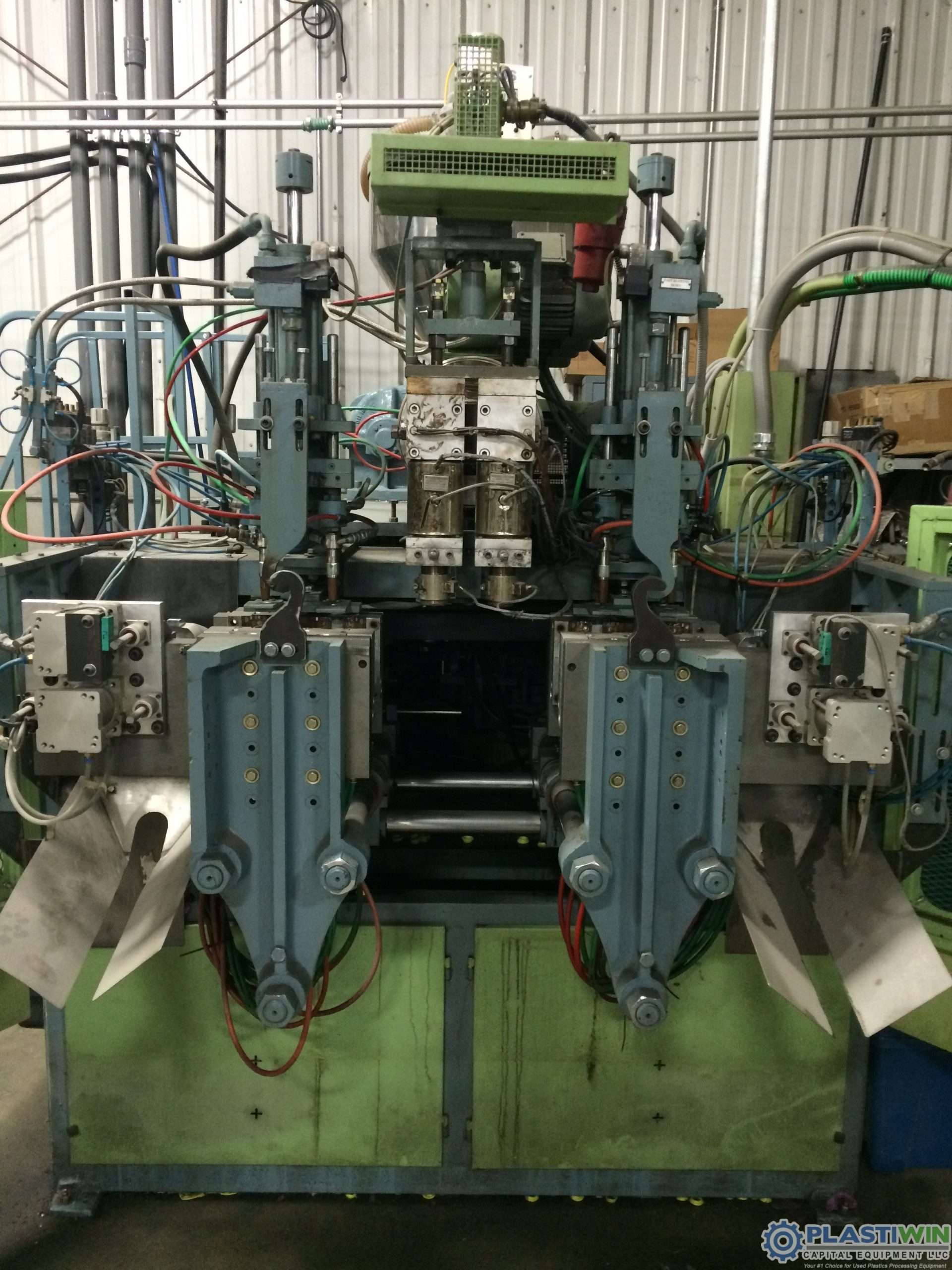
2026 Global Market Trends for Second Hand Plastic Blow Molding Machines: Focus on High Speed Production, Energy Saving Technologies, and Automation Level
High Speed Production Demand Rising in Second Hand Market
The global demand for second hand plastic blow molding machines in 2026 is being significantly influenced by the growing need for high speed production, especially in emerging economies and small-to-medium enterprises (SMEs). As packaging industries—particularly in food and beverage, personal care, and household chemicals—face increasing pressure to scale output efficiently, buyers are turning to pre-owned high-speed machines to reduce capital expenditure while maintaining competitive throughput.
Modern second hand blow molding machines, particularly those manufactured between 2018 and 2022, often feature multi-cavity designs and rapid cycle times (below 3 seconds per cycle), making them attractive to cost-conscious manufacturers. Regions such as Southeast Asia, India, and parts of Africa are witnessing a surge in demand for such machines, driven by expanding local manufacturing and rising plastic container consumption. Additionally, the availability of refurbished high-speed systems from Europe and North America—where manufacturers are upgrading to Industry 4.0-compliant lines—has created a robust supply of reliable, used equipment with proven performance.
By 2026, the integration of high-speed capabilities in second hand machines is expected to become a key selling point, with buyers prioritizing models offering stable output, quick mold changeovers, and compatibility with lightweight container designs.
Adoption of Energy Saving Technologies, Especially Servo Motors
Energy efficiency has emerged as a decisive factor in the selection of second hand blow molding machines, with servo motor technology leading the charge. Machines equipped with servo-driven hydraulics or fully electric servo systems offer substantial energy savings—up to 30–50% compared to traditional hydraulic models—making them highly desirable in markets with rising energy costs and tightening environmental regulations.
In 2026, the second hand market is seeing increased availability of machines retrofitted or originally built with servo technology, particularly from Japanese and European manufacturers such as Kautex, Bekum, and Sidel. These machines not only reduce electricity consumption but also lower heat generation and noise levels, contributing to improved working environments.
Buyers are increasingly evaluating second hand units based on their energy performance metrics, with many suppliers now providing energy audits and certification data for used machines. This trend is being reinforced by government incentives in regions like the EU and parts of Latin America, where energy-efficient machinery qualifies for tax rebates or green financing. As sustainability becomes a competitive differentiator, the resale value of servo-equipped second hand blow molding machines is expected to rise, creating a premium segment within the pre-owned market.
Increasing Automation Level Driving Value and Demand
Automation is transforming the second hand blow molding machine market, with fully or semi-automated systems gaining prominence among buyers seeking operational efficiency and labor cost reduction. By 2026, machines featuring integrated robotics for mold handling, in-line leak testing, automatic trimming, and conveyor integration are in high demand—even in the pre-owned segment.
The availability of second hand systems with PLC (Programmable Logic Controller) upgrades, HMI (Human-Machine Interface) touchscreens, and compatibility with SCADA systems allows for seamless integration into smart factory environments. This is particularly appealing to SMEs aiming to adopt Industry 4.0 practices without the high cost of new equipment.
Moreover, suppliers of used machinery are responding by offering reconditioned machines with added automation packages, such as robotic arm installations and vision inspection systems, enhancing both functionality and resale value. The trend is especially strong in regions like Eastern Europe, Turkey, and Mexico, where labor shortages and rising wages are accelerating automation adoption.
In conclusion, the 2026 global market for second hand plastic blow molding machines is being reshaped by three interlinked trends: high speed production capabilities, energy-saving servo technologies, and increasing automation levels. These factors are not only driving demand but also redefining the value proposition of pre-owned equipment, making them a strategic choice for manufacturers seeking cost-effective, efficient, and future-ready production solutions.
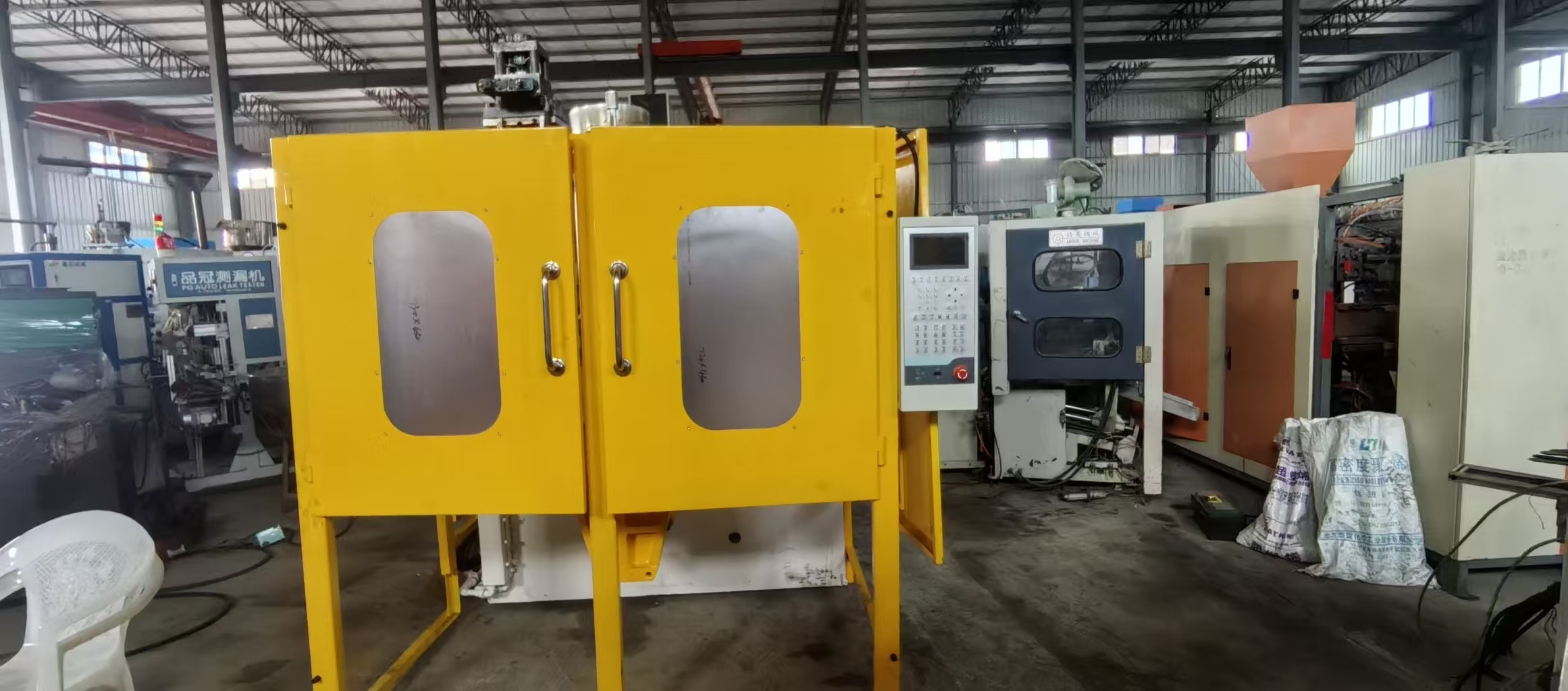
Key Quality Verification Points for Second Hand Plastic Blow Molding Machine Manufacturers
When evaluating a second-hand plastic blow molding machine manufacturer, verifying quality is crucial to ensure reliability, performance, and long-term cost-effectiveness. Focus on these critical check points:
Материал пресс-формы (алюминий или сталь)
- Inspect Material Type: Confirm whether the machine is designed for aluminum or steel molds, as this impacts durability and application suitability.
- Assess Wear and Corrosion: Check used molds for signs of pitting, warping, or corrosion—especially critical with aluminum, which is softer but offers faster cooling.
- Evaluate Compatibility: Ensure the machine’s mold clamping system and platen design support the intended mold material and size.
- Consider Application Needs: Steel molds are preferred for high-volume production due to longevity; aluminum suits prototyping or low-to-medium runs.
Марка ПЛК (Siemens против Mitsubishi)
- Verify PLC Model and Version: Confirm the brand (e.g., Siemens S7 series or Mitsubishi FX/Q series) and check firmware version for compatibility and support.
- Test System Responsiveness: Run a cycle to assess touch screen interface, command execution speed, and error diagnostics.
- Check for Original Components: Ensure the PLC is original and not a third-party replacement—counterfeit or incompatible systems reduce reliability.
- Evaluate Service and Programming Support: Siemens and Mitsubishi offer strong global support; confirm availability of local technicians and documentation.
Эффективность времени цикла
- Measure Actual Cycle Time: Operate the machine with a standard mold and record the complete cycle (clamping, blowing, cooling, ejection).
- Compare to Original Specifications: Verify if the current performance matches the manufacturer’s stated cycle time for similar outputs.
- Assess Consistency: Run multiple cycles to check for variations—consistent timing indicates well-maintained hydraulics, controls, and parison control.
- Inspect Auxiliary Systems: Review pre-heater efficiency, air pressure stability, and cooling systems, as these directly affect cycle time.
Наличие запасных частей
- Identify Critical Components: List high-wear parts (seals, valves, heaters, die heads) and confirm OEM or aftermarket availability.
- Contact Supplier or OEM: Ask the manufacturer or previous owner about part sourcing—prefer machines with globally supported components.
- Check for Obsolete Parts: Avoid machines using discontinued PLC modules, controllers, or hydraulic valves that are hard to replace.
- Review Maintenance History: A documented service log indicates proactive upkeep and helps predict future part needs.
By thoroughly assessing these four areas—Mold Material, PLC Brand, Cycle Time Efficiency, and Spare Parts Availability—you can confidently verify the quality and operational viability of a second-hand blow molding machine.
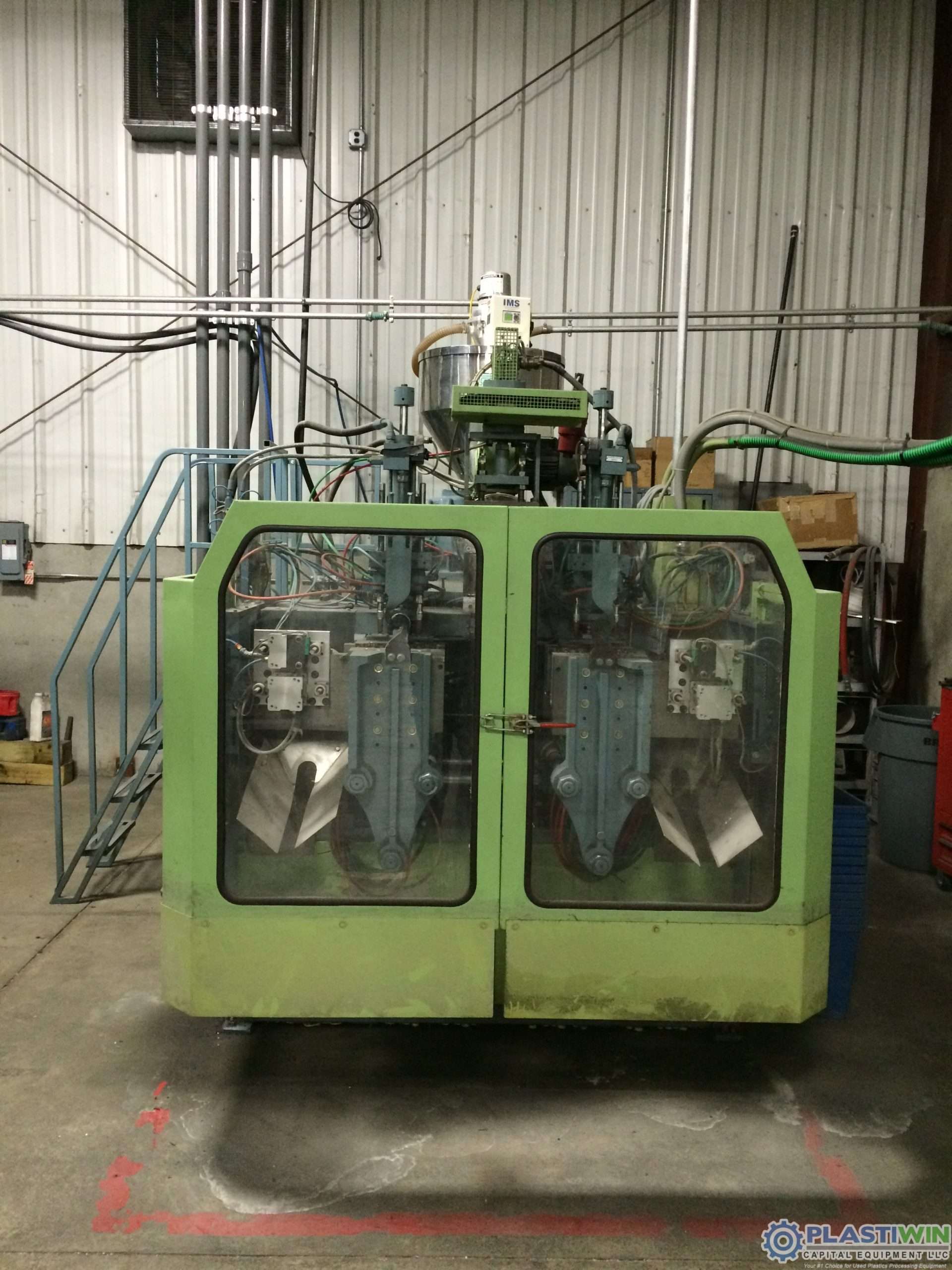
Configuration Guide for Second Hand Plastic Blow Molding Machine
Выбор номера полости
The cavity number refers to the number of bottles produced per cycle and is a key factor in determining the machine’s output capacity. When selecting the cavity number for a second-hand blow molding machine, consider the following:
- Требования к производству: Match the cavity count (1-cavity, 2-cavity, 4-cavity, 6-cavity, etc.) to your desired output. Higher cavity machines offer increased productivity but require more floor space and energy.
- Bottle Size and Weight: Larger or heavier bottles may limit cavity options due to mold and machine tonnage constraints.
- Budget and Space: Multi-cavity machines are more expensive and require larger footprints. Ensure your facility can accommodate the selected configuration.
- Потребности в гибкости: Lower cavity machines (1–2 cavities) offer greater flexibility for frequent mold changes and small-batch production.
Always verify the machine’s actual cavity performance and mold alignment during inspection, as wear may affect consistency.
Диапазон объемов бутылок
The bottle volume range defines the smallest and largest bottle sizes the machine can produce, typically measured in milliliters (ml) or liters (L). Key considerations include:
- Machine Specifications: Check the platen size, stretch rod length, and mold compatibility. Most second-hand machines support volumes from 100 ml up to 5 liters, depending on model and age.
- Mold Availability: Ensure molds for your desired volume range are available or can be custom-made. Reusing existing molds may reduce costs.
- Wall Thickness Uniformity: Machines with outdated control systems may struggle with consistent wall thickness across varying volumes. Test production runs if possible.
- Application Type: Small-volume bottles (e.g., 100–500 ml) are common for water and beverages, while larger volumes (1–5 L) suit household or industrial containers.
Confirm the machine’s actual performance within your required volume range before purchase.
Совместимость форм
Preform compatibility determines whether the machine can process your specific preform type and size. Consider the following:
- Предварительная отделка горловины: Match the machine’s mold base and handling system to the preform’s neck finish (e.g., 28mm PCO, 38mm, etc.). Incompatibility can lead to sealing or handling issues.
- Preform Length and Diameter: Ensure the machine’s oven and preform loading system can accommodate your preform dimensions. Older machines may have limited adjustability.
- Тип материала: Most blow molding machines handle PET preforms, but verify compatibility with recycled (rPET) or specialty resins if used.
- Система отопления: Check the condition of the infrared oven; uneven heating can cause poor blowing results, especially with thicker or recycled preforms.
Inspect the preform feeding mechanism and oven calibration during evaluation to avoid post-purchase modifications.
Вспомогательное оборудование (компрессор/холодильник)
Auxiliary systems are critical for stable blow molding operations. When acquiring a second-hand machine, ensure proper auxiliary equipment is included or budget for upgrades:
- Воздушный компрессор:
- Требуется для выдувания под высоким давлением (обычно 25-40 бар).
- Ensure the compressor delivers clean, dry air to prevent valve and mold damage.
- Match CFM (cubic feet per minute) and pressure output to the machine’s specifications.
- Чиллер/система охлаждения:
- Essential for mold cooling and maintaining cycle times.
- Verify chiller capacity (in kW or tons) matches the machine’s heat load, especially for multi-cavity setups.
- Inspect coolant lines and heat exchangers for leaks or corrosion in used systems.
- Дополнительное оборудование:
- Dehumidifier (for preform drying if not pre-dried).
- Conveyor systems and bottle ejectors.
- Air treatment units (filters, dryers) to protect pneumatic components.
Always test the integration between the blow molding machine and auxiliary units to ensure synchronized operation and avoid downtime.
In conclusion, sourcing a second-hand plastic blow molding machine from China can offer significant cost advantages and access to reliable, proven equipment when approached with due diligence. However, ensuring a successful acquisition hinges on two critical factors: a thorough Factory Acceptance Test (FAT) and robust spare parts support. Conducting a comprehensive FAT onsite or via a trusted third party is essential to verify the machine’s operational performance, mechanical integrity, and compliance with technical specifications before shipment. This step minimizes the risk of receiving underperforming or faulty equipment and ensures transparency in the transaction. Equally important is securing reliable access to spare parts—preferably through agreements with the supplier or verified local distributors—to minimize downtime and extend the machine’s service life. By prioritizing these elements, buyers can confidently invest in second-hand machinery from China, achieving operational efficiency and long-term cost savings while mitigating potential post-purchase challenges.






