
As demand for high-speed, energy-efficient bottling solutions continues to rise across the beverage, pharmaceutical, and FMCG sectors, automation has become a strategic priority for modern production lines. Linear bottle blowing machines are increasingly favored for their flexibility, lower maintenance, and seamless integration with existing systems—driving procurement interest among manufacturers scaling output without compromising quality. In this 2026 audit, we evaluate the top seven linear blow molding machine manufacturers delivering innovation, reliability, and performance in today’s competitive plastic packaging landscape.
Топ 7 производителей линейных машин для выдувания бутылок (2026 аудиторский список)
(Ранжировано по показателю производственных возможностей и доверия)
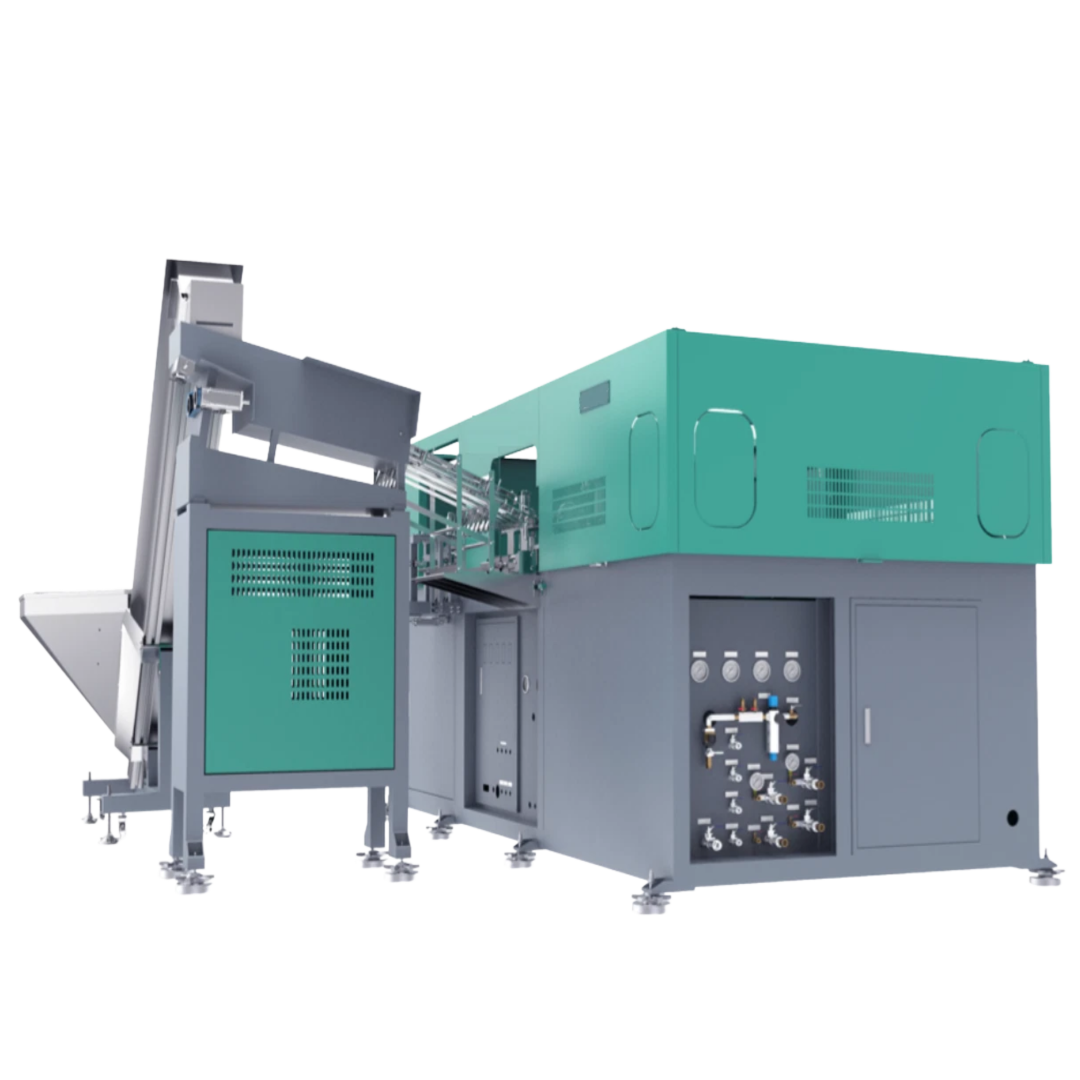
Professional Sourcing Guide: Linear Bottle Blowing Machine
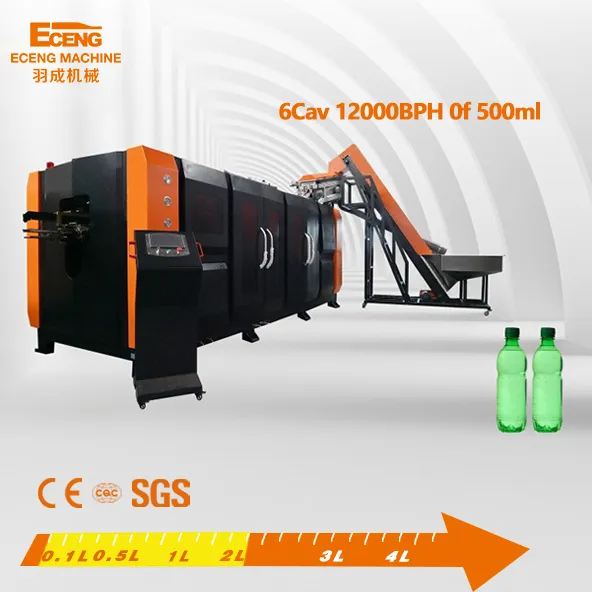
2026 Global Market Trends for Linear Bottle Blowing Machines: High Speed, Energy Efficiency, and Automation
High Speed Production
The global linear bottle blowing machine market is projected to witness a significant shift toward high-speed production capabilities by 2026. Driven by rising demand from the beverage, pharmaceutical, and personal care industries, manufacturers are increasingly investing in machines capable of producing 15,000 to 30,000 bottles per hour (bph), with leading-edge models exceeding 40,000 bph in optimized conditions.
High-speed linear systems are gaining favor over rotary machines in medium-capacity applications due to their flexibility, ease of maintenance, and modular design. Innovations such as multi-cavity molds, rapid preform feeding systems, and optimized heating zones contribute to cycle time reduction. Additionally, advancements in control algorithms and synchronization between stretching rods and blow heads allow for faster, more consistent bottle formation without compromising quality.
Regional demand for high-speed machines is particularly strong in Asia-Pacific (China, India, and Southeast Asia), where expanding consumer markets and growing packaged water and soft drink consumption are pushing bottlers to scale production rapidly. By 2026, high-speed linear blow molding machines are expected to account for over 55% of new installations in emerging economies.
Energy Saving Technologies (Servo Motor)
Energy efficiency has become a critical differentiator in the linear bottle blowing machine market, with servo motor technology at the forefront of sustainability-driven innovation. Unlike traditional hydraulic systems, servo-electric actuators offer precise control over motion, pressure, and timing, resulting in up to 30–50% energy savings. By 2026, over 70% of new linear blow molding machines are expected to be fully servo-driven.
Servo motors reduce energy consumption by eliminating idle power draw and enabling on-demand operation of clamping, stretching, and blowing functions. They also contribute to quieter operation, lower heat generation, and reduced maintenance requirements. Machine manufacturers such as Sidel, Krones, and SIPA are integrating full-servo technology into their next-generation platforms, promoting “green manufacturing” as a competitive advantage.
The push for energy-efficient technologies is further accelerated by tightening environmental regulations in Europe and North America, as well as corporate sustainability goals among major beverage producers. Incentives for energy-efficient equipment and carbon footprint reduction are expected to boost adoption of servo-based linear blow molding systems globally. Additionally, integration with energy monitoring systems allows real-time tracking and optimization of power usage, enhancing overall operational efficiency.
Уровень автоматизации
Automation is reshaping the linear bottle blowing machine landscape, with fully integrated smart systems becoming the norm by 2026. Modern machines now feature advanced automation capabilities such as automatic mold change (AMC), robotic preform loading, in-line quality inspection, and predictive maintenance powered by IoT and AI.
Linear blow molding systems are increasingly being integrated into end-to-end digital production lines, enabling seamless communication with upstream (preform handling) and downstream (filling, labeling, packaging) equipment. This connectivity supports Industry 4.0 initiatives, allowing for remote monitoring, real-time performance analytics, and self-optimization of production parameters.
Основные тенденции автоматизации включают:
- AI-driven process control: Machine learning algorithms adjust blow pressure, stretch speed, and heating profiles in real time to maintain consistent bottle quality.
- Predictive maintenance: Sensors monitor wear on critical components (e.g., seals, valves, motors), predicting failures before they occur and reducing unplanned downtime.
- Human-machine interface (HMI) upgrades: Touchscreen interfaces with augmented reality (AR) support simplify operation and troubleshooting.
By 2026, over 60% of new linear blowing machines sold globally are expected to include advanced automation packages. The food and beverage sector, particularly large-scale bottling plants, will lead adoption, seeking to reduce labor costs, improve uptime, and ensure compliance with stringent quality standards. Emerging markets are also beginning to invest in semi-automated solutions as labor costs rise and technical expertise improves.
In conclusion, the 2026 linear bottle blowing machine market will be defined by the convergence of high-speed production, energy-efficient servo technologies, and advanced automation—driving a new era of intelligent, sustainable, and highly productive packaging solutions.
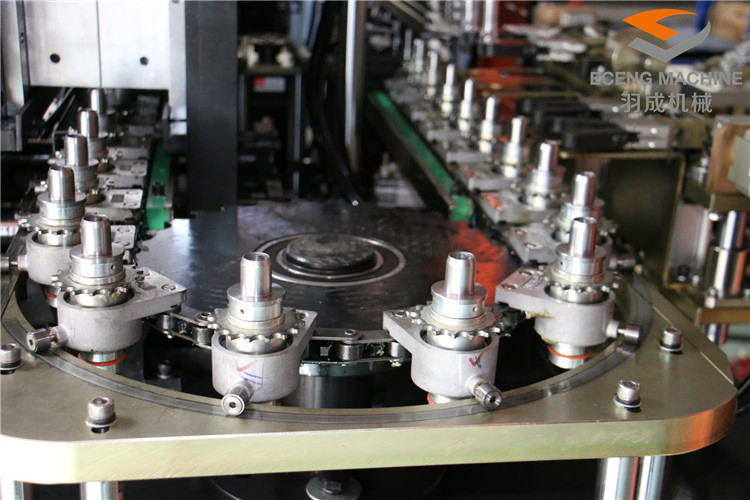
Key Quality Check Points for Linear Bottle Blowing Machine Manufacturers
When evaluating a linear bottle blowing machine manufacturer, verifying quality is essential to ensure reliability, efficiency, and long-term performance. Below are critical check points to assess:
Материал пресс-формы (алюминий или сталь)
- Стальные формы: Preferred for high-volume production due to superior durability, wear resistance, and longer service life. Ideal for PET bottles requiring precise dimensional stability.
- Алюминиевые формы: Lighter and offer faster heat transfer, beneficial for prototypes or low-volume runs. However, they wear faster and are less durable than steel.
- Совет по проверке: Request mold material specifications and certifications (e.g., AISI or JIS standards). Inspect sample molds or ask for material test reports (MTRs) to confirm composition and hardness.
Марка ПЛК (Siemens против Mitsubishi)
- ПЛК Siemens: Known for robust performance, excellent integration with HMI systems, and strong global support. Offer high reliability and advanced diagnostics.
- ПЛК Mitsubishi: Provide fast processing, user-friendly programming, and wide compatibility with automation components. Commonly used in Asian-manufactured machinery.
- Совет по проверке: Confirm the exact PLC model and firmware version used. Ask for system documentation and check if the manufacturer offers remote monitoring or troubleshooting support.
Эффективность времени цикла
- Стандартный эталон: High-quality linear blowers typically achieve cycle times of 8–15 seconds per mold, depending on bottle size and output capacity.
- Consistency Matters: Evaluate not just peak speed but sustained performance over long runs. Frequent jams or slowdowns indicate poor engineering.
- Совет по проверке: Request a live machine demonstration or video of continuous operation. Ask for production reports from existing clients showing average output vs. rated capacity.
Наличие запасных частей
- Важнейшие компоненты: Check availability of common wear items (seal kits, stretch rods, valves, heaters) and lead times for delivery.
- Глобальная поддержка: Reputable manufacturers maintain regional warehouses or partner with distributors to ensure fast spare parts delivery.
- Совет по проверке: Inquire about spare parts inventory, catalog completeness, and minimum order quantities. Request a list of local service partners or distributors in your region.
By thoroughly assessing these four key areas—mold material, PLC brand, cycle time efficiency, and spare parts availability—you can confidently determine the quality and reliability of a linear bottle blowing machine manufacturer.
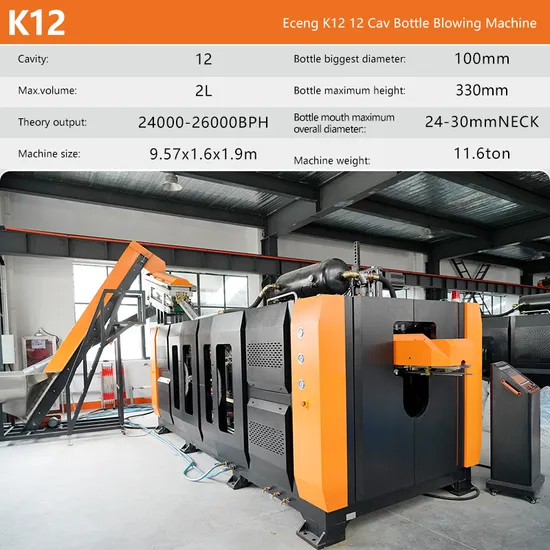
Configuration Guide for Linear Bottle Blowing Machine
Выбор номера полости
The cavity number defines how many bottles the machine produces per cycle and directly impacts output capacity and footprint. Common configurations include 1, 2, 4, 6, 8, or 12 cavities. When selecting the cavity number:
- Требования к производству: Match cavity count to your desired output (bottles per hour). For instance, a 4-cavity machine running at 800 cycles/hour produces 3,200 bottles/hour.
- Space Constraints: Larger cavity machines require more floor space and stronger structural support.
- Changeover Flexibility: Lower cavity machines offer faster format changes and are ideal for short production runs or multiple SKUs.
- Учет затрат: Higher cavity machines have greater initial investment but lower cost per bottle at high volumes.
Select a cavity number that balances production goals, operational flexibility, and available resources.
Диапазон объемов бутылок
Linear blowing machines are typically designed to handle a specific range of bottle volumes, commonly from 100 ml to 2,000 ml. Key considerations:
- Machine Design: Ensure the machine’s mold opening, stretch rod stroke, and pressure system support your target bottle sizes.
- Совместимость с пресс-формами: Confirm that molds for your desired volumes are available or can be custom-fabricated.
- Output Consistency: Machines perform best when operating within their optimal volume range—avoid extremes unless specifically configured.
- Application Needs: PET water, carbonated soft drinks (CSD), juices, and hot-fill applications may require different wall thicknesses and design tolerances.
Verify that your required bottle volumes fall within the machine’s specified operating range for reliable performance.
Совместимость форм
Preform compatibility is critical for successful bottle production. Consider the following:
- Размеры преформы: Match the machine’s preform handling system (feed rails, grippers, heaters) to the length, diameter, and neck finish (e.g., PCO 1881, 38 mm, 110 mm) of your preforms.
- Preform Quality: Use preforms with consistent crystallinity and low moisture content to ensure even heating and uniform blowing.
- Система отопления: Ensure the infrared oven is adjustable and compatible with the preform wall thickness and resin type (e.g., standard PET, heat-set PET).
- Neck Support: Confirm that the machine supports the neck finish during blowing to prevent deformation, especially for wide-mouth or hot-fill bottles.
Always conduct trials with your specific preforms before full-scale production.
Вспомогательное оборудование (компрессор/холодильник)
Auxiliary equipment is essential for stable and efficient operation of a linear blowing machine.
Воздушный компрессор
- Назначение: Supplies high-pressure air (typically 25–40 bar) for the blowing process.
- Вместимость: Size the compressor based on the machine’s air consumption (CFM or m³/min), considering cavity number and cycle speed.
- Качество воздуха: Use oil-free compressors with proper filtration (ISO 8573-1 Class 1) to prevent contamination of bottles.
- Хранение: Include an air receiver tank to stabilize pressure and handle peak demand.
Охладитель
- Назначение: Cools molds to ensure rapid cycle times and dimensional stability of bottles.
- Мощность охлаждения: Select a chiller with sufficient capacity (in kW or tons of refrigeration) based on mold surface area and cycle rate.
- Контроль температуры: Maintain mold temperature typically between 10–15°C, depending on resin and bottle type.
- Качество воды: Use treated, deionized water to prevent scaling and corrosion in cooling channels.
Ensure both compressor and chiller are properly sized, installed, and maintained to support continuous, high-quality production.
In conclusion, sourcing a linear bottle blowing machine from China presents a compelling opportunity for cost-effective, high-quality manufacturing solutions. However, ensuring long-term operational efficiency and reliability hinges on two critical factors: a comprehensive Factory Acceptance Test (FAT) and robust spare parts support. Conducting a thorough FAT—either in person or through a trusted representative—allows buyers to verify machine performance, control systems, safety features, and output quality before shipment, significantly reducing the risk of post-delivery issues. Equally important is securing a reliable spare parts supply chain, preferably with an inventory of critical components and clear service agreements. Choosing a reputable Chinese supplier with a proven track record of post-sale support, technical assistance, and readily available spare parts ensures minimal downtime and sustained production efficiency. By prioritizing FAT validation and spare parts accessibility, businesses can confidently invest in Chinese-made linear bottle blowing machines, achieving both operational excellence and long-term cost savings.






