
With rising global demand for sustainable hydration solutions, the water bottling industry is rapidly adopting automated, high-efficiency production systems. As brands prioritize speed, precision, and scalability, sourcing the right water bottle making machine has become a strategic imperative. This 2026 audit identifies the top eight manufacturers delivering competitive pricing without compromising performance, reliability, or technological innovation—empowering producers to meet evolving market demands with confidence.
Os 8 principais fabricantes de máquinas para fabricar garrafas de água (lista de auditoria de 2026)
(Classificado por Capacidade de Produção e Pontuação de Confiança)
Professional Sourcing Guide: Water Bottle Making Machine Price
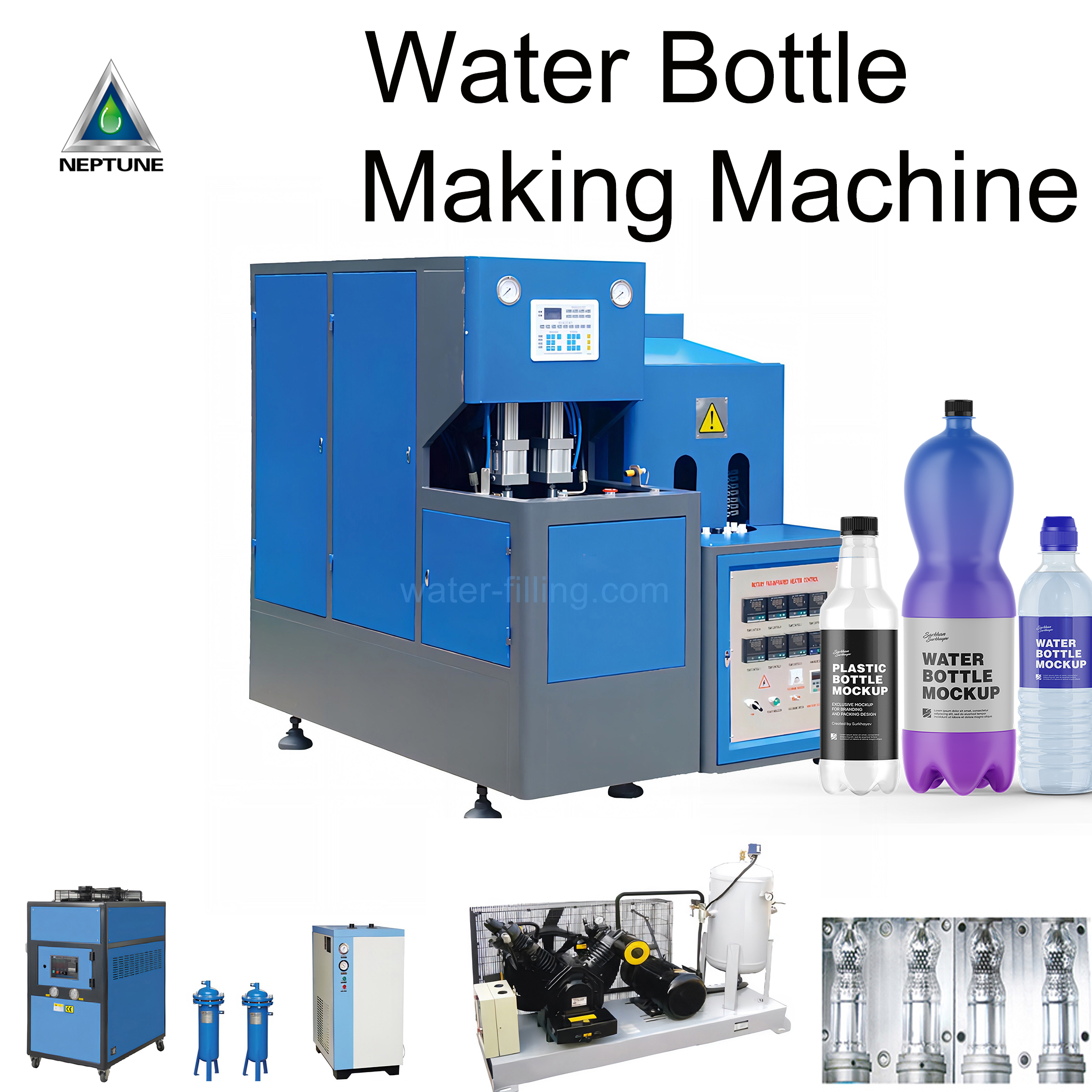
2026 Global Market Trends for Water Bottle Making Machine Price: Focus on High-Speed Production, Energy Saving Technologies, and Automation Level
As global demand for bottled water continues to rise, the water bottle making machine industry is undergoing significant transformation. By 2026, key drivers such as the need for high-speed production, integration of energy-saving technologies like servo motors, and increased automation levels are shaping both machine capabilities and pricing structures. This analysis explores how these technological advancements are influencing the cost and value proposition of water bottle making machines in the global market.
High-Speed Production: Driving Efficiency and Premium Pricing
High-speed production remains a dominant trend in the water bottle making machine market. Manufacturers are increasingly investing in machines capable of producing over 40,000 bottles per hour (BPH), with top-tier models reaching up to 72,000 BPH. This push for higher output is driven by the expansion of bottled water brands, especially in emerging markets across Asia-Pacific and Africa.
The adoption of high-speed systems directly influences machine pricing. Machines with enhanced blow molding stations, rapid cycling mechanisms, and advanced preform feeding systems command premium prices—often 20–35% higher than standard-speed models. However, the return on investment (ROI) is compelling due to reduced labor costs per unit and improved throughput. By 2026, the average price for high-speed water bottle making machines (40,000+ BPH) is projected to range from $450,000 to $850,000, depending on configuration and regional supply chain dynamics.
Energy Saving Technologies: Servo Motors Redefining Efficiency and Cost
Energy efficiency has become a critical competitive factor, especially with rising energy costs and tightening environmental regulations. The integration of servo motor technology is revolutionizing the energy performance of water bottle making machines. Unlike traditional hydraulic systems, servo motors offer precise control, lower energy consumption (up to 40–50% reduction), and reduced heat generation.
By 2026, over 70% of new water bottle making machines are expected to be equipped with full or hybrid servo-driven systems. These energy-saving features not only lower operational costs but also influence initial machine pricing. Servo-equipped models typically carry a 15–25% price premium over conventional machines. However, this is increasingly offset by government incentives for energy-efficient industrial equipment in regions like the EU and North America. Moreover, lifecycle cost analysis shows that servo-driven machines achieve cost parity within 2–3 years due to energy savings and reduced maintenance.
Automation Level: From Semi-Automatic to Fully Integrated Smart Systems
Automation is rapidly advancing across the water bottling sector. By 2026, the market is witnessing a shift from semi-automated to fully automated and even AI-integrated systems. Modern water bottle making machines now feature automated preform loading, in-line quality inspection, self-diagnostic capabilities, and seamless integration with upstream/downstream packaging lines.
The level of automation significantly impacts pricing. Fully automated machines with Industry 4.0 capabilities, including IoT connectivity and predictive maintenance systems, can cost between $600,000 and $1.2 million. In contrast, basic semi-automated models remain in the $200,000–$350,000 range. The growing demand for smart factories is pushing mid-tier manufacturers to adopt modular automation solutions, which balance cost and functionality. As automation becomes standard, the price differential is expected to narrow, but premium for cutting-edge AI and robotics integration will persist.
Conclusion: Converging Trends Shaping Future Pricing
By 2026, the global price of water bottle making machines will be increasingly determined by the convergence of high-speed production, energy-efficient servo technologies, and advanced automation. While these innovations elevate upfront costs, they deliver long-term value through operational efficiency, sustainability compliance, and scalability. Manufacturers who invest in integrated, smart, and energy-conscious machines will gain competitive advantage, driving market segmentation where premium pricing reflects technological sophistication and total cost of ownership benefits.
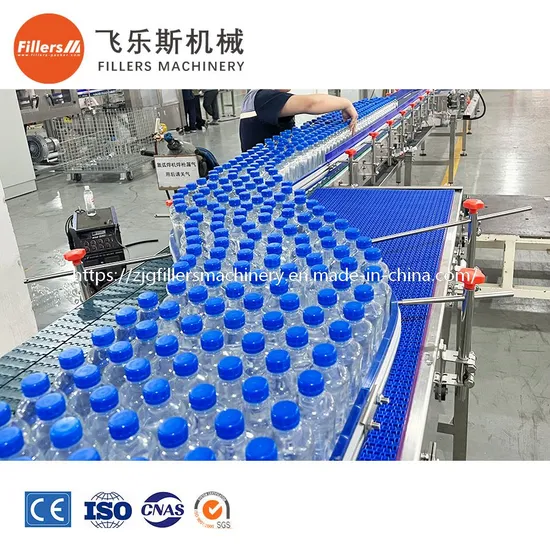
Key Quality Verification Points for Water Bottle Making Machine Manufacturers
When evaluating a water bottle making machine manufacturer based on price, it’s crucial to verify quality beyond the initial cost. Focusing on core technical and operational aspects ensures long-term reliability and return on investment. Below are the essential check points to assess:
Material do molde (Alumínio vs. Aço)
The mold material significantly impacts durability, production lifespan, and bottle quality. Always confirm the type of material used:
- Moldes de aço (such as P20, H13, or 420 stainless steel) are preferred for high-volume production due to superior hardness, wear resistance, and longer service life (often exceeding 1–2 million cycles).
- Moldes de alumínio are lighter and less expensive but wear faster, making them suitable only for low-volume or prototype runs.
– Request material certification or test reports, and verify surface treatment (e.g., chrome plating) to prevent corrosion and ensure consistent bottle clarity.
Marca de PLC (Siemens vs. Mitsubishi)
The Programmable Logic Controller (PLC) is the machine’s brain—its reliability affects automation precision and downtime:
- Siemens and Mitsubishi are industry-leading brands known for stability, user-friendly interfaces, and global technical support.
– Avoid machines using unbranded or low-tier PLCs, which may lead to frequent failures or difficulty in troubleshooting.
– Ask for the specific PLC model used and verify availability of firmware updates and compatibility with local service providers.
Eficiência do tempo de ciclo
Cycle time directly influences production capacity and operational cost:
– Request documented cycle time data for standard bottle sizes (e.g., 500ml, 1L) under real-world conditions.
– Compare manufacturer claims with industry benchmarks—efficient machines typically achieve 8–12 seconds per cycle for single-cavity systems.
– Inquire about energy-saving features (e.g., servo-driven hydraulics) that maintain speed while reducing power consumption.
– Conduct a live demonstration or video run test to verify consistency and stability over extended operation.
Disponibilidade de peças sobressalentes
Timely access to spare parts minimizes downtime and ensures smooth operations:
– Confirm whether the manufacturer maintains a local or regional spare parts inventory.
– Ask for a complete spare parts list with pricing and average lead times for critical components (e.g., heating elements, seals, sensors).
– Verify if common wear parts (O-rings, nozzles, molds) are standardized and easily replaceable.
– Prefer manufacturers offering service contracts or partnering with local distributors for faster support.
By rigorously evaluating these four key areas—Mold Material, PLC Brand, Cycle Time Efficiency, and Spare Parts Availability—you can ensure the water bottle making machine offers not just a competitive price, but also sustained quality and performance.
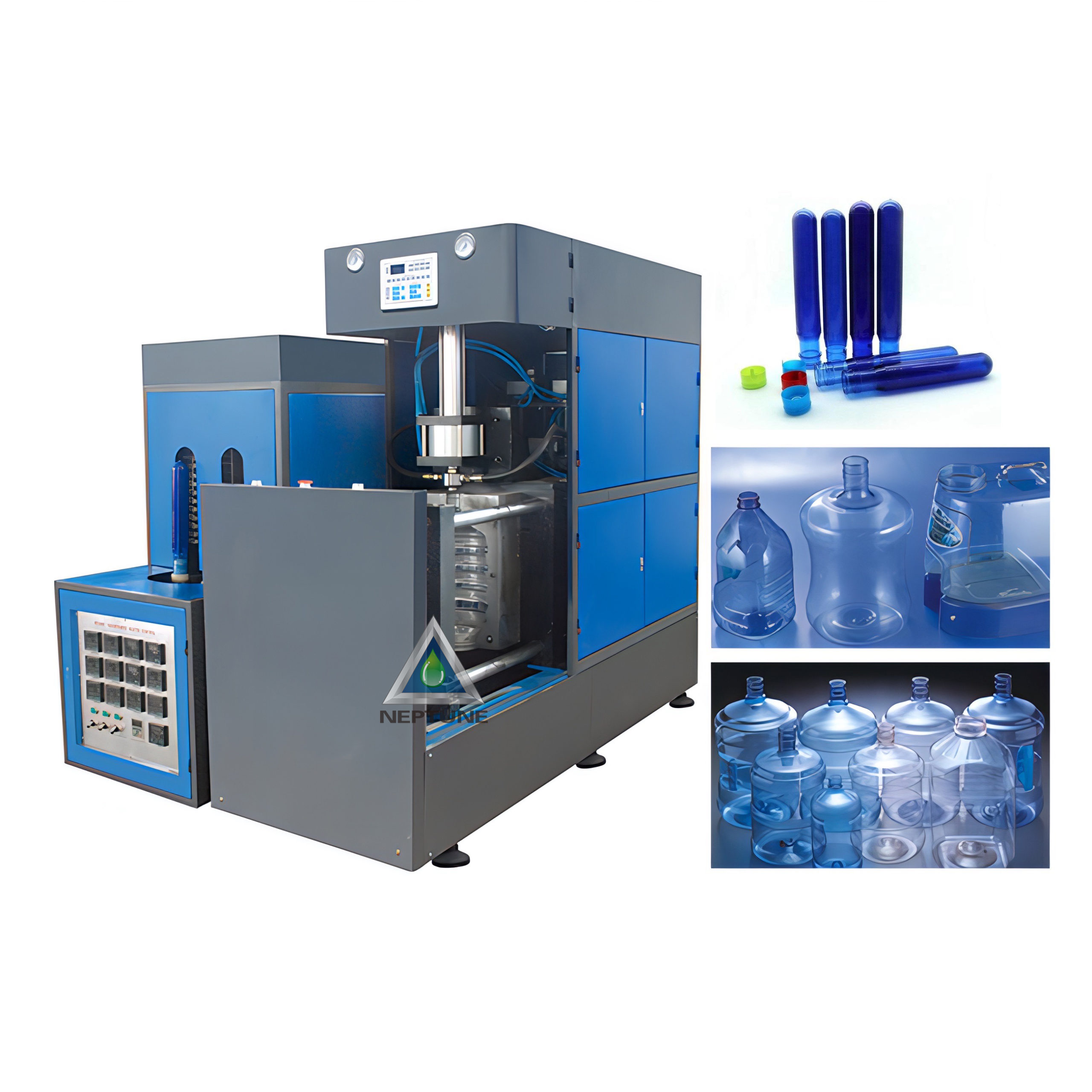
Configuration Guide for Water Bottle Making Machine Price
When evaluating the price and overall configuration of a water bottle making machine (typically a stretch blow molding machine), several key factors must be considered. These elements directly influence the machine’s cost, production capacity, and suitability for your specific application. Below is a detailed guide covering the most critical aspects.
Seleção do número da cavidade
The cavity number refers to how many bottles the machine can produce in a single cycle. This is one of the most significant cost drivers.
- Cavidade única (1-cavidade): Ideal for small production runs, testing, or startups. Lower initial cost but limited output. Suitable for R&D or niche markets.
- Double to Four Cavity (2–4 cavities): Balanced option for medium-scale production. Offers a good mix of cost efficiency and output. Commonly used in regional bottling operations.
- Six to Twelve Cavity (6–12 cavities): Designed for high-volume production. Higher machine price but lower cost per bottle due to economies of scale. Requires more floor space and auxiliary support.
- Custom Multi-Cavity (16+ cavities): For large-scale commercial bottling (e.g., beverage brands). Highest machine cost but maximizes throughput.
Price Impact: Machine price increases nearly linearly with cavity count. However, the cost per cavity typically decreases as the total number increases due to shared systems (e.g., heating oven, control unit).
Gama de volumes de garrafas
The machine must be configured to handle the specific bottle sizes you plan to produce.
- Gama padrão: Most water bottle machines support volumes from 300 ml a 2000 ml. Machines optimized for narrow ranges (e.g., 500–750 ml) are more efficient and cost-effective.
- Wide Range Capability: Some machines offer adjustable molds and stretch rods to accommodate a broader size spectrum. This flexibility often increases machine complexity and price.
- Specialty Bottles: Odd shapes, wide mouths, or non-standard neck finishes may require custom mold tooling, increasing both machine and mold costs.
Price Impact: Machines with broader volume adaptability generally cost 10–20% more due to enhanced mechanical adjustability and control systems.
Compatibilidade de pré-formas
The machine must match the preform (injection-molded tube) specifications you intend to use.
- Neck Finish Standard: Most water bottles use PCO 1881 or 38 mm finish. Ensure the machine’s mold base and blow station support your preform’s neck design.
- Peso e comprimento da pré-forma: Machines are rated for specific preform dimensions. Using lightweight preforms (e.g., 18–28 g for 500 ml bottles) requires precise heating and stretching control.
- Preform Supplier Compatibility: Some machines are optimized for preforms from specific suppliers (e.g., Sidel, Krones). Verify compatibility to avoid performance issues.
Price Impact: Machines designed for lightweight or energy-efficient preforms may include advanced infrared heating and precise servo control, increasing cost by 15–25%.
Equipamento auxiliar (Compressor/Chiller)
Blow molding requires supporting systems for high-pressure air and temperature control.
Compressor de ar
- Requirement: Needed to provide high-pressure air (typically 25–40 bar) for bottle blowing.
- Capacidade: Should match machine output — e.g., 10–30 m³/min for a 6-cavity machine.
- Tipo: Oil-free compressors are recommended to prevent contamination.
- Cost Addition: Adds $8,000–$25,000 depending on size and quality.
Chiller / Cooling System
- Requirement: Cools molds to ensure rapid cycle times and consistent bottle quality.
- Capacidade: Typically 5–20 RT (refrigeration tons), depending on cavity count and cycle speed.
- Integration: Modern machines often include built-in or pre-piped chiller connections.
- Cost Addition: Adds $5,000–$15,000.
Price Impact: Including auxiliary equipment in the total package can increase the overall investment by 20–40%, but ensures seamless operation and optimal performance.
Resumo
To accurately assess water bottle making machine price, consider:
- Cavity number based on production volume.
- Bottle volume range matching your product line.
- Preform compatibility to ensure material efficiency and quality.
- Auxiliary equipment (compressor/chiller) as essential for full operation.
Choosing the right configuration balances upfront cost with long-term productivity and bottle quality. Always request a turnkey quotation that includes molds, auxiliary systems, and installation support for accurate budgeting.
In conclusion, sourcing a water bottle making machine from China offers a cost-effective and technologically advanced solution for scaling production efficiently. However, to ensure long-term reliability and operational continuity, it is crucial to prioritize suppliers who provide a comprehensive Factory Acceptance Test (FAT) as part of the procurement process. The FAT serves as a critical verification step, confirming that the machine meets the specified performance standards, safety requirements, and production capabilities before shipment. This proactive assessment minimizes the risk of post-installation issues and ensures seamless integration into your production line.
Equally important is the availability of robust spare parts support. Given the continuous operation demands of bottle manufacturing, access to genuine and readily available spare parts significantly reduces downtime and maintenance costs. When evaluating suppliers, choose partners with a proven track record of after-sales service, local or global spare parts inventory, and responsive technical assistance.
By emphasizing both a thorough FAT and reliable spare parts support, you not only safeguard your investment but also ensure sustained productivity, product quality, and operational efficiency in the long run.






