
As global demand for packaged water and ready-to-drink beverages continues to rise, manufacturers are under increasing pressure to adopt efficient, high-output bottling solutions. Automation, energy efficiency, and precision have become key drivers in the selection of water bottle blow moulding machines. In response, sourcing the right machinery partner is critical for maintaining competitive advantage, operational reliability, and scalability. This 2026 audit identifies the top 10 water bottle blow moulding machine manufacturers renowned for innovation, performance, and support—offering procurement teams and production leaders a strategic reference for informed B2B decision-making.
Os 10 principais fabricantes de máquinas de moldagem por sopro para garrafas de água (lista de auditoria de 2026)
(Classificado por Capacidade de Produção e Pontuação de Confiança)
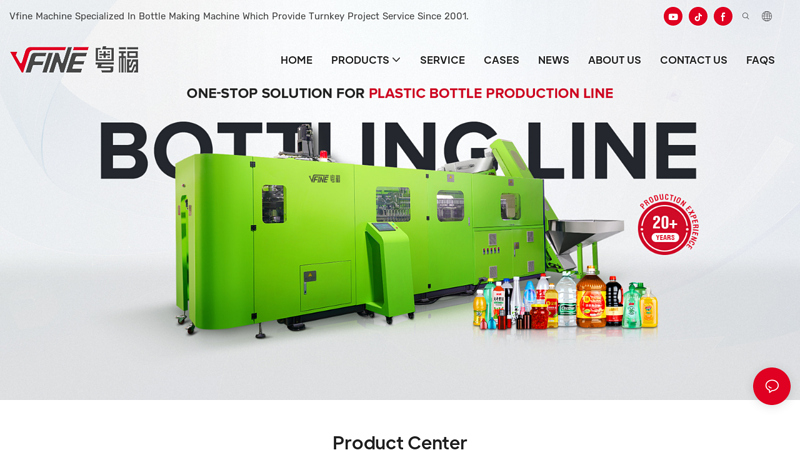
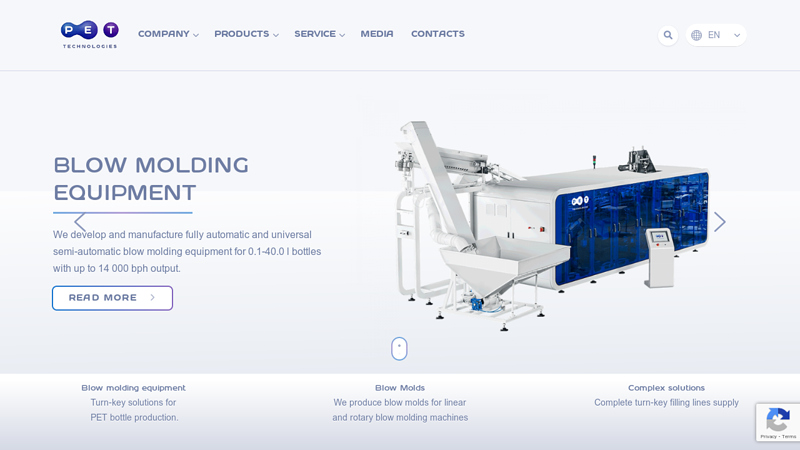
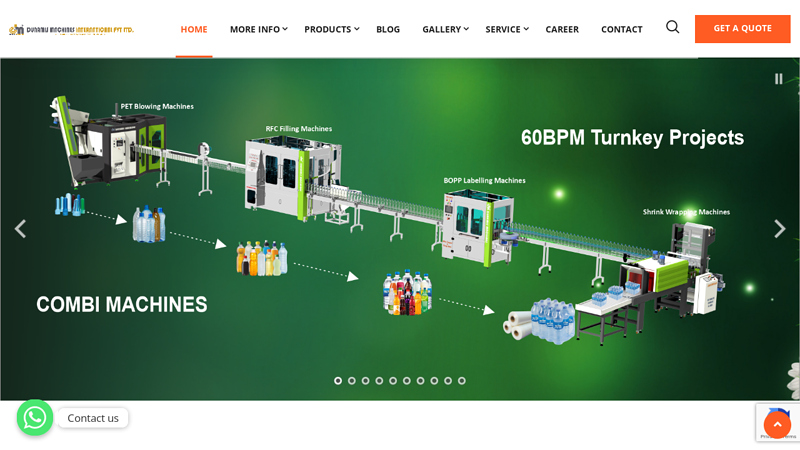
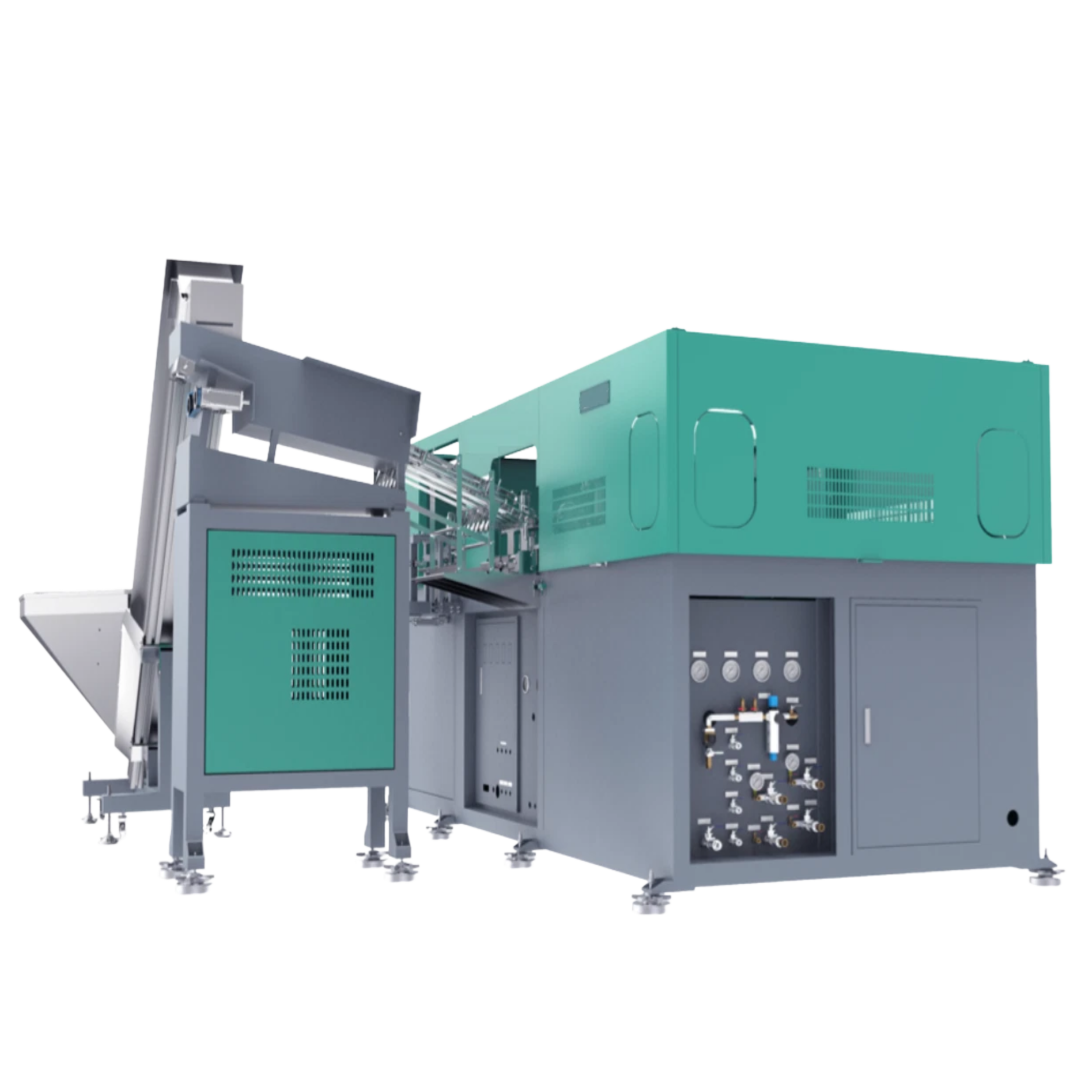

Professional Sourcing Guide: Water Bottle Blow Moulding Machine
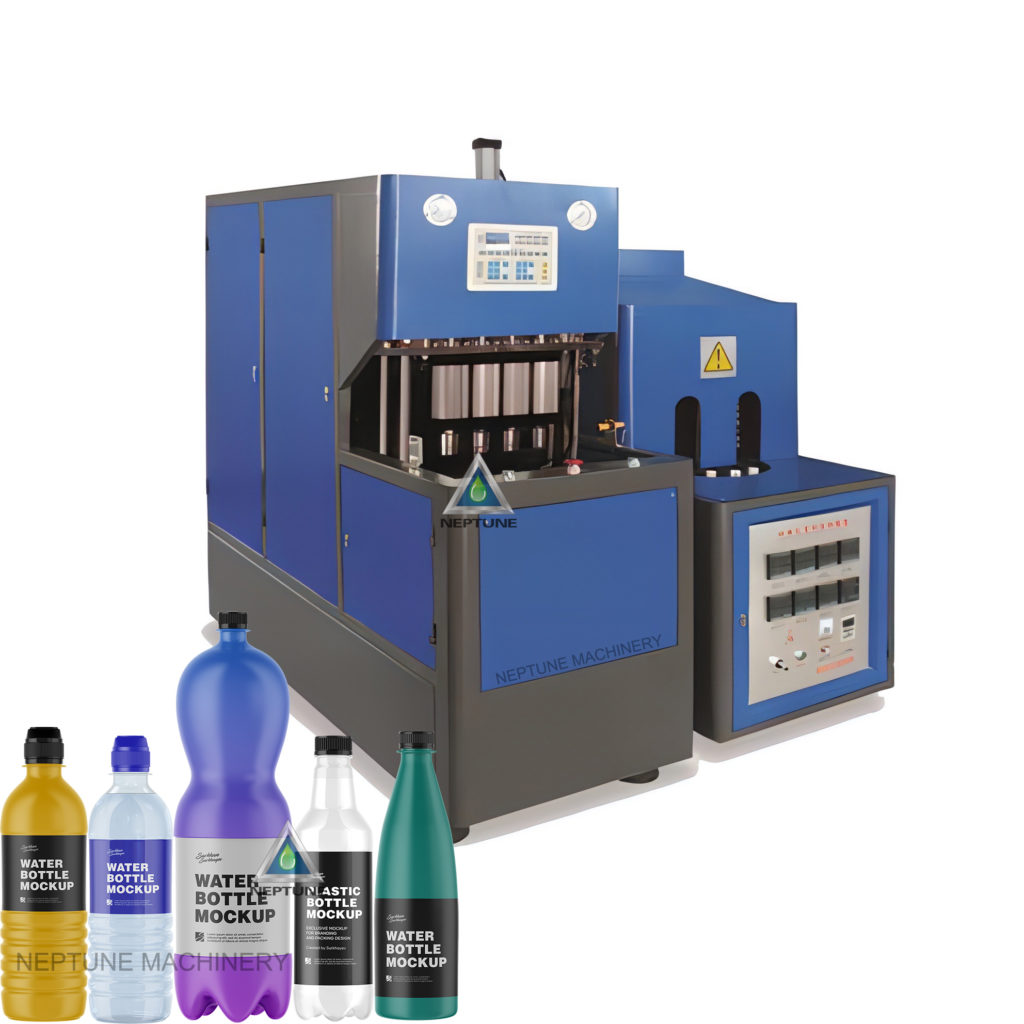
2026 Global Market Trends for Water Bottle Blow Moulding Machines: Focus on High-Speed Production, Energy Saving Technologies, and Automation
Produção a alta velocidade: Aumentar a eficiência e a produção
By 2026, the global water bottle blow moulding machine market will see high-speed production as a primary competitive differentiator. Manufacturers are increasingly investing in machines capable of producing over 20,000 bottles per hour, with top-tier models exceeding 40,000–50,000 bottles per hour, particularly in large-scale beverage production facilities.
Key drivers of high-speed demand include the rising global consumption of bottled water, especially in emerging economies, and the need for cost-effective packaging solutions in saturated markets. High-output machines reduce labor and operational costs per unit, improving overall profitability. Leading manufacturers such as Sidel, Krones, and Sacmi are launching next-generation rotary stretch blow moulding systems with shorter cycle times, advanced preform heating, and faster reconfiguration capabilities.
Additionally, modular designs that allow scalability are gaining traction, enabling producers to adjust output based on seasonal demand. The integration of real-time monitoring systems ensures consistent quality even at high speeds, minimizing downtime and waste. By 2026, high-speed machines are expected to dominate over 60% of new installations in North America, Europe, and Asia-Pacific regions.
Tecnologias de poupança de energia: Aumento da integração de servomotores
Energy efficiency has become a critical factor in the design and selection of blow moulding machines, with servo motor technology leading the charge in sustainable manufacturing. By 2026, nearly 85% of new blow moulding machines are projected to incorporate full or hybrid servo-driven systems, replacing traditional hydraulic systems.
Servo motors offer precise control over movement, reducing energy consumption by up to 40–50% compared to hydraulic counterparts. These motors only consume power when in motion, significantly lowering idle energy use. Additionally, servo-driven machines generate less heat, reducing cooling requirements and extending component lifespan.
Environmental regulations and corporate sustainability goals are accelerating adoption. For example, the EU’s Green Deal and similar initiatives in North America and Japan are pushing manufacturers to reduce carbon footprints. Servo technology also enables quieter operation and improved machine responsiveness, contributing to better workplace environments and tighter process control.
Innovations such as regenerative braking systems—where energy from deceleration is recaptured—are being piloted in premium models. As energy costs continue to rise globally, the return on investment (ROI) for servo-based systems is expected to shorten, making them the standard in both new installations and retrofits by 2026.
Automation Level: Towards Fully Integrated Smart Factories
Automation is transforming the water bottle blow moulding segment, with the industry moving toward fully integrated, Industry 4.0-ready production lines. By 2026, the automation level in blow moulding machines will reach unprecedented heights, incorporating AI-driven process optimization, predictive maintenance, and seamless integration with upstream (preform handling) and downstream (filling, labeling, packaging) systems.
Modern machines increasingly feature built-in SCADA (Supervisory Control and Data Acquisition) systems and IoT connectivity, allowing remote monitoring, real-time performance analytics, and automatic parameter adjustments. This reduces reliance on manual intervention and minimizes human error. Robotics are being used for preform loading, finished bottle handling, and quality inspection, enabling lights-out manufacturing in some facilities.
Artificial intelligence and machine learning algorithms are being deployed to analyze production data and predict tool wear, optimize energy use, and improve cycle consistency. For instance, AI can dynamically adjust blow pressure and temperature profiles based on ambient conditions and material batch variances.
Moreover, OEMs are offering cloud-based platforms that allow operators to manage multiple machines across global facilities from a single dashboard. This trend is especially strong among multinational beverage companies seeking standardized, efficient operations.
By 2026, over 70% of new blow moulding machines in developed markets are expected to include advanced automation features, with emerging markets rapidly adopting mid-level automation to remain competitive. Fully autonomous blow moulding cells—requiring minimal human oversight—are projected to become commercially viable by the mid-2020s, further reshaping the market landscape.
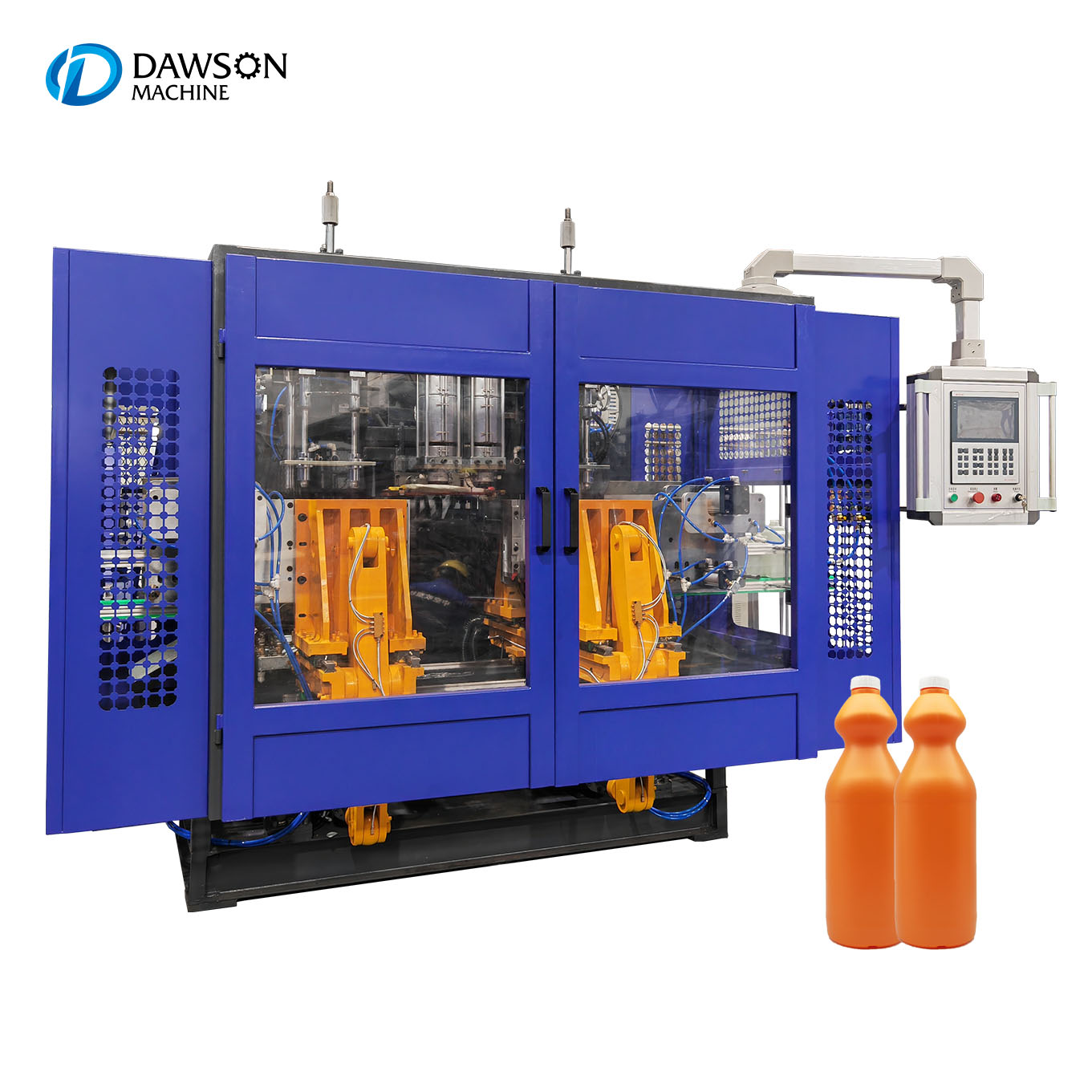
Key Quality Verification Points for Water Bottle Blow Moulding Machine Manufacturers
When evaluating a water bottle blow moulding machine manufacturer, focusing on critical technical and operational aspects ensures you select a reliable and high-performing machine. Below are four essential check points to verify quality effectively.
Material do molde (Alumínio vs. Aço)
The choice of mold material significantly impacts durability, production speed, and product quality. Verify the following:
- Moldes de aço: Preferred for high-volume production due to superior durability, longer lifespan, and resistance to wear. Ideal for PET bottles requiring precise dimensional accuracy and glossy finish.
- Moldes de alumínio: Lighter and offer faster cooling cycles, suitable for prototypes or low-to-medium production runs. However, they wear faster and are less resistant to abrasion.
- Sugestão de verificação: Request certification or material test reports (MTRs) for mold steel (e.g., P20, H13) and confirm surface treatment (e.g., chrome plating) for corrosion resistance.
Marca de PLC (Siemens vs. Mitsubishi)
The PLC (Programmable Logic Controller) is the machine’s brain, governing automation, precision, and reliability.
- PLCs Siemens: Known for robust performance, excellent diagnostics, and strong global service support. Common in high-end European machinery.
- PLCs Mitsubishi: Offer high-speed processing, ease of integration, and are widely used in Asian-manufactured equipment with reliable performance.
- Sugestão de verificação: Confirm the exact model (e.g., Siemens S7-1200, Mitsubishi FX5) and ensure the control interface is user-friendly with multilingual support and remote monitoring capability.
Eficiência do tempo de ciclo
Cycle time directly affects production capacity and operational cost.
– Evaluate the machine’s claimed cycle time (seconds per bottle) under real conditions — ideally via a production trial.
– Compare with industry benchmarks (e.g., 8–12 seconds for a 500ml bottle on a 6–12 cavity machine).
– Assess energy consumption per cycle and consistency across multiple runs.
- Sugestão de verificação: Request a detailed performance report from existing customers or conduct an on-site trial to measure actual output versus rated capacity.
Disponibilidade de peças sobressalentes
Timely access to spare parts minimizes downtime and ensures long-term machine reliability.
– Confirm if the manufacturer maintains a local or regional spare parts warehouse.
– Inquire about the lead time for critical components (e.g., stretch rods, HV/LV molds, sealing rings).
– Check if parts are standardized or proprietary — standardized parts (e.g., from SKF, Festo) are easier to source.
- Sugestão de verificação: Ask for a comprehensive spare parts list with pricing and availability, and verify if the supplier offers preventive maintenance programs and technical support.
By thoroughly assessing these four check points — mold material, PLC brand, cycle time efficiency, and spare parts availability — you can confidently verify the quality and reliability of a water bottle blow moulding machine manufacturer.
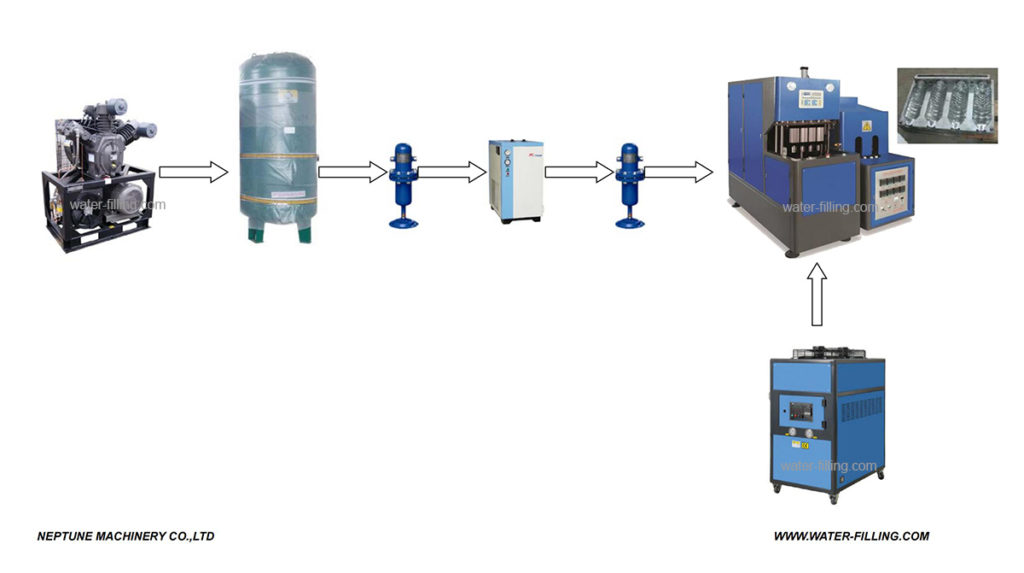
Configuration Guide for Water Bottle Blow Moulding Machine
Seleção do número da cavidade
The cavity number determines how many bottles are produced per cycle and directly impacts production output and machine footprint. Selection depends on:
- Production Requirements: Higher output needs (e.g., 10,000+ bottles/hour) typically require 6, 8, or 12-cavity machines. Low to medium volume operations may use 2 or 4-cavity models.
- Tamanho da garrafa: Larger bottles (e.g., 5-gallon jars) often use fewer cavities due to mold size and cooling time constraints.
- Factory Space: Multi-cavity machines (8+ cavities) require more floor space and robust infrastructure.
- Budget: Higher cavity machines have greater initial costs but lower per-unit production costs at scale.
Recomendação: Match cavity count to your hourly/daily output goals. For example, a 6-cavity machine running 28g preforms at 800 cycles/hour produces ~28,800 500ml bottles/hour.
Gama de volumes de garrafas
Blow moulding machines are typically optimized for specific volume ranges. Key considerations:
- Gama padrão: Most water bottle machines handle volumes from 300 ml to 2 liters.
- Flexibilidade da máquina: Some models support a wider range (e.g., 200 ml to 5L) using changeable mold cores and programming.
- Wall Thickness Control: Smaller bottles require precise control to avoid over-thinning; larger bottles need uniform expansion and cooling.
- Mold Design: Bottle geometry (round, oval, ergonomic) affects volume capacity and mold complexity.
Note: Always confirm the machine’s specified volume range with the manufacturer. Operating outside this range may compromise bottle quality or machine performance.
Compatibilidade de pré-formas
The machine must be compatible with your preform specifications to ensure proper heating and blowing:
- Peso da pré-forma: Typically 18g to 36g for 500ml–1.5L bottles. Verify machine heater zone settings support your preform weight.
- Dimensões da pré-forma: Neck finish (e.g., 28mm PCO, 38mm) must match the machine’s mold holder and shuttle system.
- Material Type: Standard PET preforms are supported; verify compatibility if using recycled (rPET) or specialty resins.
- Fornecedor de pré-formas: Consistent preform quality (crystallinity, moisture content) is critical. Use preforms within machine tolerance.
Best Practice: Conduct a trial run with your preform batch to validate heating profile, stretch rod timing, and final bottle quality.
Equipamento auxiliar
Proper auxiliary systems are essential for stable and efficient operation.
Compressor
- Objetivo: Supplies clean, dry compressed air (10–40 bar) for blowing bottles.
- Capacidade: Minimum 1.5–2 times the machine’s peak air demand (e.g., 12-cavity machine may need 3–4 m³/min).
- Qualidade do ar: Requires oil-free compressors with filtration (ISO 8573-1 Class 1) to prevent contamination.
- Sistema de secagem: Desiccant or refrigerated dryers to maintain dew point below 3°C.
Refrigerador
- Objetivo: Cools molds and machine hydraulics to maintain dimensional stability and cycle time.
- Capacidade: Typically 1–2 tons per cavity (e.g., 6-cavity machine needs 6–12 tons of cooling).
- Controlo da temperatura: Maintain mold temperature between 10–15°C for water bottles.
- Qualidade da água: Use treated, low-conductivity water to prevent scaling in cooling channels.
Sugestão de integração: Ensure compressor and chiller are interlocked with the blow moulder for synchronized start/stop and safety.
In conclusion, sourcing a water bottle blow moulding machine from China offers a compelling combination of advanced manufacturing capabilities, cost efficiency, and technological innovation. However, ensuring long-term operational success hinges on two critical factors: a comprehensive Factory Acceptance Test (FAT) and reliable spare parts support. Conducting a thorough FAT is essential to verify the machine’s performance, precision, and compliance with agreed specifications before shipment, minimizing the risk of post-installation issues and ensuring a smooth commissioning process. Additionally, establishing clear agreements with the supplier for readily available spare parts, technical documentation, and responsive after-sales service is vital for minimizing downtime and maintaining continuous production. By prioritizing suppliers who offer structured FAT procedures and robust spare parts availability, buyers can safeguard their investment, enhance machine uptime, and achieve optimal return on investment. Ultimately, a strategic approach that emphasizes these key support elements ensures not just the acquisition of a machine, but the foundation of a reliable and efficient production line.






