
As demand for sustainable, high-speed bottling solutions continues to rise across the beverage, pharmaceutical, and FMCG sectors, automated PET bottle blowing technology has become a cornerstone of modern production efficiency. With increasing emphasis on energy optimization, reduced downtime, and scalable output, manufacturers worldwide are re-evaluating their sourcing strategies to align with next-generation equipment. This 2026 audit identifies the top 10 PET bottle blowing machine manufacturers demonstrating leadership in innovation, reliability, and automation integration—offering procurement teams and plant managers actionable insights for strategic investment decisions in a competitive global market.
Os 10 principais fabricantes de máquinas de sopro para garrafas pet (lista de auditoria de 2026)
(Classificado por Capacidade de Produção e Pontuação de Confiança)
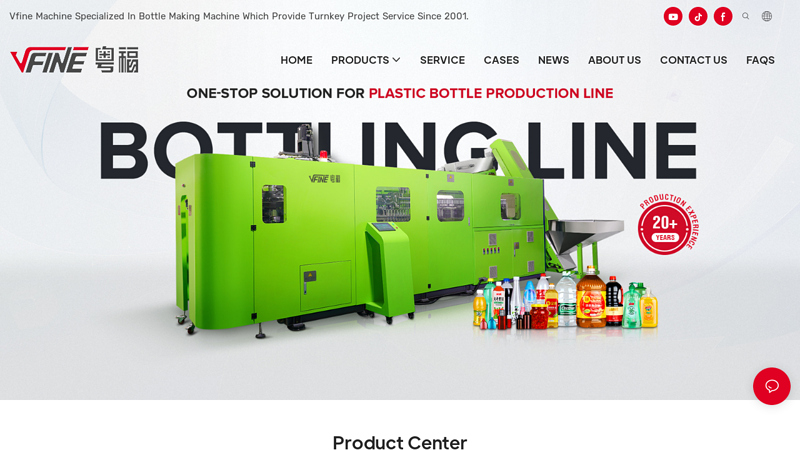
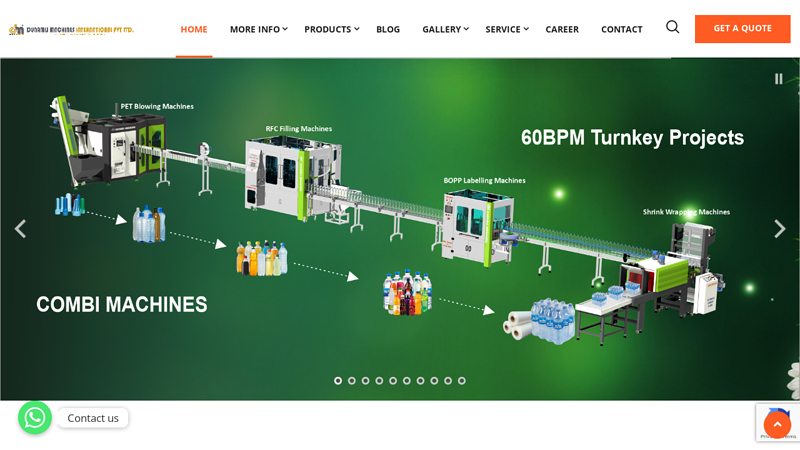
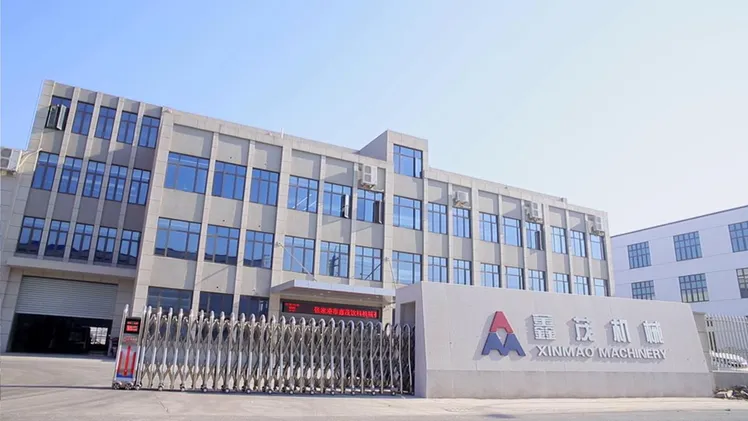
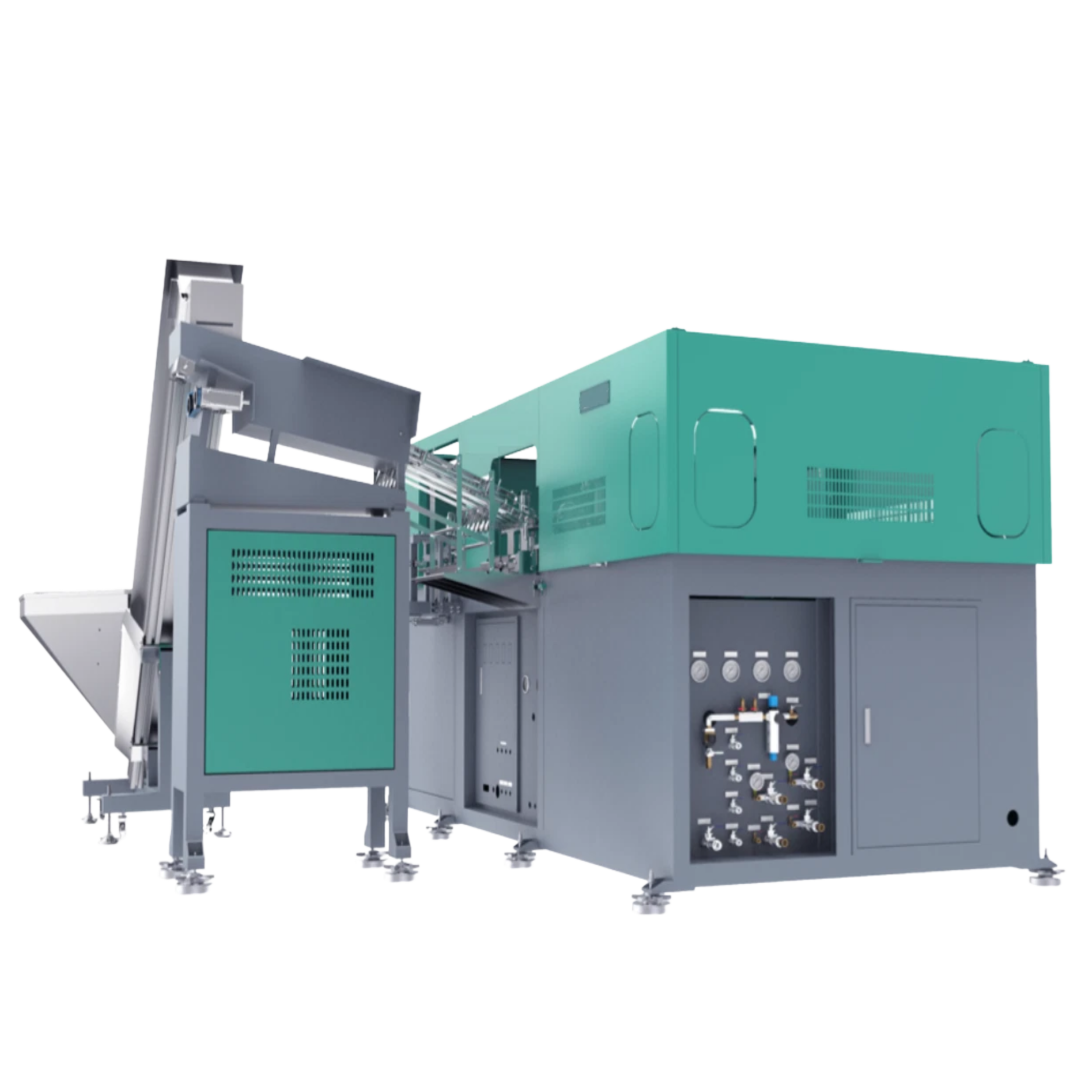
Professional Sourcing Guide: Pet Bottle Blowing Machine
H2: 2026 Global Market Trends for Pet Bottle Blowing Machines: Focus on High Speed, Energy Efficiency, and Automation
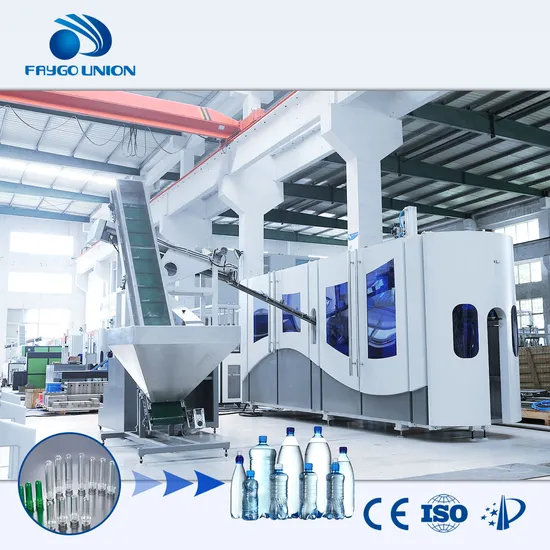
The global PET bottle blowing machine market is poised for significant transformation by 2026, driven by intense competition, sustainability mandates, and evolving consumer demands. Key trends center on maximizing efficiency through High-Speed Production, achieving operational sustainability via Energy-Saving Technologies (especially Servo Motors), and enhancing reliability and flexibility through heightened Automation Levels.
H2: High-Speed Production: The Unrelenting Pursuit of Output
- Fator de mercado: The primary driver remains the need for manufacturers (especially in beverage, water, and personal care) to reduce unit costs, meet fluctuating demand rapidly, and maximize return on capital investment in large-scale facilities. High-speed lines are essential for large-volume producers.
- 2026 Outlook: Speeds will continue to escalate. Machines capable of 40,000-60,000 bottles per hour (BPH) for standard sizes (e.g., 0.5L) are becoming the new benchmark for large systems. The focus will shift beyond raw speed to “Effective Output Rate” – minimizing downtime, changeover times, and rejects to maximize actual production.
- Tecnologias-chave:
- Multi-Stage, Multi-Cavity Systems: Expansion of systems with 16, 24, 28, or even 32 cavities.
- Advanced Preform Feeding & Handling: High-speed, reliable preform loading systems (linear, rotary) with minimal jams and precise orientation.
- Rapid Cycle Times: Optimization of the entire blowing cycle (loading, heating, blowing, ejection) through precise control and mechanical design.
- Integrated Inline Inspection: High-speed vision systems integrated directly into the blowing cycle to detect defects without slowing down the main line.
- Challenges: Increased maintenance demands, higher energy consumption (mitigated by servo tech), greater sensitivity to preform quality, and the need for robust downstream handling (conveying, packing).
H2: Energy Saving Technologies (Servo Motor): The Core of Sustainable Efficiency
- Fator de mercado: Soaring energy costs and stringent global ESG (Environmental, Social, Governance) regulations are forcing manufacturers to drastically reduce their carbon footprint and operational expenses. Servo technology is the cornerstone of this shift.
- 2026 Outlook: Servo-driven machines will become the dominant standard, especially in new installations and premium segments. The transition from hydraulic to full servo-electric or hybrid (servo for critical axes, hydraulic for others) systems will accelerate. The focus will be on demonstrable ROI through energy savings (often 30-50% reduction) and reduced environmental impact.
- Key Technologies & Impact:
- Servo-Driven Clamping Units: Replace energy-wasting hydraulic pumps with precise, on-demand electric motors, eliminating constant pump operation and heat generation.
- Servo-Driven Stretch Rods & Ejection: Provide precise control and only consume power during movement, significantly reducing idle energy use.
- Travagem regenerativa: Capturing energy during deceleration of heavy components (like molds).
- Optimized Heating Systems: Integration with servo controls allows for dynamic adjustment of IR oven power based on preform feed rate and ambient conditions.
- Benefits: Beyond energy savings: lower noise levels, reduced oil consumption/leaks, improved process control, cleaner operation (no hydraulic oil), and easier integration with automation.
H2: Automation Level: Towards Lights-Out Manufacturing and Flexibility
- Fator de mercado: Labor costs, skills shortages, the need for consistent quality, and demands for flexible production (handling diverse bottle designs, sizes, and materials) are pushing automation to new levels. The goal is “Factory of the Future” integration.
- 2026 Outlook: Automation will move beyond basic robotics for preform and bottle handling. The trend is towards fully integrated, data-driven, and flexible automated lines enabling higher OEE (Overall Equipment Effectiveness) and even lights-out operation for specific shifts.
- Key Technologies & Trends:
- Robótica avançada: Collaborative robots (cobots) for tasks like quality inspection, packaging integration, and handling fragile or complex bottles. Higher payload robots for palletizing.
- Integrated MES/SCADA Systems: Seamless data flow from the blowing machine to factory-wide Manufacturing Execution Systems for real-time monitoring, predictive maintenance, production tracking, and quality control.
- Automated Changeover (Auto-Change): Systems that automatically adjust mold heights, preform feeders, and oven settings for different bottle formats with minimal manual intervention, drastically reducing downtime.
- AI & Machine Learning: Used for predictive maintenance (analyzing vibration, pressure, temperature data to predict failures), optimizing blowing parameters in real-time for minimal energy/air usage and consistent quality, and detecting subtle defect patterns.
- Digital Twins: Virtual models of the machine and process used for simulation, optimization, training, and troubleshooting before physical implementation.
- Benefits: Increased productivity, reduced labor dependency, improved product consistency, faster changeovers, enhanced traceability, proactive maintenance reducing unplanned downtime, and greater operational flexibility.
Conclusão para 2026: The PET bottle blowing machine market in 2026 will be characterized by the convergence of these three pillars. High-speed machines will be inherently servo-driven to manage energy consumption, and deeply automated to maintain reliability, quality, and flexibility at those high speeds. Success will belong to manufacturers and machine builders who can deliver integrated solutions that maximize output, minimize environmental impact, and offer unprecedented levels of operational intelligence and flexibility. The “smart,” efficient, and sustainable high-speed line will be the standard for competitive PET production.
Key Quality Verification Points for Pet Bottle Blowing Machine Manufacturers
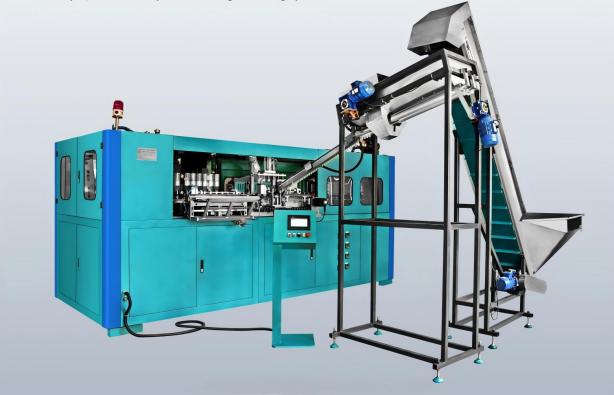
When evaluating a PET bottle blowing machine manufacturer, assessing critical components and performance indicators ensures reliability, efficiency, and long-term operational success. Focus on the following key check points:
Material do molde (Alumínio vs. Aço)
The choice of mold material directly impacts durability, production speed, and maintenance costs. Verify the following:
- Moldes de aço: Preferred for high-volume production due to superior durability, heat resistance, and longer lifespan. Confirm use of high-grade tool steel (e.g., P20, H13) with proper heat treatment.
- Moldes de alumínio: Suitable for prototypes or low-volume runs due to faster cooling and lighter weight but wear faster. Ensure anodized or coated aluminum if specified for improved wear resistance.
– Request material certification and inquire about mold cooling channel design and surface finish quality.
Marca de PLC (Siemens vs. Mitsubishi)
The Programmable Logic Controller (PLC) is the machine’s control center. Brand reliability affects performance and support:
- PLCs Siemens: Known for robust performance, advanced diagnostics, and global service support. Verify integration with Siemens HMI and drives for seamless operation.
- PLCs Mitsubishi: Offer excellent speed and precision, widely used in automation. Confirm use of genuine FX or Q series with comprehensive programming support.
– Ask for the specific PLC model and ensure the manufacturer provides full software documentation and remote troubleshooting capability.
Eficiência do tempo de ciclo
Cycle time determines production output and energy efficiency. Evaluate as follows:
– Request verified cycle time data for standard bottle sizes (e.g., 500ml) under real production conditions.
– Compare claimed cycle time with industry benchmarks (e.g., 8–12 seconds for a 2-stage ISBM machine).
– Inquire about energy-saving features (e.g., servo-driven stretch rods, optimized air pressure control) that contribute to consistent, efficient cycling.
– Conduct on-site testing or request video demonstrations to validate performance claims.
Disponibilidade de peças sobressalentes
Timely access to spare parts minimizes downtime and ensures continuous operation:
– Confirm if the manufacturer maintains a local or regional spare parts inventory.
– Request a complete spare parts list with part numbers, lead times, and pricing.
– Verify availability of critical wear components (sealing rings, valves, stretch rods, oven lamps).
– Prefer manufacturers offering service contracts, technical support, and global distribution networks for parts.
By thoroughly verifying these four key areas—mold material, PLC brand, cycle time efficiency, and spare parts availability—you can confidently select a high-quality PET bottle blowing machine manufacturer that meets your production needs and reliability standards.
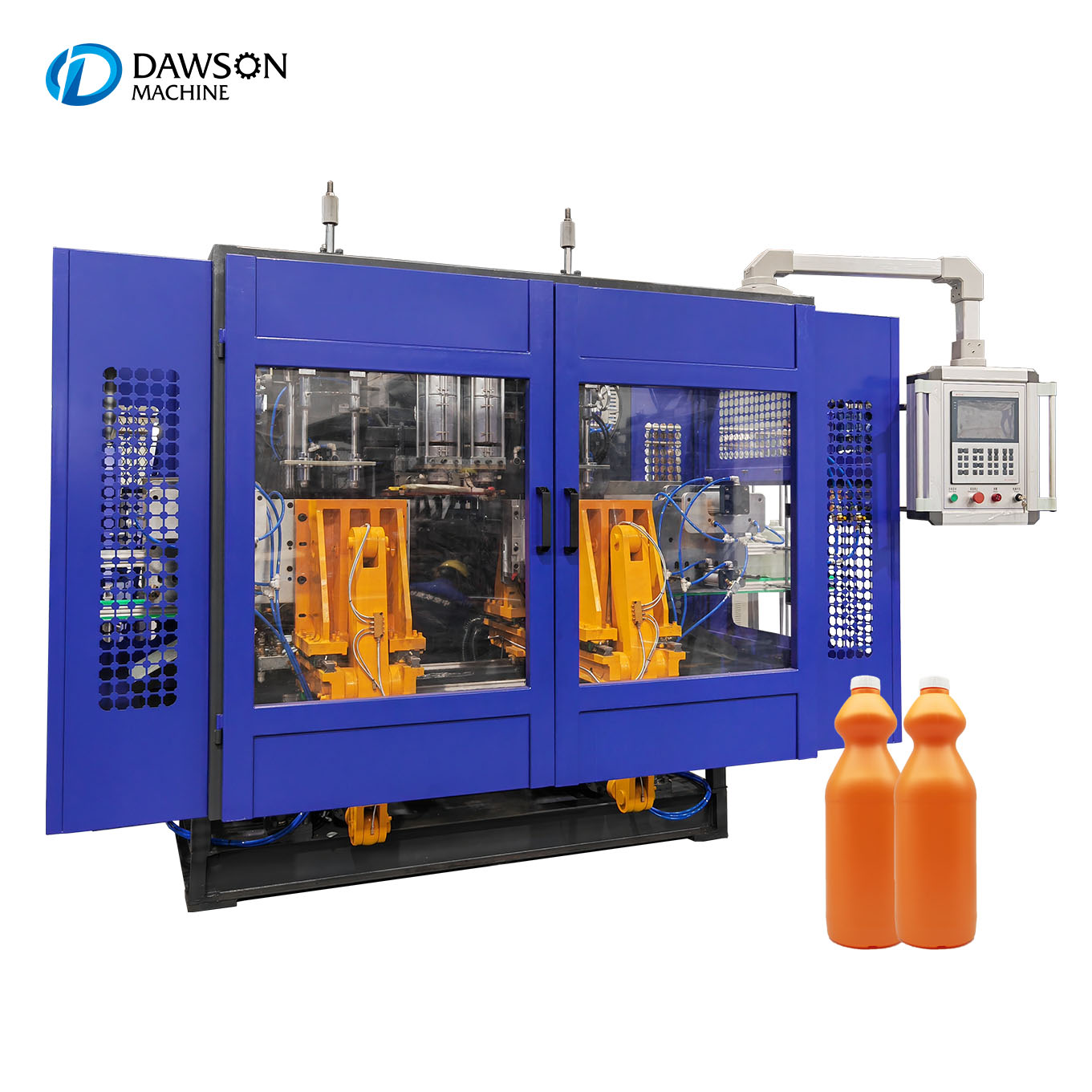
Configuration Guide for Pet Bottle Blowing Machine
Seleção do número da cavidade
The cavity number determines the machine’s output capacity and should be selected based on production requirements and space availability. Common configurations include 2, 4, 6, 8, 12, or 16 cavities. A higher cavity count increases production efficiency, making it suitable for high-volume operations, while smaller cavity machines offer flexibility for low to medium output and frequent product changeovers. Consider your target output (bottles per hour), factory layout, and budget when selecting the appropriate cavity number. Ensure that downstream packaging lines can handle the selected output rate.
Gama de volumes de garrafas
The blowing machine must support the required bottle volume range for your product line. Standard models typically accommodate volumes from 100 ml to 5 liters. Verify that the machine’s stretch rod sizes, mold bases, and control settings are compatible with your smallest and largest bottle designs. Some machines offer quick-change systems or adjustable molds to support a broader range of volumes. Always consult the manufacturer’s specifications to confirm the exact volume range supported by the chosen model.
Compatibilidade de pré-formas
Ensure the blowing machine is compatible with your preform specifications, including neck finish (e.g., PCO 1881, 38 mm, 28 mm), preform length, and wall thickness. The machine’s preform loader, heating oven (lamp arrangement and temperature zones), and gripping mechanisms must be adjustable to handle different preform geometries. Confirm that the machine supports both standard and lightweight preforms if needed. Compatibility with recycled (rPET) preforms should also be verified if sustainability is a priority.
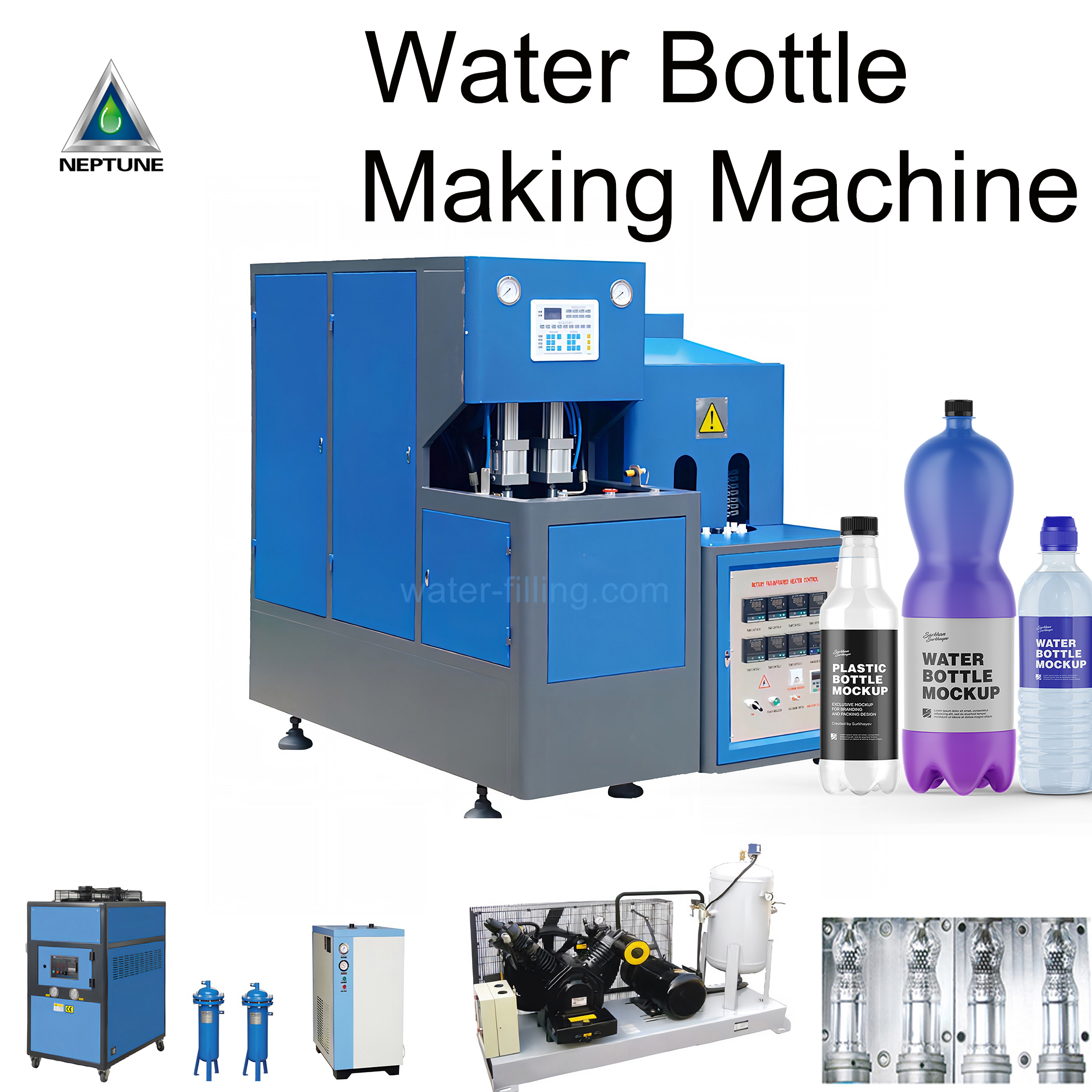
Equipamento auxiliar (Compressor/Chiller)
Proper auxiliary equipment is critical for stable operation and bottle quality.
- Compressor: A high-pressure oil-free air compressor is required to supply clean, dry air for the blowing process. Typical pressure requirements range from 28 to 40 bar, depending on bottle design and material. Air flow should match the machine’s cavity count and cycle time—calculate based on 0.4–0.6 Nm³/min per cavity. Include air dryers and filtration systems to prevent moisture and contaminants.
- Refrigerador: A process chiller is essential to cool molds and maintain consistent temperatures (typically 10–15°C). Heat buildup in molds can affect cycle time and bottle clarity. Chiller capacity should be sized according to the machine’s heat load, generally 1–1.5 kW per cavity. Use a closed-loop system with corrosion-resistant components for longevity.
Ensure electrical, water, and air connections meet local standards and machine specifications.
In conclusion, sourcing a PET bottle blowing machine from China offers a compelling combination of advanced technology, cost-efficiency, and scalable manufacturing capabilities. However, to ensure long-term reliability and operational success, it is crucial to prioritize suppliers that provide a comprehensive Factory Acceptance Test (FAT) before shipment. The FAT serves as a critical validation step, confirming that the machine meets specified performance standards, safety requirements, and production expectations under real operating conditions. This proactive assessment minimizes the risk of post-installation issues and ensures a smoother commissioning process at the destination.
Equally important is the availability of robust spare parts support. Given the continuous operation demands of bottling lines, having timely access to genuine spare parts and responsive technical service is essential to minimize downtime and maintain production efficiency. Therefore, selecting a Chinese manufacturer with a proven track record of after-sales service, readily available spare parts inventory—either locally or through efficient global logistics—and clear support channels is vital.
By focusing on suppliers that offer a thorough FAT process and reliable spare parts support, businesses can mitigate risks, enhance machine uptime, and achieve a faster return on investment. Ultimately, a well-vetted Chinese PET blowing machine supplier, backed by rigorous testing and strong service commitments, can be a strategic partner in ensuring production excellence and long-term operational success.






