
As global demand for sustainable, high-speed bottling solutions continues to rise, manufacturers are increasingly prioritizing automation and energy efficiency in plastic bottle production. The blow molding machine market is evolving rapidly, driven by advancements in precision control, reduced cycle times, and integration with smart factory systems. In this 2026 audit, we evaluate the top eight manufacturers delivering competitive pricing without compromising performance, reliability, or technological innovation—helping sourcing professionals make informed decisions in a dynamic B2B landscape.
Os 8 principais fabricantes de máquinas de moldagem por sopro para garrafas de plástico (lista de auditoria de 2026)
(Classificado por Capacidade de Produção e Pontuação de Confiança)
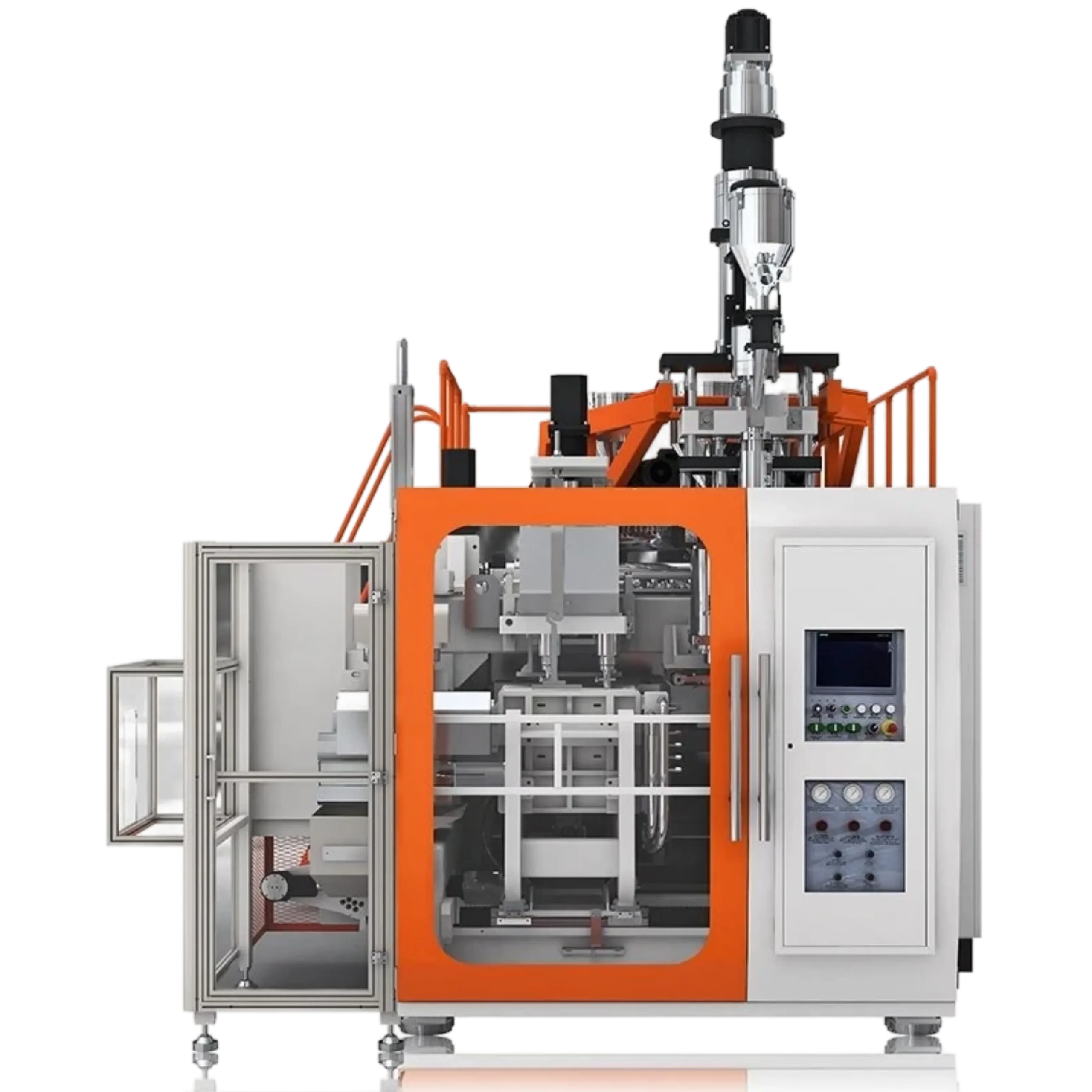

Professional Sourcing Guide: Plastic Bottle Blow Molding Machine Price
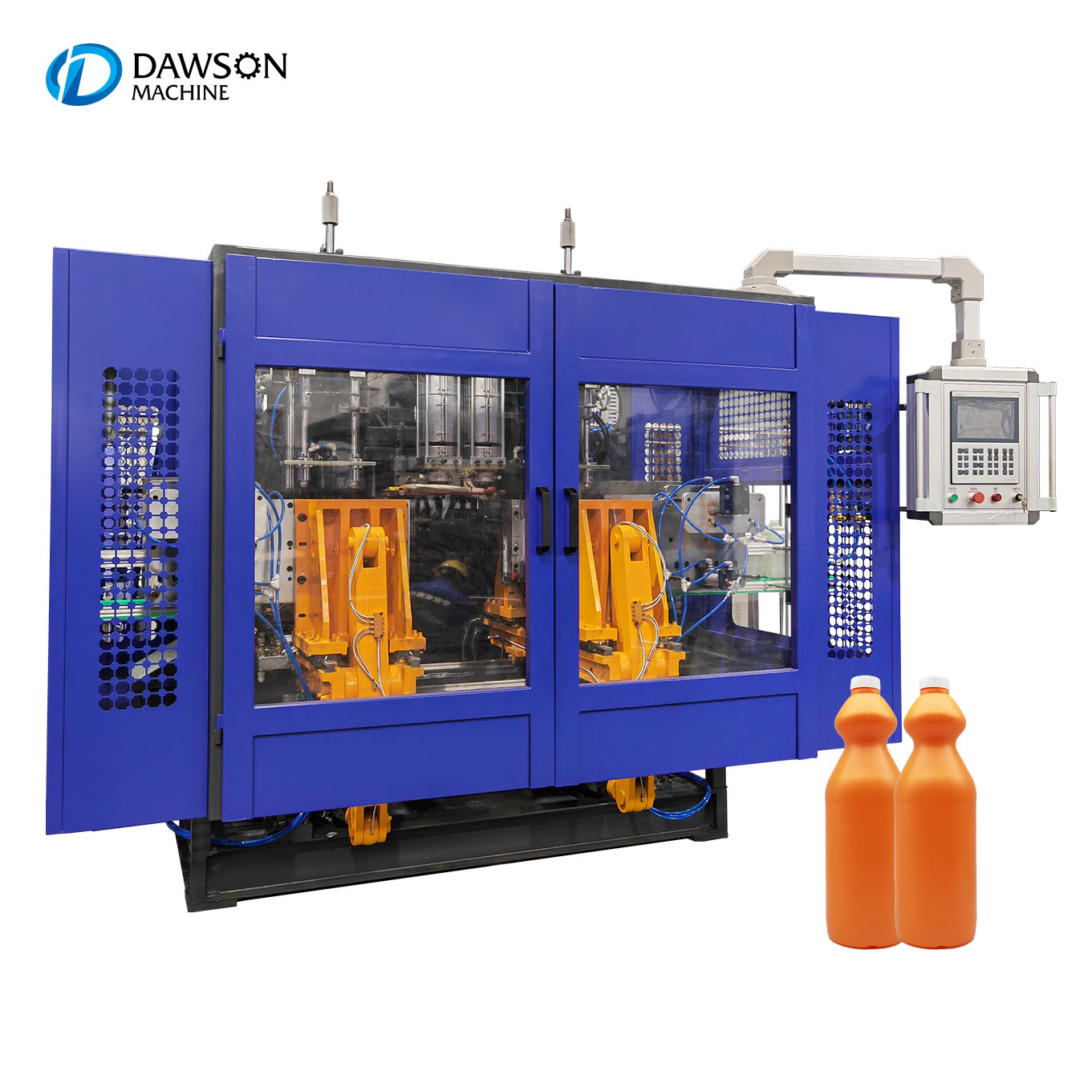
2026 Global Market Trends for Plastic Bottle Blow Molding Machine Prices: Focus on High-Speed Production, Energy Saving Technologies (Servo Motors), and Automation Level
As the global packaging industry evolves in response to sustainability demands, rising energy costs, and increasing production needs, the market for plastic bottle blow molding machines is undergoing significant transformation. By 2026, key drivers such as high-speed production capabilities, energy-efficient technologies—particularly servo motor systems—and advanced automation are expected to reshape machine pricing, performance expectations, and competitive positioning. This analysis explores how these three pivotal factors will influence the price trends of plastic bottle blow molding machines globally.
High-Speed Production Driving Price Premiums
High-speed production remains a top priority for beverage, pharmaceutical, and consumer goods manufacturers seeking to maximize throughput and reduce unit costs. In 2026, blow molding machines capable of producing over 20,000 bottles per hour are becoming increasingly standard in developed markets, with some advanced systems exceeding 40,000 bottles per hour.
This push for speed directly impacts machine pricing. High-speed models incorporate advanced parison control systems, rapid mold-changing mechanisms, and reinforced mechanical structures to handle increased operational stress. As a result, these machines command a price premium of 20–35% compared to standard-speed counterparts. Manufacturers in Asia-Pacific—particularly China and India—are investing heavily in high-speed lines to meet domestic demand and export requirements, further driving global competition and price differentiation.
Moreover, the integration of real-time monitoring and predictive maintenance in high-speed systems adds to the cost but improves uptime and efficiency. By 2026, buyers are increasingly willing to pay higher prices for machines that ensure consistent output and reduced downtime, reinforcing the link between speed and premium pricing.
Energy Saving Technologies: Servo Motors as a Cost-Efficiency Catalyst
Energy efficiency has become a critical factor in machine evaluation, especially as industries face pressure to reduce carbon footprints and comply with regional environmental regulations. Servo motor technology is at the forefront of this shift, replacing traditional hydraulic systems in modern blow molding machines.
Servo-driven machines offer precise control over clamping, stretching, and blowing movements, reducing energy consumption by 30–50% compared to hydraulic models. While the initial purchase price of servo-based machines is 15–25% higher, the long-term operational savings in energy and maintenance are compelling. By 2026, over 60% of new blow molding machines sold globally are expected to be servo-electric, particularly in Europe and North America, where energy costs are high and sustainability regulations stringent.
This shift is gradually reshaping price structures. As servo technology becomes more widespread and production scales up, economies of scale are beginning to moderate price increases. However, the performance advantages and lower total cost of ownership (TCO) ensure that servo-equipped machines retain a price premium, particularly in markets with high energy prices or carbon taxation policies.
Automation Level: Smart Integration and Labor Cost Implications
Automation is transforming the blow molding landscape, with 2026 seeing a surge in fully integrated, Industry 4.0-ready systems. Modern machines now feature robotic handling, automatic defect detection, remote diagnostics, and seamless integration with upstream and downstream packaging lines.
Higher automation levels significantly influence machine pricing. Fully automated blow molding systems with AI-driven process optimization and IoT connectivity can cost 30–50% more than semi-automated models. However, they reduce labor dependency, improve product consistency, and enable real-time data analytics—features that are increasingly essential in large-scale production environments.
In emerging markets such as Southeast Asia and Latin America, rising labor costs are accelerating the adoption of automation, narrowing the gap between developed and developing regions in terms of automation uptake. By 2026, mid-range machines with modular automation options are expected to gain market share, offering a balance between cost and functionality.
The pricing of automation-enhanced machines is also affected by regional supply chain developments. Local production of control systems and robotics in countries like China and South Korea is helping to reduce costs, making advanced automation more accessible and moderating global price growth.
Conclusão
By 2026, the price of plastic bottle blow molding machines will be increasingly determined by performance attributes rather than basic functionality. High-speed production capabilities, servo motor energy savings, and advanced automation are no longer optional upgrades but key value drivers that command price premiums. While initial costs are rising, the focus on total cost of ownership, sustainability, and operational efficiency is shifting buyer preferences toward higher-end models. As technology matures and production scales, price growth may stabilize, but differentiation through innovation will ensure that premium machines maintain strong market value.
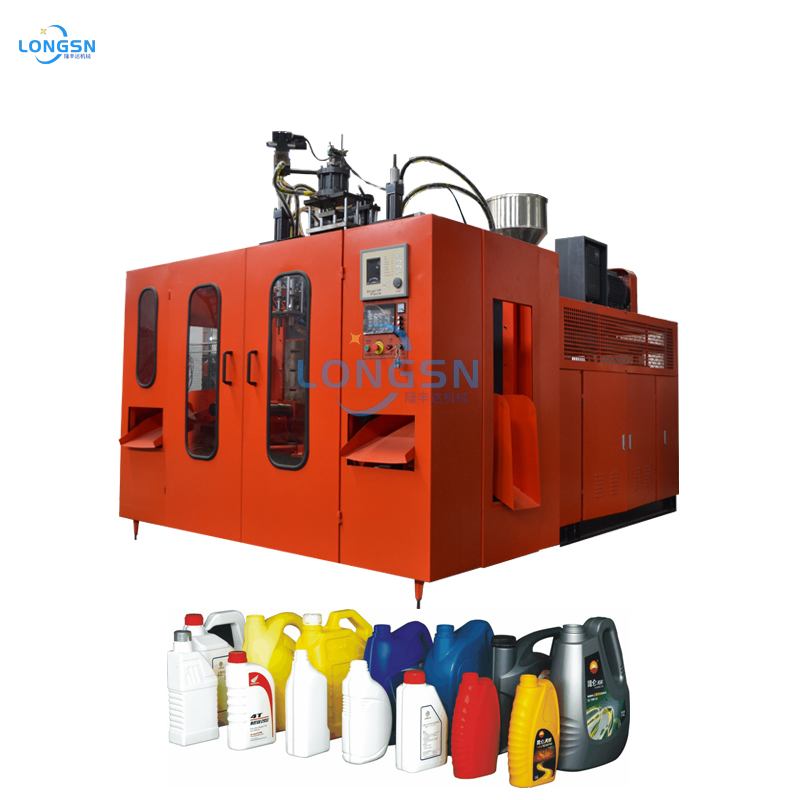
How to Verify Quality for Plastic Bottle Blow Molding Machine Price Manufacturer
When evaluating the quality of a plastic bottle blow molding machine manufacturer—especially in relation to price—it’s essential to go beyond the initial cost and assess key performance and durability factors. Below are critical check points to help ensure you select a reliable and efficient machine:
Material do molde (Alumínio vs. Aço)
The choice of mold material significantly impacts machine longevity, production speed, and maintenance costs. Always verify:
- Moldes de aço: Preferred for high-volume production due to superior durability, heat resistance, and longer lifespan. Ideal for PET bottle manufacturing where precision and consistency are critical.
- Moldes de alumínio: Lighter and offer faster cooling, suitable for prototypes or low-volume runs. However, they wear faster and are less durable under continuous operation.
- Sugestão de verificação: Request mold material certification and inspect sample molds. Ensure the manufacturer uses high-grade tool steel (e.g., P20, H13) with proper heat treatment.
Marca de PLC (Siemens vs. Mitsubishi)
The Programmable Logic Controller (PLC) is the machine’s brain. A reputable PLC brand ensures reliability, ease of troubleshooting, and long-term support.
- Siemens and Mitsubishi: Industry leaders known for stability, user-friendly interfaces, and global service networks.
- Sinais de alerta: Generic or unbranded PLCs may reduce upfront cost but increase downtime and maintenance headaches.
- Sugestão de verificação: Ask for the specific PLC model number, check firmware version, and confirm availability of technical documentation. Test the HMI (Human Machine Interface) for responsiveness and language support.
Eficiência do tempo de ciclo
Cycle time directly affects productivity and return on investment. A shorter cycle time means higher output per hour.
- Benchmark: High-efficiency machines achieve cycle times of 6–12 seconds depending on bottle size and output capacity.
- Factors Affecting Cycle Time: Preform heating efficiency, mold cooling design, and servo-driven systems (e.g., for stretch rod and ejector mechanisms).
- Sugestão de verificação: Request a live demonstration or video of the machine running at full speed. Ask for production logs or third-party test reports showing actual cycle times under real conditions.
Disponibilidade de peças sobressalentes
Downtime can be costly. A reliable manufacturer must offer prompt access to spare parts.
- Check for: A comprehensive spare parts list, local or regional inventory, and clear lead times for critical components (e.g., sealing rings, valves, heaters).
- OEM vs. Generic Parts: Prefer manufacturers who use standardized components (e.g., SMC pneumatics, Festo actuators) for easier replacement.
- Sugestão de verificação: Ask current customers about spare parts experience. Confirm if the supplier provides a 1-year spare parts kit with the machine and has a responsive technical support team.
By thoroughly evaluating these four check points—Mold Material, PLC Brand, Cycle Time Efficiency, and Spare Parts Availability—you can better assess the true value and long-term cost-effectiveness of a plastic bottle blow molding machine, ensuring quality aligns with price.
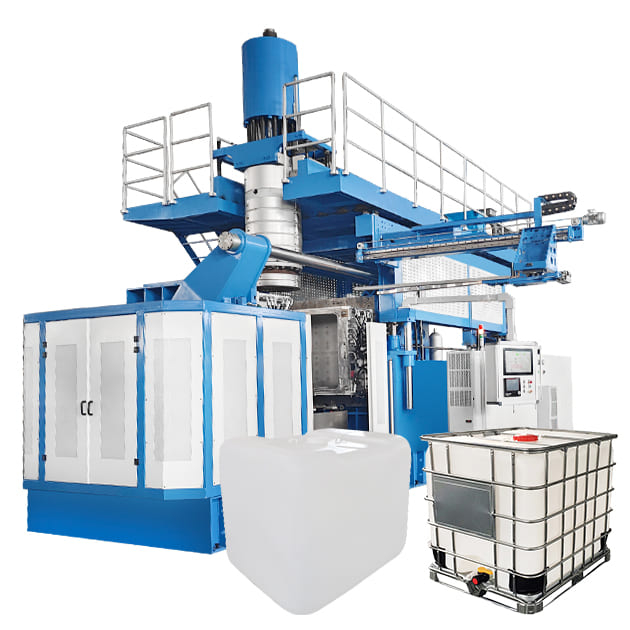
H2: Configuration Guide for Plastic Bottle Blow Molding Machine Price
When evaluating the price and configuration of a plastic bottle blow molding machine, several key factors must be considered to ensure optimal performance, efficiency, and cost-effectiveness. Below is a detailed guide covering the most critical aspects: cavity number selection, bottle volume range, preform compatibility, and auxiliary equipment requirements (compressor and chiller).
H2: Cavity Number Selection
The number of cavities in a blow molding machine significantly impacts production capacity and initial investment cost.
- Cavidade única (1-cavidade): Suitable for low-volume production or prototyping. Lower machine cost but limited output.
- Multi-Cavity (2 to 12+ cavities): Ideal for medium to high-volume production. Increases output proportionally but raises machine price and energy consumption.
- Considerações:
- Match cavity count to your production demand (bottles per hour).
- Higher cavity machines require more space and robust auxiliary systems.
- Machines with 4–8 cavities offer a balanced cost-to-output ratio for most commercial applications.
Price Impact: Each additional cavity increases machine cost by 15–25%, depending on complexity and automation level.
H2: Bottle Volume Range
The machine must support the required bottle sizes to avoid limitations in product offerings.
- Small Volume (50–500 ml): Common for water, beverages, and personal care. Requires precise control and high-speed cycling.
- Medium Volume (500–2000 ml): Used for juices, edible oils, and household products. Needs moderate blowing pressure and mold strength.
- Large Volume (2–20 L): Suitable for water dispensers, chemicals, and industrial packaging. Requires higher blowing pressure and robust mold design.
Price Impact: Machines designed for a wide volume range (e.g., 100–2000 ml) typically cost 20–30% more due to enhanced control systems and adjustable mold bases.
H2: Preform Compatibility
The blow molding machine must be compatible with the preform specifications (size, weight, and neck finish).
- Dimensões da pré-forma: Confirm machine compatibility with preform length, diameter, and weight.
- Neck Finish (e.g., 28mm, 38mm PCO): The machine’s mold base and sealing system must support the desired closure type.
- Tipo de material: Most machines handle PET preforms; verify compatibility with recycled (rPET) or specialty resins if needed.
- Preform Heating System: Infrared heating efficiency and station count affect energy use and preform quality.
Price Impact: Machines with universal preform adaptability and advanced heating controls may cost 10–20% more but reduce changeover time and waste.
H2: Auxiliary Equipment (Compressor & Chiller)
Blow molding machines require supporting systems for stable operation. These are often not included in the base machine price but are essential.
- Compressor de ar:
- Necessário para soprar a alta pressão (tipicamente 25-40 bar).
- Capacity: 1 m³/min per cavity as a rule of thumb.
- Oil-free compressors are recommended to prevent contamination.
- Estimated Cost: $3,000–$10,000 depending on capacity.
- Chiller / Sistema de arrefecimento:
- Needed to cool molds and maintain consistent cycle times.
- Capacity: 1–2 kW per cavity.
- Water-cooled chillers are more efficient for large systems.
- Estimated Cost: $2,500–$8,000 based on cooling load.
Price Impact: Full auxiliary setup (compressor + chiller + dryers + piping) can add 25–40% to the total system cost. Always budget for these components.
Conclusão
To determine the total cost and optimal configuration of a plastic bottle blow molding machine, carefully assess cavity needs, bottle size requirements, preform specifications, and auxiliary equipment. Investing in a well-matched system ensures higher efficiency, lower downtime, and better return on investment over time.
In conclusion, sourcing a plastic bottle blow molding machine from China offers a compelling combination of cost-efficiency, advanced technology, and reliable manufacturing capacity. However, to ensure long-term operational success and minimize downtime, it is essential to prioritize suppliers who provide comprehensive Factory Acceptance Testing (FAT) and robust spare parts support. Conducting a thorough FAT allows buyers to verify machine performance, safety, and compliance with technical specifications before shipment, significantly reducing the risk of post-installation issues. Equally important is establishing access to readily available spare parts and responsive technical assistance, which are critical for maintaining continuous production and extending the machine’s service life. By focusing on these key factors—FAT validation and dependable spare parts supply—buyers can secure not only a competitive price but also long-term reliability and productivity from their investment in Chinese blow molding machinery.






