
As demand for high-speed, energy-efficient PET bottle production continues to rise across the beverage, pharmaceutical, and personal care sectors, manufacturers are increasingly prioritizing automation and precision in their bottling lines. With sustainability and output optimization at the forefront, sourcing the right blow moulding machine partner is critical. This 2026 audit highlights the top nine PET bottle blow moulding machine manufacturers renowned for innovation, reliability, and scalable automation solutions—helping procurement teams make informed, strategic sourcing decisions in a competitive global market.
Os 9 principais fabricantes de máquinas de moldagem por sopro de garrafas pet (lista de auditoria de 2026)
(Classificado por Capacidade de Produção e Pontuação de Confiança)
Professional Sourcing Guide: Pet Bottle Blow Moulding Machine
2026 Global Market Trends for Pet Bottle Blow Moulding Machine: High Speed, Energy Saving, and Automation
The global PET bottle blow moulding machine market is poised for significant transformation by 2026, driven by escalating demand for sustainable packaging, efficiency imperatives, and technological advancements. Key growth vectors center on Produção a alta velocidade, Energy Saving Technologies (notably Servo Motors), and elevated Níveis de automatização. These interconnected trends are reshaping the competitive landscape and defining the specifications of next-generation machinery.
High-Speed Production: Meeting Unrelenting Demand
The primary driver for high-speed machines is the relentless global demand for PET bottles across beverages (water, soft drinks, juices), food, personal care, and household products. By 2026, this trend will intensify due to:
* Massive Volume Requirements: Beverage giants and contract packagers require machines capable of producing tens of thousands, even hundreds of thousands, of bottles per hour to meet consumer demand and reduce unit costs. Machines exceeding 50,000 bottles/hour (for common sizes like 0.5L) will become more standard for large lines.
* Cycle Time Reduction: Continuous innovation focuses on minimizing the blow moulding cycle – faster preform loading, shorter high-pressure blow times, quicker mold opening/closing, and accelerated bottle ejection. This involves optimized heating ovens, enhanced mold cooling systems, and precise motion control.
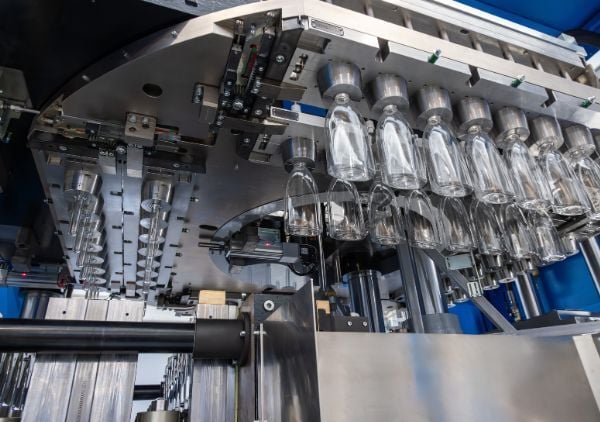
* Multi-Cavity Dominance: High-output lines increasingly feature machines with 8, 12, 16, or even more cavities. This multi-cavity approach is fundamental to achieving the necessary throughput without exponentially increasing machine footprint. Reliability and consistency across all cavities remain critical challenges addressed through advanced engineering.
* Focus on Reliability at Speed: High speed is meaningless without stability. The 2026 market will favor machines designed for continuous, reliable operation at peak speeds with minimal downtime, incorporating robust components and predictive maintenance features.
Energy Saving Technologies: The Imperative of Servo Motors and Beyond
Energy consumption is a major operational cost and a critical sustainability metric. By 2026, energy efficiency will be a non-negotiable requirement, with Servo Motor Technology leading the charge:
* Dominance of Servo Hydraulics and Full Electrics: Traditional hydraulic systems, while powerful, are energy-inefficient, generating significant heat and consuming power even during idle phases. Servo motors, controlling hydraulic pumps or directly driving axes (in full-electric machines), provide power only when needed. This results in energy savings of 30-60% compared to conventional hydraulics.
* Reduced Heat Load and Cooling Costs: Lower energy consumption directly translates to less waste heat generated within the machine. This reduces the load on factory cooling systems, leading to further indirect energy savings and a more comfortable working environment.
* Precision and Repeatability: Servo systems offer superior control over speed, position, and force, enabling more precise movements (e.g., mold closing, stretch rod insertion). This precision enhances bottle quality consistency and reduces material waste.
* Beyond Motors: Holistic Efficiency: While servo drives are central, comprehensive energy savings in 2026 will also include:
* Highly Efficient Preform Heaters: Optimized IR lamp control, reflector design, and temperature zoning to minimize heat loss and ensure uniform preform heating.
* Advanced Air Management: Recovery systems for high-pressure blow air, optimized air pressure regulation, and reduced air consumption per bottle.
* Travagem regenerativa: Capturing energy during deceleration phases.
* Machine Standby Modes: Intelligent systems that power down non-essential components during brief stoppages.
Automation Level: Towards Smart, Integrated Factories
The push for higher productivity, consistent quality, labor cost reduction, and data-driven manufacturing is driving unprecedented levels of automation integration by 2026:
* Integração perfeita da linha: Blow moulders will increasingly function as intelligent nodes within fully automated production lines. This includes integrated preform handling (dryers, loaders, conveyors), in-line bottle inspection systems (for dimensions, weight, leaks, visual defects), and automated packaging (accumulators, packers, palletizers) – all communicating via standardized protocols (e.g., OPC UA).
* Advanced In-Line Quality Control: Automation extends to real-time quality assurance. Vision systems integrated directly onto the machine or immediately downstream will automatically detect and reject defective bottles, minimizing waste and ensuring consistency. Data from these systems feeds back to optimize machine parameters.
* Predictive Maintenance and IIoT: Machines will be equipped with extensive sensors (vibration, temperature, pressure, cycle counters) connected to Industrial IoT (IIoT) platforms. This enables predictive maintenance, forecasting component failures before they cause downtime, optimizing maintenance schedules, and reducing unplanned stoppages.
* Remote Monitoring & Control: Operators and managers will remotely monitor machine performance, energy consumption, production output, and fault diagnostics from centralized dashboards or mobile devices. Remote troubleshooting and software updates will become standard, minimizing service call needs.
* Data Analytics for Optimization: The vast data generated by automated systems will be leveraged through analytics platforms to identify bottlenecks, optimize settings for different bottle types, improve Overall Equipment Effectiveness (OEE), and support continuous improvement initiatives.
* Human-Machine Interface (HMI) Evolution: Sophisticated HMIs will provide intuitive visualization of machine status, production data, energy usage, quality metrics, and maintenance alerts, empowering operators to manage complex automated systems effectively.
Conclusão:
By 2026, the competitive PET bottle blow moulding machine market will be defined by the convergence of Produção a alta velocidade, Energy Saving Technologies (centered on Servo Motors), e Advanced Automation. Leading manufacturers will offer integrated solutions that deliver maximum output with minimal energy consumption and labor, while ensuring unparalleled quality and reliability through comprehensive automation and data connectivity. Investment in machines lacking these core capabilities will become increasingly difficult to justify, making them essential for any player aiming to maintain competitiveness and sustainability in the global packaging industry.
Key Quality Verification Points for Pet Bottle Blow Moulding Machine Manufacturers
When evaluating a PET bottle blow moulding machine manufacturer, verifying quality is essential to ensure reliability, efficiency, and long-term performance. Focus on these critical check points:
Material do molde (Alumínio vs. Aço)
- Steel Molds (Preferred for High Volume): Verify if the manufacturer uses high-grade steel (e.g., P20, H13, or 420 stainless steel). Steel molds offer superior durability, heat resistance, and longevity—ideal for high-production environments. Check for proper heat treatment and surface finishing (e.g., chrome plating) to prevent corrosion and ensure consistent bottle quality.
- Aluminum Molds (Limited Use): Acceptable only for prototypes or low-volume production due to lower durability and heat resistance. Confirm the alloy grade (e.g., 7075 or 6061) and surface coating. Avoid aluminum for continuous high-speed operation.
- Verification Tip: Request material certificates (e.g., mill test reports) and inspect mold samples for surface finish, venting, and cooling channel design.
Marca de PLC (Siemens vs. Mitsubishi)
- Reputable PLC Brands: Confirm the use of industrial-grade PLCs from top-tier brands like Siemens or Mitsubishi Electric. These offer reliable performance, robust programming environments, and global technical support.
- Avoid Generic/Unknown Brands: Low-cost alternatives may lead to frequent failures, poor diagnostics, and difficulty in troubleshooting.
- Verification Tip: Ask for the exact PLC model number and check its compatibility with your automation systems. Request access to the HMI interface during a factory test run to evaluate responsiveness and user-friendliness.
Eficiência do tempo de ciclo
- Measured Performance: Verify the manufacturer’s claimed cycle time (blows per minute) under real production conditions. Compare it with industry benchmarks for similar machine configurations (e.g., 2-6 cavities).
- Consistency & Stability: Evaluate machine stability during extended runs. A quality machine maintains consistent cycle times without degradation due to heating, wear, or control lag.
- Energy & Air Consumption: Efficient machines achieve fast cycle times with optimized preform heating and low compressed air usage.
- Verification Tip: Conduct a live trial with your specific bottle design and request a performance report showing average cycle time, blow rate, and bottle defect rate over a 4–8 hour period.
Disponibilidade de peças sobressalentes
- Local & Global Support: Confirm that the manufacturer maintains a stock of critical spare parts (e.g., sealing rings, stretch rods, high-pressure valves, oven quartz tubes) in your region or offers fast international shipping (≤7 days).
- Standardized Components: Machines using off-the-shelf components (e.g., pneumatic valves from SMC/Festo, motors from SEW) reduce downtime and sourcing complexity.
- Documentation & Traceability: Ensure parts come with clear identification, compatibility lists, and a digital spare parts catalog.
- Verification Tip: Ask for a list of commonly replaced parts with lead times and pricing. Contact existing customers to assess real-world spare parts support and response times.
By rigorously assessing these four key areas—Material do molde, marca do PLC, eficiência do tempo de ciclo e disponibilidade de peças sobresselentes—you can confidently identify a high-quality PET blow moulding machine manufacturer that meets long-term production demands.
Configuration Guide for Pet Bottle Blow Moulding Machine
Seleção do número da cavidade
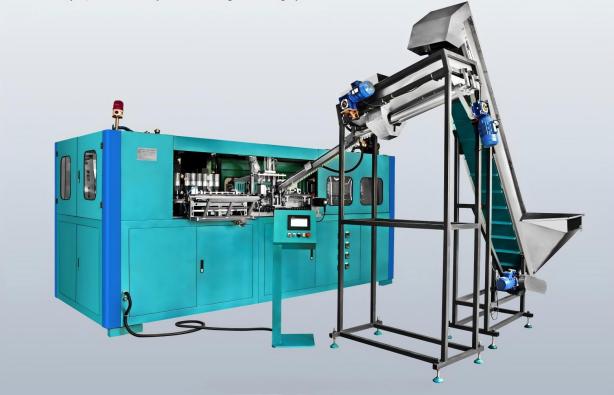
The cavity number refers to the number of bottles produced per cycle in the blow moulding machine. Choosing the right cavity number is crucial for balancing production capacity, cost, and flexibility.
- Cavidade única (1-cavidade): Ideal for prototyping, small production runs, or high-precision bottles. Offers maximum flexibility but lower output.
- 2 to 4 Cavities: Suitable for medium-scale production. Balances cost and output, commonly used for specialty or custom-sized bottles.
- 6 to 12 Cavities: Recommended for high-volume production of standard bottles (e.g., water, soft drinks). Provides optimal efficiency and return on investment.
- 16+ Cavities: Best for mass production lines with consistent demand. Requires significant floor space and higher initial investment.
Dicas de seleção:
- Faça corresponder a contagem de cavidades à produção pretendida (garrafas por hora).
– Consider future scalability.
– Evaluate changeover frequency—higher cavities may reduce flexibility for frequent mold changes.
Gama de volumes de garrafas
The blow moulding machine must support the desired bottle capacity. Machines are typically designed to handle a specific volume range.
- Pequeno volume (100-500 ml): Common for water, juice shots, and travel-sized bottles. Requires precise control for thin walls and consistent weight.
- Medium Volume (500–1500 ml): Standard for beverages like soda, mineral water, and edible oil. Most machines are optimized for this range.
- Large Volume (1500–5000 ml): Used for family-sized bottles, home appliances (e.g., water dispensers), and bulk packaging. Requires higher blowing pressure and robust mold design.
Principais considerações:
– Ensure the machine’s stretch rod, mold base, and blowing system support the maximum bottle height and diameter.
– Verify that the machine can maintain uniform wall thickness across the volume range.
– Some machines offer multi-volume molds with interchangeable mold inserts for flexibility.
Compatibilidade de pré-formas
The machine must be compatible with the preform (parison) specifications used in the production process.
- Acabamento do pescoço preformado: Must match the mold’s neck block (e.g., PCO 1881, 28mm, 38mm). Confirm compatibility with your preform supplier.
- Preform Length and Diameter: Ensure the oven and loading system can accommodate the preform dimensions.
- Faixa de peso da pré-forma: Machines are rated for specific preform weights (e.g., 18–35g). Exceeding limits affects heating efficiency and bottle quality.
- Tipo de material: Most machines support standard PET; verify compatibility if using recycled PET (rPET) or additives (e.g., oxygen barriers).
Melhores práticas:
– Use preforms from reputable suppliers to ensure consistency.
– Calibrate heater settings based on preform material and color (clear, blue, opaque).
– Perform periodic alignment checks between preform loader and oven.
Equipamento auxiliar (Compressor/Chiller)
Auxiliary systems are essential for stable and efficient blow moulding operations.
Compressor de ar
- Objetivo: Supplies high-pressure air (25–40 bar) for bottle blowing.
- Capacidade: Should provide continuous airflow (e.g., 2–10 m³/min) based on cavity number and cycle time.
- Qualidade do ar: Use oil-free compressors with dryers and filters to prevent contamination.
- Armazenamento: Include air receiver tanks to maintain pressure stability during peak demand.
Chiller (Sistema de arrefecimento)
- Objetivo: Cools molds and, in some cases, preform oven components to ensure consistent cycle times and bottle quality.
- Capacidade: Typically 1–10 RT (refrigeration tons), depending on machine size and output.
- Controlo da temperatura: Maintain mold temperature between 5–15°C for optimal crystallization and cycle efficiency.
- Qualidade da água: Utilize água desionizada ou amaciada para evitar a formação de incrustações nos canais de arrefecimento.
Dicas de integração:
– Size auxiliary equipment to handle peak load with a 20% safety margin.
– Install centralized systems for multiple machines to reduce energy costs.
– Ensure proper piping and insulation to minimize pressure drop and thermal loss.
By carefully configuring these key parameters—cavity number, bottle volume, preform compatibility, and auxiliary systems—you can optimize performance, efficiency, and product quality in your PET bottle blow moulding operation.
In conclusion, sourcing a pet bottle blow moulding machine from China offers significant advantages in terms of cost-efficiency, technological capability, and scalability. However, to ensure long-term operational success and minimize downtime, it is crucial to prioritize two key factors: the Factory Acceptance Test (FAT) and comprehensive spare parts support. Conducting a thorough FAT allows buyers to verify machine performance, quality, and compliance with technical specifications before shipment, providing confidence in the investment and reducing the risk of post-installation issues. Additionally, establishing reliable access to genuine spare parts and responsive technical support is essential for maintaining machine uptime and maximizing production efficiency over the equipment’s lifecycle. By partnering with reputable Chinese manufacturers who offer structured FAT procedures and strong after-sales service, including readily available spare parts and technical assistance, businesses can secure a seamless integration of the blow moulding machine into their operations, ensuring sustained productivity and return on investment.






