
As demand for packaged mineral water continues to surge globally, beverage producers are increasingly prioritizing high-efficiency, automated bottling solutions to meet output targets and ensure product consistency. At the heart of this production line lies the bottle blowing machine—an essential component driving speed, precision, and sustainability in modern bottling operations. With automation becoming a cornerstone of competitive advantage, sourcing from reliable, innovative manufacturers is more critical than ever. This 2026 audit highlights the top eight mineral water bottle blowing machine manufacturers renowned for technological advancement, reliability, and global service excellence—offering procurement teams a strategic edge in selecting future-ready partners.
Top 8 Mineral Water Bottle Blowing Machine Manufacturers (2026 Audit List)
(Ranked by Production Capability & Trust Score)
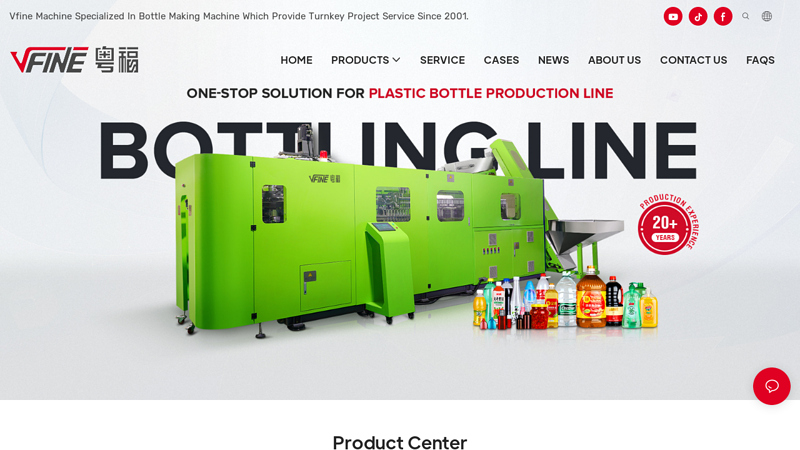
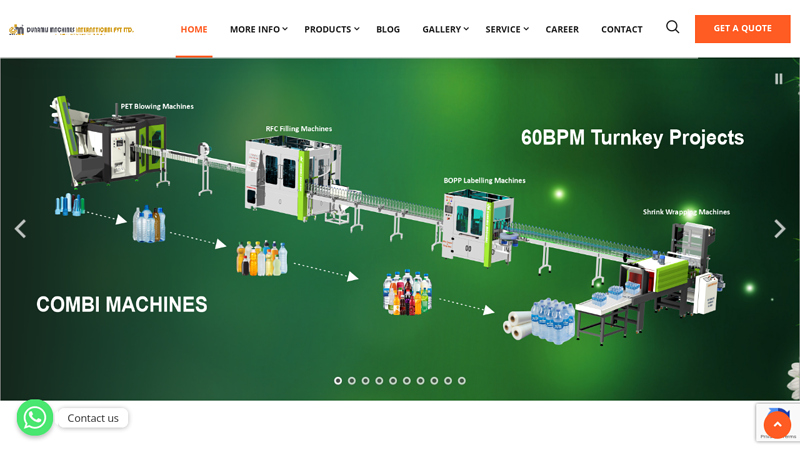
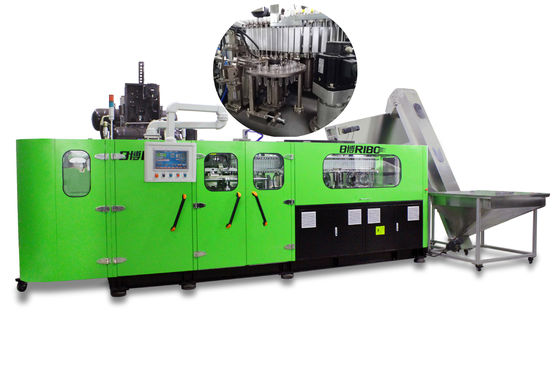
Professional Sourcing Guide: Mineral Water Bottle Blowing Machine
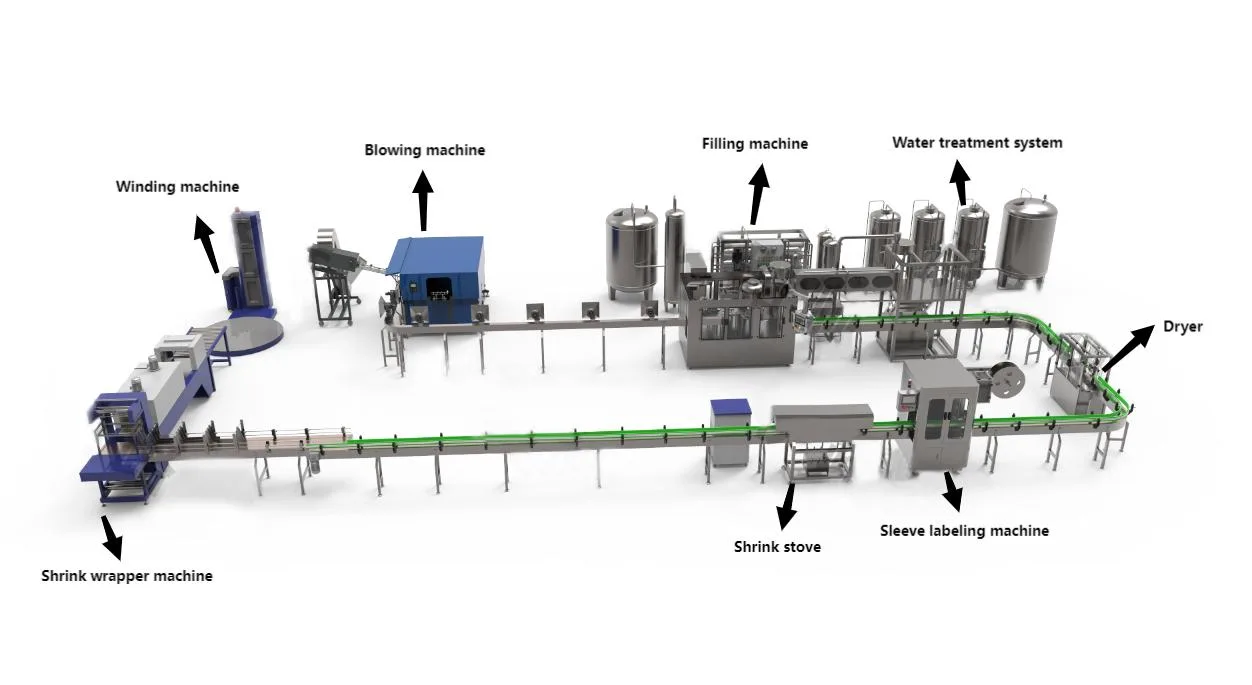
2026 Global Market Trends for Mineral Water Bottle Blowing Machines: Focus on High-Speed Production, Energy Saving Technologies, and Automation
High-Speed Production Driving Market Growth
The global mineral water bottle blowing machine market is projected to experience significant growth by 2026, with high-speed production emerging as a dominant trend. As consumer demand for bottled mineral water continues to rise—especially in emerging economies in Asia-Pacific, Africa, and Latin America—manufacturers are prioritizing throughput and production efficiency. High-speed rotary stretch blow molding machines capable of producing over 30,000 bottles per hour are becoming standard in large-scale bottling facilities.
OEMs such as Sidel, Krones, and Shibaura Machine are introducing next-generation systems with improved preform handling, faster mold cycles, and enhanced cooling mechanisms to reduce cycle times. The integration of multi-cavity molds and optimized air pressure management has further pushed output limits. Moreover, modular designs allow for easy scalability, enabling bottlers to adapt to seasonal demand fluctuations without sacrificing speed.
This shift toward high-speed production is not only driven by volume demands but also by the need to lower per-unit production costs. As competition intensifies, bottling companies are investing in machines that offer both speed and reliability to maintain profitability and market share.
Advancements in Energy Saving Technologies, Particularly Servo Motors
Energy efficiency has become a critical factor in the design and adoption of mineral water bottle blowing machines, with servo motor technology leading this transformation. By 2026, servo-driven systems are expected to dominate new installations due to their precise control, lower energy consumption, and reduced maintenance requirements compared to traditional hydraulic systems.
Servo motors enable variable speed operation, allowing energy use to be matched exactly to production needs. This results in energy savings of up to 30–50%, depending on operational load. The elimination of hydraulic oil systems also reduces environmental risks and maintenance downtime. Additionally, servo technology contributes to quieter operation and improved machine longevity.
Manufacturers are further enhancing energy efficiency through regenerative braking systems, heat recovery from compressors, and intelligent power management software. These innovations align with global sustainability goals and stringent environmental regulations, particularly in Europe and North America. For instance, the EU’s Green Deal and carbon neutrality targets are accelerating the shift toward energy-efficient machinery.
As energy costs continue to rise globally, especially in energy-intensive regions like South Asia and the Middle East, the return on investment (ROI) for energy-saving technologies becomes increasingly favorable, making servo-driven blowing machines a strategic choice for forward-thinking bottlers.
Rising Automation Levels for Enhanced Efficiency and Consistency
Automation is reshaping the mineral water bottle blowing machine landscape, with fully integrated systems becoming the benchmark by 2026. Advanced automation not only improves operational efficiency but also ensures consistent product quality, reduces labor costs, and minimizes human error.
Modern blowing machines now feature Industry 4.0-ready controls, including IoT-enabled sensors, real-time data monitoring, and predictive maintenance algorithms. These systems allow for remote diagnostics, production tracking, and automatic adjustments to process parameters based on real-time feedback. For example, automated quality inspection systems using machine vision can detect defects in bottles immediately after production, reducing waste and ensuring compliance with safety standards.
Robotic integration is also expanding, with automated preform feeding, bottle handling, and palletizing solutions streamlining end-to-end production lines. Collaborative robots (cobots) are being deployed alongside blowing machines to manage delicate tasks with precision, further boosting throughput and safety.
Cloud-based platforms enable centralized control of multiple machines across geographically dispersed facilities, facilitating data-driven decision-making and supply chain optimization. As digital transformation accelerates, the convergence of automation, artificial intelligence, and machine learning is expected to unlock new levels of productivity and responsiveness in the bottled water industry.
In conclusion, the 2026 market for mineral water bottle blowing machines will be defined by the synergy of high-speed production, energy-saving servo technologies, and advanced automation. Companies that adopt these innovations will gain a competitive edge through lower operating costs, higher output, and improved sustainability—key drivers in the evolving global beverage packaging ecosystem.
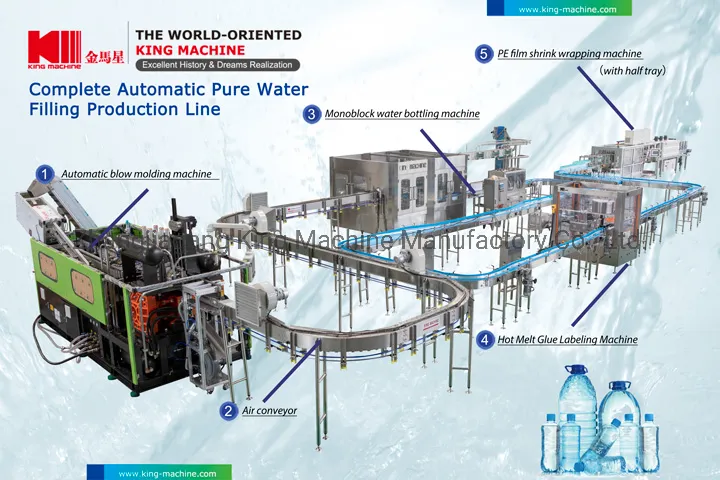
Key Quality Verification Points for Mineral Water Bottle Blowing Machine Manufacturers
When selecting a mineral water bottle blowing machine manufacturer, ensuring high quality and long-term reliability is essential. Below are the critical check points to evaluate:
Mold Material (Aluminum vs. Steel)
- Steel Molds: Preferred for high-volume production due to superior durability, heat resistance, and longer service life. Ideal for consistent quality and reduced maintenance over time.
- Aluminum Molds: Lighter and faster in heat transfer but less durable. Suitable for prototypes or low-volume runs but may wear faster under continuous operation.
- Verification Tip: Request material certification (e.g., S45C, 2738 steel) and inspect surface finish and hardness (HRC 38–42 for steel molds). Avoid manufacturers using substandard or unverified alloys.
PLC Brand (Siemens vs. Mitsubishi)
- Siemens PLC: Known for robust performance, excellent diagnostics, and global service support. Offers strong integration with HMI and SCADA systems.
- Mitsubishi PLC: Offers high reliability, fast processing, and good compatibility with automation components. Widely used in Asia and trusted for stable control.
- Verification Tip: Confirm the exact PLC model (e.g., Siemens S7-1200, Mitsubishi FX5U) and ensure it’s original—not cloned or rebranded. Check software interface and programming accessibility.
Cycle Time Efficiency
- Standard Benchmark: High-quality machines achieve cycle times of 8–12 seconds per 500ml bottle, depending on output (e.g., 4,000–12,000 bottles/hour).
- Factors Affecting Efficiency: Preform heating uniformity, stretch rod speed, mold cooling design, and automation integration.
- Verification Tip: Request live machine demo or video of continuous operation. Calculate actual output per hour and verify energy consumption per bottle (should be ≤0.35 kWh/bottle for efficient models).
Spare Parts Availability
- Critical Components: Stretch rods, high-pressure valves, sealing rings, oven lamps, and mold components should be readily available.
- Local Support: Check if the manufacturer maintains a regional spare parts warehouse or has a distributor network in your country.
- Verification Tip: Ask for a complete spare parts list with pricing and lead times. Confirm if wear-prone parts are stocked and whether 3D drawings or OEM equivalents are accessible.
By thoroughly assessing these four areas—mold material, PLC brand, cycle time efficiency, and spare parts availability—you can confidently select a reliable and high-performance mineral water bottle blowing machine manufacturer.
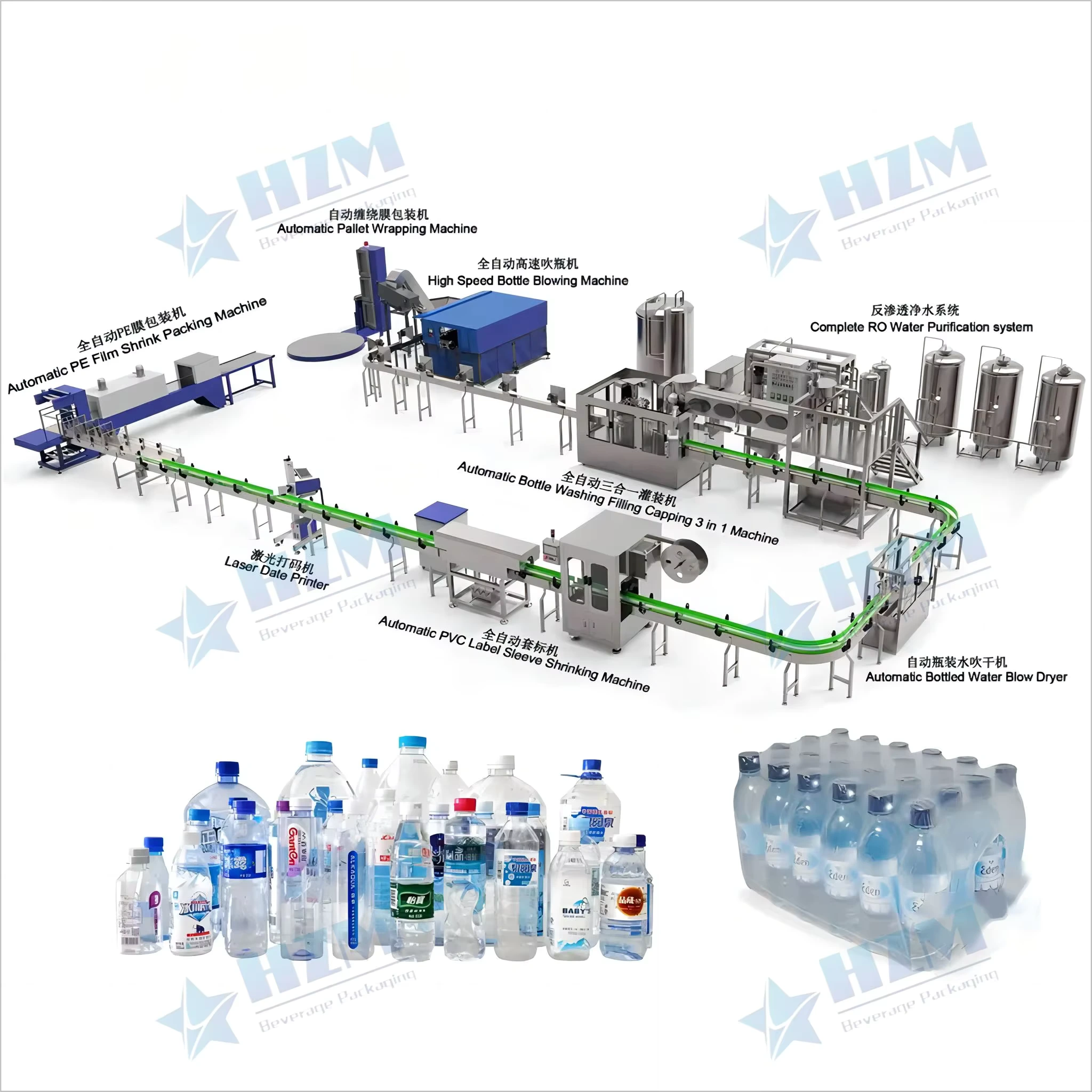
H2: Configuration Guide for Mineral Water Bottle Blowing Machine
Proper configuration of a mineral water bottle blowing machine is essential for achieving optimal production efficiency, bottle quality, and operational cost-effectiveness. Below is a detailed guide covering key configuration aspects:
Cavity Number Selection
The cavity number refers to the number of bottles produced per machine cycle. Selection depends on your production requirements:
- Low Volume (1–2 cavities):
- Ideal for startups, small-scale operations, or specialty products.
- Lower initial investment and smaller footprint.
- Output: ~1,000–2,500 bottles/hour.
- Medium Volume (4–6 cavities):
- Suitable for regional distributors or growing brands.
- Balanced cost and output.
- Output: ~5,000–15,000 bottles/hour.
- High Volume (8–12+ cavities):
- Designed for large-scale commercial production.
- Requires higher upfront investment and more auxiliary support.
- Output: 20,000–60,000+ bottles/hour.
Tip: Match cavity count with downstream packaging line capacity to avoid bottlenecks.
Bottle Volume Range
Ensure the blowing machine supports the required bottle sizes for your product line:
- Standard Range: Most machines handle volumes from 200 mL to 2,000 mL.
- Common Configurations:
- 330 mL, 500 mL, 1 L, 1.5 L, and 2 L are standard for mineral water.
- Machine Flexibility:
- Choose a model with adjustable mold height and stretch rod settings.
- Some machines offer quick mold change systems for multi-size production.
Note: Verify that the machine’s mold base and platen size accommodate your largest bottle design.
Preform Compatibility
The machine must be compatible with the PET preforms used:
- Neck Finish Standard:
- Most mineral water bottles use PCO 1881 or 38 mm neck finishes.
- Confirm machine clamp unit and mold neck block match the preform specification.
- Preform Weight & Dimensions:
- Standard preform weight varies by bottle size (e.g., ~18g for 500 mL, ~30g for 1.5 L).
- Verify preform feeding system (loader or hopper) is compatible with your preform supplier.
- Heating System Compatibility:
- Infrared oven must uniformly heat your preform type and wall thickness.
- Adjustable lamp zones ensure consistent pre-blow temperature.
Auxiliary Equipment
Essential auxiliary systems must be properly sized and integrated:
Air Compressor
- Purpose: Supplies high-pressure air (25–40 bar) for bottle blowing.
- Capacity:
- Rule of thumb: 0.6–1.0 Nm³/min per cavity.
- Example: 6-cavity machine requires ~6 Nm³/min at 40 bar.
- Type: Oil-free compressor recommended to prevent contamination.
- Air Treatment: Include refrigerated dryer and filters (coalescing + particulate).
Chiller (Cooling System)
- Purpose: Cools molds and machine hydraulics/electronics.
- Capacity:
- Typically 1–2 kW per cavity.
- Example: 6-cavity machine requires ~6–12 kW chiller.
- Cooling Medium: Water-glycol mix; ensure flow rate and temperature control (8–12°C).
- Closed-Loop System: Prevents scaling and corrosion in mold cooling channels.
Integration Tip: Use centralized control systems to synchronize compressor, chiller, and blowing machine for energy efficiency and stable operation.
By carefully selecting the cavity number, verifying bottle and preform compatibility, and correctly sizing auxiliary equipment, you ensure reliable, high-quality production of mineral water bottles. Always consult with the machine manufacturer for site-specific recommendations.
In conclusion, sourcing a mineral water bottle blowing machine from China offers a compelling combination of advanced technology, competitive pricing, and proven manufacturing expertise. However, ensuring long-term operational efficiency and reliability hinges on two critical factors: a comprehensive Factory Acceptance Test (FAT) and reliable spare parts support. Conducting a thorough FAT before shipment is essential to verify machine performance, safety, and compliance with technical specifications under real operating conditions. It minimizes risks, ensures quality assurance, and provides confidence in the machine’s readiness for integration into your production line. Equally important is establishing a clear agreement on spare parts support, including availability, lead times, and accessibility. A responsive and well-structured spare parts supply chain from the Chinese manufacturer reduces downtime, supports preventive maintenance, and extends the machine’s service life. By prioritizing both a rigorous FAT and dependable spare parts service, buyers can maximize uptime, ensure consistent bottle quality, and achieve a strong return on investment—making the partnership with a Chinese supplier both effective and sustainable in the long term.






