
As global demand for safe, sustainable, and high-volume water packaging continues to rise, manufacturers are prioritizing efficiency, precision, and automation in their bottling operations. In response, sourcing reliable production partners has become critical for brands and bottlers aiming to scale competitively. This 2026 audit list highlights the top 10 water bottle production manufacturers renowned for advanced automation, operational reliability, and innovation in integrated bottling solutions. These leaders are shaping the future of the industry by meeting growing market needs with intelligent machinery and end-to-end production capabilities.
Lista de los 10 principales fabricantes de botellas de agua (Auditoría 2026)
(Clasificación por capacidad de producción y puntuación de confianza)
Guía de aprovisionamiento profesional: Producción de botellas de agua
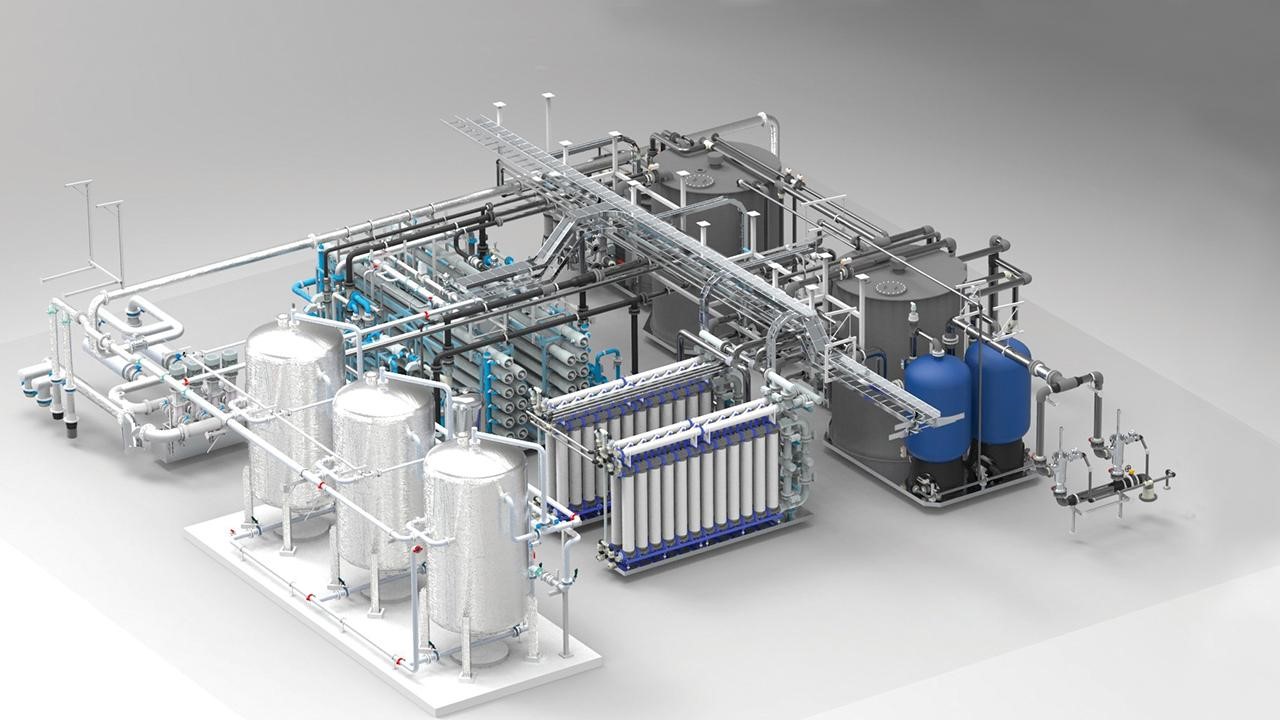
2026 Global Market Trends in Water Bottle Production: High Speed, Energy Efficiency, and Automation
High Speed Production Driving Market Growth
The global water bottle production industry is projected to witness significant advancements in high-speed manufacturing by 2026, driven by rising consumer demand, sustainability mandates, and supply chain optimization. High-speed production lines capable of exceeding 60,000 bottles per hour are becoming standard in large-scale facilities, particularly in North America, Europe, and East Asia.
Key drivers for high-speed systems include the expansion of single-serve packaging in emerging markets, the growth of private-label bottled water, and the need for rapid response to fluctuating demand. By 2026, manufacturers are expected to increasingly adopt integrated blow-molding and filling lines that minimize bottlenecks and reduce cycle times. Innovations such as rotary stretch blow molding (RSBM) with multi-cavity molds and advanced preform feeding systems will further enhance throughput.
Moreover, equipment suppliers like Sidel, Krones, and KHS are launching modular high-speed platforms that allow scalable capacity adjustments, enabling producers to meet peak demand without over-investing in fixed infrastructure. This scalability is expected to be a major competitive differentiator in the 2026 market landscape.
Energy Saving Technologies: Rise of Servo Motor Integration
Energy efficiency is a critical focus in the 2026 water bottle production market, with servo motor technology emerging as a cornerstone of sustainable manufacturing. Traditional hydraulic systems, known for high energy consumption and maintenance costs, are being rapidly replaced by electric servo-driven systems across blow molding, filling, and capping processes.
Servo motors offer precision control, reduced energy waste, and lower heat generation, contributing to energy savings of up to 30–50% compared to conventional systems. Their regenerative braking capabilities also allow energy recovery during deceleration phases, further improving efficiency. By 2026, over 70% of new production lines are projected to feature full servo-electric integration, particularly in regions with stringent carbon regulations such as the EU and parts of North America.
Additionally, servo systems enable quieter operation and improved process stability, supporting consistent bottle quality and reduced material waste. Manufacturers are leveraging these benefits not only to cut operational costs but also to meet ESG (Environmental, Social, and Governance) goals and enhance brand sustainability profiles in a climate-conscious market.
Automation Level: Towards Smart, Connected Factories
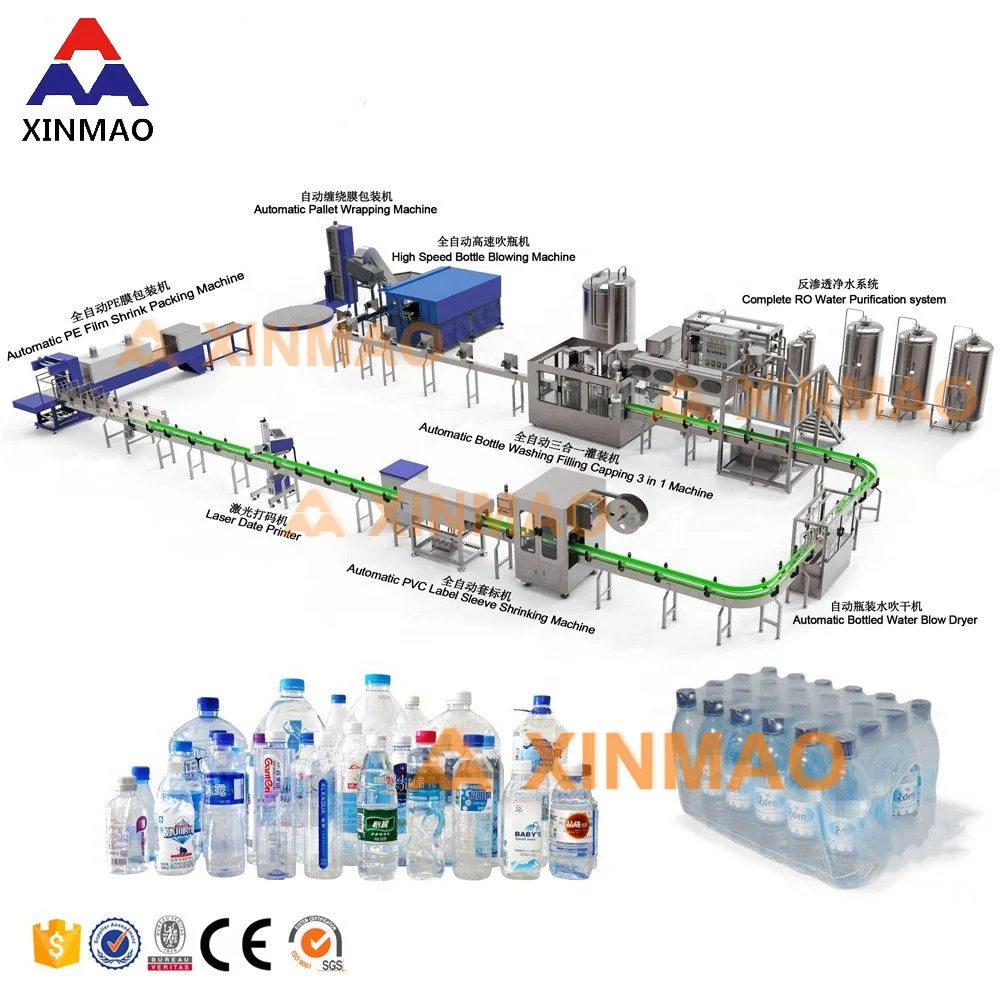
Automation in water bottle production is advancing rapidly, with the 2026 market poised to embrace Industry 4.0 principles across global facilities. Fully automated production lines integrating robotics, AI-driven quality control, and real-time data analytics are becoming the norm, especially among large multinational beverage companies.
Entre las principales tendencias de automatización figuran:
- Robotic palletizing and depalletizing systems that operate 24/7 with minimal human intervention.
- Machine vision systems for real-time defect detection in bottle shape, wall thickness, and labeling.
- Plataformas de mantenimiento predictivo powered by IoT sensors and AI algorithms to prevent downtime.
- Digital twin technology enabling simulation and optimization of production parameters before physical implementation.
By 2026, over 60% of leading water bottling plants are expected to operate at Level 4 automation (semi-autonomous with limited human oversight), with some pilot facilities achieving Level 5 (fully autonomous) in specific production zones. Cloud-based MES (Manufacturing Execution Systems) will facilitate centralized monitoring and control across geographically dispersed facilities.
The integration of automation not only boosts productivity and reduces labor costs but also enhances traceability and compliance—critical factors in food safety and regulatory reporting. As cyber-physical systems mature, the water bottle production sector will increasingly resemble smart, adaptive manufacturing ecosystems by 2026.
Puntos clave del control de calidad de los fabricantes de botellas de agua
When evaluating a water bottle production manufacturer, thorough quality verification is essential to ensure consistent output, durability, and operational efficiency. Below are four critical checkpoints to assess:
Material del molde (aluminio frente a acero)
The choice of mold material directly impacts product quality, mold longevity, and production costs. Verify the following:
- Material Specification: Confirm whether molds are made from hardened steel (e.g., H13, P20) or aluminum (e.g., 7075-T6). Steel molds are preferred for high-volume production due to superior durability and wear resistance.
- Surface Finish & Tolerance: Inspect mold surface finish (e.g., SPI or VDI standards) to ensure smooth, defect-free bottles. Dimensional accuracy should be within ±0.05 mm.
- Lifespan & Maintenance: Ask for mold life expectancy (e.g., 1 million+ cycles for steel vs. 100,000 for aluminum) and check maintenance logs or replacement history.
Marca de PLC (Siemens frente a Mitsubishi)
The Programmable Logic Controller (PLC) governs automation precision and system reliability. Evaluate:
- Brand Authenticity: Confirm the use of genuine Siemens (e.g., S7-1200/1500) or Mitsubishi (e.g., FX/Q Series) PLCs through serial numbers and certification.
- System Integration & HMI: Check integration with Human-Machine Interface (HMI) for real-time monitoring, fault diagnostics, and ease of operation.
- Software & Support: Verify availability of original programming software and technical support for troubleshooting and updates.
Eficacia de la duración del ciclo
Cycle time affects throughput and cost-efficiency. Assess:
- Measured Cycle Time: Request actual cycle time data (e.g., seconds per bottle) under standard production conditions. Compare against industry benchmarks (typically 8–15 seconds for PET bottles).
- Consistency & Downtime: Analyze production logs for cycle time stability and unplanned stoppages. High variability indicates machine or process issues.
- Energy & Resource Use: Evaluate energy consumption per cycle to identify inefficiencies.
Disponibilidad de piezas de recambio
Timely access to spare parts minimizes downtime. Confirm:
- Inventario local: Check if the manufacturer maintains a local stock of critical spare parts (e.g., heaters, sensors, nozzles, ejector pins).
- Relaciones con los proveedores: Verify direct partnerships with OEMs (e.g., Siemens, Yudo, Husky) for fast replacement part delivery.
- Documentation: Request a spare parts list with codes, suppliers, and lead times. Ensure diagrams and maintenance manuals are provided.
By rigorously evaluating these four checkpoints—Mold Material, PLC Brand, Cycle Time Efficiency, and Spare Parts Availability—you can effectively gauge the reliability and quality standards of a water bottle production manufacturer.
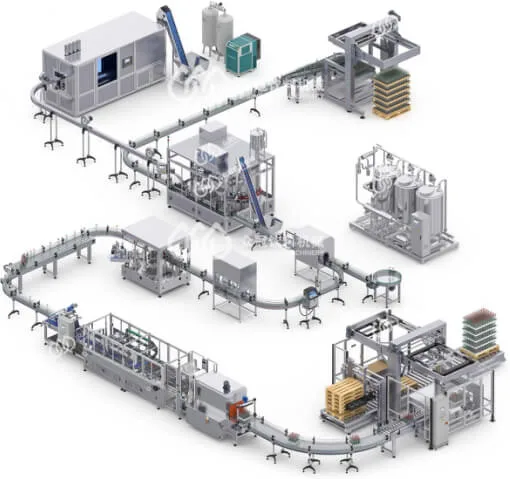
Guía de configuración para la producción de botellas de agua
Selección del número de cavidades
The cavity number in a bottle blow molding machine determines production output and efficiency. Common configurations range from 2 to 24 cavities, depending on production requirements:
- Low Volume (2–6 cavities): Ideal for startups or niche markets with lower demand; offers lower initial investment and easier maintenance.
- Medium Volume (8–12 cavities): Suitable for regional distribution; balances output and cost-effectiveness.
- High Volume (16–24 cavities): Best for large-scale operations targeting national or international markets; maximizes output but requires higher investment and stable demand.
Consider factors such as required output (bottles per hour), factory floor space, and budget when selecting the cavity count.
Volumen de la botella
Blow molding machines can produce bottles typically ranging from De 300 ml a 2.000 ml. The selected machine should support the desired volume range:
– Smaller bottles (300–500 ml): Common for single-serve water bottles; require precise control for lightweight designs.
– Medium bottles (750 ml–1,500 ml): Used for household or sports bottles; need balanced heating and stretching.
– Large bottles (1,500–2,000 ml): Often used for home dispensers; require robust molds and sufficient air pressure.
Ensure the machine’s mold design and stretch rod configuration are compatible with the target bottle sizes.
Compatibilidad de preformas
The machine must be compatible with standard PET preforms used in water bottle production:
- Acabado del cuello: Most water bottles use 28mm, 30mm, or 38mm PCO (Plastic Closure Organization) finishes. Confirm the machine supports the required neck size.
- Preform Weight: Typically ranges from 18g to 60g, depending on bottle volume and wall thickness. Ensure the machine can handle the preform weight and dimensions.
- Preform Supplier: Verify compatibility with preform material quality and supplier specifications to avoid defects during blowing.
Equipo auxiliar (compresor/refrigerador)
Proper auxiliary systems are critical for efficient and consistent production:
Compresor de aire
- Propósito: Provides high-pressure air (typically 25–40 bar) for bottle blowing.
- Capacidad: Should deliver clean, dry air at a flow rate matching the machine’s cavity output. For example, a 12-cavity machine may require 2–3 m³/min at 30 bar.
- Recomendación: Use oil-free compressors with refrigerated dryers and filtration to prevent contamination.
Enfriador
- Propósito: Cools molds to maintain dimensional stability and reduce cycle time.
- Capacidad: Based on heat load from the preforms and cycle rate. A typical range is 3–10 kW for medium to large machines.
- Cooling Medium: Water-glycol mixture recommended; ensure proper flow rate and temperature control (typically 8–15°C).
Ensure both compressor and chiller are appropriately sized and integrated with the blow molding machine for optimal performance and energy efficiency.
In conclusion, sourcing water bottle production equipment from a factory in China offers significant advantages in terms of cost efficiency, manufacturing scale, and technical capabilities. However, to ensure long-term operational success and minimize downtime, it is crucial to prioritize two key factors: the implementation of a comprehensive Factory Acceptance Test (FAT) and robust spare parts support. The FAT serves as a critical verification step, allowing buyers to evaluate the machinery’s performance, quality, and compliance with technical specifications before shipment, thereby mitigating risks and ensuring reliability upon installation. Equally important is establishing a dependable supply chain for spare parts—proactive agreements with the supplier for readily available, genuine components can prevent production delays and extend the equipment’s lifespan. By emphasizing these elements during the sourcing process, businesses can secure not only high-quality machinery but also sustained productivity and operational resilience, ultimately maximizing return on investment.






