
As demand for efficient bottling solutions continues to rise across industries—from beverages to household chemicals—manufacturers are prioritizing high-performance, automation-integrated plastic blow molding machines to optimize production speed, reduce waste, and scale output. In this 2026 audit, we evaluate the top nine global suppliers driving innovation in blow molding technology, offering B2B buyers a trusted guide to selecting manufacturers that deliver reliability, energy efficiency, and advanced automation for tomorrow’s production lines.
Los 9 principales fabricantes de máquinas de moldeo por soplado de plásticos (Lista de auditoría 2026)
(Clasificación por capacidad de producción y puntuación de confianza)

Professional Sourcing Guide: Plastic Blow Molding Machine
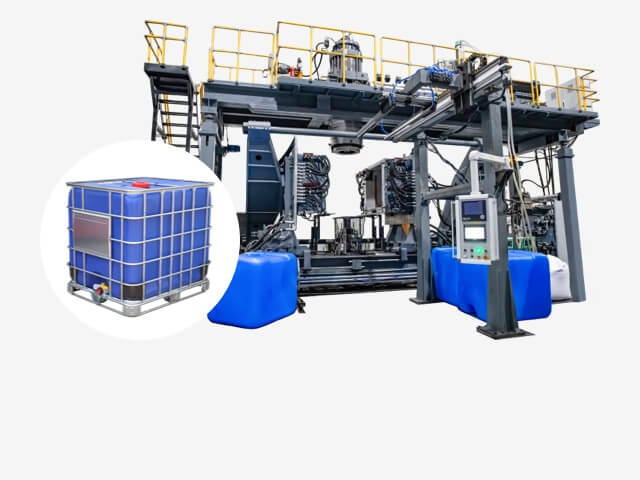
2026 Global Market Trends for Plastic Blow Molding Machines: Focus on High-Speed Production, Energy-Saving Technologies, and Automation
High-Speed Production Driving Market Demand
The global plastic blow molding machine market is witnessing a significant shift toward high-speed production systems, driven by rising demand for plastic containers in the packaging, automotive, and consumer goods industries. By 2026, manufacturers are increasingly investing in advanced blow molding machines capable of producing up to 40,000 bottles per hour, particularly in multi-cavity configurations. This surge in high-speed capabilities is especially prominent in emerging economies across Asia-Pacific and Latin America, where mass production needs are escalating.
High-speed systems are being optimized through innovations such as faster parison control, improved mold cooling technologies, and advanced hydraulic and servo-electric actuation. The integration of predictive maintenance algorithms and real-time monitoring also ensures sustained operational efficiency at elevated production rates. As brand owners demand shorter lead times and greater output, high-speed machines are becoming essential, particularly for large-volume applications like PET bottles and automotive fluid tanks.
Energy-Saving Technologies: Advancement of Servo Motor Systems
Energy efficiency has become a central focus in the design and operation of modern blow molding machines, with servo motor technology at the forefront of this transformation. By 2026, servo-driven systems are projected to dominate over traditional hydraulic models, offering up to 40–50% reduction in energy consumption. The precision control of servo motors enables dynamic adjustment of torque and speed, minimizing energy waste during non-critical phases of the molding cycle.
Manufacturers such as Kautex, Sidel, and Bekum are increasingly incorporating full-servo or hybrid servo-hydraulic systems into their machine designs. These technologies not only lower operational costs but also contribute to sustainability goals, aligning with global regulatory pressures and corporate ESG (Environmental, Social, and Governance) commitments. The return on investment for energy-efficient machines is being further enhanced by government incentives in regions like the European Union and North America, accelerating the adoption of servo-based blow molding solutions.
Automation Level: Integration of Smart Manufacturing and Industry 4.0
Automation in plastic blow molding machines is evolving rapidly, with 2026 set to mark a new era of fully integrated smart manufacturing. Modern blow molding systems are increasingly equipped with advanced automation features, including robotic handling, automatic mold changing (AMC), in-line quality inspection, and AI-powered process optimization. The integration of IoT (Internet of Things) sensors allows real-time data collection on machine performance, enabling predictive maintenance and reduced downtime.
The rise of Industry 4.0 standards is driving the adoption of centralized control platforms that connect blow molding machines with upstream and downstream processes—such as preform handling, labeling, and packaging—into seamless, automated production lines. Cloud-based monitoring systems also allow remote diagnostics and performance benchmarking across global facilities. As labor costs rise and skilled operator shortages persist, particularly in developed markets, high levels of automation are becoming a competitive necessity rather than a luxury.
In conclusion, by 2026, the global plastic blow molding machine market will be shaped by the convergence of high-speed capabilities, energy-efficient servo technologies, and advanced automation. These trends not only improve productivity and sustainability but also position manufacturers to meet the dynamic demands of a rapidly evolving industrial landscape.
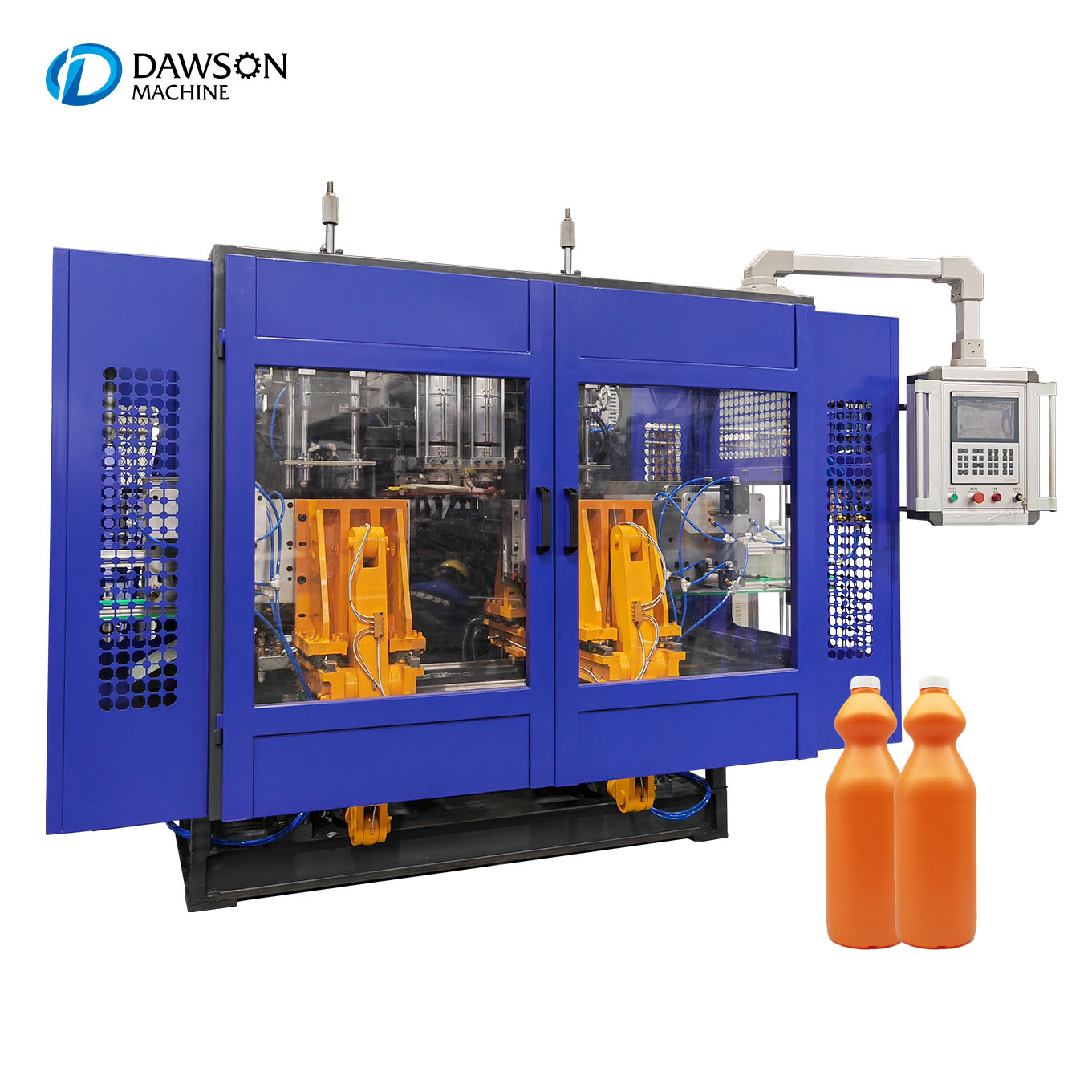
Key Quality Verification Points for Plastic Blow Molding Machine Manufacturers
When evaluating the quality of a plastic blow molding machine manufacturer, it’s essential to focus on critical technical and operational factors. Below are the key check points to ensure reliability, performance, and long-term support.
Material del molde (aluminio frente a acero)
- Verificar el tipo de material: Confirm whether the molds are made from aluminum, steel, or a combination. Steel molds are typically more durable and suitable for high-volume production, while aluminum molds offer faster cooling and are ideal for prototypes or medium runs.
- Assess Material Grade: Check the specific grade of aluminum (e.g., 6061, 7075) or steel (e.g., P20, H13) used—higher grades ensure better wear resistance and longevity.
- Surface Finish & Treatment: Inspect for proper surface treatments like chrome plating or nitriding, which enhance corrosion resistance and reduce wear.
- Customization Capability: Ensure the manufacturer can recommend and fabricate molds based on your product requirements and production volume.
Marca de PLC (Siemens frente a Mitsubishi)
- Confirmar marca y modelo de PLC: Request documentation showing the exact PLC brand (e.g., Siemens S7-1200, Mitsubishi FX or Q Series) used in the machine control system.
- Evaluate System Reliability: Siemens and Mitsubishi are industry leaders known for robustness, ease of programming, and global support—ensure the machine uses authentic, not generic or rebranded, PLCs.
- Check for HMI Integration: Verify that the Human-Machine Interface (HMI) is from the same brand for seamless communication, diagnostics, and ease of troubleshooting.
- Software & Updates: Inquire about software versioning, update availability, and cybersecurity features, especially for Industry 4.0 integration.
Eficacia de la duración del ciclo
- Request Real-World Cycle Time Data: Ask for cycle time performance under standard operating conditions for specific bottle sizes (e.g., 500ml PET bottle).
- Compare Theoretical vs. Actual Performance: Ensure the manufacturer provides actual test results from validated production runs, not just theoretical specs.
- Evaluate Energy & Air Consumption: Shorter cycle times should not compromise energy efficiency. Check compressed air usage and cooling system effectiveness.
- Assess Repeatability and Stability: Confirm that cycle time remains consistent over extended production runs (e.g., 8–24 hours) with minimal variation.
Disponibilidad de piezas de recambio
- Inquire About Stock and Lead Times: Ask whether critical spare parts (e.g., parison controllers, accumulators, seals, heaters) are readily available in your region.
- Request a Spare Parts List: Obtain a comprehensive list of commonly replaced components, including part numbers, pricing, and average delivery time.
- Check Global Support Network: Verify if the manufacturer has local distributors, service centers, or partnerships that ensure timely support.
- Evaluate OEM vs. Third-Party Parts: Confirm that spare parts are original equipment manufacturer (OEM) quality to maintain machine performance and warranty validity.
By thoroughly assessing these four key areas—Mold Material, PLC Brand, Cycle Time Efficiency, and Spare Parts Availability—you can confidently verify the quality and reliability of a plastic blow molding machine manufacturer.
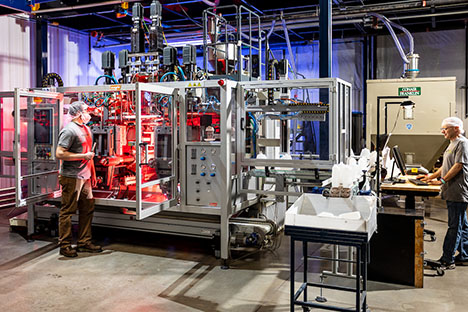
Configuration Guide for Plastic Blow Molding Machine
Selección del número de cavidades
The cavity number refers to the number of bottles produced per cycle in the blow molding machine. Selection depends on production volume, bottle size, and available space. Common configurations include 1, 2, 4, 6, 8, 12, or even up to 16 cavities.
- Low to Medium Output (1–2 cavities): Suitable for small-scale operations, specialty bottles, or prototyping.
- Medium to High Output (4–8 cavities): Ideal for standard production runs with moderate demand.
- High Volume (12–16 cavities): Recommended for mass production, especially for water, carbonated soft drinks, and large-volume beverage bottling.
Consider the following when selecting cavity number:
– Production target (bottles per hour)
– Machine footprint and factory layout
– Maintenance and operational complexity
– Investment budget
Higher cavity machines offer better cost per unit efficiency but require more robust auxiliary systems and precise process control.
Volumen de la botella
The machine must be configured to accommodate the desired bottle volume range, typically between 50 mL and 20 L, depending on the mold and stretch rod design.
- Small Volume (50–500 mL): Common for water, juice shots, and pharmaceutical bottles.
- Medium Volume (500 mL–2 L): Standard for beverages, edible oils, and household chemicals.
- Large Volume (2–20 L): Used for water jugs, industrial containers, and chemical storage.
Ensure the machine’s stretch rod travel, mold base, and platen size support the required bottle height and diameter. Some machines are modular and can be reconfigured for different volume ranges using interchangeable mold bases or tooling kits.
Compatibilidad de preformas
Blow molding machines must be compatible with the preform type, size, and material (typically PET, but also PP, HDPE, or PEN in some cases).
Consideraciones clave:
- Acabado del cuello preformado: The machine’s mold lock system and station design must accommodate the preform’s neck ring specification (e.g., PCO 1881, 28 mm, 38 mm).
- Longitud y diámetro de la preforma: Ensure the oven loading system, preform feed mechanism, and heating length can handle the preform dimensions.
- Tipo de material: PET is standard, but verify heater settings and control systems can adjust for different materials if needed.
- Supplier Compatibility: Confirm that preforms from your supplier meet dimensional tolerances and are suitable for the machine’s heating and blowing process.
Always perform a preform trial before full-scale production to verify compatibility.
Equipos auxiliares (compresor y enfriadora)
Proper auxiliary equipment is essential for stable and efficient operation.
Compresor:
– Supplies high-pressure air (typically 25-40 bar) for bottle blowing.
– Required capacity depends on cavity number and cycle time.
– Recommendation: Use an oil-free, refrigerated-dryer-equipped compressor to prevent contamination.
– Air storage tank (receiver) should be sized to buffer demand peaks (e.g., 1–2 m³ for a 6-cavity machine).
Enfriador:
– Cools molds and machine hydraulics to maintain dimensional stability and cycle consistency.
– Required cooling capacity (in kW or tons) depends on:
– Number of cavities
– Cycle time
– Mold material and design
– Typical range: 5–50 kW for standard systems.
– Use closed-loop, corrosion-resistant chillers with precise temperature control (±1°C).
Ensure proper piping, filtration, and flow monitoring for both systems. Integration with the machine’s control system (via PLC) enables real-time monitoring and fault detection.
In conclusion, sourcing a plastic blow molding machine from China offers a compelling combination of cost-efficiency, advanced manufacturing capabilities, and access to innovative technology. However, to ensure long-term operational success and minimize downtime, it is essential to prioritize key factors such as the Factory Acceptance Test (FAT) and comprehensive spare parts support. Conducting a thorough FAT before shipment allows buyers to verify the machine’s performance, quality, and compliance with technical specifications under real operating conditions, significantly reducing the risk of post-installation issues. Additionally, establishing a reliable supply chain for spare parts—either through pre-purchased kits or a clear support agreement with the manufacturer—is critical to maintaining continuous production and extending the machine’s lifespan. By emphasizing these elements during the procurement process, businesses can maximize the value of their investment, ensure smooth integration into operations, and achieve a strong return on investment over time.






