
As demand for high-speed, energy-efficient bottling solutions continues to rise across the beverage, pharmaceutical, and personal care sectors, automation has become a cornerstone of modern production. With global markets pushing for faster turnaround, reduced waste, and sustainable operations, rotary bottle blowing machines are at the forefront of packaging innovation. This 2026 audit identifies the top seven manufacturers delivering cutting-edge technology, reliability, and scalability to meet evolving industry standards in automated PET container production.
Los 7 principales fabricantes de máquinas rotativas de soplado de botellas (Lista de auditoría 2026)
(Clasificación por capacidad de producción y puntuación de confianza)
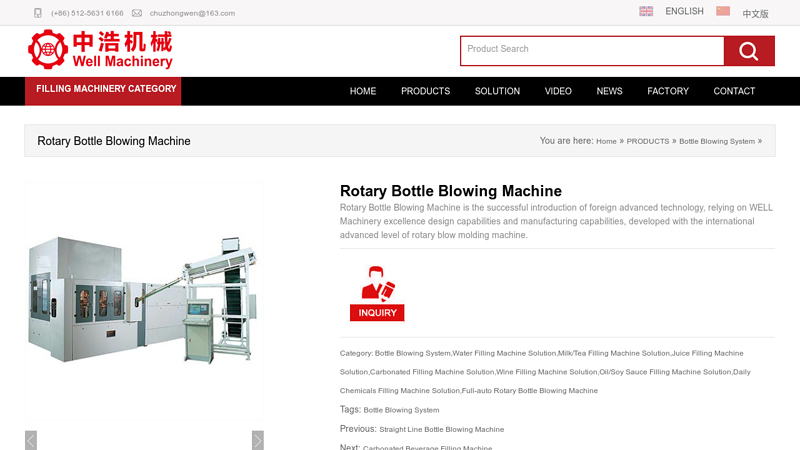
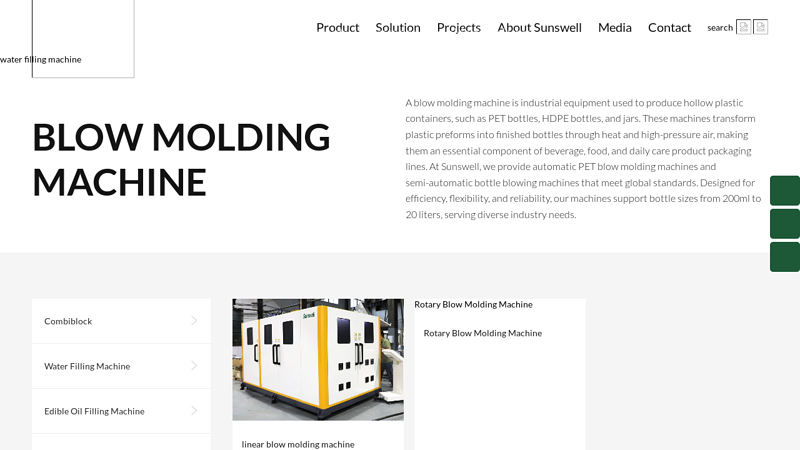
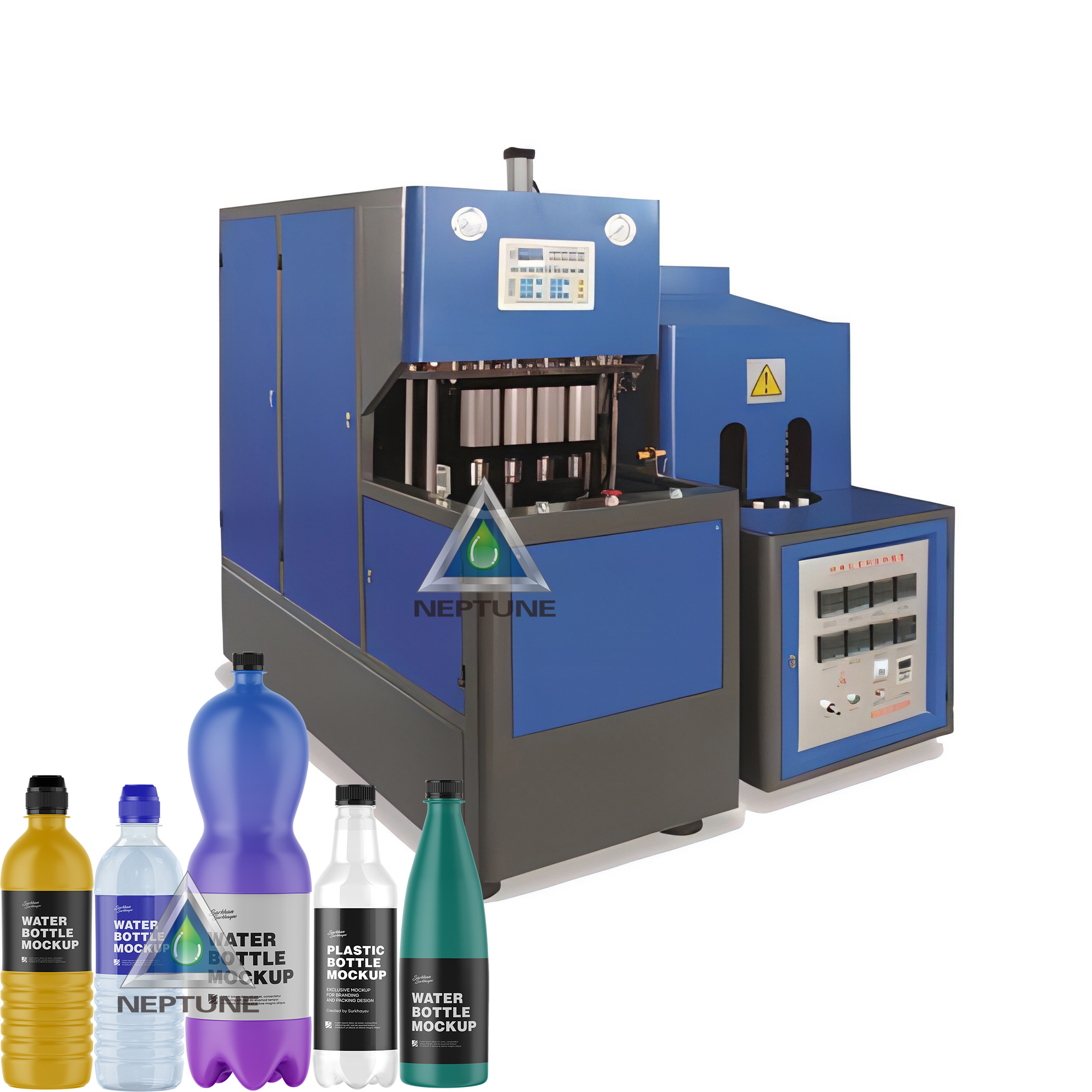
Professional Sourcing Guide: Rotary Bottle Blowing Machine
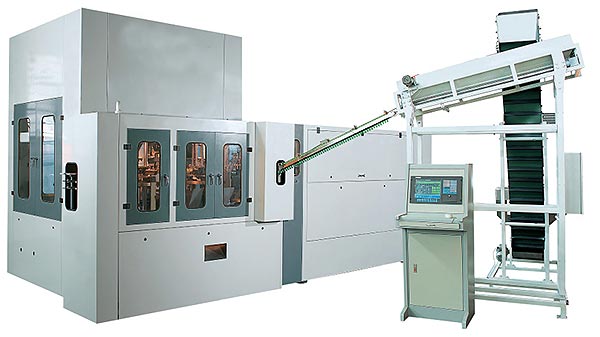
2026 Global Market Trends for Rotary Bottle Blowing Machines: Focus on High-Speed Production, Energy-Saving Technologies, and Automation
La producción a alta velocidad impulsa el crecimiento del mercado
The global rotary bottle blowing machine market is poised for significant expansion by 2026, with high-speed production emerging as a dominant trend. Manufacturers across industries such as beverages, pharmaceuticals, and personal care are demanding machines capable of producing over 40,000 bottles per hour to meet rising consumer demand and optimize operational efficiency.
Key drivers include:
- Increased demand for PET packaging: The growing preference for lightweight, shatter-resistant packaging in beverages and liquid products is pushing producers to adopt faster rotary systems.
- Economies of scale: High-speed machines reduce per-unit production costs, making them attractive for large-scale manufacturers, especially in emerging economies.
- Technological advancements: Innovations in preform heating, mold design, and air pressure control have enabled more consistent high-speed output without sacrificing bottle quality.
By 2026, the integration of modular designs and rapid changeover systems will further enhance production speed, allowing machines to switch between bottle formats in under 15 minutes—minimizing downtime and improving line efficiency.
Energy-Saving Technologies: Servo Motors as a Game Changer
Energy efficiency is becoming a critical differentiator in the rotary bottle blowing machine market, with servo motor technology leading the charge. Traditional hydraulic systems are being rapidly replaced by all-electric or hybrid servo-driven solutions that offer superior precision and lower energy consumption.
By 2026, the adoption of servo motors is expected to:
- Reduce energy consumption by 30–50% compared to conventional machines, significantly lowering operational costs and carbon footprints.
- Improve process control: Servo motors enable precise control over stretch rod movement, clamp force, and blow timing, resulting in fewer defective bottles and material savings.
- Support sustainability goals: As global regulations tighten on industrial emissions and energy use, manufacturers are prioritizing energy-efficient technologies to comply with ESG (Environmental, Social, and Governance) standards.
Leading OEMs are investing heavily in R&D to enhance servo motor integration, particularly in high-tonnage rotary systems. The trend is especially strong in Europe and North America, where energy costs are high and environmental regulations are stringent.
Advancement in Automation Level: Toward Smart and Integrated Production
Automation is rapidly transforming the rotary bottle blowing landscape, with 2026 marking a shift toward fully integrated, smart production lines. The push for Industry 4.0 adoption is driving demand for machines equipped with advanced sensors, real-time monitoring, and data analytics capabilities.
Entre las principales tendencias de automatización figuran:
- Predictive maintenance systems: IoT-enabled sensors monitor machine health (e.g., motor temperature, mold wear) and predict failures before they occur, minimizing unplanned downtime.
- Integration with MES and ERP systems: Rotary blow molding machines are increasingly being connected to plant-wide management systems for seamless production planning, inventory tracking, and quality control.
- Robotic handling and vision systems: Automated loading/unloading, inline inspection, and defect sorting are becoming standard, especially in high-speed lines serving the food and pharmaceutical sectors.
By 2026, fully automated rotary blowing cells with minimal human intervention will be common in large manufacturing facilities. This trend is supported by rising labor costs and the need for consistent quality in regulated industries.
In summary, the 2026 global rotary bottle blowing machine market will be defined by the convergence of high-speed production, energy-saving servo technologies, and advanced automation. Companies that embrace these trends will gain a competitive edge through improved efficiency, sustainability, and operational reliability.
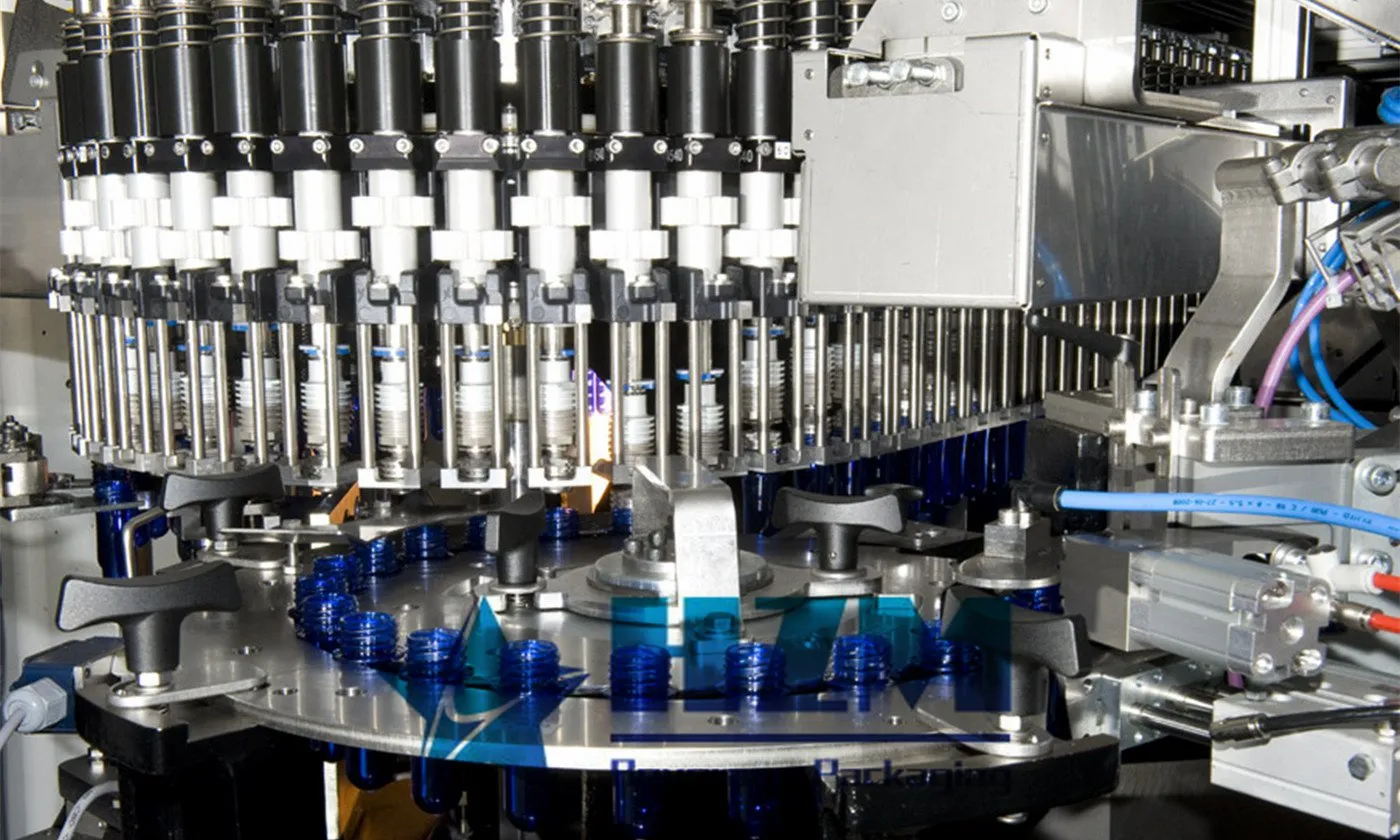
Key Quality Verification Points for Rotary Bottle Blowing Machine Manufacturers
When evaluating a rotary bottle blowing machine manufacturer, verifying quality is critical to ensure long-term performance, efficiency, and reliability. Focus on the following key check points:
Material del molde (aluminio frente a acero)
- Moldes de acero: Prioritize manufacturers that use high-grade hardened steel (e.g., 42CrMo, P20) for molds. Steel offers superior durability, resistance to wear, and longer service life—especially critical for high-volume production.
- Moldes de aluminio: Typically used for prototypes or low-volume runs due to faster cooling but lower durability. Avoid aluminum for continuous production unless explicitly justified.
- Consejo de verificación: Request material certification (e.g., mill test reports) and inspect surface treatment (chrome/nitriding) to ensure corrosion and wear resistance.
Marca de PLC (Siemens frente a Mitsubishi)
- Reputable Brands: Confirm the use of industry-leading PLCs such as Siemens (SIMATIC S7 series) o Mitsubishi (iQ-F or Q series). These offer proven reliability, advanced diagnostics, and global support.
- Functionality Check: Ensure the PLC supports real-time monitoring, fault logging, recipe storage, and remote troubleshooting.
- Consejo de verificación: Ask for system screenshots, HMI interface demos, and check if firmware updates and technical support are readily available in your region.
Eficacia de la duración del ciclo
- Stated vs. Actual Performance: Request verified cycle time data under real production conditions (e.g., 12,000–24,000 bottles/hour depending on size). Be cautious of theoretical maximums.
- Eficiencia energética: Evaluate air consumption (SCFM) and heating efficiency (preform oven design) as part of overall cycle efficiency.
- Consejo de verificación: Conduct an on-site trial or request video demonstrations with production data logs. Compare OEE (Overall Equipment Effectiveness) metrics if available.
Disponibilidad de piezas de recambio
- Inventario local: Confirm the manufacturer maintains a local or regional warehouse with critical spare parts (seals, valves, stretch rods, mold components).
- Plazos de entrega: Inquire about average delivery time for common wear parts—should be within 3–7 days for urgent needs.
- Documentation: Ensure parts catalogs, 3D drawings, and replacement guides are provided.
- Consejo de verificación: Request a list of top 10 consumable spare parts with pricing and availability. Check if third-party suppliers also support the machine design.
By rigorously assessing these four pillars—Material del molde, marca del PLC, eficiencia del tiempo de ciclo y disponibilidad de piezas de repuesto—you can effectively gauge the quality and reliability of a rotary bottle blowing machine manufacturer and minimize downtime risks in your production line.
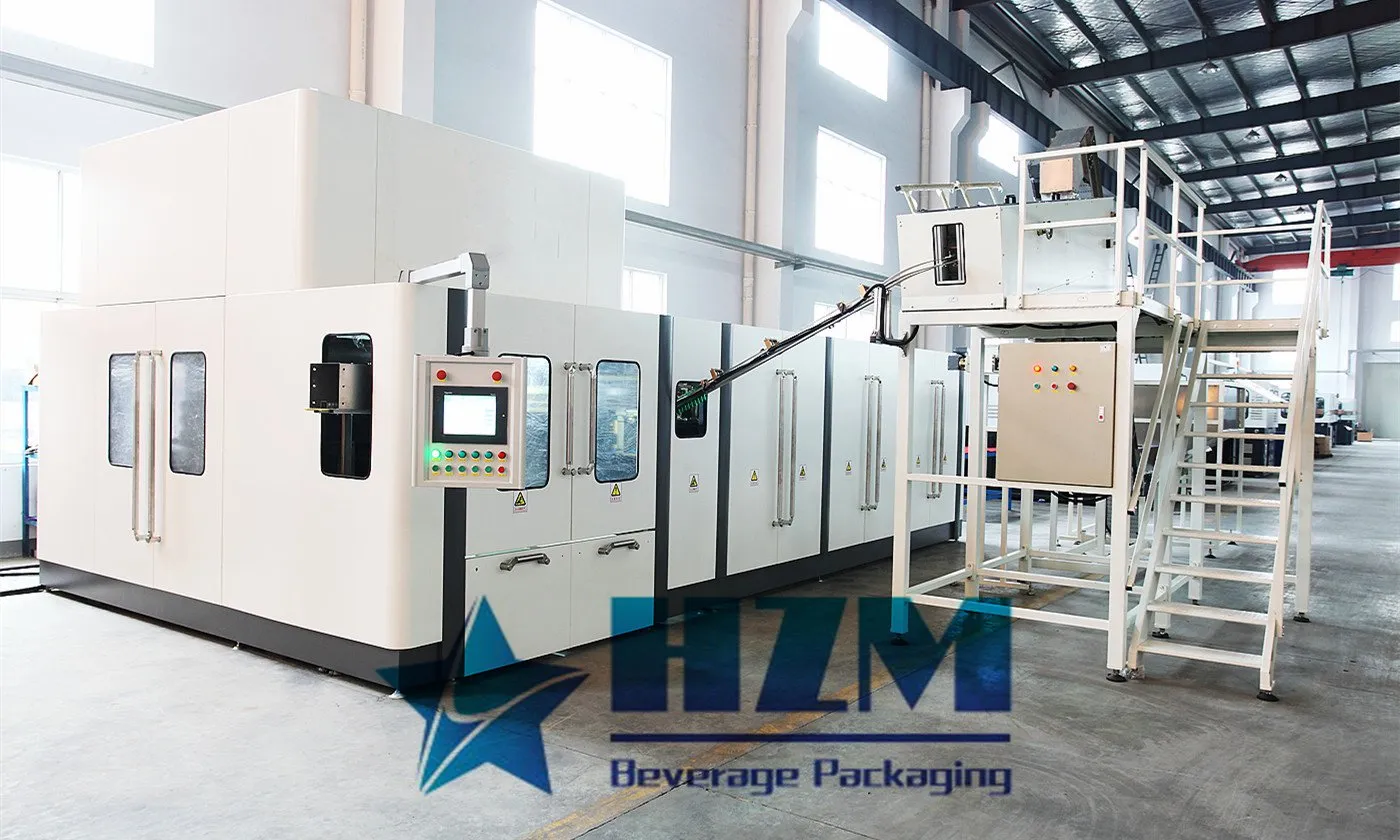
Configuration Guide for Rotary Bottle Blowing Machine
Selección del número de cavidades
The cavity number determines the machine’s output capacity and should align with production requirements and space constraints. Rotary blow molding machines typically offer configurations from 2 to 16 cavities. Consider the following when selecting:
- Production Volume: Higher cavity counts (e.g., 8–16) suit high-volume production lines, while lower counts (2–4) are ideal for small to medium output or multi-SKU operations.
- Changeover Frequency: Machines with fewer cavities allow faster mold changes, beneficial for facilities producing multiple bottle designs.
- Footprint & Investment: Larger cavity machines require more floor space and higher initial investment. Ensure facility layout and budget support the selected configuration.
- Balanced Output: Match cavity count with upstream (injection molding) and downstream (filling, packaging) line speeds to avoid bottlenecks.
Volumen de la botella
Rotary blow molding machines are designed to accommodate a specific range of bottle volumes, typically from 100 ml to 5 liters depending on model and configuration.
- Machine Model Dependency: Each machine model has a defined volume range. Verify compatibility with your target bottle sizes.
- Mold Design: The mold must be engineered for the desired bottle volume. Multi-volume molds (e.g., stretchable molds) can support limited range adjustments within the same cavity.
- Stretch Rod & Blow Pressure: Machines must support appropriate stretch rod travel and high-pressure air delivery across the volume range to ensure consistent wall thickness and structural integrity.
- Application-Specific Needs: Water, carbonated soft drinks (CSD), or hot-fill containers may require different volume tolerances and material distribution—confirm machine suitability.
Compatibilidad de preformas
Preform compatibility ensures seamless feeding and positioning during the blowing process.
- Dimensiones de la preforma: Match preform outer diameter, length, and neck finish (e.g., PCO 1881, 28mm finish) with machine loader and mold specifications.
- Tipo de material: Most rotary machines handle PET preforms. Confirm compatibility with recycled PET (rPET) or specialty resins if used.
- Sistema de calentamiento de preformas: Ensure the machine’s infrared (IR) oven or conditioning system is tuned for your preform wall thickness and resin grade to achieve uniform heating.
- Preform Feeding Mechanism: Verify compatibility with preform delivery systems—bulk hopper, bowl feeder, or robotic pick-and-place—based on preform geometry and production speed.
Equipo auxiliar (compresor/refrigerador)
Proper auxiliary equipment is critical for stable operation and high-quality bottle production.
Compressor Requirements
- Calidad del aire: Use oil-free compressors to prevent contamination. Air must meet ISO 8573-1 Class 1 for purity.
- Pressure & Flow: Typical requirements are 25–40 bar (360–580 psi) with high-volume, low-pressure (HVLP) stage for pre-blow and high-pressure (HP) stage for final blow. Size the compressor based on cavity count and cycle time.
- Air Storage: Install sufficient receiver tanks (wet and dry) to buffer pressure fluctuations and support peak demand.
Chiller Requirements
- Capacidad de refrigeración: Required to cool molds and maintain consistent cycle times. Typical range: 5–25 kW, depending on machine size and output.
- Control de la temperatura: Maintain mold temperature between 8–15°C (46–59°F) for optimal crystallization and cycle stability.
- Calidad del agua: Use closed-loop, filtered, and deionized water to prevent scaling and corrosion in cooling channels.
- Flow Rate & Pressure: Ensure chiller delivers adequate flow (e.g., 10–50 L/min per cavity) at stable pressure to avoid hot spots.
Ensure all auxiliary systems are correctly sized, integrated, and regularly maintained to support uninterrupted rotary blow molding operations.
In conclusion, sourcing a rotary bottle blowing machine from China offers a compelling combination of advanced technology, cost-efficiency, and scalable production capacity. However, ensuring long-term operational success hinges on critical factors such as the Factory Acceptance Test (FAT) and reliable spare parts support. Conducting a thorough FAT before shipment is essential to verify the machine’s performance, automation integration, and compliance with technical specifications under real operating conditions. This step not only minimizes the risk of post-delivery issues but also ensures that the equipment meets your production standards from day one. Equally important is establishing a clear agreement on spare parts availability, including delivery timelines and technical documentation, to avoid extended downtimes. Partnering with a reputable Chinese manufacturer that provides comprehensive FAT procedures and a responsive spare parts supply chain is key to achieving optimal uptime, sustained productivity, and a strong return on investment. By prioritizing these elements, businesses can confidently leverage China’s manufacturing expertise while ensuring reliability and continuity in their bottle production operations.






