
As demand surges for high-capacity, precision-engineered bottling solutions across the beverage, water, and liquid packaging sectors, automation and operational efficiency have become pivotal in shaping procurement decisions. The growing need for sustainable, low-maintenance, and high-output 10L bottle blowing machines has intensified competition among manufacturers, driving innovation and reliability. This 2026 audit identifies the top five leading producers of 10L bottle blowing machinery, evaluated on performance, scalability, energy efficiency, and integration with smart manufacturing systems—essential criteria for forward-thinking B2B buyers in the plastic packaging supply chain.
Top 5 fabricantes de máquinas de soplado de botellas de 10L (Lista de auditoría 2026)
(Clasificación por capacidad de producción y puntuación de confianza)
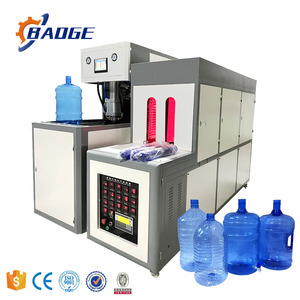
Professional Sourcing Guide: 10L Bottle Blowing Machine
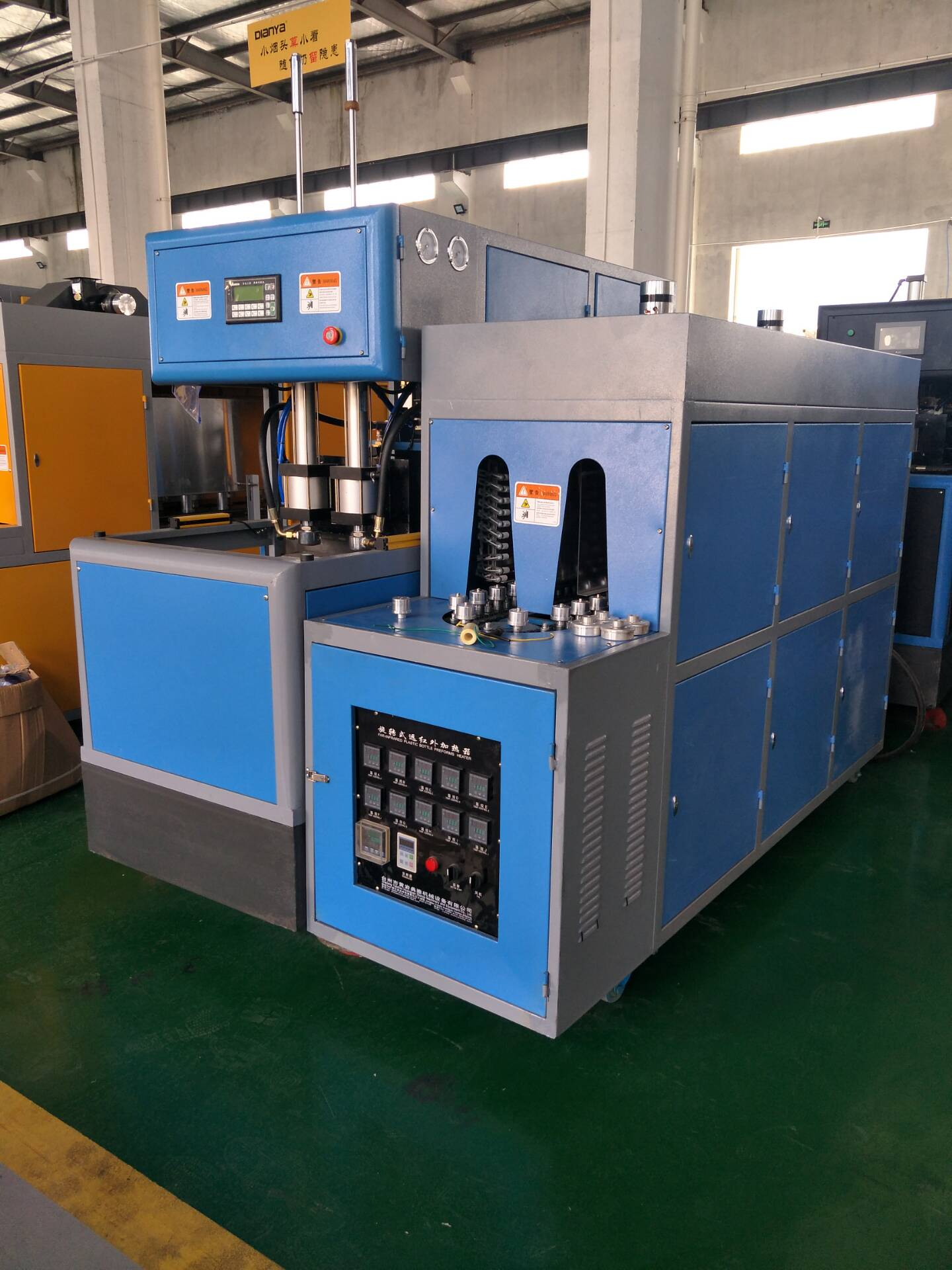
2026 Global Market Trends for 10L Bottle Blowing Machines: Focus on High-Speed Production, Energy-Saving Technologies, and Automation
High-Speed Production Demand Driving Market Evolution
By 2026, the global market for 10L bottle blowing machines is expected to witness substantial growth, primarily driven by increasing demand for high-speed production capabilities. The expanding bottled water, edible oil, and liquid detergent industries—especially in Asia-Pacific and Africa—are fueling the need for machines that can produce thousands of 10L bottles per hour with consistent quality.
Modern 10L bottle blowing systems are increasingly incorporating multi-cavity designs (up to 8 cavities) and advanced preform feeding systems to achieve production rates exceeding 1,800 bottles per hour per cavity. High-speed rotary stretch blow molding machines are gaining prominence due to their ability to maintain precision while drastically reducing cycle times. These machines are increasingly integrated with real-time monitoring and predictive maintenance systems to minimize downtime and maximize output efficiency.
Moreover, manufacturers are focusing on modular machine designs that allow quick changeovers between different bottle designs or production volumes, supporting flexible manufacturing—especially critical for contract bottlers and companies with diverse product lines. As consumer demand for larger-volume packaging grows, particularly for household and commercial use, the 10L segment is becoming a key battleground for productivity innovation.
Advancement in Energy-Saving Technologies: The Rise of Servo Motor Integration
Energy efficiency is a pivotal factor shaping the 2026 landscape of 10L bottle blowing machines, with servo motor technology emerging as a core differentiator. Traditional hydraulic systems, once dominant in blow molding, are being rapidly replaced by all-electric or hybrid servo-driven machines due to their superior energy efficiency, quieter operation, and reduced maintenance needs.
Servo motors enable precise control of clamping, stretching, and blowing movements, reducing energy consumption by up to 40–50% compared to hydraulic systems. This not only lowers operational costs but also supports corporate sustainability goals and compliance with tightening environmental regulations in regions like the EU and North America.
Leading manufacturers such as Sidel, Krones, and Bekum are now offering servo-electric 10L blowing machines with integrated energy recovery systems. These systems capture and reuse heat from the blow molding process, further enhancing efficiency. In emerging markets, where energy costs and reliability are major concerns, the adoption of servo-based systems is accelerating, supported by government incentives for green manufacturing.
By 2026, it is projected that over 60% of new 10L bottle blowing machines sold globally will feature full or partial servo motor integration, particularly in mid-to-high-end production lines.
Nivel de automatización: Hacia fábricas inteligentes totalmente integradas
The automation level of 10L bottle blowing machines is undergoing a transformative shift by 2026, with a clear trend toward Industry 4.0 integration and smart manufacturing. Modern systems now feature advanced automation capabilities such as robotic preform loading, automatic defect detection using AI-powered vision systems, and seamless integration with upstream and downstream packaging lines (e.g., filling, labeling, and palletizing).
Machine-to-machine (M2M) communication and cloud-based monitoring platforms are enabling predictive maintenance, real-time production analytics, and remote diagnostics. This level of automation reduces labor dependency, enhances product consistency, and improves overall equipment effectiveness (OEE). For large beverage and chemical producers, these features are critical to maintaining competitiveness and scaling operations efficiently.
Additionally, the integration of digital twins allows manufacturers to simulate and optimize the performance of 10L blowing lines before deployment, reducing commissioning time and minimizing risk. Fully automated cells that include in-line quality control and automatic reject handling are becoming standard in new installations.
As labor costs rise and skilled technician shortages persist—especially in developed economies—the push for higher automation is expected to intensify. By 2026, over 70% of new 10L blowing machines in industrialized regions are projected to include advanced automation features, with full end-to-end integration into smart factory ecosystems.
Conclusión
The 2026 global market for 10L bottle blowing machines is being reshaped by three interlinked trends: the pursuit of high-speed production, the widespread adoption of energy-saving servo motor technologies, and the rise of sophisticated automation. As sustainability, operational efficiency, and cost-effectiveness become paramount, manufacturers investing in next-generation blowing systems will gain a strategic advantage. The convergence of these trends points toward a future where 10L bottle production is faster, greener, and smarter than ever before.
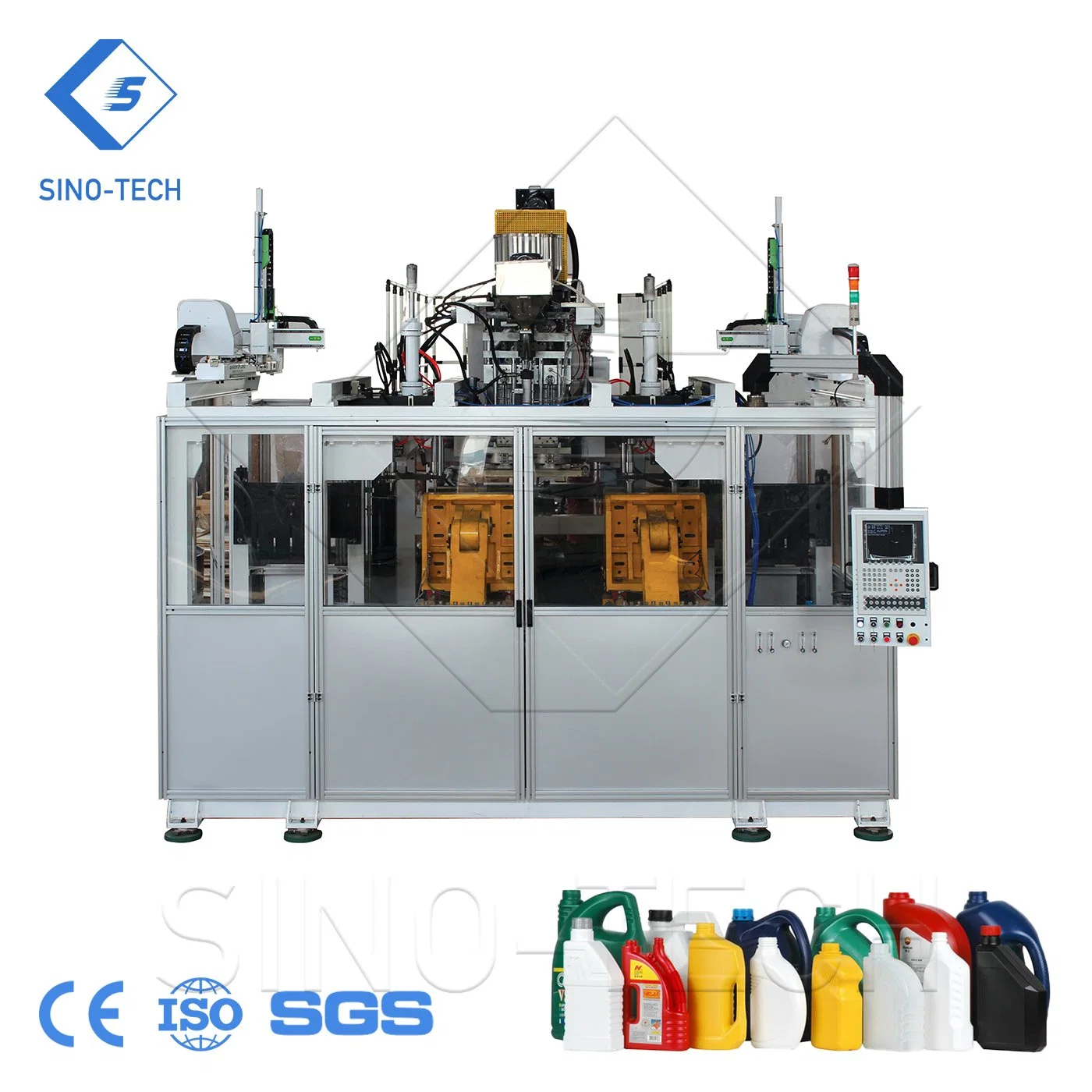
Key Quality Verification Points for 10L Bottle Blowing Machine Manufacturers
When evaluating a 10L bottle blowing machine manufacturer, verifying quality is critical to ensure reliability, efficiency, and long-term performance. Focus on the following key check points:
Material del molde (aluminio frente a acero)
- Inspeccionar la certificación del material: Request documentation (e.g., material test reports) confirming whether molds are made from aluminum or steel. Steel molds (such as P20 or H13) generally offer superior durability and longevity for high-volume production.
- Evaluate Surface Finish and Hardness: Steel molds typically provide better wear resistance and dimensional stability. Ensure the mold surface is polished to a high finish to prevent defects in the final bottle.
- Assess Cooling Efficiency: Aluminum molds cool faster but wear quicker. For continuous 10L bottle production, steel is preferred for consistent thermal performance and longer service life.
- Request Mold Design Details: Confirm that the mold design supports uniform wall thickness and proper stress distribution in the 10L bottle.
Marca de PLC (Siemens frente a Mitsubishi)
- Verify Installed PLC Model: Check the actual PLC brand and model used on the machine control panel. Reputable brands like Siemens (e.g., S7-1200/1500) or Mitsubishi (e.g., FX or Q Series) indicate reliable control systems.
- Review Control Interface and Programming: Test the HMI (Human-Machine Interface) for responsiveness, language support, and ease of operation. Both Siemens and Mitsubishi offer robust diagnostics and remote monitoring capabilities.
- Confirm Software and Firmware Updates: Ensure the manufacturer uses original, licensed software and provides access to firmware updates and technical support.
- Evaluate Integration Capabilities: High-quality PLCs support seamless integration with auxiliary systems (e.g., air compressors, conveyors) and Industry 4.0 technologies.
Eficacia de la duración del ciclo
- Request Actual Production Data: Ask for verified cycle time reports from existing clients producing 10L bottles. Typical cycle times should range between 12–20 seconds per bottle depending on machine configuration.
- Conduct On-Site or Video Trial Run: Observe a live demonstration producing 10L bottles to measure actual blow cycle, preform heating time, and ejection efficiency.
- Assess Energy and Air Consumption: Efficient machines minimize compressed air usage and maintain stable heating profiles. Compare specific energy consumption (kWh per bottle) with industry benchmarks.
- Evaluate Consistency and Repeatability: Ensure cycle time remains stable over extended runs (e.g., 8+ hours) without degradation in bottle quality.
Disponibilidad de piezas de recambio
- Request Spare Parts List and Pricing: Obtain a comprehensive list of wear-prone components (e.g., sealing rings, stretch rods, heating lamps, valves) and their lead times.
- Check Local Distribution and Stocking: Verify if the manufacturer or its regional partners maintain inventory of critical spare parts to minimize downtime.
- Confirm Compatibility and Standardization: Parts should follow international standards (e.g., ISO, DIN) and be easily replaceable. Avoid proprietary components with limited suppliers.
- Review After-Sales Support Agreement: Ensure the supplier offers a clear maintenance plan, technical assistance, and expedited shipping options for urgent replacements.
By rigorously assessing these four critical areas—mold material, PLC brand, cycle time efficiency, and spare parts availability—you can confidently identify a high-quality 10L bottle blowing machine manufacturer that meets your production needs.
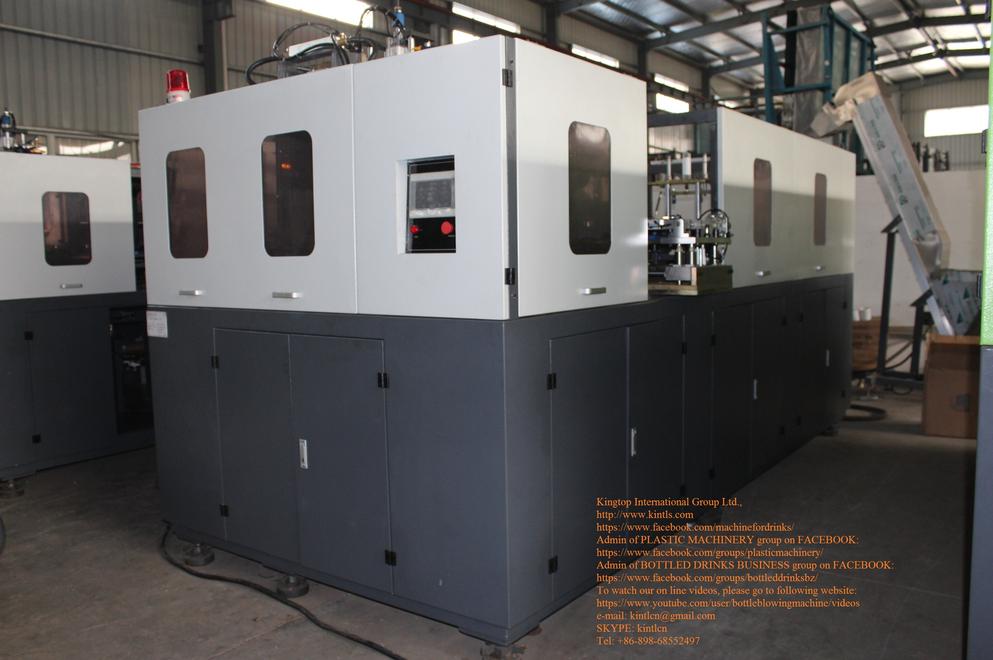
Configuration Guide for 10L Bottle Blowing Machine
Selección del número de cavidades
The cavity number determines the machine’s output capacity and should align with your production requirements. For a 10L bottle blowing machine:
- Cavidad única (1 cavidad): Ideal for low-volume production or prototyping. Offers simplicity in operation and maintenance with output typically around 300–500 bottles per hour.
- Double Cavity (2-cavity): Suitable for medium-scale operations. Doubles output capacity (600–1000 bottles per hour), balancing productivity and footprint.
- Multi-Cavity (4+ cavities): Recommended for high-volume manufacturing. Significantly increases output but requires more space, energy, and auxiliary support. For 10L bottles, multi-cavity setups are less common due to size and cooling requirements.
Select the cavity number based on desired output, available floor space, and budget constraints.
Volumen de la botella
The machine must be specifically configured to handle 10L bottles, which fall into the large-volume category:
- Gama estándar: Most 10L blow molding machines are optimized for bottles between 8L to 12L.
- Personalización: Machines can sometimes be adjusted for bottles as small as 5L or as large as 15L, but this may require changes to mold design, stretch rod length, and pressure parameters.
Ensure your machine’s technical specifications explicitly support 10L bottles to maintain consistent wall thickness and structural integrity.
Compatibilidad de preformas
Preform selection is critical for successful 10L bottle production:
- Preform Size: Typically requires a 48–55mm neck finish with a preform weight of 180–250g, depending on bottle design and material thickness.
- Material: Diseñado para crystallizable PET (CPET) or reinforced PET to withstand the stresses of large-volume blow molding and maintain thermal stability.
- Preform Heating: Ensure the oven system can uniformly heat larger preforms. Preforms for 10L bottles require longer and more controlled heating to avoid uneven stretching.
Verify compatibility with your preform supplier and conduct trials to optimize heating and blowing parameters.
Equipo auxiliar (compresor/refrigerador)
Proper auxiliary systems are essential for stable and efficient operation:
Compresor de aire:
- Required Capacity: Minimum 2.0–3.0 m³/min of clean, dry air at 30–40 bar pressure.
- Calidad del aire: Use a refrigerated or desiccant dryer to achieve dew point ≤ -20°C and eliminate moisture, preventing valve and cylinder damage.
- Recomendación: A high-pressure oil-free compressor is preferred to avoid contamination of the blow molds and final product.
Chiller (Cooling System):
- Cooling Requirement: Essential for mold temperature control. Required cooling capacity is typically 8–12 kW for a 2-cavity 10L machine.
- Control de temperatura: Mantener la temperatura del molde entre 10–18°C for optimal cycle time and bottle clarity.
- Calidad del agua: Use demineralized or softened water to prevent scaling in cooling channels.
- Recomendación: Closed-loop chillers with corrosion-resistant components ensure consistent performance and longer mold life.
Ensure all auxiliary equipment is properly sized and synchronized with the main blowing machine for reliable, high-quality production.
In conclusion, sourcing a 10L bottle blowing machine from China offers a cost-effective and efficient solution for scaling production, provided due diligence is exercised in selecting a reputable manufacturer. A critical component of this process is the Factory Acceptance Test (FAT), which ensures the machine meets all performance, safety, and quality standards before shipment. Conducting a thorough FAT—either in person or via a trusted representative—validates machine functionality, process reliability, and compliance with technical specifications, minimizing the risk of operational delays upon installation. Equally important is the assurance of comprehensive spare parts support. Partnering with a supplier that provides ready access to genuine spare parts, clear documentation, and responsive technical service is essential for minimizing downtime and maintaining long-term operational efficiency. By prioritizing both a rigorous FAT and reliable spare parts availability, businesses can confidently invest in Chinese-manufactured blowing machines while ensuring durability, productivity, and seamless integration into their production lines.






