
As global demand for packaged water continues to rise, bottling operations are under increasing pressure to enhance efficiency, reduce downtime, and scale production sustainably. In this evolving landscape, automated water bottle blowing machines have become a cornerstone of modern production lines—offering precision, speed, and energy efficiency. With automation reshaping the industry, selecting the right manufacturing partner is critical for long-term competitiveness. This 2026 audit list highlights the top 10 water bottle blowing machine manufacturers renowned for innovation, reliability, and performance in delivering end-to-end solutions tailored to dynamic market needs.
Los 10 principales fabricantes de máquinas de soplado de botellas de agua (Lista de auditoría 2026)
(Clasificación por capacidad de producción y puntuación de confianza)
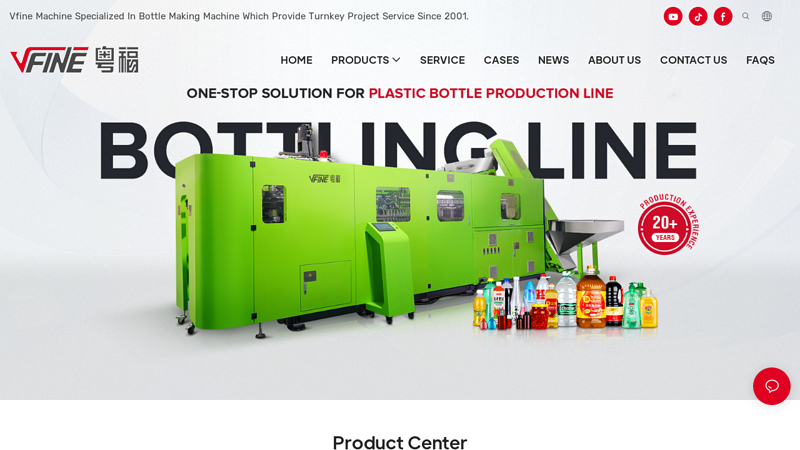
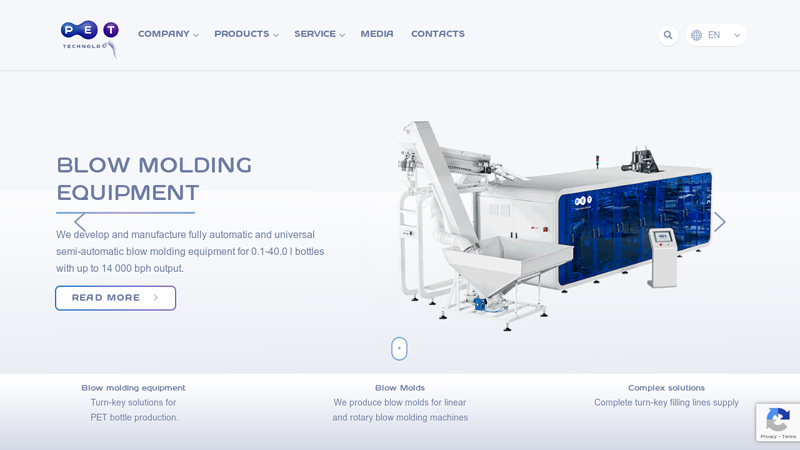
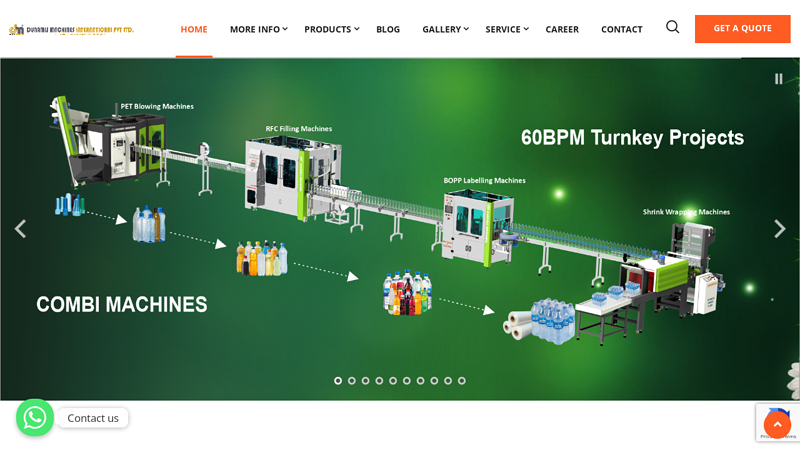

Professional Sourcing Guide: Water Bottle Blowing Machine
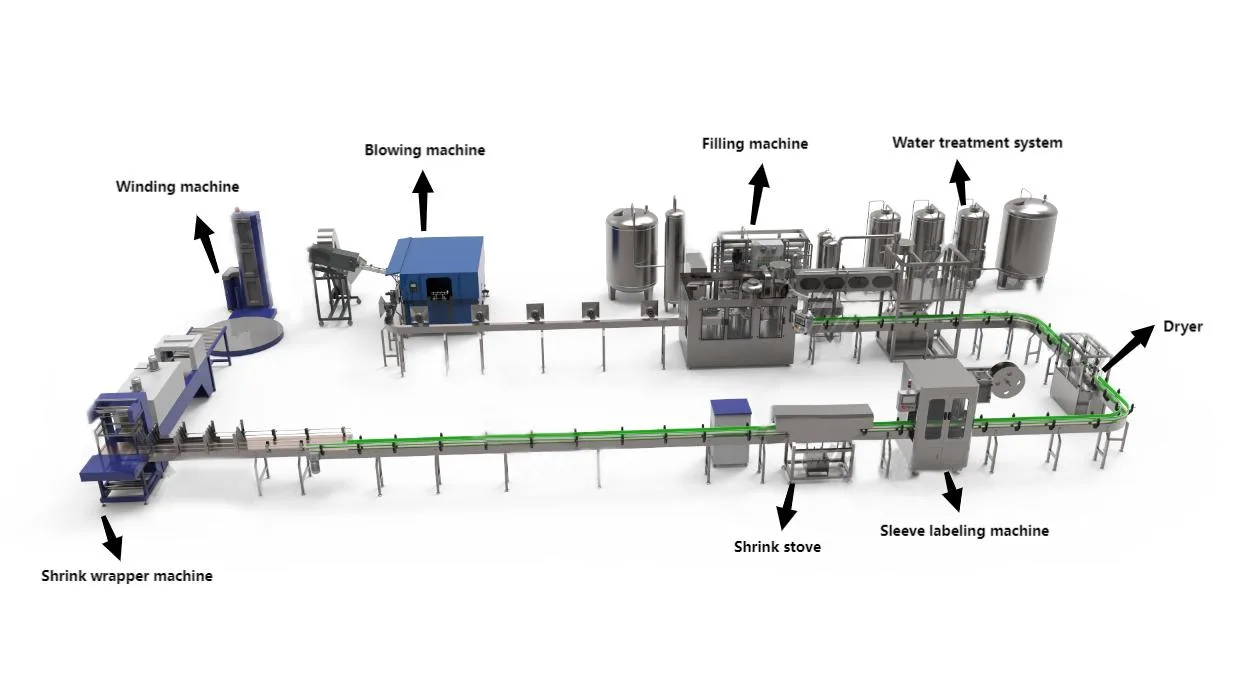
2026 Global Market Trends for Water Bottle Blowing Machines: Focus on High-Speed Production, Energy-Saving Technologies, and Automation
La producción a alta velocidad impulsa el crecimiento del mercado
The global water bottle blowing machine market is witnessing a paradigm shift toward high-speed production systems, with 2026 trends indicating a strong demand for machines capable of outputting 30,000 to over 100,000 bottles per hour. This surge is primarily driven by the increasing consumption of bottled water and ready-to-drink (RTD) beverages, particularly in emerging economies across Asia-Pacific, the Middle East, and Africa.
Manufacturers are investing heavily in multi-cavity stretch blow molding machines, with configurations ranging from 8 to 36 cavities, enabling mass production with minimal footprint. High-speed models now integrate advanced preform feeding, precise temperature control, and optimized air management systems to maintain consistent quality at elevated output rates. For instance, rotary and linear rotary platforms are gaining preference due to their ability to reduce cycle times and improve throughput efficiency.
Furthermore, modular designs allow for scalability and customization, letting bottling plants upgrade machines without complete overhauls. The push for just-in-time manufacturing and reduced lead times is compelling beverage producers to prioritize speed alongside reliability—an evolution that positions high-speed blowing machines as critical infrastructure in modern packaging lines.
Advancements in Energy-Saving Technologies: Rise of Servo Motor Systems
Energy efficiency has become a central criterion in the selection of water bottle blowing machines, with servo motor technology emerging as a dominant innovation shaping the 2026 landscape. Unlike traditional hydraulic systems, servo-driven machines offer precise control over motion, pressure, and timing, resulting in energy savings of up to 30–50%.
Servo motors enable regenerative braking and variable speed operation, drastically reducing power consumption during non-peak cycles. Leading manufacturers such as Sidel, Krones, and SIPA have integrated full-servo or hybrid servo-hydraulic systems into their next-generation models, enhancing process stability while minimizing carbon footprint.
Additionally, the integration of intelligent energy recovery systems—such as heat reclaim from compressors and optimized air recycling—complements servo technology to further reduce operational costs. With global emphasis on ESG (Environmental, Social, and Governance) compliance and rising energy prices, these energy-saving features are no longer optional but essential for competitiveness. As a result, the market share of servo-based blowing machines is projected to exceed 60% by 2026, particularly in Europe and North America, where sustainability regulations are stringent.
Increasing Automation Level: Toward Smart and Connected Production
Automation is transforming the water bottle blowing machine sector, with 2026 trends highlighting a move toward fully integrated, smart manufacturing ecosystems. Modern machines now feature advanced human-machine interfaces (HMIs), robotic integration, and Industry 4.0 capabilities such as IoT connectivity, predictive maintenance, and real-time performance analytics.
Automated preform loaders, in-line quality inspection systems (e.g., vision sensors for wall thickness and contamination detection), and self-diagnostics are now standard on mid-to-high-end models. These systems reduce human intervention, minimize downtime, and enhance product consistency. Moreover, centralized control systems allow remote monitoring and control across multiple machines, enabling plant managers to optimize production schedules and respond proactively to anomalies.
Cloud-based platforms are increasingly adopted to collect and analyze production data, facilitating continuous improvement and energy optimization. The integration with ERP and MES systems ensures seamless coordination between blowing, filling, and labeling operations, boosting overall line efficiency.
As labor costs rise and skilled operator shortages persist, especially in developed regions, the demand for high-automation solutions is accelerating. By 2026, it is estimated that over 70% of new water bottle blowing machine installations will include at least semi-automated or fully autonomous operation capabilities, positioning automation as a cornerstone of future-ready packaging infrastructure.
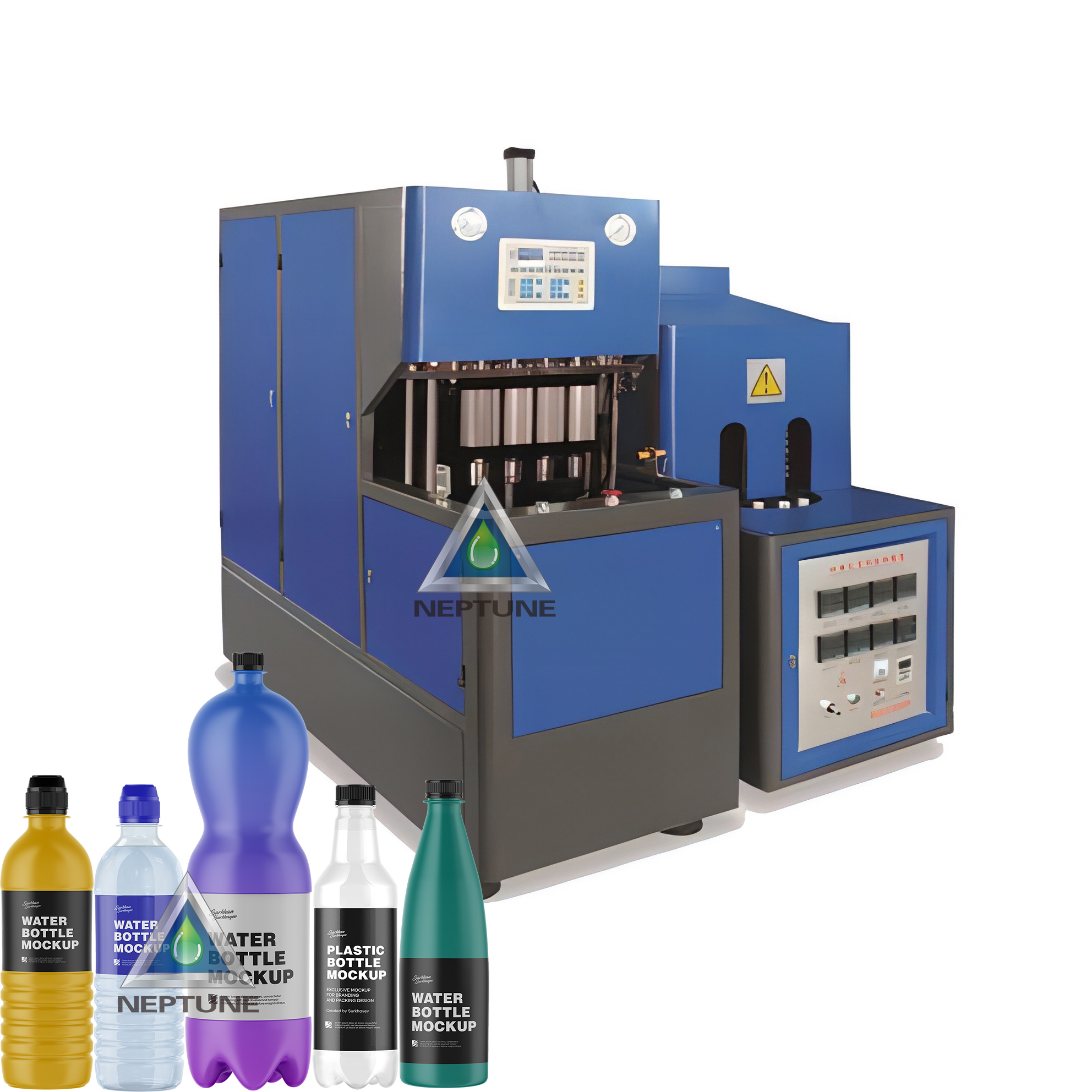
Key Quality Verification Points for Water Bottle Blowing Machine Manufacturers
When evaluating a water bottle blowing machine manufacturer, ensuring high quality and long-term reliability is crucial. Focus on the following critical check points to make an informed decision:
Material del molde (aluminio frente a acero)
Verify the type of material used in the mold construction, as it directly impacts durability, production volume, and cost:
- Moldes de acero: Preferred for high-volume production due to superior hardness, wear resistance, and longevity. Ideal for 24/7 operations and extended production cycles.
- Moldes de aluminio: Lighter and less expensive, suitable for prototypes or low-to-medium production runs. However, they wear faster and are less heat-resistant than steel.
- Consulte: Request material certification or specifications. Confirm mold hardness (e.g., HRC 35–45 for steel) and inquire about expected mold life (e.g., 1–5 million cycles or more).
Marca de PLC (Siemens frente a Mitsubishi)
The Programmable Logic Controller (PLC) is the machine’s control center—its brand and reliability affect performance and maintenance:
- PLC Siemens: Known for robust performance, global support, and excellent integration with HMI and SCADA systems.
- PLC Mitsubishi: Widely used in packaging machinery, offering reliable operation and good technical support in Asia and globally.
- Consulte: Confirm the exact PLC model and version. Ensure the manufacturer provides full programming access, ladder logic documentation, and local technical support availability.
Eficacia de la duración del ciclo
Cycle time is a direct measure of machine productivity and energy efficiency:
– Verify the manufacturer’s stated cycle time (e.g., 8–12 seconds per bottle, depending on volume and configuration).
- Consulte: Request live demonstrations or video proof of production runs. Compare actual output (bottles per hour) against theoretical capacity. Inquire about energy consumption per cycle and consistency under continuous operation.
– Look for features like servo-driven stretch rods and optimized preform heating that enhance efficiency.
Disponibilidad de piezas de recambio
Reliable access to spare parts minimizes downtime and ensures long-term machine operability:
- Consulte: Ask for a comprehensive spare parts list with part numbers, lead times, and pricing.
– Confirm if the manufacturer maintains a local or regional warehouse for fast delivery.
– Inquire about the availability of critical wear components (seals, O-rings, valves, heaters) and whether third-party alternatives are compatible.
– Assess after-sales support: Do they offer maintenance training, remote diagnostics, and on-site service?
By thoroughly verifying these four key areas—Material del molde, marca del PLC, eficiencia del tiempo de ciclo y disponibilidad de piezas de repuesto—you can confidently select a high-quality water bottle blowing machine manufacturer that meets your production needs and reliability standards.
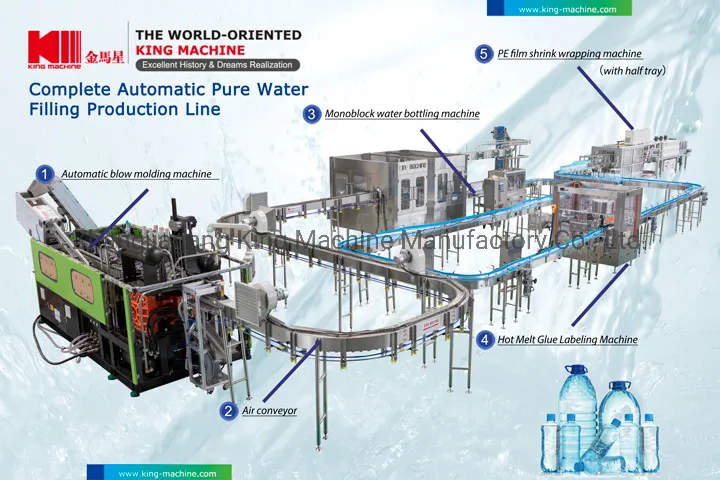
Configuration Guide for Water Bottle Blowing Machine
Selección del número de cavidades
The cavity number refers to the number of bottles the machine can blow simultaneously in one cycle. Selecting the appropriate cavity number depends on your production requirements and available resources:
- Low Volume Production (1–4 cavities): Ideal for small businesses or startups with production needs below 2,000 bottles per hour. Offers lower initial investment and simpler maintenance.
- Medium Volume Production (6–12 cavities): Suitable for mid-sized operations producing between 3,000 and 10,000 bottles per hour. Balances efficiency and cost-effectiveness.
- High Volume Production (16–36+ cavities): Designed for large-scale bottling plants requiring output exceeding 15,000 bottles per hour. Maximizes throughput but demands higher investment and infrastructure support.
Consider factory space, power supply, and downstream packaging capabilities when selecting cavity count. Higher cavity machines require more robust auxiliary systems and automation integration.
Volumen de la botella
The blowing machine must be compatible with the intended bottle sizes. Most water bottle blowing machines support a specific volume range:
- Gama estándar: 300 mL to 2,000 mL (common for drinking water and beverages).
- Flexibilidad de la máquina: Some models offer quick-change molds to support multiple bottle sizes within the specified range.
- Personalización: For non-standard volumes (e.g., 500 mL, 1L, 1.5L), ensure the machine’s stretch rod, mold base, and control system can accommodate the desired dimensions.
- Precision Requirements: Machines should maintain consistent wall thickness and structural integrity across the volume range to ensure bottle quality and pressure resistance.
Verify with the manufacturer that your target bottle volumes fall within the machine’s operational parameters.
Compatibilidad de preformas
Preform compatibility is crucial for seamless production and consistent bottle quality:
- Dimensiones de la preforma: Confirm that the machine accepts your preform’s neck finish (e.g., PCO 1881, 26mm, 38mm) and overall geometry.
- Rango de peso de la preforma: Machines are typically designed for preforms weighing between 18g and 60g, depending on bottle size. Ensure alignment between your preform weight and machine specifications.
- Loading System: Choose between manual, semi-automatic, or fully automatic preform loaders based on production scale. Fully automatic systems feed preforms from a hopper via air or vibratory conveyors.
- Heating Compatibility: The machine’s infrared oven must be calibrated to uniformly heat your specific preform material (usually PET) without degradation.
Using incompatible preforms can lead to poor blowing results, increased waste, and machine wear.
Equipo auxiliar (compresor/refrigerador)
Proper auxiliary equipment is essential for reliable and efficient operation:
Compresor de aire:
- Requirement: High-purity, dry compressed air (typically 25–40 bar) for the blowing process.
- Capacidad: Should deliver 0.8–1.2 m³/min per cavity. For example, a 12-cavity machine may need a 10–15 HP compressor.
- Calidad del aire: Use oil-free compressors or high-efficiency filters to prevent contamination. Moisture and oil can damage seals and affect bottle clarity.
Chiller (Cooling System):
- Propósito: Cools molds and machine components to maintain dimensional stability and cycle consistency.
- Capacidad: Typically 1–2 kW per cavity. A 12-cavity machine may require a 15–25 kW chiller.
- Control de temperatura: Maintain mold temperature between 10–15°C for optimal PET crystallization and cycle time.
- Calidad del agua: Utilice agua desionizada o descalcificada para evitar la formación de incrustaciones en los canales de refrigeración.
Ensure auxiliary systems are properly sized, installed close to the blowing machine, and integrated with safety interlocks for stable operation.
In conclusion, sourcing a water bottle blowing machine from China offers a compelling combination of cost-efficiency, advanced technology, and scalable production capacity. However, to ensure long-term reliability and operational continuity, it is crucial to prioritize suppliers who provide a comprehensive Factory Acceptance Test (FAT) prior to shipment. The FAT serves as a critical verification step, confirming that the machine meets all technical specifications, performance standards, and quality requirements under real operating conditions. This not only minimizes the risk of post-installation issues but also ensures a smoother commissioning process at the final destination.
Equally important is the availability of robust spare parts support. Given the continuous operation demands of bottle production, having prompt access to genuine spare parts is essential to minimize downtime and maintain production efficiency. Therefore, partnering with a Chinese manufacturer that offers a well-structured spare parts supply chain, clear documentation, and responsive technical assistance significantly enhances the overall value and sustainability of the investment.
By emphasizing FAT compliance and dependable spare parts support, buyers can confidently source high-performance blowing machines from China while ensuring reliability, reduced operational risks, and long-term productivity.






