
As global demand for clean drinking water and sustainable packaging continues to rise, the need for efficient, high-output bottling solutions has never been more critical. In 2026, water bottle blow molding machines stand at the heart of modern production, with automation, energy efficiency, and precision emerging as key drivers in purchasing decisions. This comprehensive audit identifies the top 10 water bottle blow molding machine manufacturers leading innovation and reliability in the industry—offering procurement professionals and bottling companies a trusted resource for strategic sourcing in an increasingly competitive market.
Los 10 principales fabricantes de máquinas de moldeo por soplado para botellas de agua (Lista de auditoría 2026)
(Clasificación por capacidad de producción y puntuación de confianza)

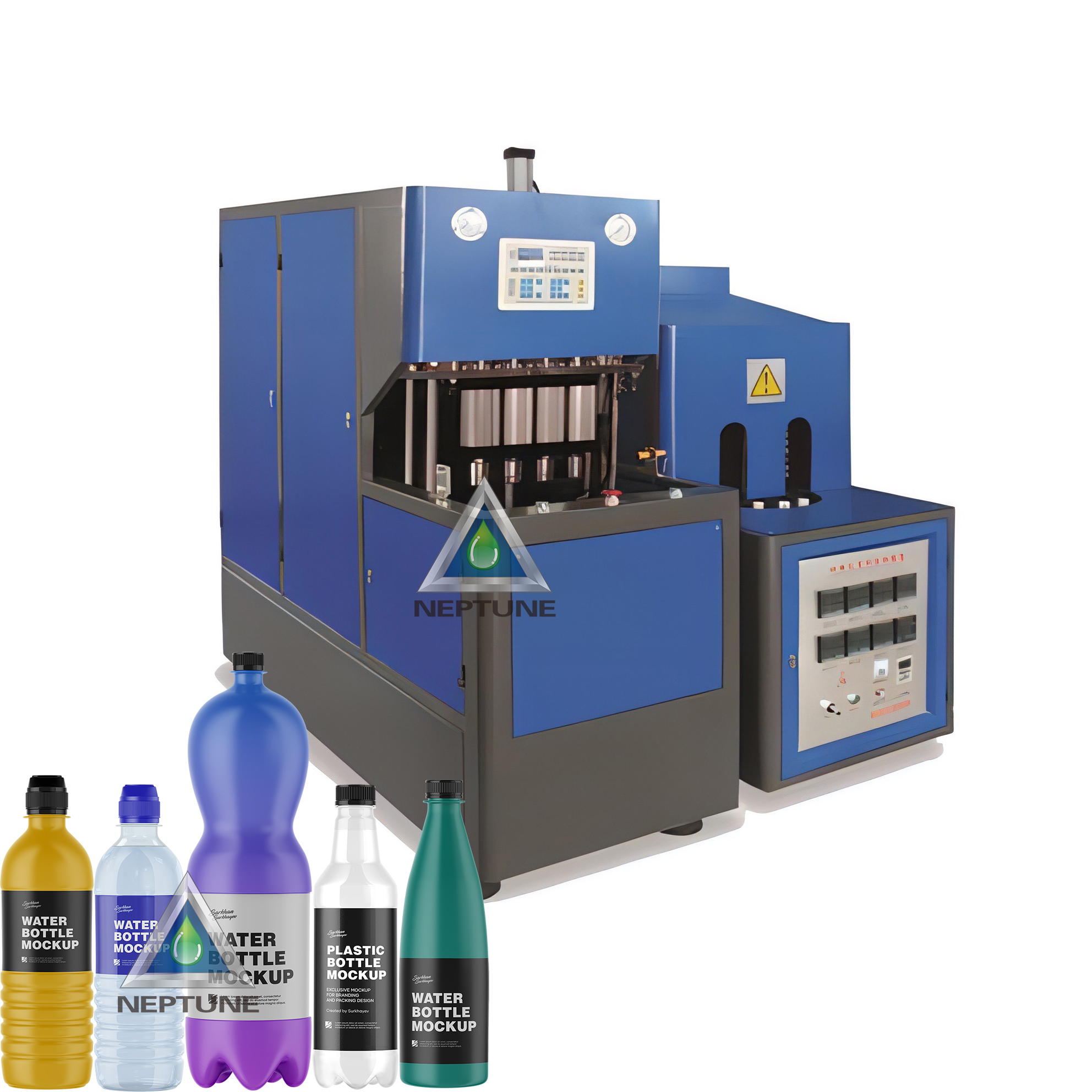
Professional Sourcing Guide: Water Bottle Blow Molding Machine
2026 Global Market Trends for Water Bottle Blow Molding Machines: High Speed Production, Energy Saving Technologies, and Automation Level
High Speed Production: Driving Efficiency and Output
The global market for water bottle blow molding machines in 2026 is increasingly defined by the demand for high-speed production capabilities. With rising consumer demand for bottled water and beverages, manufacturers are prioritizing machines that can deliver higher outputs without compromising quality. Modern blow molding machines are achieving production rates exceeding 20,000 bottles per hour for standard 500ml containers, with some advanced systems reaching up to 40,000–50,000 bottles per hour in fully integrated lines.
Key drivers behind this trend include the need for economies of scale, reduced unit production costs, and faster time-to-market. High-speed machines are now equipped with multi-cavity molds, rapid cycle times, and optimized preform handling systems. Additionally, manufacturers in regions such as Asia-Pacific and North America are investing heavily in high-output machines to meet both domestic demand and export requirements. By 2026, high-speed models are expected to dominate new installations, particularly in large-scale bottling plants serving multinational beverage brands.
Energy Saving Technologies: Rise of Servo Motor Integration
Energy efficiency has become a critical differentiator in the water bottle blow molding machine market, with servo motor technology emerging as a cornerstone of sustainable manufacturing. Traditional hydraulic systems, while robust, are being rapidly replaced by all-electric and hybrid servo-driven machines due to their superior energy efficiency, precision, and lower maintenance needs.
Servo motors enable precise control of clamping, stretch rod movement, and mold positioning, reducing energy consumption by up to 30–50% compared to conventional machines. This aligns with global sustainability goals and tightening environmental regulations, especially in the European Union and North America. Furthermore, servo technology reduces heat generation and noise levels, contributing to safer and more comfortable working environments.
By 2026, the adoption of servo-based systems is projected to surpass 60% of new machine installations globally. Leading manufacturers such as Sidel, Krones, and Bekum have already rolled out next-generation servo-electric models that combine energy savings with enhanced process repeatability. The cost premium of servo machines is increasingly offset by long-term energy savings and reduced downtime, making them a preferred choice across both emerging and developed markets.
Automation Level: Advancing Toward Smart Manufacturing
The level of automation in water bottle blow molding machines is undergoing a transformative shift as the industry moves toward Industry 4.0 and smart manufacturing paradigms. In 2026, fully automated blow molding lines are becoming the standard, integrating robotics, real-time monitoring, predictive maintenance, and data analytics.
Modern systems feature automated preform feeding, in-line leak testing, weight inspection, and quality control via machine vision systems. Integration with SCADA (Supervisory Control and Data Acquisition) and MES (Manufacturing Execution Systems) allows for remote monitoring, process optimization, and seamless production tracking. This enhances traceability, reduces human error, and supports compliance with food safety standards such as HACCP and ISO 22000.
Artificial intelligence and IoT-enabled sensors are increasingly deployed to predict equipment failures and optimize energy use dynamically. Fully automated lines reduce labor dependency and enable 24/7 operation with minimal intervention. Particularly in high-cost labor regions like Europe and Japan, automation is not just a competitive advantage but a necessity.
By 2026, over 70% of new blow molding machine installations are expected to include high-level automation features, with modular designs allowing scalability and integration into smart factory ecosystems. This trend is further accelerated by the growing demand for flexible production systems capable of handling multiple bottle formats and sizes with minimal changeover time.
In conclusion, the 2026 global market for water bottle blow molding machines is being reshaped by three core technological trends: high-speed production to meet volume demands, energy-saving servo motor technologies for sustainability, and advanced automation for operational excellence. Companies that embrace these innovations will lead the market, driven by efficiency, cost reduction, and environmental responsibility.
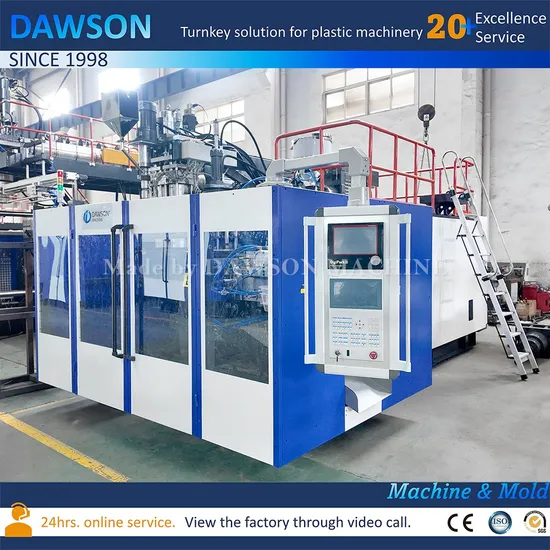
Quality Verification Checklist for Water Bottle Blow Molding Machine Manufacturers
When evaluating a water bottle blow molding machine manufacturer, verifying quality is critical to ensure reliability, efficiency, and long-term performance. Focus on the following key check points:
Material del molde (aluminio frente a acero)
- Verificar las especificaciones del material: Confirm whether molds are constructed from aluminum or steel. Request material certification (e.g., SAE or JIS standards) and hardness test reports.
- Evaluar la idoneidad de la aplicación:
- Aluminum molds are lighter and offer faster cooling but are less durable—suitable for low to medium production volumes.
- Steel molds (especially pre-hardened or stainless steel) provide longer lifespan and better wear resistance—ideal for high-volume production.
- Inspect Surface Finish and Tolerances: Examine mold surface quality for smoothness and dimensional accuracy to ensure consistent bottle clarity and uniform wall thickness.
- Request Mold Design Documentation: Review CAD drawings and cooling channel layouts to assess engineering quality.
Marca de PLC (Siemens frente a Mitsubishi)
- Confirme el modelo y el origen del PLC: Ask for the exact PLC model (e.g., Siemens S7-1200, Mitsubishi FX5 or iQ-F) and verify it matches the manufacturer’s standard offerings.
- Evaluate Control System Integration: Ensure the PLC is seamlessly integrated with HMI (Human-Machine Interface), sensors, and servomotors for reliable process control.
- Check for Genuine Components: Request proof of authenticity (e.g., serial numbers, warranty cards) to avoid counterfeit or inferior PLCs.
- Review Programming Interface: Assess ease of use, diagnostics, and data logging capabilities. Siemens and Mitsubishi both offer robust platforms, but ensure the supplier provides adequate training and support.
Eficacia de la duración del ciclo
- Solicitud de datos de producción verificados: Obtain documented cycle time performance under real-world conditions, ideally with bottle size and output rate (e.g., 12,000 bottles/hour for 500ml bottles).
- Observe la máquina durante el funcionamiento: If possible, conduct an on-site trial run to measure actual cycle time and assess stability over extended periods.
- Evaluate Energy Recovery Systems: Check for efficient pre-blow and high-pressure air systems, as well as servo-driven functions that reduce cycle time.
- Compare Industry Benchmarks: Ensure cycle time is competitive for the machine class and bottle type—typically 6–12 seconds per cycle for standard PET bottles.
Disponibilidad de piezas de recambio
- Request Spare Parts List and Pricing: Obtain a comprehensive list of critical spare parts (e.g., stretch rods, HV valves, molds, seals) with lead times and costs.
- Verify Local or Regional Support: Confirm the manufacturer or their distributor maintains a local inventory of common wear parts to minimize downtime.
- Evaluar la red de servicios posventa: Evaluate response time, technical support availability (24/7?), and presence of service engineers in your region.
- Check Part Standardization: Prefer machines that use widely available components to simplify future sourcing and reduce dependency on a single supplier.
By rigorously assessing these four critical areas—Mold Material, PLC Brand, Cycle Time Efficiency, and Spare Parts Availability—you can effectively verify the quality and reliability of a water bottle blow molding machine manufacturer.
Configuration Guide for Water Bottle Blow Molding Machine
Selección del número de cavidades
The cavity number defines how many bottles are produced per cycle and directly impacts output capacity. Select the cavity count based on your production requirements:
- Single-Cavity (1-cavity): Ideal for low-volume production, prototyping, or specialty bottles. Offers simplicity in maintenance and changeover.
- 2–4 Cavities: Suitable for medium-scale operations, providing a balance between output and machine footprint.
- 6–12 Cavities and Above: Recommended for high-volume production lines (e.g., large beverage facilities). Higher cavities improve efficiency but require more floor space and auxiliary support.
Consider mold cost, cycle time, and line integration when determining the optimal cavity count.
Volumen de la botella
Ensure the machine is configured to handle your target bottle sizes:
– Standard water bottle volumes typically range from 300 mL to 20 L.
– Verify the machine’s stretch rod travel, mold base size, and air delivery system support your desired volume range.
– Machines are often optimized for specific ranges (e.g., 500 mL–1.5 L or 5 L–20 L). Confirm compatibility with both minimum and maximum bottle sizes during configuration.
Compatibilidad de preformas
The blow molding machine must match the preform specifications:
- Confirmar acabado preformado del cuello (e.g., PCO 1881, 28 mm, 38 mm) is supported by the machine’s blow head and mold design.
– Ensure preform length and weight are within the machine’s heating and handling limits.
– Verify preform material (typically PET) compatibility and confirm the oven system can uniformly heat the preform wall thickness.
Use preforms from qualified suppliers to maintain consistent quality and avoid production issues.
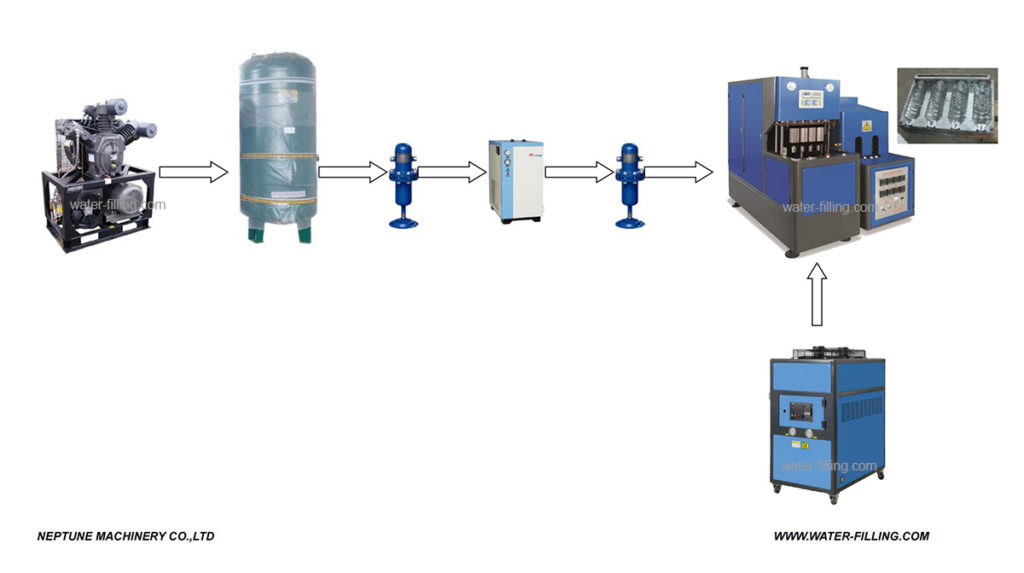
Equipo auxiliar (compresor/refrigerador)
Proper auxiliary systems are critical for stable operation and bottle quality:
Compresor de aire:
– Required to supply high-pressure air (typically 25-40 bar) for the blowing process.
– Size the compressor based on cavity count and cycle time to meet peak air demand.
– Include air dryers and filters to deliver clean, dry air and prevent contamination.
Unidad enfriadora:
– Essential for cooling molds to solidify bottles quickly and maintain dimensional accuracy.
– Cooling capacity should match the heat load generated by the production rate (e.g., 1–5 kW per cavity, depending on output).
– Use a chiller with precise temperature control (±1°C) to ensure consistent cycle times and bottle quality.
Integrate both systems with the blow molder’s control panel for synchronized operation and monitoring.
In conclusion, sourcing a water bottle blow molding machine from China offers a compelling combination of cost efficiency, advanced technology, and manufacturing expertise. However, to ensure long-term operational success, it is essential to prioritize key factors such as the Factory Acceptance Test (FAT) and comprehensive spare parts support. Conducting a thorough FAT enables buyers to verify machine performance, quality, and compliance with specifications before shipment, minimizing risks and ensuring reliability upon installation. Equally important is securing reliable access to spare parts—partnering with a supplier that offers prompt delivery, genuine components, and ongoing technical support significantly reduces downtime and maintenance costs over the machine’s lifecycle. By emphasizing these critical elements, buyers can confidently invest in a high-performance blow molding solution from China, backed by quality assurance and sustained operational readiness.






