
As global demand for sustainable, high-speed bottling solutions continues to rise, automation and precision have become critical in the plastic packaging industry. With increasing pressure to optimize production efficiency and reduce operational costs, businesses are turning to advanced bottle blow molding technologies to stay competitive. This 2026 audit list highlights the top 10 manufacturers delivering innovative, reliable, and scalable blow molding machines tailored to meet evolving market needs—from beverage and pharmaceuticals to household and personal care sectors.
Los 10 principales fabricantes de máquinas de moldeo por soplado de botellas (Lista de auditoría 2026)
(Clasificación por capacidad de producción y puntuación de confianza)
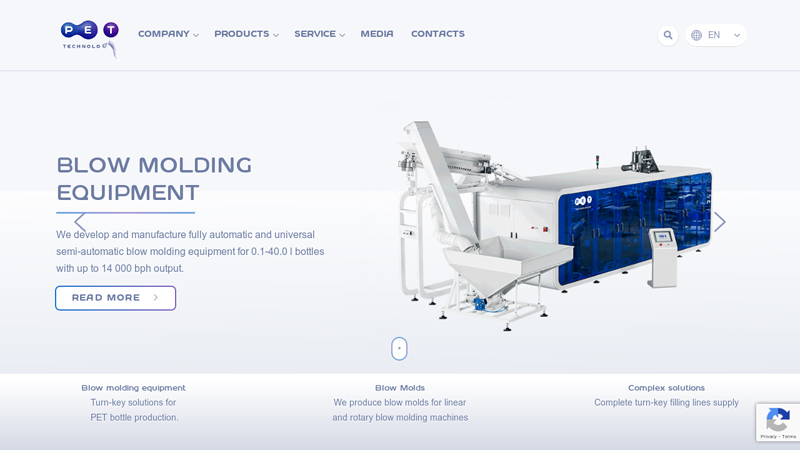
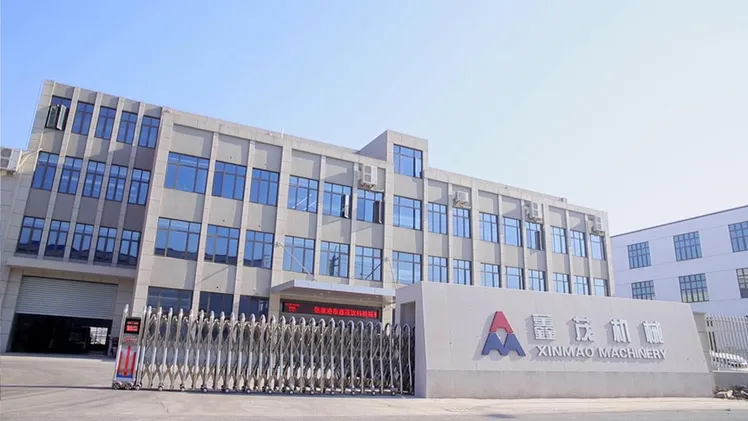
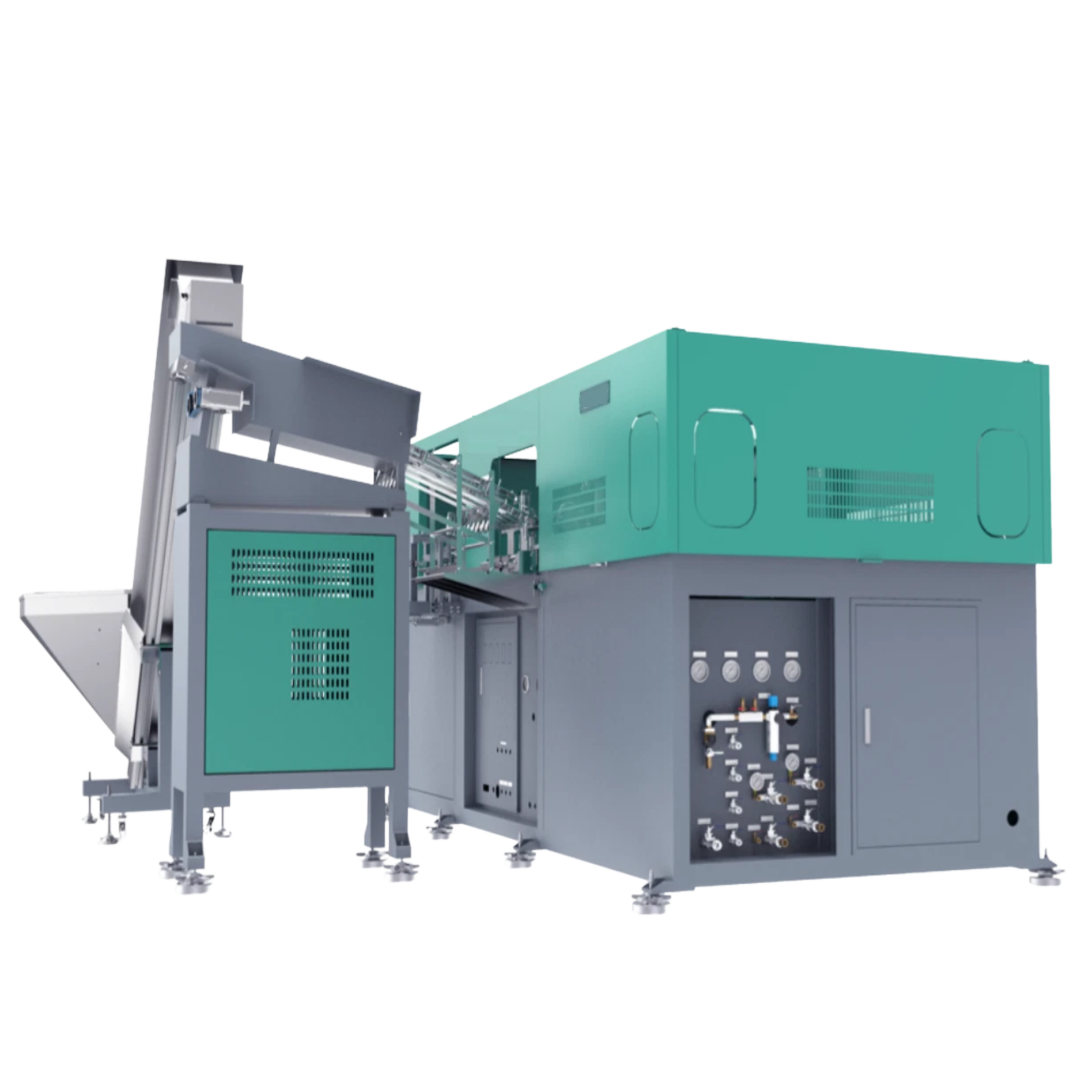
Professional Sourcing Guide: Bottle Blow Molding Machine
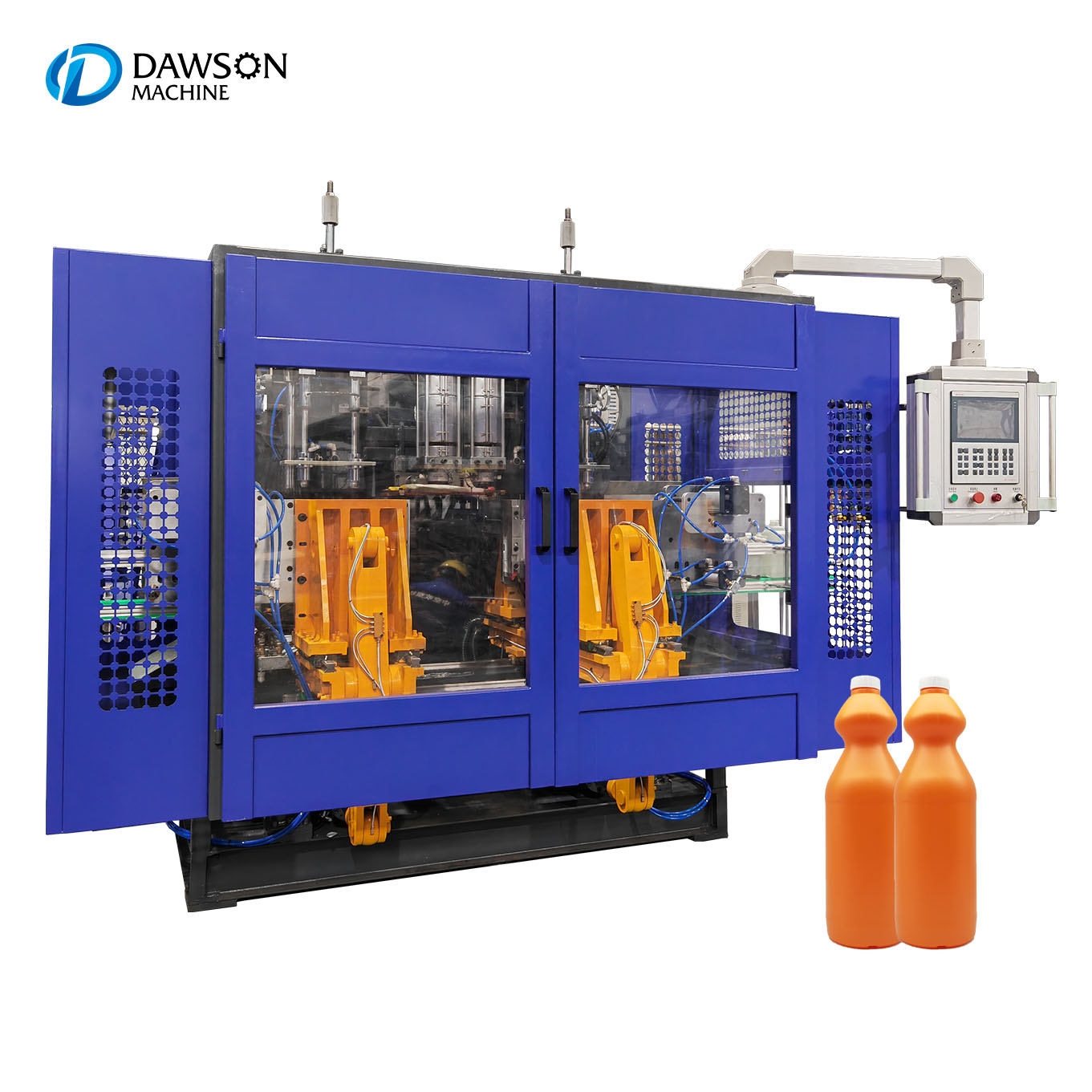
2026 Global Market Trends for Bottle Blow Molding Machines: Focus on High-Speed Production, Energy-Saving Technologies, and Automation
Producción a alta velocidad: Eficiencia y rendimiento
The global bottle blow molding machine market in 2026 is increasingly defined by the demand for high-speed production capabilities. As consumer goods, beverage, and pharmaceutical industries continue to scale operations, manufacturers are prioritizing machines capable of producing 30,000 to 70,000 bottles per hour—especially in configurations for PET containers.
Entre los principales avances cabe citar:
- Advanced Rotary Systems: High-speed rotary blow molding machines dominate new installations, offering continuous operation and reduced cycle times. By 2026, these systems are expected to account for over 65% of new high-capacity installations in North America and Asia.
- Integration with Preform Handling: Seamless integration between preform feeders, oven systems, and blowing stations reduces bottlenecks and ensures consistent output. Machines now feature optimized heating zones and faster mold opening/closing mechanisms.
- Customization for Output Flexibility: Modular designs allow manufacturers to scale production lines quickly, adapting to seasonal demand or new product launches without replacing entire systems.
High-speed machines are particularly in demand in emerging markets such as India, Southeast Asia, and parts of Africa, where rapid urbanization and rising disposable incomes are fueling bottled beverage consumption.
Energy-Saving Technologies: The Rise of Servo Motor Systems
Energy efficiency has become a critical competitive differentiator in the blow molding machine market, with the adoption of servo motor technology accelerating across all segments. By 2026, over 80% of newly installed machines are projected to feature full servo-electric or hybrid servo-hydraulic systems.
Advancements and market drivers include:
- Servo-Driven Actuators: Replacing traditional hydraulic systems, servo motors offer precise control of parison programming, mold movement, and air pressure, reducing energy consumption by up to 40%.
- Lower Heat Generation and Maintenance Costs: Servo systems generate less heat, reducing cooling requirements and extending component life. This leads to lower operational downtime and total cost of ownership.
- Compliance with Environmental Regulations: Stricter energy efficiency standards in the EU (Energy-related Products Directive) and North America are pushing manufacturers to adopt green technologies. Machines with Energy Star or equivalent ratings are gaining preference in procurement decisions.
Original equipment manufacturers (OEMs) like Krones, Sidel, and BE吹塑 are investing heavily in R&D to further optimize servo motor integration, focusing on lightweight materials, intelligent energy recovery, and adaptive process control.
Automation Level: Towards Smart and Autonomous Production
Automation in bottle blow molding machines is advancing rapidly, with 2026 marking a transition toward fully integrated, Industry 4.0-ready systems. The integration of IoT, AI-driven process monitoring, and robotic handling is transforming traditional production floors into smart factories.
Entre las principales tendencias de automatización figuran:
- End-to-End Line Integration: Modern blow molding systems are increasingly supplied as part of complete turnkey lines, incorporating preform loaders, leak detectors, vision inspection systems, and robotic palletizers. This reduces manual intervention and improves line efficiency.
- Predictive Maintenance and Remote Monitoring: Embedded sensors and cloud-based analytics platforms enable real-time monitoring of machine performance, detecting anomalies before failures occur. OEMs now offer subscription-based digital services that provide uptime optimization and performance benchmarking.
- AI-Powered Process Optimization: Artificial intelligence algorithms analyze production data to automatically adjust parameters such as pre-blow timing, mold temperature, and air pressure, ensuring consistent bottle quality while minimizing material waste.
- Collaborative Robotics (Cobots): Lightweight robots are being deployed for inspection, sorting, and packaging, working safely alongside human operators. Their adoption is growing in SMEs due to declining costs and ease of programming.
By 2026, it is estimated that over 50% of new blow molding machines sold will be part of an automated smart manufacturing ecosystem, particularly in automotive, pharmaceutical, and premium beverage packaging sectors.
Conclusión
The 2026 global market for bottle blow molding machines is shaped by three dominant trends: the relentless push for high-speed production, widespread adoption of energy-saving servo motor technologies, and the deepening integration of automation and digital intelligence. These advancements are not only enhancing productivity and sustainability but are also redefining competitiveness in the packaging industry. Manufacturers that embrace these innovations will be best positioned to meet evolving market demands and regulatory landscapes.
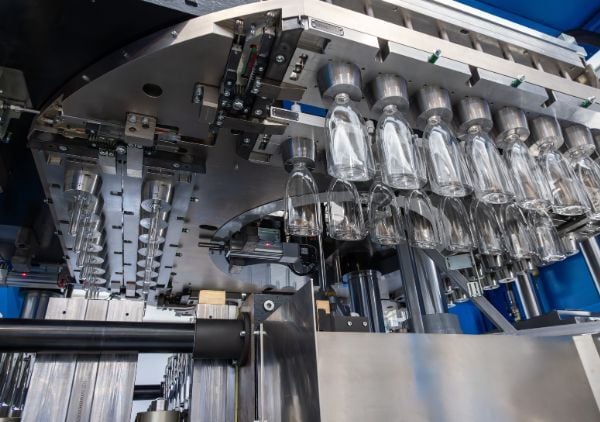
Key Quality Verification Points for Bottle Blow Molding Machine Manufacturers
When evaluating a bottle blow molding machine manufacturer, assessing the following critical factors ensures reliability, performance, and long-term operational efficiency:
Material del molde (aluminio frente a acero)
Verify the type of material used in the mold construction, as it directly impacts durability, cycle time, and part quality:
- Moldes de acero: Preferred for high-volume production due to superior durability, resistance to wear, and longer lifespan. Ideal for large production runs and demanding applications.
- Moldes de aluminio: Lighter and offer faster heat transfer, reducing cycle times. Suitable for prototypes or low-to-medium volume production but may wear faster under continuous use.
- Consulte: Confirm with the manufacturer whether molds are made from hardened steel (e.g., P20, H13) or aluminum alloys, and ensure the choice aligns with your production needs.
Marca de PLC (Siemens frente a Mitsubishi)
The Programmable Logic Controller (PLC) is central to machine automation and reliability:
- PLC Siemens: Known for robust performance, excellent diagnostics, and global support. Widely used in industrial automation for stability and scalability.
- PLC Mitsubishi: Also highly reliable, with strong integration in Asian manufacturing ecosystems and responsive control systems.
- Consulte: Request the specific PLC model and ensure it’s a genuine unit from the original brand (not a clone). Verify software interface usability, remote monitoring capability, and availability of technical support.
Eficacia de la duración del ciclo
Cycle time directly affects production output and cost-efficiency:
- Medición: Evaluate the machine’s stated cycle time (in seconds per bottle) under standard operating conditions.
- Verificación: Request live demonstrations or video evidence of the machine running at claimed speeds with your bottle specifications.
- Coherencia: Assess if the machine maintains stable cycle times over prolonged operation without quality degradation.
- Compare: Benchmark against industry standards for similar bottle sizes and output requirements.
Disponibilidad de piezas de recambio
Timely access to spare parts minimizes downtime and ensures smooth operations:
- Inventario local: Confirm if the manufacturer or their authorized distributors maintain a local stock of critical spare parts (e.g., seals, valves, heaters, stretch rods).
- Plazos de entrega: Inquire about average delivery times for common and critical components.
- Documentation: Ensure the machine comes with a detailed spare parts list, exploded diagrams, and recommended replacement intervals.
- Support Network: Evaluate the manufacturer’s global or regional service network and technical support responsiveness.
By thoroughly verifying these four key areas—mold material, PLC brand, cycle time efficiency, and spare parts availability—you can confidently assess the quality and reliability of a bottle blow molding machine manufacturer.
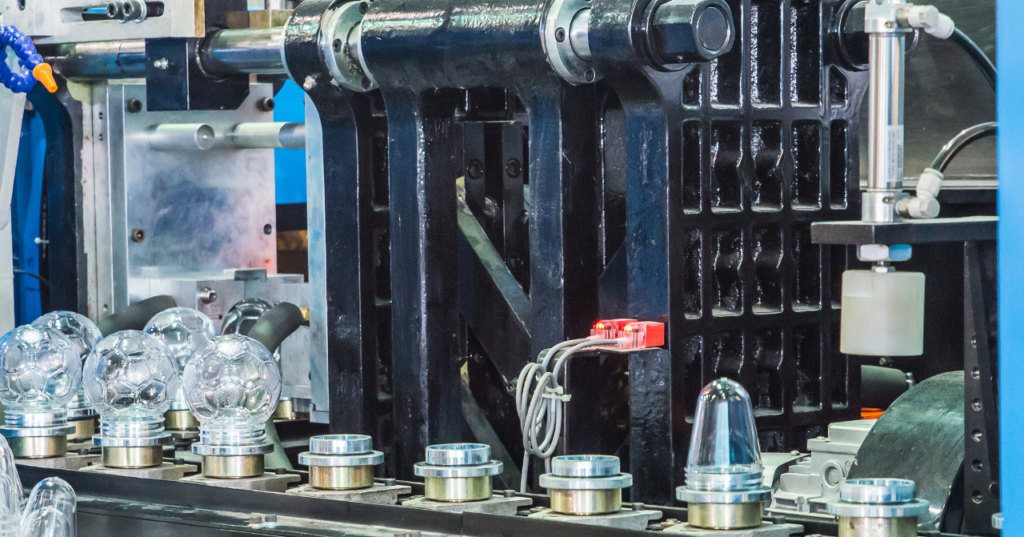
Configuration Guide for Bottle Blow Molding Machine
Selección del número de cavidades
The cavity number refers to the number of bottles produced per cycle in a blow molding machine. Selecting the appropriate cavity number is critical for matching production capacity with demand.
- Cavidad única (1 cavidad): Suitable for low-volume production, prototyping, or large containers (e.g., 10–20L jugs). Offers flexibility and lower initial investment.
- 2–4 Cavities: Ideal for medium production volumes (e.g., 1,000–5,000 bottles/hour). Balances cost and output efficiency.
- 6–12 Cavities: Recommended for high-volume production (e.g., 10,000–30,000 bottles/hour). Maximizes output but requires higher maintenance and energy input.
- 16+ Caries: Used in large-scale manufacturing (e.g., water, carbonated soft drinks). Requires precise synchronization and robust auxiliary systems.
Consideraciones:
– Production throughput requirements
– Floor space and machine footprint
– Budget for machine and maintenance
– Bottle size and cycle time
Volumen de la botella
Each blow molding machine is designed to handle a specific range of bottle volumes. Select a machine that covers your intended product range.
- Small Volume (50–500 mL): Common in water, juice, and pharmaceutical bottles. Requires high-speed machines with precise control.
- Medium Volume (500–2,000 mL): Includes beverage bottles (e.g., soda, sports drinks). Most machines are optimized for this range.
- Large Volume (2–20 L): Used for jugs, containers, and industrial packaging. Requires larger molds and higher blowing pressure.
Key Notes:
– Ensure the machine’s stretch rod and mold clamping unit can accommodate the desired bottle height and diameter.
– Machines often offer interchangeable mold bases to support multiple volume ranges.
Compatibilidad de preformas
The machine must be compatible with the preform size, material, and design used in production.
- Dimensiones de la preforma: Match the preform outer diameter (OD), length, and neck finish (e.g., 28mm, 38mm PCO) with the machine’s feed system and mold design.
- Tipo de material: Most machines support PET preforms. Verify compatibility with recycled PET (rPET), barrier resins, or specialty materials.
- Compatibilidad con sistemas de calefacción: The oven (infrared or conductive) must uniformly heat the specific preform wall thickness and length.
- Preform Handling: Check if the machine supports your preform loading method—manual, robotic arm, or conveyor-fed.
Buenas prácticas:
– Conduct a preform trial run to ensure proper feeding, heating, and blowing performance.
Equipo auxiliar (compresor/refrigerador)
Auxiliary systems are essential for stable and efficient operation of the blow molding machine.
Compresor de aire
- Propósito: Suministra aire a alta presión (normalmente 25-40 bares) para el soplado de botellas.
- Requisitos:
- Capacity: Match CFM (cubic feet per minute) to machine demand—typically 1–5 m³/min depending on cavity count and cycle speed.
- Air Quality: Use oil-free compressors with dryers and filters to prevent contamination.
- Pressure Stability: Install air receivers to maintain consistent pressure.
Enfriador
- Propósito: Cools molds to ensure rapid and uniform bottle cooling, improving cycle time and quality.
- Requisitos:
- Cooling Capacity: Typically 3–20 kW, depending on machine size and output.
- Temperature Control: Maintain mold temperature between 8–15°C for optimal PET crystallization.
- Flow Rate: Ensure sufficient coolant flow (liters per minute) to all mold cavities.
Consejos de integración:
– Use centralized systems for multiple machines to reduce energy costs.
– Include temperature and pressure monitoring systems for real-time control.
– Regular maintenance of filters, coolant, and compressor oil is critical for longevity.
Selecting the right configuration ensures optimal efficiency, product quality, and return on investment. Always consult with machine manufacturers for application-specific recommendations.
In conclusion, sourcing a bottle blow molding machine from China offers a compelling combination of cost efficiency, advanced technology, and reliable manufacturing capabilities. However, to ensure long-term operational success and minimize downtime, it is critical to prioritize two key factors: a comprehensive Factory Acceptance Test (FAT) and robust spare parts support. Conducting a thorough FAT—either in person or via remote verification—ensures that the machine meets all technical specifications, safety standards, and performance requirements before shipment, providing confidence in the equipment’s quality and functionality. Equally important is securing a clear agreement on spare parts availability, including fast delivery times, competitive pricing, and long-term supply assurance. A responsive spare parts network significantly enhances machine uptime and reduces maintenance disruptions, especially for key consumable and wear components. By emphasizing these elements during the procurement process, buyers can mitigate risks, optimize productivity, and establish a sustainable, long-term partnership with their Chinese supplier.






