
As global demand for PET beverage and packaging solutions continues to rise, manufacturers are prioritizing high-efficiency blow molding machines capable of delivering precision, speed, and sustainable output. With increasing pressure to reduce operational costs and meet tight production timelines, the shift toward automated, energy-efficient bottling systems has become a strategic imperative. This 2026 audit highlights the top 10 PET bottle blow molding machine manufacturers leading innovation in automation, throughput, and reliability—empowering bottling plants and contract packagers to stay competitive in an evolving market landscape.
Los 10 principales fabricantes de máquinas de moldeo por soplado de botellas de PET (Lista de auditoría 2026)
(Clasificación por capacidad de producción y puntuación de confianza)
Professional Sourcing Guide: Pet Bottle Blow Molding Machine
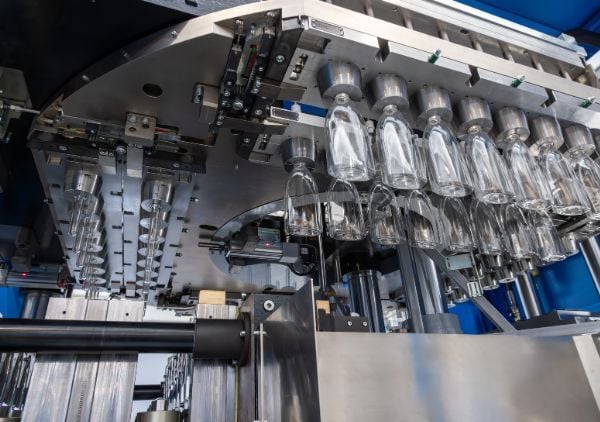
2026 Global Market Trends for Pet Bottle Blow Molding Machines: Focus on High-Speed Production, Energy Saving (Servo Motors), and Automation
High-Speed Production Demand Driving Market Innovation
The global PET bottle blow molding machine market is projected to witness robust growth by 2026, with high-speed production emerging as a primary driver. Increasing demand from the beverage, food, pharmaceutical, and personal care industries—particularly in developing economies—is pushing manufacturers to adopt machines capable of producing over 50,000 bottles per hour. Key players like Krones, Sidel, and Bekum are investing heavily in hyper-speed rotary stretch blow molding systems that integrate advanced preform handling, faster mold closing mechanisms, and optimized heating systems.
By 2026, the market is expected to see a shift toward modular high-output platforms that offer scalability and quick changeovers. This trend is particularly pronounced in regions like Asia-Pacific and Latin America, where rising consumerism and urbanization are accelerating packaging consumption. The integration of real-time monitoring and predictive maintenance systems further enhances machine uptime and output efficiency, solidifying high-speed capabilities as a competitive differentiator.
Energy Saving Technologies: Servo Motors at the Core of Efficiency
Energy efficiency has become a critical factor in machine selection, with servo motor technology leading the charge in reducing operational costs and environmental impact. By 2026, nearly 85% of new PET blow molding machines are expected to be fully servo-driven, replacing traditional hydraulic systems. Servo motors offer precise control over clamping, stretching, and blowing processes, resulting in energy savings of up to 40–50% compared to hydraulic counterparts.
Manufacturers are increasingly adopting hybrid and all-electric models that leverage regenerative braking and intelligent power management. These technologies not only lower electricity consumption but also reduce heat generation and noise pollution, contributing to improved working environments. Regulatory pressures and corporate sustainability goals—especially under global initiatives like the EU Green Deal—are further accelerating the adoption of energy-efficient machines. As energy costs continue to rise, the total cost of ownership (TCO) advantage of servo-driven systems will make them the preferred choice across all market segments.
Rising Automation Levels for Smart Manufacturing Integration
Automation is transforming the PET blow molding landscape, with 2026 set to mark a significant leap toward fully integrated smart factories. Modern blow molding lines are increasingly equipped with robotic systems for preform loading, bottle handling, quality inspection, and packaging. Machine vision systems, combined with artificial intelligence (AI), enable real-time defect detection and process optimization, minimizing waste and ensuring consistent product quality.
By 2026, Industry 4.0 integration will be standard in mid- to high-end blow molding machines. Features such as cloud-based monitoring, remote diagnostics, and digital twins allow manufacturers to achieve predictive maintenance, reduce downtime, and optimize production schedules. Collaborative robots (cobots) and automated guided vehicles (AGVs) are being deployed to enhance workflow efficiency, especially in large-scale beverage bottling plants.
Moreover, user-friendly human-machine interfaces (HMIs) and centralized control systems enable operators to manage multiple machines with minimal intervention. This trend is particularly strong in North America and Western Europe, where labor costs are high and the push for digital transformation is strongest. As a result, automation is no longer a luxury but a necessity for competitiveness in the global market.
In conclusion, the 2026 PET bottle blow molding machine market will be defined by the convergence of high-speed output, energy-efficient servo technologies, and advanced automation. Companies that embrace these trends will gain a strategic advantage in terms of productivity, sustainability, and operational resilience.
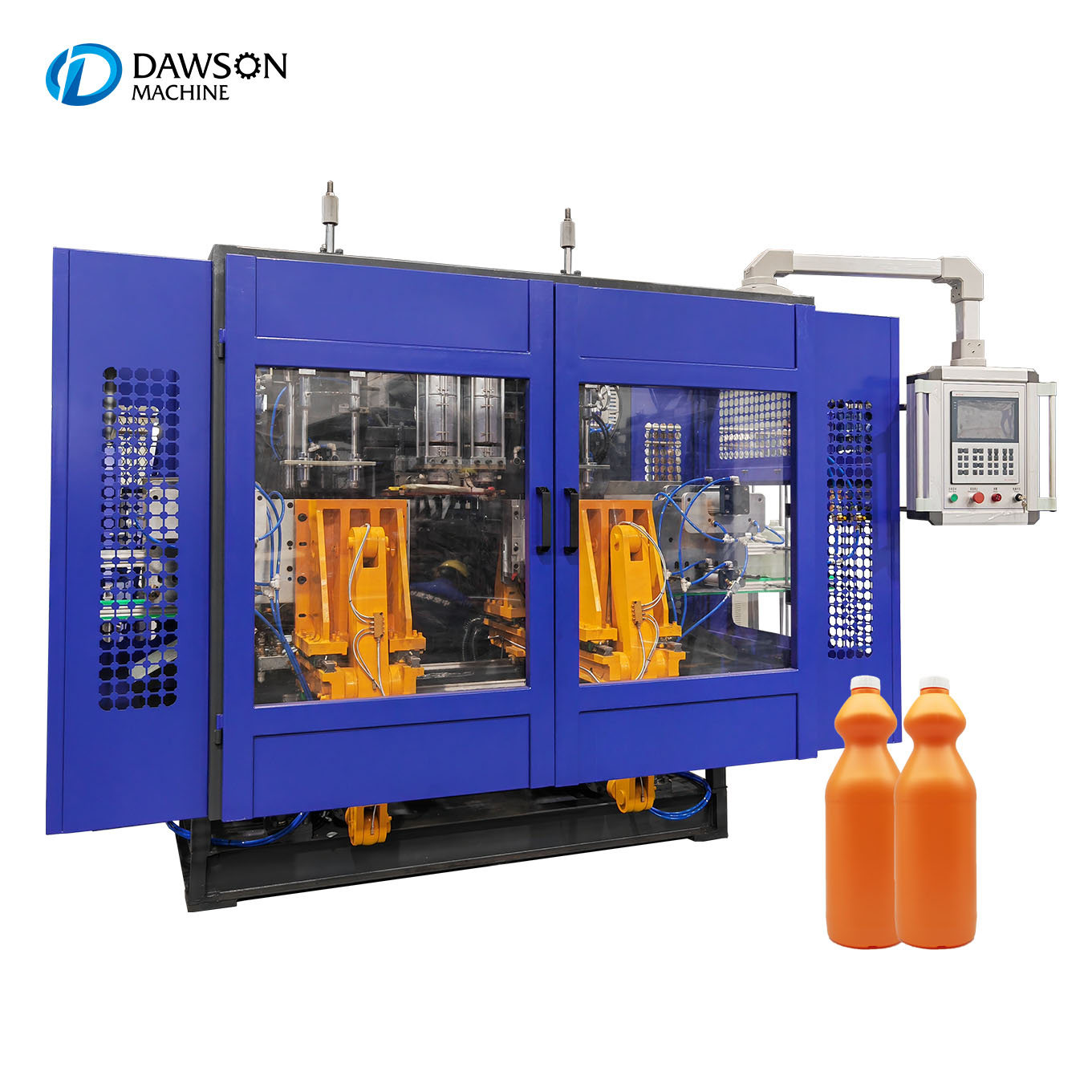
Key Quality Verification Points for Pet Bottle Blow Molding Machine Manufacturers
When evaluating a PET bottle blow molding machine manufacturer, verifying quality is essential to ensure reliability, efficiency, and long-term performance. Focus on the following critical check points:
Material del molde (aluminio frente a acero)
- Moldes de acero: Los fabricantes de alta calidad suelen utilizar hardened steel (e.g., P20, H13, or 420 stainless) for molds, especially for high-volume production. Steel offers superior durability, wear resistance, and longer mold life—ideal for consistent output over millions of cycles.
- Moldes de aluminio: May be used for prototypes or low-volume runs due to faster cooling and lower cost, but they wear out faster and are less suitable for industrial-scale operations.
- Consejo de verificación: Request material certifications (e.g., mill test reports) and inspect mold surface finish and hardness (HRC rating). Ensure the manufacturer specifies mold material based on application and expected cycle life.
Marca de PLC (Siemens frente a Mitsubishi)
- Reputable Brands: Leading manufacturers use industrial-grade PLCs from trusted brands like Siemens o Mitsubishi, known for stability, precision, and ease of integration.
- Performance & Support: These brands offer better diagnostics, remote monitoring, and technical support, reducing downtime and ensuring consistent machine performance.
- Consejo de verificación: Check the machine control panel for original PLC branding and firmware versions. Ask for software interface demos and confirm whether the PLC supports data logging, recipe storage, and remote troubleshooting.
Eficacia de la duración del ciclo
- Criterios estándar: For a standard 500ml PET bottle, high-efficiency machines should achieve 1.5 to 2.5 seconds per cycle, depending on configuration (e.g., 6–12 cavities).
- Factores que afectan a la eficiencia: Evaluate preform heating uniformity, stretch rod speed, high-pressure blow timing, and cooling systems. Faster, consistent cycle times indicate advanced engineering and energy efficiency.
- Consejo de verificación: Request live machine demonstrations or video proof of production runs. Ask for documented cycle time data under real operating conditions and compare with industry standards.
Disponibilidad de piezas de recambio
- Critical for Uptime: A reliable manufacturer should offer readily available spare parts—especially common wear items like sealing rings, stretch rods, high-pressure valves, and oven quartz lamps.
- Apoyo mundial: Check if the manufacturer has local distributors, warehouses, or partnerships to ensure fast delivery. Long lead times for parts can halt production.
- Consejo de verificación: Inquire about spare parts kits, lead times, and minimum stock levels. Review the provided spare parts list and request references from existing customers regarding parts support experience.
By thoroughly assessing these four key areas—Material del molde, Marca PLC, Eficacia de la duración del ciclo, y Disponibilidad de piezas de recambio—you can effectively verify the quality and reliability of a PET bottle blow molding machine manufacturer before making a purchase decision.
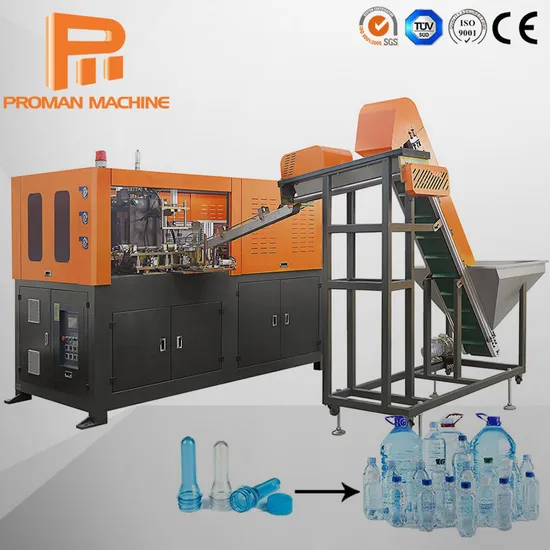
Configuration Guide for Pet Bottle Blow Molding Machine
Selecting the right configuration for a PET bottle blow molding machine is crucial for achieving optimal production efficiency, product quality, and cost-effectiveness. This guide outlines key configuration aspects including cavity number, bottle volume range, preform compatibility, and auxiliary equipment requirements.
Selección del número de cavidades
The cavity number refers to the number of bottles the machine can produce per cycle and significantly impacts production capacity and investment cost.
- Low-Volume Production (1–4 Cavities): Ideal for small-scale operations, pilot runs, or specialty bottles. Offers lower initial investment and greater flexibility for frequent mold changes.
- Medium-Volume Production (6–12 Cavities): Suitable for growing businesses or medium-sized bottling lines. Balances output and cost-effectiveness for standard container formats.
- High-Volume Production (16–36+ Cavities): Designed for large-scale manufacturing such as beverage, water, or CSD (carbonated soft drink) bottling. Maximizes output per cycle but requires higher investment and stable demand.
- Consideraciones clave:
- Match cavity count with downstream packaging line speed.
- Evaluate mold cost and changeover time.
- Consider future scalability and production growth.
Volumen de la botella
The machine must accommodate the required bottle sizes based on application and market demand.
- Gama estándar: Most rotary or linear stretch blow molding machines support volumes from 100 ml to 5,000 ml.
- Common Applications:
- 100–500 ml: Personal care, small beverage bottles.
- 500–1,500 ml: Water, juice, and RTD (ready-to-drink) beverages.
- 2,000–5,000 ml: Large water containers, home appliances.
- Flexibilidad de la máquina: Ensure the machine’s mold base and stretch rod system support the full range of bottle heights and diameters. Some models use adjustable mold bases or modular systems to handle diverse volumes.
Compatibilidad de preformas
The machine must be compatible with the preform specifications used in production.
- Estandarización del acabado del cuello: Confirm compatibility with common neck finishes (e.g., PCO 1881, 38 mm, 28 mm, 18 mm) and ISO standards.
- Preform Size: Machines are typically designed for specific preform lengths and diameters. Verify that the machine’s preform loader and heating oven can accommodate your preform dimensions.
- Rango de peso de la preforma: Match the machine’s stretch rod and mold design to the preform weight (e.g., 10–60 grams). Under- or over-sized preforms can lead to poor blowing performance.
- Heating System: Ensure the infrared oven provides uniform heating across the preform wall thickness and length for consistent bottle quality.
Equipo auxiliar (compresor/refrigerador)
Effective operation of a PET blow molding machine depends on properly sized auxiliary systems.
Compresor de aire
- Propósito: Supplies high-pressure air (typically 25–40 bar) for the blowing process.
- Requisitos:
- Minimum pressure: 30 bar for most applications.
- Air quality: Oil-free, dry air (ISO 8573-1 Class 1 or 2) to prevent contamination.
- Flow rate: Depends on cavity count and cycle time. Example: A 12-cavity machine may require 2–3 m³/min.
- Recomendación: Use a dedicated oil-free screw compressor with air dryers and filtration.
Unidad enfriadora
- Propósito: Cools molds and, in some systems, preforms to ensure dimensional stability and cycle consistency.
- Requisitos:
- Cooling capacity: Typically 1–10 kW per cavity, depending on cycle speed and bottle size.
- Temperature control: Maintain mold temperature within ±1°C (usually 10–15°C).
- Flow rate: Ensure sufficient coolant flow (e.g., 20–50 liters per minute) to prevent hotspots.
- Recomendación: Use a centralized chiller system with precise temperature control and corrosion-resistant components.
Nota: Always coordinate auxiliary equipment specifications with the machine manufacturer to ensure compatibility and optimal performance.
In conclusion, sourcing a pet bottle blow molding machine from China offers a compelling combination of advanced technology, cost-efficiency, and access to a robust manufacturing ecosystem. However, ensuring long-term operational success hinges on key post-purchase factors—most notably, a comprehensive Factory Acceptance Test (FAT) and reliable spare parts support. Conducting a thorough FAT before shipment is essential to verify the machine’s performance, quality, and compliance with technical specifications under real operating conditions. This crucial step minimizes risks of installation delays and performance issues upon arrival. Equally important is partnering with suppliers who provide prompt and consistent spare parts support, minimizing downtime and ensuring sustained production efficiency. Choosing a reputable Chinese manufacturer with a proven track record in both FAT transparency and spare parts availability ultimately ensures a smooth integration into your production line and a strong return on investment.






