
As global demand for efficient, high-volume bottling solutions continues to rise, manufacturers are prioritizing automation, energy efficiency, and precision in their production lines. With sustainability and operational cost reduction at the forefront, the choice of bottle blowing molding machinery has become a critical factor in achieving competitive advantage. This 2026 audit list highlights the top 10 bottle blowing molding machine manufacturers delivering cutting-edge technology, reliability, and scalable automation to meet the evolving needs of the beverage, pharmaceutical, and consumer goods industries.
Los 10 principales fabricantes de máquinas de moldeo por soplado de botellas (Lista de auditoría 2026)
(Clasificación por capacidad de producción y puntuación de confianza)
Professional Sourcing Guide: Bottle Blowing Molding Machine
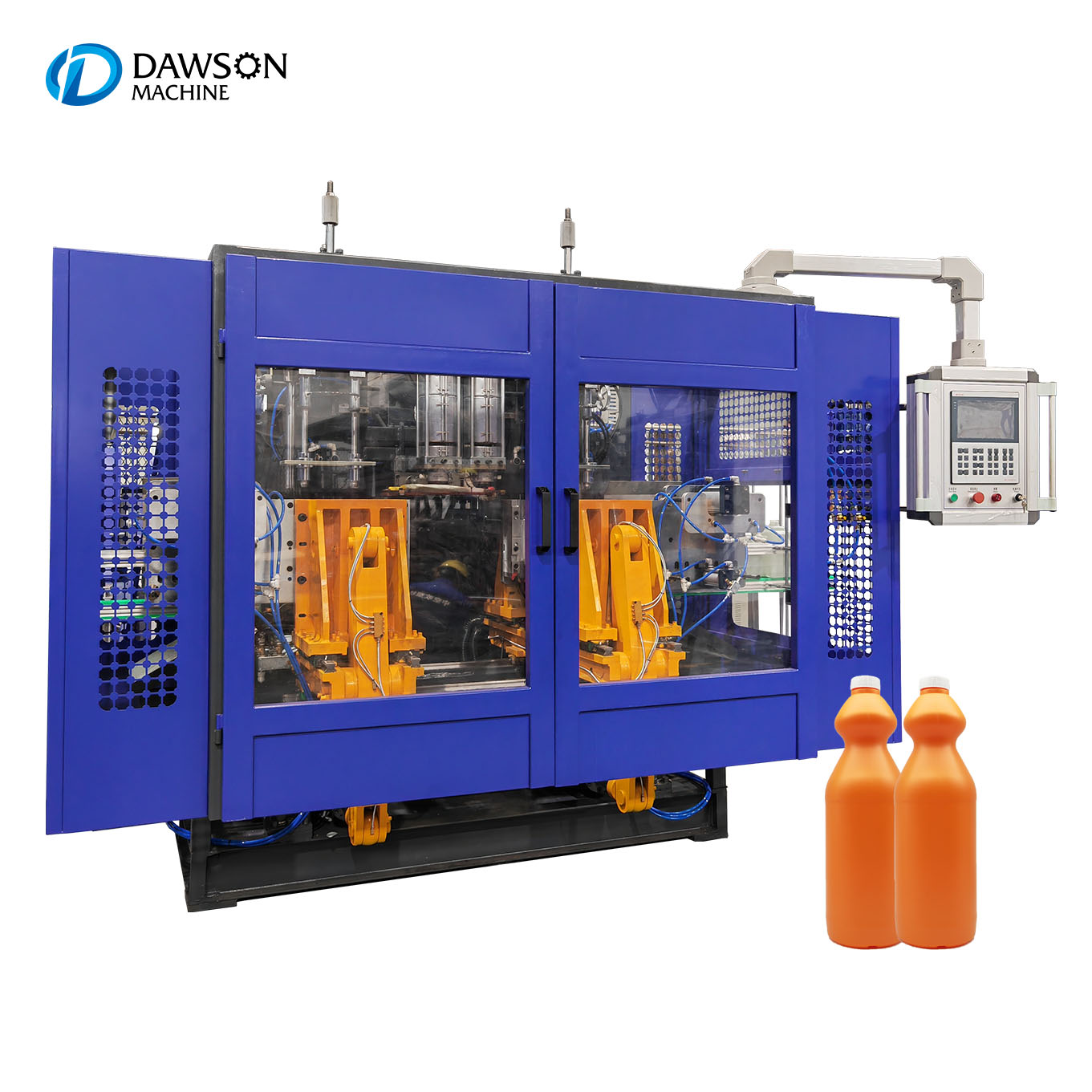
H2: Global Bottle Blowing Molding Machine Market Trends 2026: High Speed, Energy Efficiency, and Automation
The global bottle blowing molding machine market is poised for significant evolution by 2026, driven by escalating demand for plastic packaging, sustainability imperatives, and the need for operational efficiency. Key trends shaping this market will center on Producción a alta velocidad, Tecnologías de ahorro energético (especialmente servomotores), and heightened Niveles de automatización.
H2: High-Speed Production: Meeting Demand and Reducing Costs
- Motor del mercado: Intense competition in beverage, food, pharmaceuticals, and personal care sectors demands rapid turnaround and lower per-unit production costs. Consumers expect diverse packaging options faster than ever.
- Enfoque tecnológico: Machines are achieving significantly higher outputs through:
- Advanced Parison Programming: Precise control over preform heating and parison extrusion/programming enables faster, more consistent blow cycles.
- Faster Mold Opening/Closing & Ejection: Optimized hydraulic or servo-electric systems reduce non-productive cycle time.
- Multi-Cavity Molds: Increasing adoption of molds with 8, 12, or even 16+ cavities per machine.
- Integrated Handling: Faster robotic take-out and conveyor systems minimize bottlenecks.
- Perspectivas para 2026: High-speed machines (>15,000 bottles/hour for standard PET) will become the standard for large-volume producers. The focus will shift towards maintaining consistent high speeds over extended runs, minimizing downtime. Machines offering “speed on demand” (adjustable output) will gain traction for flexible production.
H2: Energy Saving Technologies: The Dominance of Servo Motors
- Motor del mercado: Soaring energy costs and stringent global environmental regulations (e.g., carbon taxes, ESG goals) make energy efficiency a top priority. Servo technology is the cornerstone of this shift.
- Enfoque tecnológico:
- Servo-Electric Drives: Replacing traditional hydraulic systems for critical axes (clamping, blowing, mold movement, ejection). Servo motors consume power only when moving, drastically reducing idle energy use (up to 30-50% savings vs. hydraulics).
- Frenado regenerativo: Capturing energy during deceleration and feeding it back into the system.
- Optimized Heating Systems: Advanced IR oven controls with precise zoning and recuperation systems minimize preform heating energy waste.
- System-Wide Efficiency: Integration of servo drives, efficient compressors (for high-pressure air), and smart control systems for holistic energy management.
- Perspectivas para 2026: Servo-electric and hybrid (servo-hydraulic) machines will dominate new installations. Energy efficiency will be a primary purchasing criterion, often outweighing upfront cost differences. “Energy per bottle” metrics will become a key performance indicator (KPI) for machine comparison. Expect further integration of IoT for real-time energy monitoring and optimization.
H2: Automation Level: Towards Lights-Out and Smart Factories
- Motor del mercado: Labor shortages, rising wages, demand for consistent quality, and the push for Industry 4.0 integration necessitate higher automation.
- Enfoque tecnológico:
- Integrated Robotics: Robotic arms for de-nesting preforms, taking out finished bottles, and palletizing are becoming standard, enabling continuous operation.
- In-Line Quality Control (IQC): Automated systems using machine vision (cameras) and sensors for 100% inspection (weight, volume, height, wall thickness, contamination, leaks) integrated directly into the production line.
- Automated Material Handling: Seamless connection to upstream preform dryers/loaders and downstream conveyors, labelers, and packers.
- Predictive Maintenance & Remote Monitoring: IoT sensors collect machine data (vibration, temperature, pressure, cycle times) for predictive maintenance, reducing unplanned downtime. Remote diagnostics and support become common.
- Centralized Control & MES Integration: Machines operating as part of a larger Manufacturing Execution System (MES), allowing centralized production scheduling, recipe management, and real-time performance tracking.
- Perspectivas para 2026: “Lights-out” manufacturing (unattended operation) will become feasible for more applications. Automation will extend beyond the machine to full-line integration. AI-powered analytics will optimize production parameters in real-time. User-friendly HMI interfaces and digital twins will simplify operation and training. Cybersecurity will be a critical consideration.
Conclusión: By 2026, the global bottle blowing molding machine market will be characterized by machines that are faster, significantly more energy-efficient (driven by servo technology), and highly automated. Success for manufacturers will depend on offering integrated solutions that deliver not just speed, but also demonstrable energy savings, reduced operational costs through automation, and seamless data connectivity for smart manufacturing. The convergence of these trends will redefine productivity and sustainability standards in the packaging industry.
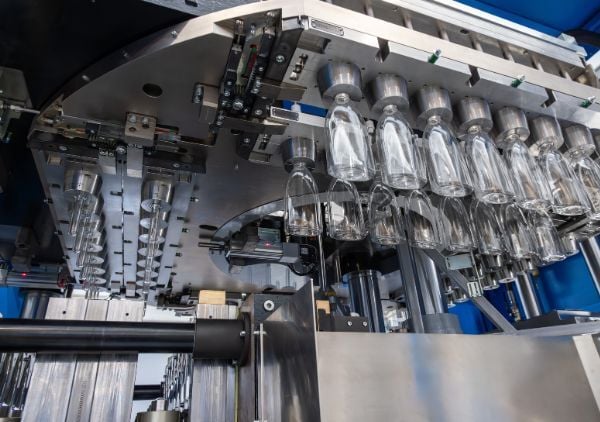
Key Quality Verification Points for Bottle Blowing Molding Machine Manufacturers
When evaluating a bottle blowing molding machine manufacturer, verifying quality is essential to ensure reliability, efficiency, and long-term performance. Focus on the following critical check points:
Material del molde (aluminio frente a acero)
- Moldes de acero: Preferred for high-volume production due to superior durability, heat resistance, and longer lifespan. Ideal for complex bottle designs and abrasive materials. Verify if the manufacturer uses hardened tool steel (e.g., P20, H13) with proper surface treatment (e.g., chrome plating).
- Moldes de aluminio: Suitable for prototyping or low-to-medium production runs due to faster cooling and lower cost. However, they wear faster. Confirm the grade of aluminum (e.g., 7075-T6) and whether it’s anodized or coated for extended life.
- Consejo de verificación: Request material certifications and inspect sample molds. Ask for expected mold life (number of cycles) under typical operating conditions.
Marca de PLC (Siemens frente a Mitsubishi)
- PLC Siemens: Known for robust performance, excellent integration with HMI and SCADA systems, and strong support in industrial automation. Widely used in high-end machinery.
- PLC Mitsubishi: Offer reliable performance, fast processing, and are commonly used in precision machinery, especially in Asian markets.
- Consejo de verificación: Confirm the exact PLC model used (e.g., Siemens S7-1200, Mitsubishi FX5). Check for original factory seals, software interface quality, and availability of programming support. Ensure the PLC supports data logging, fault diagnostics, and remote monitoring.
Eficacia de la duración del ciclo
- Definición: The total time required to produce one finished bottle (from preform loading to ejection). Lower cycle times mean higher productivity.
- Punto de referencia: High-efficiency machines typically achieve 6–10 seconds per cycle depending on bottle size and output (e.g., 1200–2000 bottles/hour per cavity).
- Consejo de verificación: Request live machine demonstrations or third-party performance reports. Evaluate consistency across multiple cycles. Confirm if the cycle time includes preform heating, blow molding, and cooling phases.
Disponibilidad de piezas de recambio
- Componentes críticos: Air valves, sealing rings, stretch rods, heaters, molds, and PLC modules should be readily available.
- Apoyo local: Check whether the manufacturer has a local warehouse or authorized distributor in your region for quick delivery.
- Plazos de entrega: Ask for average lead time for common spare parts (e.g., <7 days for critical components).
- Consejo de verificación: Request a detailed spare parts list with part numbers and pricing. Inquire about service contracts, technical support, and availability of wear-and-tear part kits.
By thoroughly assessing these four key areas—mold material, PLC brand, cycle time efficiency, and spare parts availability—you can confidently evaluate the quality and reliability of a bottle blowing molding machine manufacturer.
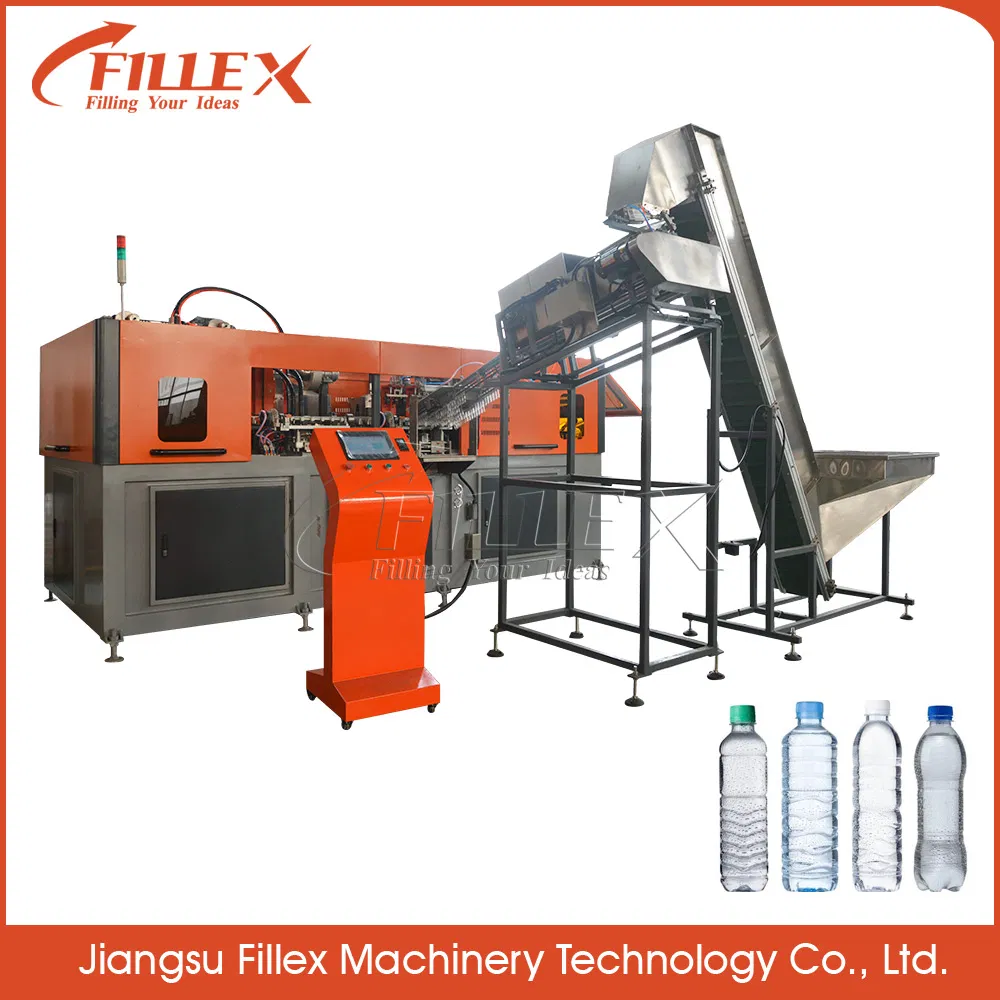
Configuration Guide for Bottle Blowing Molding Machine
Selección del número de cavidades
The cavity number refers to the number of bottles produced per machine cycle and is a critical factor in determining production capacity. Selecting the appropriate cavity number depends on:
- Production Output Requirements: Higher cavity numbers (e.g., 8, 12, 24, or even 32 cavities) increase output for high-volume manufacturing, while lower cavity configurations (e.g., 1–4 cavities) suit small-scale or prototyping operations.
- Bottle Size and Weight: Larger or heavier bottles require more energy, cooling time, and handling space, often limiting cavity numbers.
- Cycle Time: More cavities may extend cycle time due to increased air consumption and cooling demand.
- Budget and Floor Space: Higher cavity machines are more expensive and require larger production areas.
Recomendación: Match cavity count to your daily production targets and available operational resources.
Volumen de la botella
The blowing machine must be compatible with the desired bottle volume to ensure proper mold fit and pressure distribution. Consider the following:
- Machine Model Specifications: Each machine is designed to handle a specific volume range (e.g., 100 ml to 2,000 ml). Exceeding this range may result in poor bottle quality or machine damage.
- Mold Design: Bottle molds must be engineered for the target volume, including preform stretching ratio and wall thickness distribution.
- Blow Pressure and Timing: Smaller bottles require precise control over lower air volumes, while larger bottles demand higher air pressure and longer blow/cooling cycles.
Guideline: Select a machine whose specified volume range fully encompasses your product requirements, allowing for future product line expansion.
Compatibilidad de preformas
Preform compatibility ensures that the injection-molded preform fits properly into the blow mold and can be successfully expanded into the final bottle shape.
- Neck Finish Standardization: Preforms must have standardized neck finishes (e.g., PCO 1881, 38 mm, 28 mm) compatible with the chosen mold and capping equipment.
- Dimensiones de la preforma: Match preform length, diameter, and weight to the machine’s loading mechanism and stretch rod specifications.
- Tipo de material: Most machines are designed for PET (Polyethylene Terephthalate), but verify compatibility with recycled PET (rPET) or specialty resins if used.
- Sistema de calentamiento de preformas: Ensure the machine’s infrared oven or conditioning system is tuned for your preform wall thickness and resin grade.
Buenas prácticas: Use preforms recommended or certified by the machine manufacturer to ensure optimal performance.
Equipo auxiliar (compresor/refrigerador)
Auxiliary systems are essential for stable and efficient operation of the blowing machine.
Compresor de aire
- Propósito: Suministra aire a alta presión (normalmente 25-40 bar) para el soplado de botellas.
- Capacidad: Must provide sufficient CFM (cubic feet per minute) and pressure for all cavities simultaneously. Calculate total air demand based on cavity count and blow volume.
- Calidad del aire: Requires dry, oil-free air to prevent contamination and valve damage. Use air dryers and filtration systems.
- Almacenamiento: Include an air receiver tank to stabilize pressure and meet peak demand.
Enfriador
- Propósito: Cools molds to solidify the PET bottle quickly and ensure dimensional stability.
- Capacidad de refrigeración: Sized in tons of refrigeration (TR) based on machine output, cavity number, and ambient temperature. Higher output requires larger chillers (e.g., 10–50 TR).
- Water Flow and Temperature: Typically maintains mold cooling water at 8–15°C. Ensure proper flow rate and closed-loop system to prevent scaling.
- Integration: Should be compatible with the machine’s cooling circuit and equipped with flow monitoring and alarms.
Consejo de integración: Properly sized and maintained auxiliary equipment improves cycle time, bottle quality, and machine longevity. Always consult machine specifications when selecting compressors and chillers.
In conclusion, sourcing a bottle blowing molding machine from China offers a compelling combination of advanced manufacturing capabilities, cost-efficiency, and technological innovation. However, ensuring long-term operational success depends significantly on two critical factors: the implementation of a thorough Factory Acceptance Test (FAT) and reliable spare parts support. Conducting a comprehensive FAT prior to shipment allows buyers to verify machine performance, quality standards, and compliance with technical specifications under real operating conditions, minimizing risks and ensuring seamless integration upon arrival. Equally important is establishing a strong agreement for ongoing spare parts supply, as ready access to genuine components is essential for minimizing downtime and maintaining consistent production efficiency. By prioritizing suppliers who offer transparent FAT procedures and robust spare parts support, buyers can maximize uptime, extend machine lifespan, and achieve a strong return on investment—making the sourcing process not only economical but also strategically sound for sustainable operations.






