
As demand for high-volume, precision bottling solutions continues to rise across the beverage, pharmaceutical, and personal care sectors, automation and operational efficiency have become critical drivers in the plastic machinery industry. With evolving production requirements and tighter turnaround times, manufacturers are increasingly seeking reliable 10-cavity bottle blowing machines that deliver consistent quality, energy efficiency, and seamless integration into automated lines. This 2026 audit highlights the top three manufacturers leading the market in innovation, performance, and global service support—offering strategic sourcing insights for businesses aiming to optimize their bottling operations.
Los 3 principales fabricantes de máquinas de soplado de botellas de 10 cavidades (lista de auditoría de 2026)
(Clasificación por capacidad de producción y puntuación de confianza)

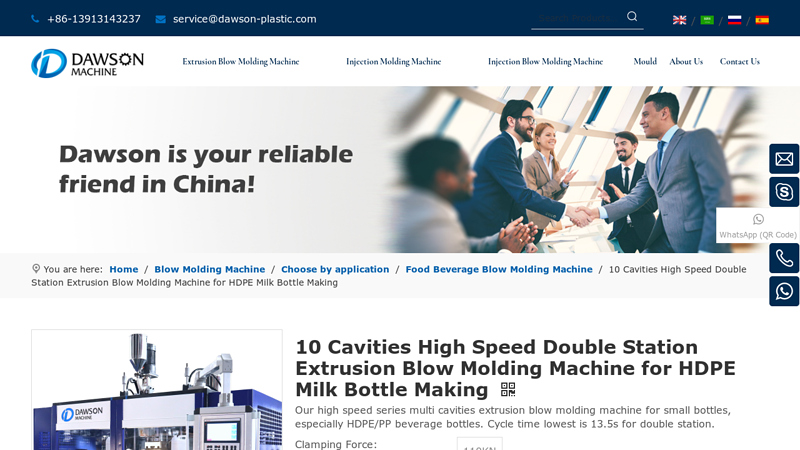
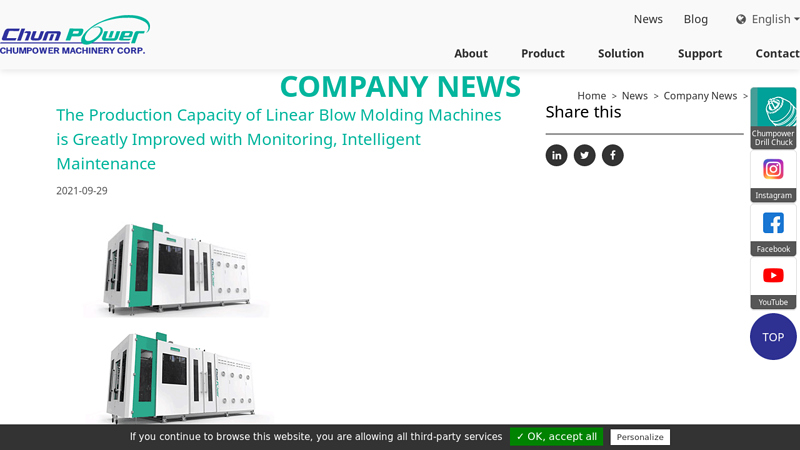
Professional Sourcing Guide: 10 Cavities Bottle Blowing Machine
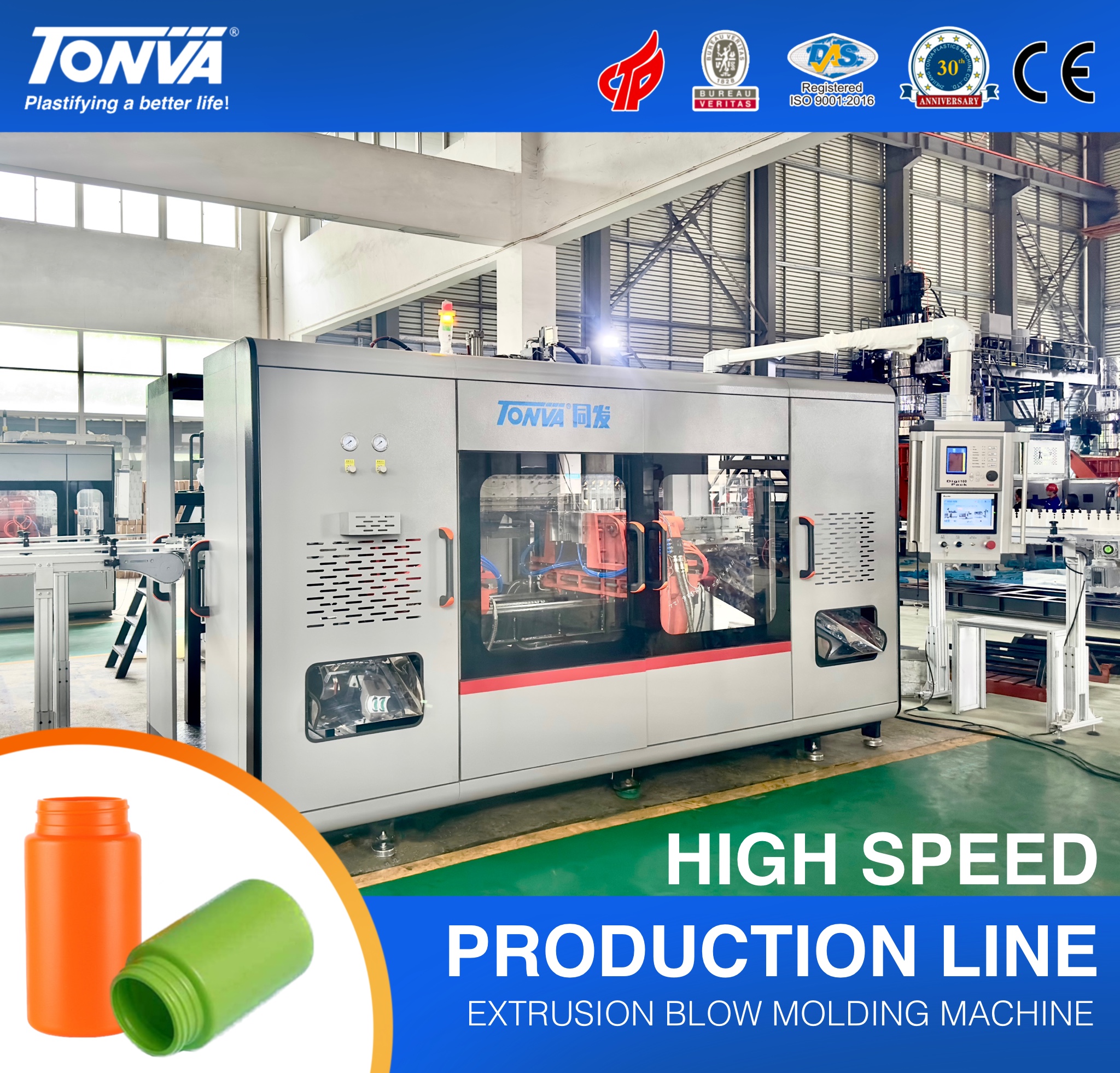
Global Market Trends for 10-Cavity Bottle Blowing Machines in 2026: Focus on High-Speed Production, Energy Saving Technologies, and Automation Level
High-Speed Production Driving Market Demand
In 2026, the global demand for 10-cavity bottle blowing machines is being significantly influenced by the growing need for high-speed production across beverage, pharmaceutical, and personal care industries. Manufacturers are under increasing pressure to scale output efficiently to meet rising consumer demand while reducing cycle times. The 10-cavity machine architecture strikes an optimal balance between productivity and footprint, enabling medium to large-scale producers to achieve production rates exceeding 4,000–6,000 bottles per hour, depending on bottle size and material.
Advancements in preform feeding systems, stretch rod mechanics, and mold cooling have contributed to faster blow cycles and reduced downtime. High-speed servo-driven systems now allow for precise movement synchronization between cavities, minimizing bottlenecks and maximizing uptime. Additionally, improvements in high-frequency heating systems for preform conditioning have reduced energy waste and increased throughput consistency. As a result, producers are increasingly investing in 10-cavity machines with high-speed capabilities as a cost-effective alternative to larger 12- or 16-cavity systems, especially in regions with space and capital constraints.
Integration of Energy-Saving Technologies with Servo Motors
Energy efficiency has become a critical performance metric for bottle blowing machines, prompting widespread adoption of servo motor technology in 10-cavity systems by 2026. Unlike traditional hydraulic systems, servo motors offer dynamic control, lower energy consumption, and reduced heat generation. Machines equipped with full-servo or hybrid-servo drives report energy savings of up to 30–50% compared to older hydraulic counterparts, a key selling point in markets with high electricity costs or stringent environmental regulations.
The integration of advanced servo motors enables precise control over clamping force, stretch rod movement, and mold opening/closing, reducing mechanical stress and wear. Furthermore, regenerative braking systems in modern servo drives capture and reuse energy during deceleration phases, enhancing overall efficiency. Leading manufacturers such as Sidel, Krones, and Bekum now offer 10-cavity models with intelligent energy management systems that automatically adjust motor load based on real-time production needs.
Sustainability mandates and ESG (Environmental, Social, and Governance) goals are accelerating the shift toward energy-efficient solutions. In regions like the European Union and Japan, regulatory frameworks such as the EU Green Deal and Japan’s Carbon Neutrality by 2050 initiative are pushing bottling plants to retrofit or replace legacy equipment with servo-based systems. This trend is expected to continue, making servo-driven 10-cavity machines the new standard by 2026.
Advancement in Automation Level and Smart Manufacturing Integration
Automation is playing a transformative role in the evolution of 10-cavity bottle blowing machines, with 2026 marking a pivotal shift toward fully integrated smart production lines. Modern systems now feature advanced automation capabilities such as robotic preform loading, automatic mold changeovers, in-line quality inspection (using AI-powered vision systems), and predictive maintenance via IoT sensors.
The automation level in new 10-cavity machines includes seamless integration with upstream (preform handling) and downstream (conveying, labeling, packing) systems through standardized communication protocols like OPC UA and Industry 4.0 frameworks. This enables end-to-end digital monitoring and control, improving Overall Equipment Effectiveness (OEE) and reducing labor costs.
Artificial intelligence and machine learning algorithms are being embedded into machine control systems to optimize parameters in real time—adjusting blow pressure, temperature, and cycle timing based on material variance and environmental conditions. Remote diagnostics and cloud-based monitoring allow technicians to troubleshoot issues proactively, minimizing unplanned downtime.
In emerging markets such as Southeast Asia and Latin America, automation adoption is rising due to labor cost increases and the need for consistent product quality. Meanwhile, in developed markets, the focus is on achieving lights-out manufacturing, where 10-cavity machines operate autonomously for extended periods with minimal human intervention.
Conclusión
By 2026, the global market for 10-cavity bottle blowing machines is being reshaped by three dominant trends: the pursuit of high-speed production to meet volume demands, the widespread integration of energy-saving servo motor technologies, and the deepening of automation toward smart, connected manufacturing. These advancements are not only improving productivity and sustainability but also redefining competitiveness in the packaging industry. As a result, manufacturers investing in next-generation 10-cavity systems are better positioned to adapt to evolving market dynamics and regulatory landscapes.
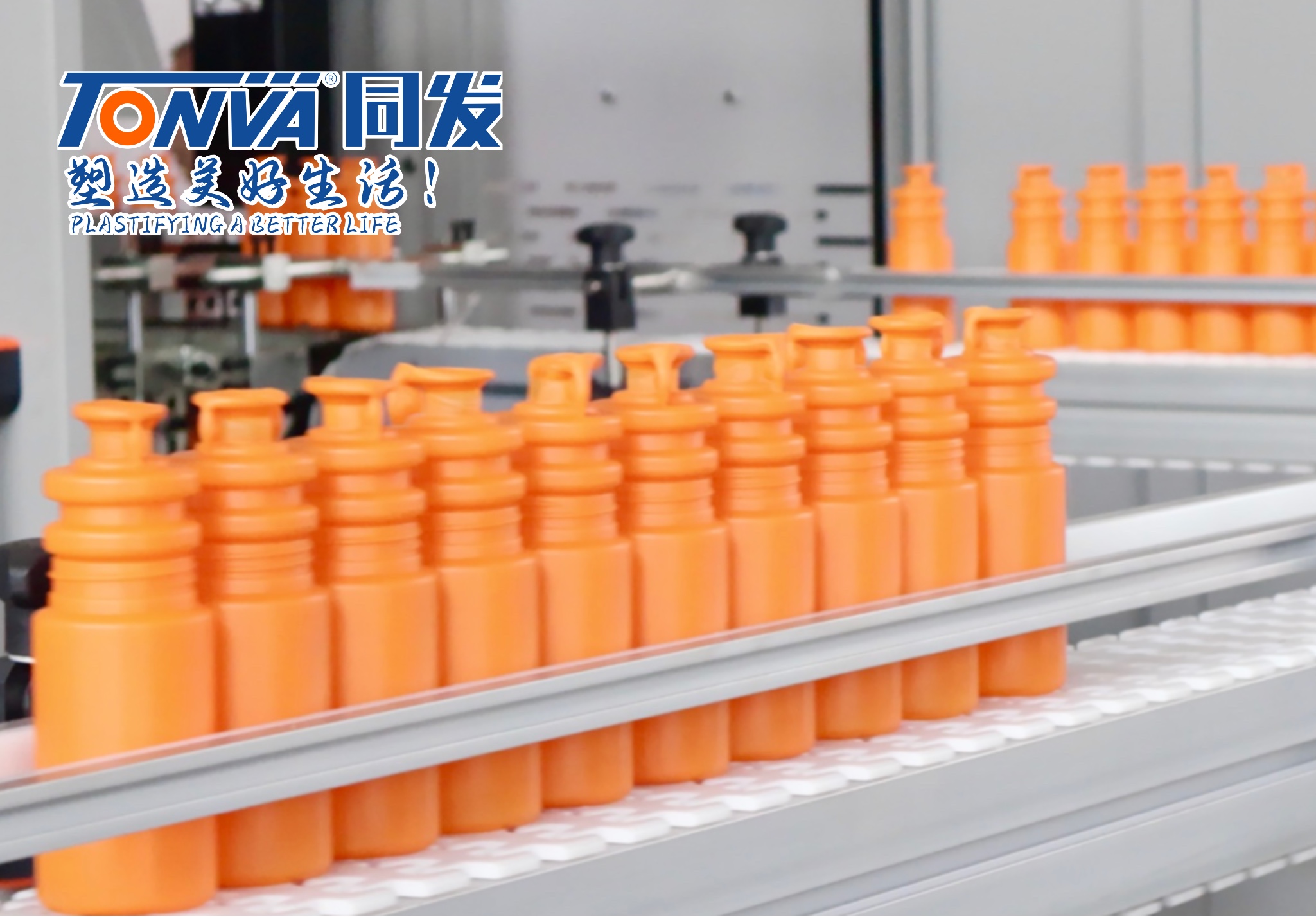
Key Quality Verification Points for a 10-Cavity Bottle Blowing Machine Manufacturer
When evaluating a 10-cavity bottle blowing machine manufacturer, it’s essential to verify critical components and performance metrics to ensure reliability, efficiency, and long-term operational success. Focus on the following key check points:
Material del molde (aluminio frente a acero)
- Verificar las especificaciones del material: Confirm whether molds are made from aluminum, steel, or a combination. High-production environments typically require moldes de acero templado for durability and longer lifespan.
- Assess Corrosion Resistance: Ensure steel molds are treated or coated (e.g., chrome plating) to resist corrosion from moisture and frequent use.
- Check Compatibility: Confirm the mold material is suitable for your target bottle type (PET, HDPE, etc.) and production volume.
- Request Material Certificates: Ask for material test reports or certifications to validate the grade and quality of mold steel (e.g., P20, H13) or aluminum alloy.
Marca de PLC (Siemens frente a Mitsubishi)
- Confirme el modelo y el origen del PLC: Request documentation specifying the exact PLC brand and model (e.g., Siemens S7-1200, Mitsubishi FX5 or iQ-R series).
- Evaluate System Reliability: Siemens and Mitsubishi are industry leaders—verify firmware version, redundancy features, and integration with HMI.
- Check Software Support: Ensure the manufacturer provides accessible programming software and documentation for troubleshooting and modifications.
- Assess After-Sales Support: Confirm whether local technicians are trained to support the specified PLC brand for faster repairs.
Eficacia de la duración del ciclo
- Request Verified Performance Data: Ask for documented cycle time under real production conditions (e.g., seconds per 500ml bottle).
- Demostración in situ o por vídeo: Observe a running machine producing your bottle size to validate claimed efficiency.
- Evaluate Consistency: Monitor machine performance over a 1–2 hour run to check for cycle time fluctuations or downtime.
- Compare Industry Standards: For a 10-cavity machine, typical cycle times range from 8–15 seconds depending on bottle size and wall thickness. Ensure the machine meets or exceeds benchmarks.
Disponibilidad de piezas de recambio
- Revisar la lista de piezas de recambio: Request a comprehensive list of critical spare parts (seals, valves, stretch rods, heaters, sensors) and their standard lead times.
- Check Local Inventory: Confirm if the manufacturer or their distributor maintains a local warehouse with fast-access spare parts.
- Assess After-Sales Network: Evaluate the responsiveness of technical support and availability of replacement components globally or in your region.
- Request Long-Term Supply Guarantee: Ensure the manufacturer commits to supporting the machine with spare parts for at least 10 years post-purchase.
By rigorously verifying these four areas—Material del molde, marca del PLC, eficiencia del tiempo de ciclo y disponibilidad de piezas de repuesto—you can confidently assess the quality and reliability of a 10-cavity bottle blowing machine manufacturer.
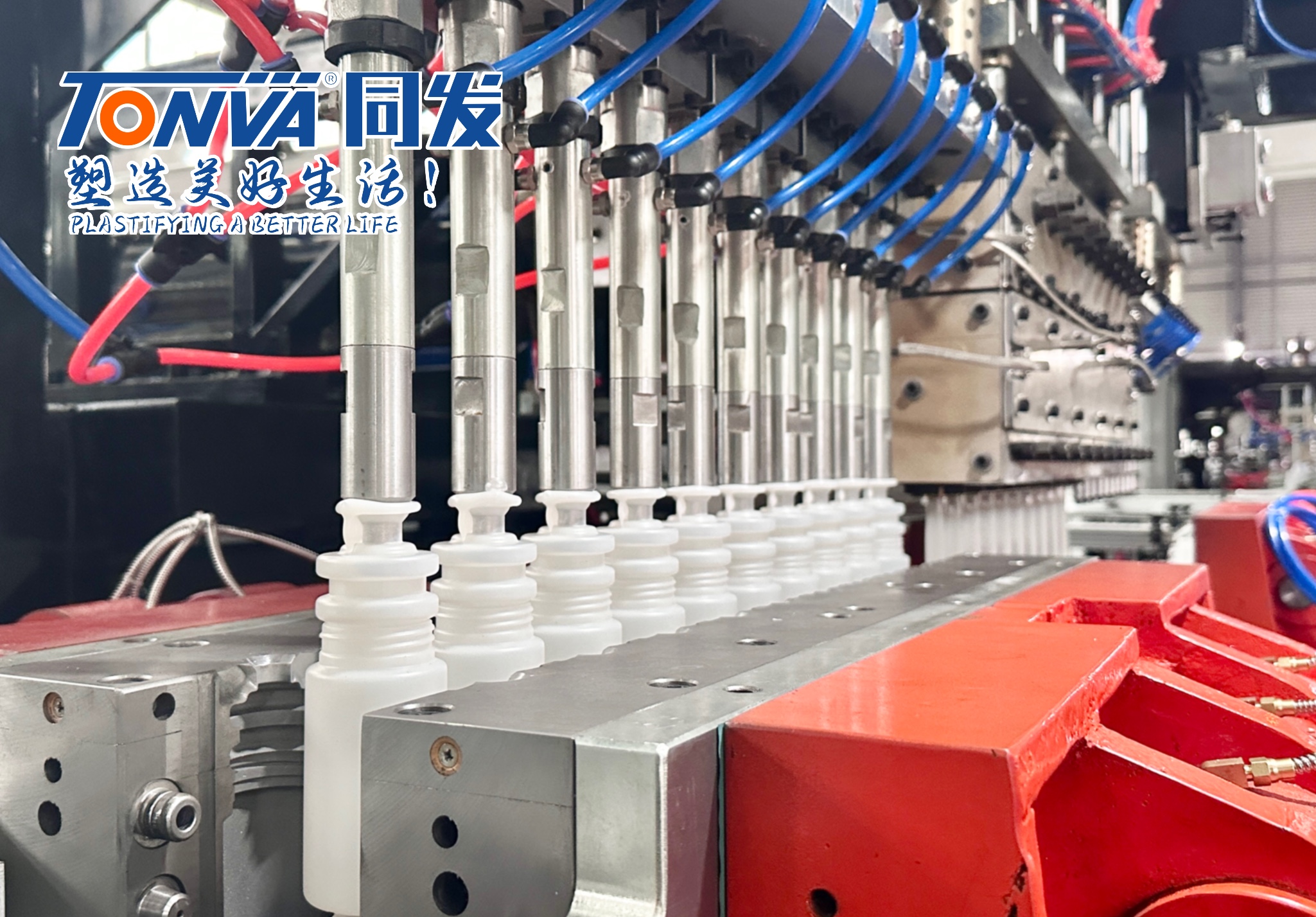
Configuration Guide for 10-Cavity Bottle Blowing Machine
Selección del número de cavidades
The 10-cavity configuration offers a balanced solution between production output and operational flexibility. It is ideal for medium to high-volume manufacturing environments where consistent output is required without the complexity and high energy demands of larger cavity machines (e.g., 16 or 24 cavities). A 10-cavity model provides scalability for growing businesses, enabling efficient production of 10,000 to 50,000 bottles per hour (depending on cycle time and bottle size). This configuration optimizes floor space utilization while maintaining ease of maintenance and changeover.
Volumen de la botella
The 10-cavity bottle blowing machine typically supports a broad bottle volume range from 100 ml to 2,000 ml. The actual range depends on the machine model and mold design. Smaller bottles (100–500 ml) allow for faster cycle times and higher output, while larger bottles (1,000–2,000 ml) require longer blowing and cooling cycles, reducing hourly output. Machines can often be configured with stretch rod and mold adjustments to accommodate various bottle shapes and volumes within this range, offering versatility for beverage, water, and liquid packaging industries.
Compatibilidad de preformas
The machine is compatible with standard PET (Polyethylene Terephthalate) preforms with neck finishes commonly ranging from 28 mm to 38 mm, including PCO 1881, 38 mm finish, and other industry-standard closures. Preform weight typically ranges from 10 grams to 60 grams, depending on the final bottle size and wall thickness. The loader or preform feeding system must be adjustable to handle various preform lengths and diameters. Preform oven compatibility (infrared heating system) should be verified to ensure uniform heating across the selected preform types for optimal bottle quality.
Auxiliary Equipment (Compressor / Chiller)
Requisitos del compresor de aire:
A high-quality, oil-free air compressor is essential. For a 10-cavity machine, a minimum capacity of 2.5 to 3.5 m³/min (90–125 CFM) at a pressure of 30–40 bar (435–580 psi) is recommended. The compressed air must be dry and clean (dew point ≤ -40°C) to prevent contamination and ensure consistent blowing pressure. A refrigerated or desiccant air dryer should be integrated into the system.
Requisitos del enfriador:
A dedicated process chiller is required to maintain mold temperature and ensure rapid cooling for dimensional stability and clarity. A chiller with a cooling capacity of 15 to 25 kW (4 to 7 tons) is typically sufficient, depending on ambient conditions and production speed. The chiller should maintain coolant temperature between 8°C and 12°C with a flow rate of 60–100 liters per minute. Closed-loop chilled water systems with corrosion-resistant piping are recommended for reliable operation.
In conclusion, sourcing a 10-cavity bottle blowing machine from China presents a compelling opportunity to enhance production efficiency while maintaining cost-effectiveness. However, ensuring long-term operational success hinges on two critical factors: a comprehensive Factory Acceptance Test (FAT) and robust spare parts support. Conducting a thorough FAT on-site allows for verification of machine performance, quality standards, and compliance with technical specifications under real operating conditions, minimizing risks before shipment. Additionally, reliable access to genuine spare parts and responsive technical support from the supplier are essential for minimizing downtime and ensuring sustainable production. By prioritizing suppliers who offer transparent FAT procedures and established spare parts availability, companies can secure not only a competitive initial investment but also a dependable and efficient long-term partnership in their packaging operations.






