
As global demand for high-volume, precision PET container production continues to rise, manufacturers are increasingly turning to automated stretch blow molding solutions to enhance efficiency, reduce downtime, and maintain competitive edge. Driven by growth in the beverage, pharmaceutical, and personal care sectors, the market prioritizes machines that deliver speed, energy efficiency, and seamless integration into smart factories. This 2026 audit identifies the top nine manufacturers leading innovation in automatic PET stretch blow molding technology—companies setting new benchmarks in performance, reliability, and Industry 4.0 readiness for forward-thinking bottling operations worldwide.
Top 9 Automatic Pet Stretch Blow Molding Machine Manufacturers (2026 Audit List)
(Ranked by Production Capability & Trust Score)
Professional Sourcing Guide: Automatic Pet Stretch Blow Molding Machine
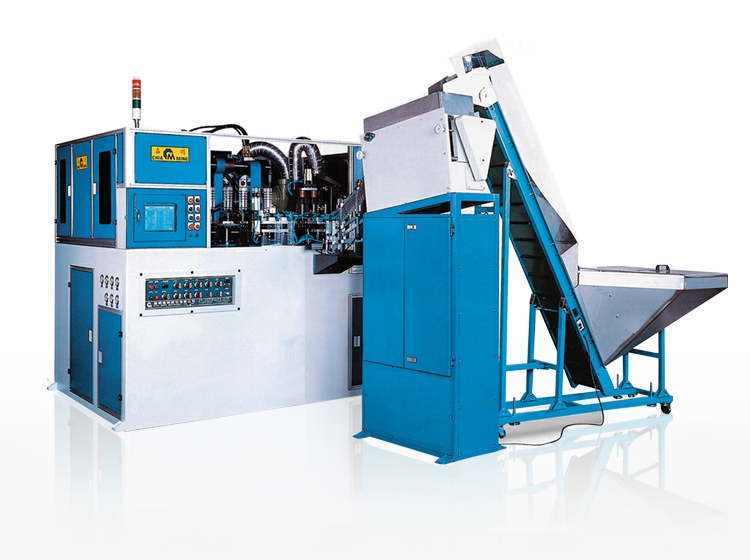
2026 Global Market Trends for Automatic Pet Stretch Blow Molding Machines: High-Speed Production, Energy Efficiency, and Automation
The global market for Automatic PET Stretch Blow Molding Machines is poised for significant evolution by 2026, driven by intensifying demands for efficiency, sustainability, and operational resilience. Key trends center on High-Speed Production, Energy Saving Technologies (particularly Servo Motors), and escalating Automation Levels, fundamentally reshaping machine design and operational capabilities.
High-Speed Production Becomes Standard
- Market Driver: Intense competition, rising demand for bottled beverages (water, soft drinks, functional beverages), and pressure to maximize output from existing floor space are pushing manufacturers towards higher throughput.
- 2026 Projection: High-speed machines (commonly defined as systems capable of 15,000+ bottles per hour per cavity, with top-tier systems exceeding 40,000 bph) will transition from being a premium option to the expected baseline for new installations in large-scale beverage production. Machine designs will focus on optimizing the entire cycle – preform handling, heating, stretching, blowing, ejection – to minimize cycle times.
- Technological Focus: Expect advancements in rapid preform transfer mechanisms, optimized oven designs for faster and more uniform heating, high-pressure air systems with faster response times, and integrated in-line leak detection that doesn’t slow down the line. Multi-cavity molds (e.g., 12, 16, 24, even 32 cavities) will be standard for high-volume applications, requiring exceptional precision and synchronization.
Energy Saving Technologies: Servo Motors Lead the Charge
- Market Driver: Soaring energy costs, stringent environmental regulations (carbon footprint reduction), and corporate sustainability goals are making energy efficiency a critical purchasing criterion. Servo motors offer a clear path to significant savings.
- 2026 Projection: Servo motor technology will be the dominant and nearly ubiquitous drive system in new Automatic PET Stretch Blow Molding Machines by 2026. The transition from traditional hydraulic systems and older electric drives will be largely complete for mainstream and high-end machines.
- Benefits Realized:
- Dramatic Energy Reduction: Servo motors consume power only when actively moving or applying force, leading to energy savings of 30-60% compared to constant-run hydraulic pumps.
- Precision & Repeatability: Enable highly accurate control of clamp force, stretch rod speed/position, and mold movement, improving bottle quality and consistency.
- Reduced Maintenance & Noise: Eliminate hydraulic oil, pumps, and associated leaks/maintenance; operate significantly quieter than hydraulic systems.
- Faster Cycle Times: Allow for quicker acceleration and deceleration of machine components.
- Beyond Servos: While servos are the core, integration with other energy-saving features will be standard: regenerative braking on axes, optimized heating profiles using IR sensors and closed-loop control, and intelligent machine modes (e.g., standby during brief stoppages).
Automation Level Reaches New Heights of Integration
- Market Driver: Labor shortages, rising labor costs, the need for consistent quality, and the drive for end-to-end digital factory integration (Industry 4.0).
- 2026 Projection: Automation will extend far beyond the basic robotic loading/unloading of preforms and unloading of finished bottles. Machines will be deeply integrated into the broader production line and factory ecosystem.
- Key Automation Trends:
- Advanced Robotics: Integration of collaborative robots (cobots) for delicate handling tasks, palletizing, and quality inspection directly at the machine output. Vision systems for real-time bottle inspection (leak detection, dimensional checks, visual defects) will be standard, feeding data back for immediate process adjustment.
- Predictive Maintenance: Sensors monitoring vibration, temperature, pressure, and motor load will feed data to cloud-based platforms using AI/ML algorithms to predict component failures before they occur, minimizing unplanned downtime.
- Digital Twins & Process Optimization: Virtual models of the blow molding machine will be used for simulation, optimization, remote monitoring, and operator training.
- Seamless Line Integration: Machines will communicate bidirectionally with upstream (preform handling, drying) and downstream (conveying, filling, labeling, packaging) equipment via standardized protocols (e.g., OPC UA), enabling synchronized start/stop, fault reporting, and overall line optimization.
- Remote Monitoring & Support: OEMs will offer comprehensive remote monitoring, diagnostics, and even remote software updates, reducing the need for on-site expert visits.
In conclusion, by 2026, the Automatic PET Stretch Blow Molding Machine market will be defined by machines that are inherently high-speed, fundamentally energy-efficient through servo-electric drive dominance, and deeply automated and connected. Success will depend on manufacturers’ ability to deliver integrated solutions that maximize output, minimize environmental impact, reduce operational costs, and provide unprecedented levels of data and control to their customers. The focus will shift from simply producing bottles to providing intelligent, sustainable, and highly optimized production cells.
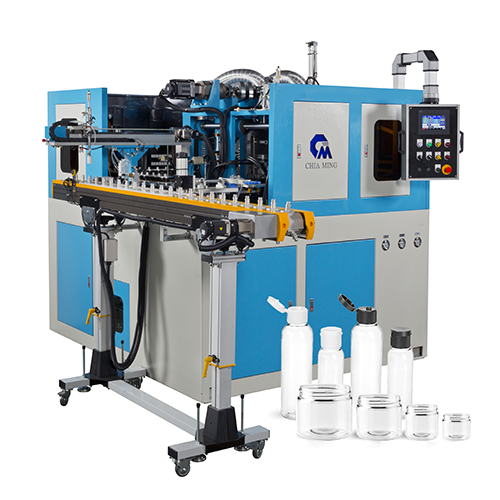
Key Quality Verification Points for Automatic Pet Stretch Blow Molding Machine Manufacturers
When evaluating an Automatic PET Stretch Blow Molding Machine manufacturer, it’s essential to verify critical components and performance metrics to ensure long-term reliability and efficiency. Below are the key check points to assess:
Mold Material (Aluminum vs. Steel)
- Verify Material Specification: Confirm whether the molds are made from aluminum or steel. Steel molds (typically 42CrMo or P20) offer superior durability, better temperature resistance, and longer service life, making them ideal for high-volume production.
- Surface Treatment: Check for proper surface coating (e.g., chrome plating or nitriding) to prevent corrosion and ensure smooth bottle ejection.
- Precision Machining: Inspect mold cavity accuracy and alignment—critical for consistent bottle quality and dimensional stability.
- Cooling Efficiency: Evaluate the mold’s internal cooling channel design to ensure uniform temperature distribution and reduced cycle times.
PLC Brand (Siemens vs. Mitsubishi)
- Confirm PLC Model and Origin: Ensure the machine uses a genuine Siemens or Mitsubishi PLC—both are industry-leading for reliability, processing speed, and ease of integration.
- Software Interface: Evaluate the HMI (Human-Machine Interface) for user-friendliness, real-time monitoring, fault diagnostics, and data logging capabilities.
- Control System Redundancy: Check if the system supports remote diagnostics and software updates, which reduces downtime.
- Programming Flexibility: Confirm the PLC allows easy recipe changes and parameter adjustments for different bottle formats.
Cycle Time Efficiency
- Measure Actual vs. Advertised Cycle Time: Request a live demonstration or video of the machine running at full capacity to verify the real cycle time (bottles per hour).
- Preform Heating Uniformity: Assess infrared oven efficiency and rotation mechanism—uneven heating leads to longer cycles and defective bottles.
- Blow Station Performance: Evaluate the speed and consistency of high-pressure air valves and stretch rod movement.
- Integration with Conveyors: Ensure smooth synchronization between the blow molder, infeed, and outfeed systems to avoid bottlenecks.
Spare Parts Availability
- Local Inventory Check: Confirm if the manufacturer or their authorized distributor maintains a local stock of critical spare parts (seals, O-rings, valves, heaters, sensors).
- Part Standardization: Assess whether common components (e.g., pneumatic valves, motors) use standard industry models for easy replacement.
- Supply Chain Transparency: Request a documented spare parts list with lead times and pricing.
- After-Sales Support: Evaluate the manufacturer’s service network, response time, and technical support availability (24/7 hotline, on-site engineers).
By thoroughly checking these four critical areas—Mold Material, PLC Brand, Cycle Time Efficiency, and Spare Parts Availability—you can confidently assess the quality and reliability of an Automatic PET Stretch Blow Molding Machine manufacturer.
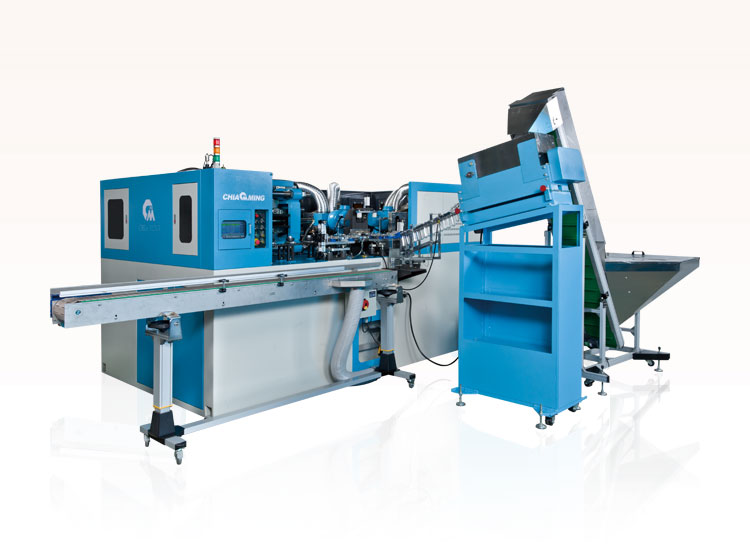
Configuration Guide for Automatic Pet Stretch Blow Molding Machine
Cavity Number Selection
The cavity number refers to the quantity of bottles the machine can produce in a single cycle. Selecting the appropriate cavity number is crucial for matching production capacity with demand and optimizing cost-efficiency.
- Low-Volume Production (1–2 Cavities): Ideal for small-scale operations, prototyping, or specialty bottles. Offers lower initial investment and easier maintenance.
- Medium-Volume Production (4–6 Cavities): Suitable for medium-sized beverage or cosmetic manufacturers. Balances output and machine footprint.
- High-Volume Production (8–12+ Cavities): Designed for large-scale beverage bottling lines. Maximizes throughput but requires higher capital investment and consistent preform supply.
Selection Tips:
– Match cavity count to your required output (bottles per hour).
– Consider factory space and line integration.
– Higher cavities reduce per-unit energy and labor costs but increase complexity.
Bottle Volume Range
The machine must be compatible with the desired bottle sizes to ensure proper mold fit, stretch rod positioning, and blowing pressure control.
- Standard Range: Most automatic stretch blow molding machines support volumes from 50 ml to 2000 ml.
- Mini Bottles (50–250 ml): Common in cosmetics, pharmaceuticals, and single-serve beverages.
- Mid-Sized Bottles (300–1000 ml): Widely used in water, soft drinks, and edible oil packaging.
- Large Bottles (1000–2000 ml+): Typically used for 5-gallon water jugs or bulk packaging; may require specialized high-pressure systems.
Selection Guidelines:
– Confirm the machine’s minimum and maximum volume specifications.
– Use adjustable molds or modular systems for multi-size production.
– Ensure the stretch rod length and blowing station can accommodate the tallest bottle.
Preform Compatibility
Preform compatibility ensures the machine can process the supplied PET preforms efficiently in terms of size, neck finish, and material quality.
- Neck Finish Standardization: Match the machine’s mold design to standard neck finishes (e.g., 28mm PCO, 38mm, 1881) to ensure cap compatibility.
- Preform Dimensions: Verify compatibility with preform length, outer diameter, and weight (typically 10g–80g depending on bottle size).
- Material Grade: Use injection-molded amorphous PET preforms with proper crystallinity and moisture content (<50 ppm recommended).
Key Considerations:
– Preforms must be dried before processing if not pre-dried.
– Ensure preform feeding system (e.g., bowl or linear hopper) is compatible with preform geometry.
– Machine should support easy mold and neck ring changes for different preform types.
Auxiliary Equipment (Compressor/Chiller)
Auxiliary systems are essential for consistent machine performance, bottle quality, and operational efficiency.
Air Compressor
- Purpose: Supplies high-pressure air (typically 25–40 bar) for the stretch blow process.
- Requirements:
- Oil-free, dry air to prevent contamination.
- Capacity: Minimum 1.5x the machine’s peak air consumption (e.g., 1000 L/min for a 6-cavity machine).
- Air Treatment: Include refrigerated dryer and fine filters (0.01 micron) to remove moisture and particulates.
Chiller
- Purpose: Cools molds and, in some cases, the preform heating oven to maintain dimensional stability and cycle consistency.
- Requirements:
- Cooling Capacity: Sized according to mold surface area and cycle speed (typically 3–10 kW).
- Temperature Control: Maintain mold temperature between 10–15°C for optimal crystallization and bottle clarity.
- Closed-loop system with corrosion-resistant piping recommended.
Integration Tips:
– Install compressors and chillers close to the machine to minimize pressure drop and heat loss.
– Use insulated piping and proper filtration to ensure long-term reliability.
– Monitor dew point and coolant flow regularly for consistent output.
In conclusion, sourcing an automatic pet stretch blow molding machine from China offers a compelling combination of advanced technology, cost-efficiency, and high production capacity. However, to ensure long-term reliability and operational success, it is essential to prioritize suppliers who provide a comprehensive Factory Acceptance Test (FAT) and robust spare parts support. The FAT serves as a critical quality checkpoint, allowing buyers to verify machine performance, automation integration, and compliance with technical specifications before shipment, minimizing the risk of post-installation issues. Equally important is access to readily available, genuine spare parts and responsive after-sales service, which ensures minimal downtime and sustained productivity. By selecting a reputable Chinese manufacturer that guarantees a transparent FAT process and dependable spare parts supply chain, businesses can secure a seamless integration of the blow molding machine into their operations, maximize uptime, and achieve a strong return on investment.






