
As demand for high-efficiency, precision-driven bottling solutions continues to rise across the beverage, pharmaceutical, and personal care sectors, manufacturers are increasingly prioritizing automation and adaptability in their production lines. Variable pitch bottle blowing machines have emerged as a key innovation, enabling flexible output for multi-size container production with minimal downtime. With automation reshaping the plastic packaging landscape, sourcing from reliable, technologically advanced suppliers is more critical than ever. This 2026 audit highlights the top six manufacturers leading the charge in variable pitch technology, delivering performance, scalability, and long-term operational value for forward-thinking bottling operations.
أعلى 6 مصنعي ماكينات نفخ الزجاجات ذات الملعب المتغير (قائمة التدقيق لعام 2026)
(Ranked by Production Capability & Trust Score)
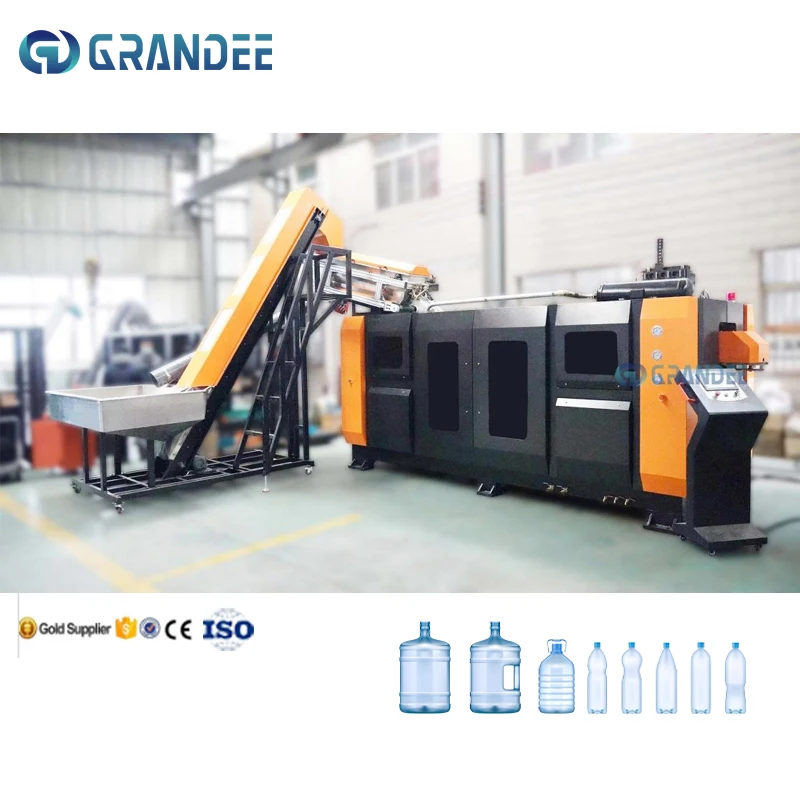
Professional Sourcing Guide: Variable Pitch Bottle Blowing Machine
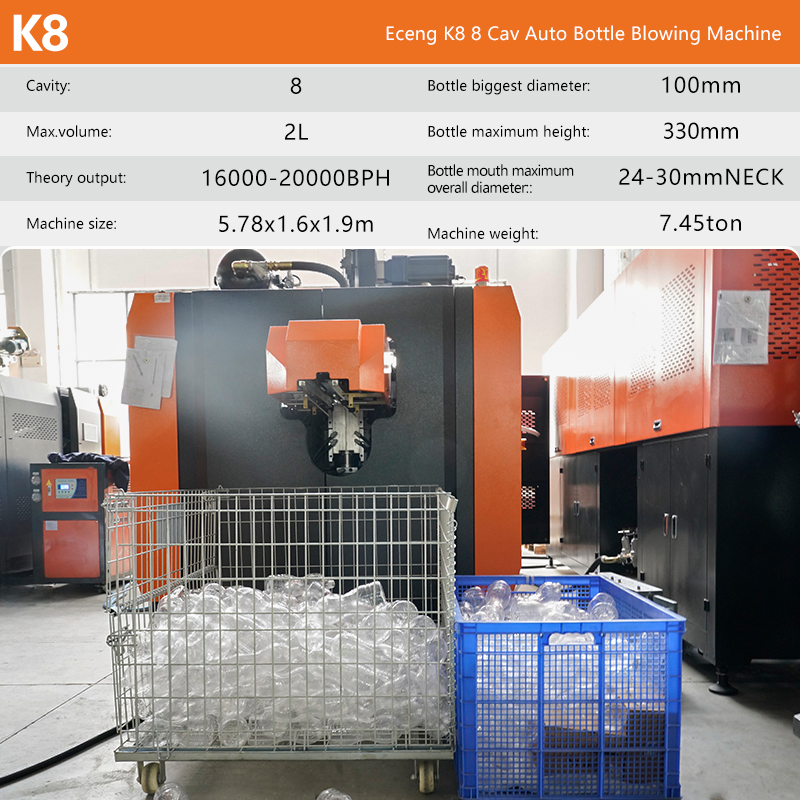
2026 Global Market Trends for Variable Pitch Bottle Blowing Machines: Focus on High-Speed Production, Energy Saving Technologies, and Automation Level
High-Speed Production Driving Market Growth
The global demand for variable pitch bottle blowing machines is projected to rise significantly by 2026, with high-speed production emerging as a dominant trend. Manufacturers across the beverage, pharmaceutical, and personal care industries are increasingly adopting variable pitch systems due to their ability to handle diverse bottle formats on a single production line without extensive mechanical adjustments. This flexibility supports rapid changeovers, minimizing downtime and boosting output.
By 2026, high-speed variable pitch machines are expected to achieve output rates exceeding 50,000 bottles per hour for standard PET containers, thanks to advancements in preform feeding, stretch rod dynamics, and mold clamp speed. Leading OEMs are integrating intelligent control systems that dynamically adjust pitch based on bottle size and production speed, enhancing throughput without sacrificing quality. The shift toward lightweighting in packaging is further accelerating demand for precision high-speed systems capable of maintaining consistency at elevated production rates.
Regional hotspots such as Asia-Pacific—driven by China, India, and Southeast Asia—are leading in installations due to expanding beverage markets and rising urbanization. Meanwhile, North American and European producers are upgrading legacy lines to meet just-in-time manufacturing demands and reduce time-to-market, reinforcing the role of high-speed variable pitch technology in future-ready packaging operations.
Energy Saving Technologies: The Rise of Servo Motor Integration
Energy efficiency has become a critical performance metric for bottle blowing machines, and by 2026, servo motor technology will be a standard feature in variable pitch systems. These machines leverage servo-driven actuators for critical functions such as mold opening/closing, stretch rod movement, and preform handling, replacing traditional hydraulic systems to reduce energy consumption by up to 40%.
Servo motors offer precise control over motion profiles, enabling optimized acceleration and deceleration cycles that minimize power draw during non-productive phases. Additionally, regenerative energy systems are being integrated into servo-driven platforms, capturing and reusing braking energy to further improve efficiency. This aligns with global sustainability mandates and corporate ESG (Environmental, Social, Governance) goals, particularly in Europe and North America, where energy regulations such as the EU Ecodesign Directive are driving adoption.
By 2026, OEMs are expected to offer modular servo solutions that allow users to scale energy-saving capabilities based on production needs. The total cost of ownership (TCO) advantage of servo-based variable pitch machines—lower energy bills, reduced maintenance, and longer component life—is making them increasingly attractive, especially in regions with high electricity costs.
Advancement in Automation Level: Toward Fully Integrated Smart Factories
Automation is transforming the variable pitch bottle blowing machine market, with a clear trajectory toward fully autonomous, data-driven production lines by 2026. Modern systems now feature advanced automation capabilities including robotic preform loading, inline quality inspection (AI-powered vision systems), and real-time process monitoring via IoT-connected sensors.
Key developments include the integration of Industry 4.0 platforms that enable remote diagnostics, predictive maintenance, and production analytics. Variable pitch machines equipped with OPC UA and MQTT protocols allow seamless communication with MES (Manufacturing Execution Systems) and ERP platforms, facilitating end-to-end traceability and adaptive manufacturing. This level of automation reduces reliance on manual intervention, improves operational consistency, and supports lights-out manufacturing in some facilities.
By 2026, leading manufacturers such as Sidel, Krones, and BEGER Plastics will likely offer plug-and-produce automation modules tailored for variable pitch configurations, enabling quick deployment and integration. The convergence of AI and machine learning will further enhance adaptive control—automatically adjusting pitch, blow pressure, and cycle times based on real-time performance data. This evolution positions variable pitch blowing machines as central nodes in smart factory ecosystems, driving efficiency, scalability, and responsiveness in global packaging operations.
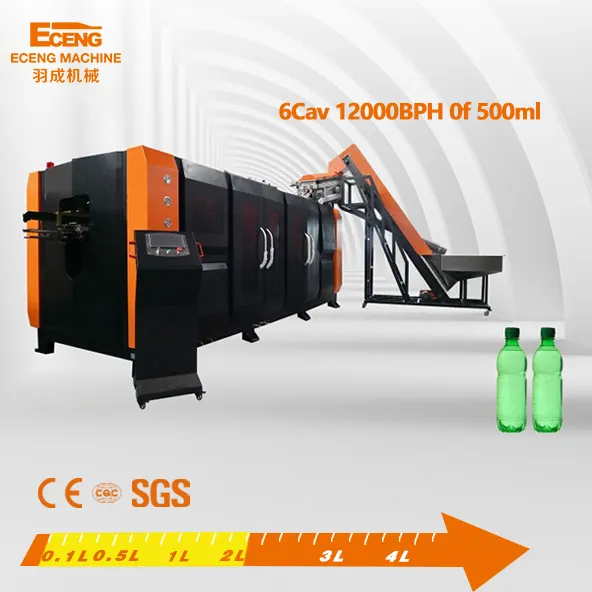
Key Quality Verification Points for Variable Pitch Bottle Blowing Machine Manufacturers
When evaluating a Variable Pitch Bottle Blowing Machine manufacturer, the following critical factors should be thoroughly assessed to ensure reliability, performance, and long-term operational efficiency:
Mold Material (Aluminum vs. Steel)
- Verify Material Specifications: Confirm whether the molds are made from aluminum alloy or steel (such as P20 or H13). Steel molds offer superior durability and longevity, especially for high-volume production, while aluminum molds are lighter and cheaper but wear faster.
- Surface Treatment and Hardness: Check for proper surface treatments (e.g., chrome plating or nitriding) that enhance wear and corrosion resistance, particularly crucial for steel molds.
- Compatibility with Bottle Design: Ensure the mold material supports the required precision and cycle life for your bottle geometry and production volume.
PLC Brand (Siemens vs. Mitsubishi)
- Confirm PLC Model and Version: Request documentation specifying the exact PLC brand and model (e.g., Siemens S7-1200 or Mitsubishi FX series). Reputable brands ensure stable control, easier troubleshooting, and global support.
- Evaluate Control System Integration: Assess how seamlessly the PLC integrates with other machine components (sensors, actuators, HMI) for precise pitch adjustment and process monitoring.
- Check Software and Programming Access: Ensure the manufacturer provides accessible programming interfaces and support for future modifications or diagnostics.
Cycle Time Efficiency
- Request Performance Data: Ask for validated cycle time metrics under standard operating conditions, including preform heating, blowing, and ejection phases.
- Conduct On-Site or Video Testing: If possible, observe a live demonstration or recorded run to verify actual cycle times match quoted specifications.
- Assess Consistency and Repeatability: Evaluate machine performance across multiple cycles to ensure minimal variation, which directly impacts production output and bottle quality.
Spare Parts Availability
- Review Spare Parts List: Obtain a comprehensive list of critical spare parts (seals, valves, sensors, mold components) and verify availability.
- Check Lead Times and Stocking Policy: Inquire about average delivery times and whether the manufacturer maintains regional or global inventory hubs.
- Evaluate After-Sales Support: Confirm the presence of technical support, service agreements, and ease of ordering replacement parts to minimize downtime.
By rigorously verifying these four key areas—mold material, PLC brand, cycle time efficiency, and spare parts availability—you can confidently select a high-quality Variable Pitch Bottle Blowing Machine manufacturer that meets your production requirements and long-term operational goals.
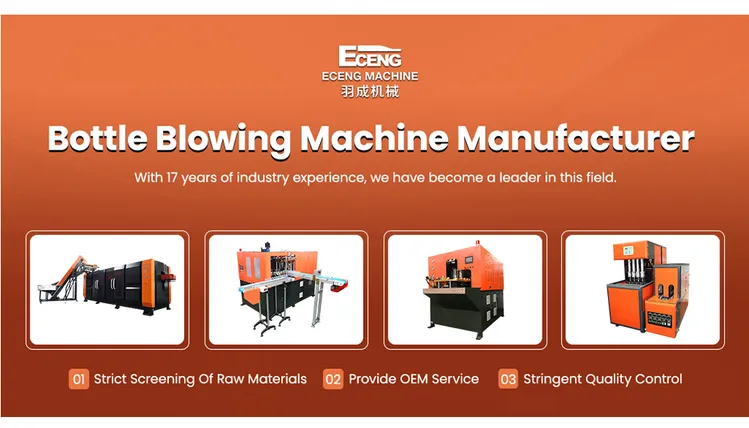
H2: Configuration Guide for Variable Pitch Bottle Blowing Machine
Configuring a variable pitch bottle blowing machine correctly is essential for achieving optimal performance, flexibility, and production efficiency. This guide outlines key considerations for cavity number selection, bottle volume range, preform compatibility, and auxiliary equipment requirements such as compressors and chillers.
H2: Cavity Number Selection
The cavity number determines the machine’s output capacity and should be selected based on production volume, bottle size, and line balance.
- Single Cavity (1-Cavity): Ideal for prototyping, small batches, or specialty bottles. Offers maximum flexibility but lower output.
- 2 to 6 Cavities: Suitable for medium-volume production. Balances output and machine footprint. Commonly used in regional or contract bottling operations.
- 8 to 12 Cavities: Recommended for high-volume production lines (e.g., water, carbonated soft drinks). Maximizes output with efficient use of space and energy.
- Variable Pitch Advantage: Machines with variable pitch allow cavity count adjustment (e.g., 4 to 6 cavities) on the same base platform, enabling production scaling without major retooling.
Selection Criteria:
– Required output (bottles per hour)
– Bottle size and cycle time
– Floor space availability
– Budget and scalability needs
H2: Bottle Volume Range
Variable pitch blowing machines are designed to handle a wide range of bottle volumes, but each configuration has operational limits.
- Typical Range: 0.2L to 5.0L, depending on machine model and mold design.
- Small Bottles (0.2L–1.0L): Require shorter blow cycles and higher precision. Common for water, juice shots, and personal care products.
- Medium Bottles (1.0L–2.5L): Standard for soft drinks and household beverages. Optimize cavity utilization and cycle time.
- Large Bottles (2.5L–5.0L): Used for bulk water or industrial packaging. Demand higher air pressure and longer cooling phases.
Key Factors:
– Mold compatibility and stretch rod size
– Blow pressure and cooling time requirements
– Preform size and wall thickness distribution
H2: Preform Compatibility
Ensure the machine is compatible with the preforms used for your bottles, as preform design directly impacts blowing performance.
- Preform Weight Range: Typically 10g to 60g, depending on bottle size and resin type (e.g., PET).
- Neck Finish Compatibility: Machine must support required neck sizes (e.g., 28mm, 38mm PCO, 1881, etc.) via interchangeable neck molds or modules.
- Preform Loader/Feeder Type: Choose between gravity feed, robotic arm, or vibratory bowl systems based on preform shape and production speed.
- Heating System Compatibility: Verify that the infrared oven can uniformly heat the specific preform geometry (length, wall thickness, color).
Best Practices:
– Use preforms from qualified suppliers with consistent quality
– Conduct preform trials before full-scale production
– Adjust oven temperature profiles for different preform types
H2: Auxiliary Equipment (Compressor/Chiller)
Proper auxiliary equipment is critical for stable and efficient operation of the blowing machine.
Air Compressor Requirements:
– Pressure: 30–40 bar (435–580 psi) for high-pressure blow phase
– Flow Rate: 1.5–3.0 Nm³/min per cavity (varies with bottle size and cycle time)
– Air Quality: ISO 8573-1 Class 1 (oil-free, dry, particle-free) to protect valves and seals
– Recommendation: Use oil-free compressors with refrigerated/desiccant dryers and coalescing filters
Chiller Requirements:
– Cooling Capacity: 3–10 kW per cavity (depends on ambient conditions and bottle size)
– Temperature Range: 5–12°C (41–54°F) for mold cooling
– Flow Rate: 10–30 L/min per cavity
– Water Quality: Deionized or softened water to prevent scaling in cooling channels
– Redundancy: Consider dual-pump systems or backup chillers for continuous operation
Integration Tips:
– Size auxiliary equipment for peak demand, including mold cooling and air drying
– Install pressure regulators and flow meters on each machine
– Use centralized utility systems for multi-machine lines to improve efficiency
By carefully configuring cavity count, bottle volume, preform compatibility, and auxiliary systems, operators can maximize uptime, product quality, and return on investment with a variable pitch bottle blowing machine.
In conclusion, sourcing a variable pitch bottle blowing machine from China presents a compelling opportunity to acquire cost-effective, high-performance equipment for beverage and packaging operations. However, ensuring long-term reliability and operational efficiency hinges on two critical factors: a comprehensive Factory Acceptance Test (FAT) and robust spare parts support.
Conducting a thorough FAT before shipment is essential to verify the machine’s functionality, precision, and compliance with technical specifications and production requirements. This on-site evaluation allows for immediate identification and rectification of any performance issues, ensuring the machine operates at optimal levels upon installation at your facility. Witnessing the FAT in person or through a trusted representative provides confidence in the machine’s quality and the manufacturer’s commitment to excellence.
Equally important is establishing a reliable spare parts supply chain. Due to potential lead times and logistical challenges, partnering with a Chinese supplier that provides comprehensive spare parts packages and maintains readily accessible inventory—either locally or through efficient global logistics—is crucial for minimizing downtime and maintaining continuous production. Prioritizing suppliers who offer long-term technical support and clear spare parts agreements will significantly enhance machine uptime and return on investment.
By emphasizing a stringent FAT process and securing dependable spare parts support, businesses can mitigate risks associated with overseas procurement and fully leverage the advantages of sourcing advanced bottle blowing technology from China.






