
With rising global demand for sustainable packaging and high-speed production, the plastic bottle blowing machine market is undergoing rapid transformation. As industries from beverages to pharmaceuticals prioritize efficiency, precision, and automation, sourcing the right manufacturing partner has become mission-critical. This 2026 audit highlights the top nine plastic bottle blowing machine manufacturers excelling in innovation, reliability, and integrated automation—enabling businesses to meet evolving market demands with scalable, energy-efficient solutions.
أفضل 9 مصنعي ماكينات نفخ الزجاجات البلاستيكية (قائمة مراجعة 2026)
(Ranked by Production Capability & Trust Score)
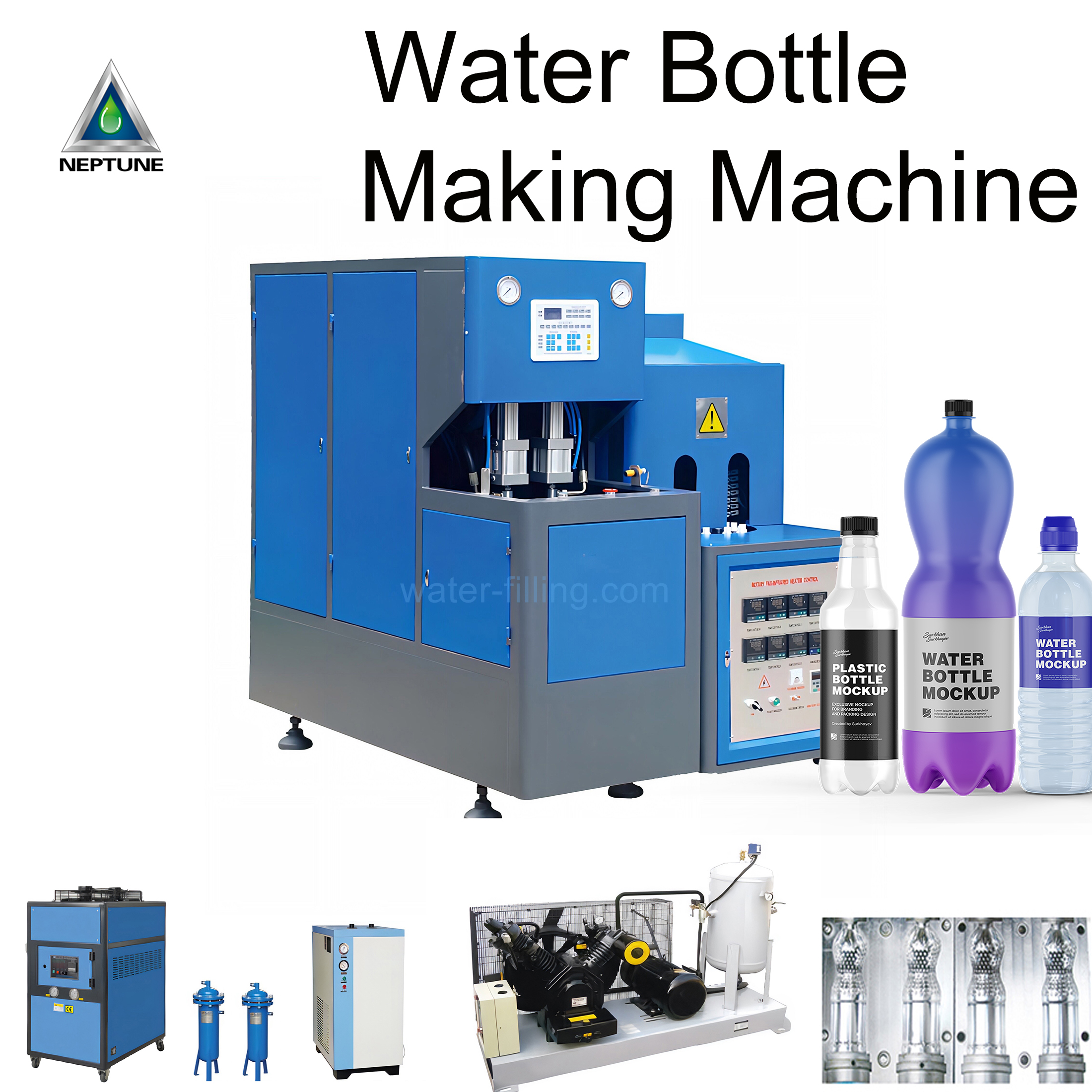
Professional Sourcing Guide: Plastic Bottle Blowing Machine
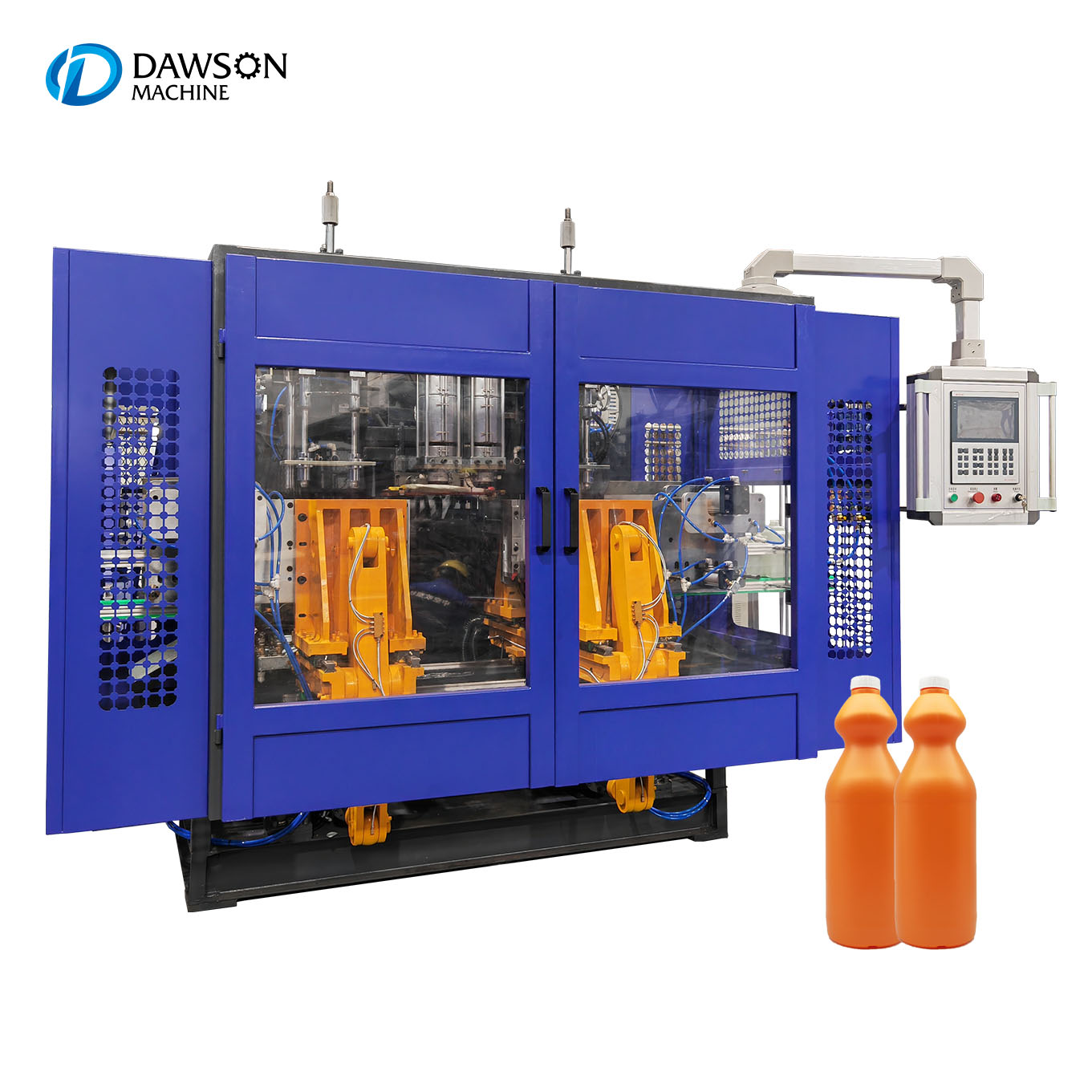
2026 Global Market Trends for Plastic Bottle Blowing Machines: Focus on High-Speed Production, Energy-Saving Technologies, and Automation
High-Speed Production Dominates Market Demand
By 2026, the global plastic bottle blowing machine market is increasingly driven by demand for high-speed production capabilities. As consumer packaged goods (CPG) industries—particularly beverage, pharmaceuticals, and personal care—scale output to meet rising global demand, manufacturers are investing in blowing machines capable of producing over 50,000 bottles per hour. The shift toward high-output systems is especially evident in large-scale bottling plants across Asia-Pacific, North America, and Europe.
Advanced rotary wheel technologies, multilayer preform handling, and optimized heating zones contribute to faster cycle times and improved throughput. Machines equipped with 16- to 48-cavity configurations are becoming standard in industrial settings, reducing per-unit production time and enhancing cost-efficiency. Moreover, demand is growing for modular high-speed systems that allow scalability and rapid changeovers, supporting diverse bottle formats without sacrificing output. As environmental regulations pressure companies to reduce waste and downtime, high-speed machines with precision control are proving essential for optimizing operational efficiency.
Energy-Saving Technologies: Rise of Servo Motor Integration
Energy efficiency has become a critical differentiator in the 2026 plastic bottle blowing machine market, with servo motor technology at the forefront of innovation. Unlike traditional hydraulic systems, servo-driven machines offer precise control over motion, reduce energy consumption by up to 50%, and minimize heat generation. This transition is driven by stricter energy standards, rising electricity costs, and corporate sustainability goals.
Servo motors are now standard in mid- to high-end blowing machines, enabling variable speed operation and dynamic response to production demands. The technology supports regenerative braking, where energy from deceleration is recovered and reused, further enhancing efficiency. Leading manufacturers such as Sidel, Krones, and SIG have integrated full-servo or hybrid servo-hydraulic systems into their 2026 product lines, appealing to environmentally conscious clients and helping reduce total cost of ownership.
Additionally, intelligent energy management systems use real-time data analytics to optimize servo motor performance, adjusting power usage based on production load. These advancements align with global decarbonization efforts and are incentivized by government subsidies in regions like the EU and Japan, accelerating adoption.
Automation Level: Toward Fully Integrated Smart Factories
Automation in plastic bottle blowing machines is rapidly advancing toward full integration with Industry 4.0 principles by 2026. Modern systems feature high levels of automation, including robotic preform loading, automatic mold changing (AMC), in-line quality inspection, and seamless connectivity with upstream and downstream processes such as filling and packaging.
Key trends include the widespread use of IoT-enabled sensors and AI-driven predictive maintenance, reducing unplanned downtime and improving machine uptime. Cloud-based monitoring platforms allow remote diagnostics and performance tracking across global facilities, enabling centralized control for multinational beverage and chemical producers.
Furthermore, human-machine interfaces (HMIs) are evolving into intuitive, touch-based dashboards with augmented reality (AR) support for maintenance and training. Fully automated blowing lines now operate with minimal human intervention, supported by artificial intelligence that adjusts machine parameters in real time for optimal output and quality.
The push for labor cost reduction, especially in high-wage economies, and the need for consistent product quality are accelerating the shift toward end-to-end automation. By 2026, the most competitive plastic bottle blowing machines are not only automated but also part of broader digital manufacturing ecosystems, setting new benchmarks for productivity, traceability, and sustainability.
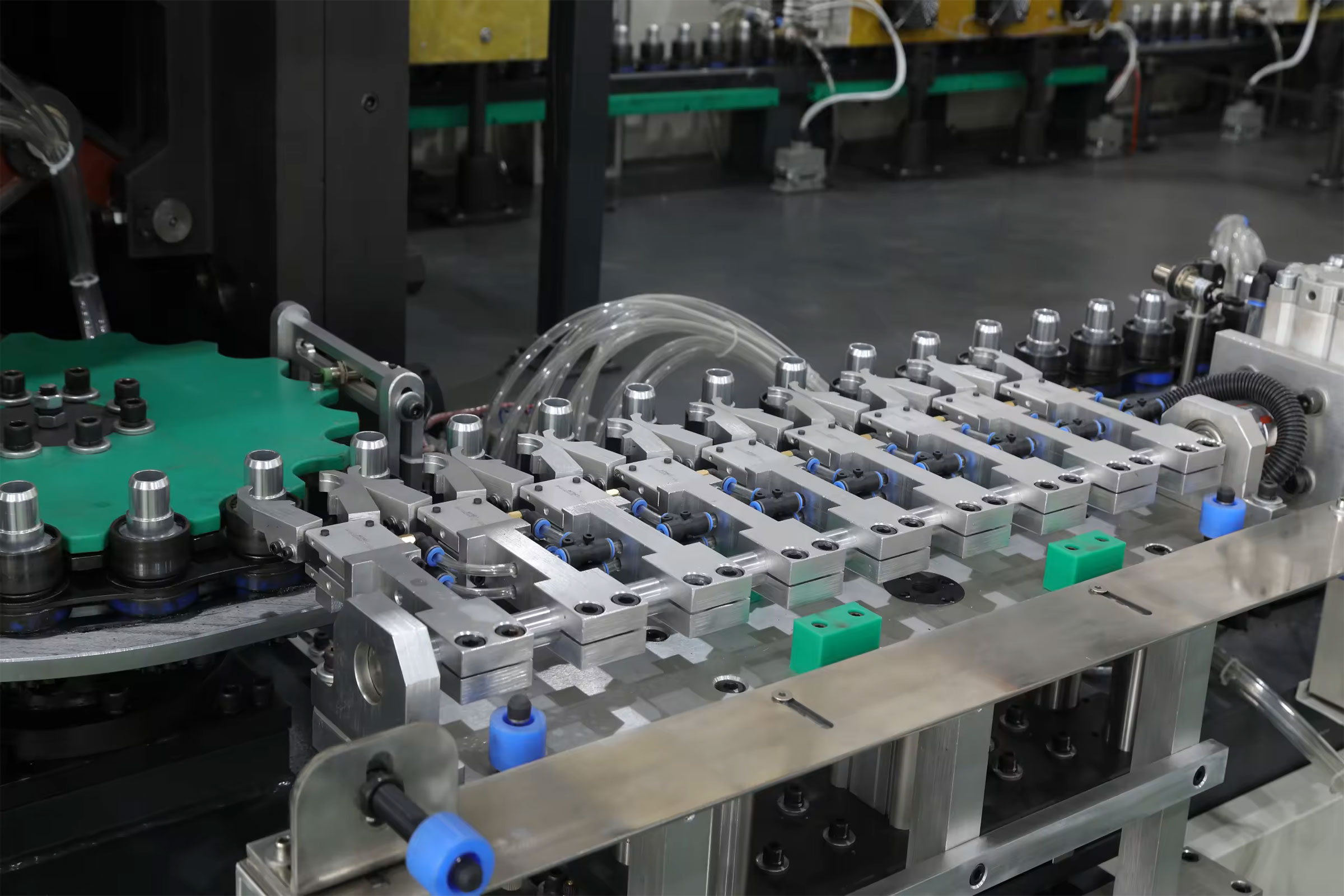
Key Quality Verification Points for Plastic Bottle Blowing Machine Manufacturers
When evaluating a plastic bottle blowing machine manufacturer, assessing the following critical factors ensures long-term performance, reliability, and cost-efficiency:
Mold Material (Aluminum vs. Steel)
- Steel Molds: Preferred for high-volume production due to superior durability, heat resistance, and longer lifespan. Ideal for bottles requiring tight tolerances and consistent quality over millions of cycles.
- Aluminum Molds: Lighter and offer faster heat transfer, beneficial for rapid prototyping or low-to-medium production runs. However, they wear faster and are less suitable for abrasive materials or high-cycle operations.
- Verification Tip: Request mold material specifications and certifications. Confirm whether the mold is made from high-grade tool steel (e.g., P20, H13) and inquire about surface treatments (e.g., chrome plating) for enhanced corrosion and wear resistance.
PLC Brand (Siemens vs. Mitsubishi)
- Siemens PLCs: Known for robust performance, excellent integration capabilities, and strong global support. Widely used in industrial automation for reliability and scalability.
- Mitsubishi PLCs: Offer user-friendly programming, fast processing, and strong performance in high-speed control applications. Popular in Asia and well-supported globally.
- Verification Tip: Confirm the exact PLC model used and ensure it matches genuine Siemens or Mitsubishi series (e.g., Siemens S7-1200, Mitsubishi FX or Q series). Ask for system documentation and verify firmware version and programming interface.
Cycle Time Efficiency
- Measurement: Evaluate machine speed in cycles per hour (CPH) under real operating conditions. Compare manufacturer claims with actual demonstrated performance.
- Factors Affecting Efficiency: Preform heating uniformity, stretch rod speed, high-pressure blow timing, and cooling efficiency. A well-optimized machine should maintain consistent cycle times with minimal variation.
- Verification Tip: Request a live machine demonstration using your specific bottle design. Measure actual output over a sustained period and assess stability, reject rates, and energy consumption per cycle.
Spare Parts Availability
- Critical Components: Ensure timely access to essential spare parts such as sealing rings, O-rings, high-pressure valves, stretch rods, heater bands, and PLC modules.
- Local Support: Verify if the manufacturer or their authorized distributor maintains a regional spare parts inventory. Short lead times reduce downtime.
- Verification Tip: Ask for a complete spare parts list with part numbers and average delivery times. Inquire about service contracts, technical support responsiveness, and availability of training for maintenance personnel.
By thoroughly evaluating these four key areas—mold material, PLC brand, cycle time efficiency, and spare parts availability—you can confidently select a reliable and high-quality plastic bottle blowing machine manufacturer.
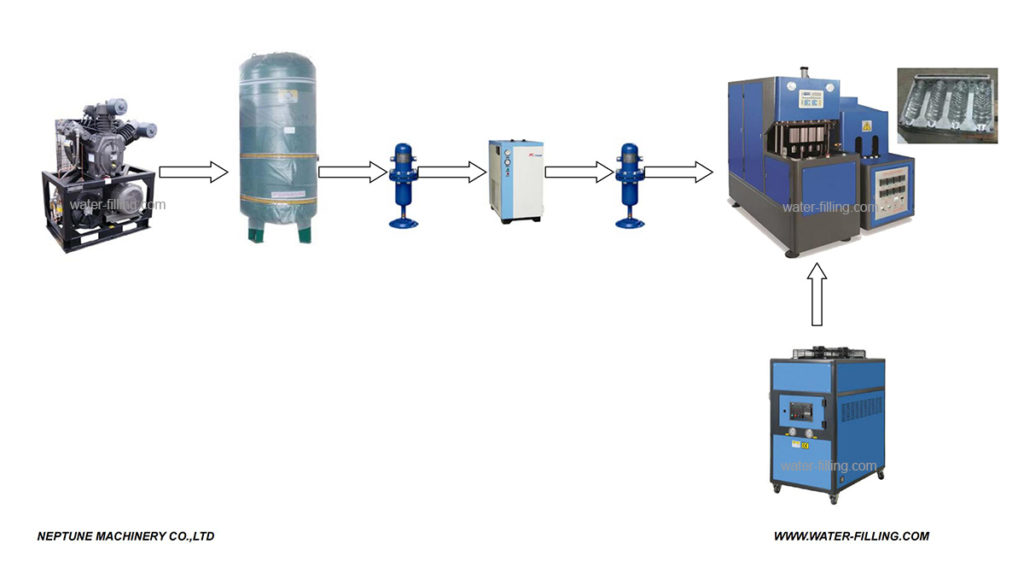
Configuration Guide for Plastic Bottle Blowing Machine
Cavity Number Selection
The cavity number refers to the number of bottles produced per machine cycle and is a key factor in determining production capacity. When selecting the cavity number, consider the following:
- Production Volume Requirements: Higher cavity counts (e.g., 4, 6, 8, 12, or even 24 cavities) are suitable for large-scale production, while lower cavity machines (1–2 cavities) are ideal for small batches or prototyping.
- Bottle Size and Cycle Time: Larger bottles require longer blow cycles, which may limit the practical cavity count due to cooling and mechanical constraints.
- Machine Footprint and Cost: Higher cavity machines require more floor space and have higher initial investment and maintenance costs.
- Flexibility Needs: Lower cavity machines offer greater flexibility for product changeovers and multi-size production runs.
Choose a cavity number that balances output goals, operational efficiency, and budget.
Bottle Volume Range
The blowing machine must be compatible with the desired bottle volume range, typically from 100 ml to 5 liters for standard PET applications.
- Machine Design Limitations: Each model is engineered for a specific volume range. Ensure the selected machine supports your smallest and largest bottle sizes.
- Stretch Rod and Mold Compatibility: The machine’s stretch rod stroke and mold base must accommodate the height and diameter of bottles across the intended volume range.
- Blow Pressure and Timing Adjustments: Machines should allow fine-tuning of blow pressure, pre-blow timing, and exhaust control to optimize performance across different volumes.
- Production Consistency: Operating near the upper or lower limits of the volume range may affect wall thickness distribution and bottle quality.
Verify the machine’s technical specifications to confirm compatibility with your target bottle sizes.
Preform Compatibility
Preform compatibility ensures the machine can properly heat, grip, and blow the specific preforms used in production.
- Preform Neck Finish: The machine’s mold and handling system must match the preform’s neck finish (e.g., 28mm PCO, 38mm, 1881, etc.).
- Preform Dimensions: Confirm compatibility with preform length, diameter, and weight. Mismatches can lead to improper loading, heating, or sealing.
- Heating System Compatibility: The oven must evenly heat the specific preform material (usually PET) and wall thickness. Adjustable lamp zones and rotation control are essential for uniform heating.
- Material Type: While most machines are designed for PET, verify compatibility if using recycled PET (rPET), PLA, or other materials that may have different thermal properties.
Always consult with the machine manufacturer when changing preform types or suppliers.
Auxiliary Equipment (Compressor/Chiller)
Auxiliary equipment is critical for stable and efficient operation of the blowing machine.
ضاغط الهواء
– Capacity Requirement: Typically requires oil-free compressors with a minimum pressure of 30–40 bar and sufficient CFM to support the number of cavities and blow cycles per minute.
– Air Quality: Use dry, oil-free air to prevent contamination of bottles and damage to valves and seals.
– Storage and Piping: Include air receivers and properly sized piping to maintain consistent pressure during peak demand.
Chiller Unit
– Cooling Capacity: Required to cool molds and high-pressure compressors. Capacity should match the machine’s heat load (usually 1–10 RT, depending on cavity count and cycle speed).
– Temperature Control: Maintain mold temperature between 8°C and 15°C for optimal crystallization and cycle time.
– Water Quality and Flow: Use filtered, low-conductivity water to prevent scaling and ensure consistent flow through the mold circuits.
Ensure auxiliary equipment is properly sized, maintained, and synchronized with the blowing machine for reliable performance.
In conclusion, sourcing a plastic bottle blowing machine from China offers a compelling combination of cost-efficiency, advanced technology, and scalable manufacturing capabilities. However, to ensure long-term operational success and minimize downtime, it is essential to prioritize key factors such as the Factory Acceptance Test (FAT) and comprehensive spare parts support. Conducting a thorough FAT before shipment allows buyers to verify the machine’s performance, automation integration, and compliance with technical specifications under real operating conditions—ensuring reliability and quality from day one. Equally important is establishing a clear agreement with the supplier on readily available spare parts, technical documentation, and responsive after-sales service. A reliable Chinese manufacturer that provides robust FAT procedures and sustained spare parts availability not only mitigates risks but also enhances production continuity and return on investment. By focusing on these critical elements, businesses can confidently leverage China’s manufacturing expertise while securing a dependable and efficient bottling solution for years to come.






