
As global demand for sustainable packaging and high-speed bottling solutions continues to rise, manufacturers are increasingly prioritizing automation, energy efficiency, and precision in their production lines. In 2026, the plastic bottle blowing machine market reflects this shift, with buyers seeking reliable suppliers that combine innovative technology with competitive pricing. This B2B sourcing guide identifies the top seven manufacturers leading the industry in performance, scalability, and cost-efficiency—forming a critical audit list for procurement professionals navigating today’s competitive landscape.
أفضل 7 شركات مصنعة لأسعار ماكينات نفخ الزجاجات البلاستيكية (قائمة مراجعة 2026)
(Ranked by Production Capability & Trust Score)
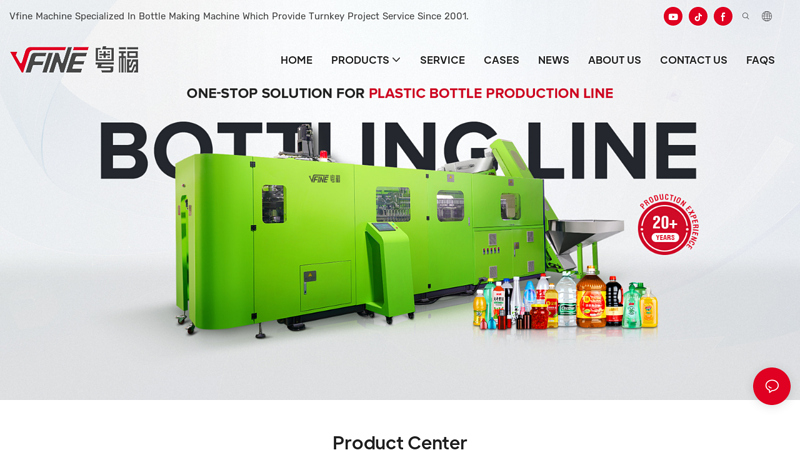
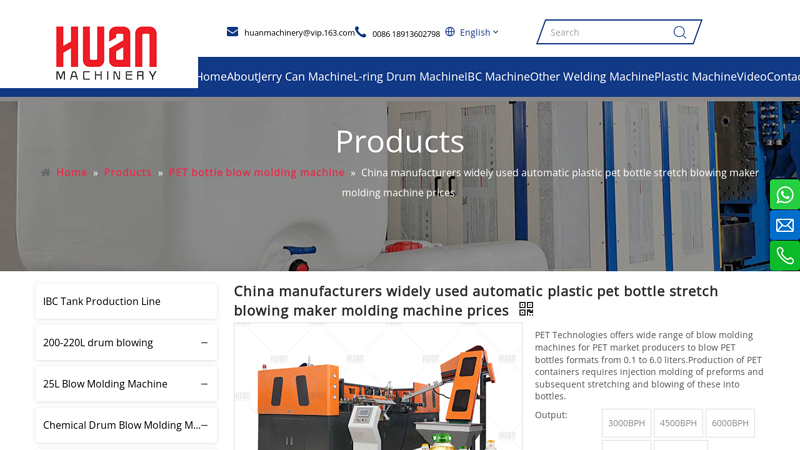
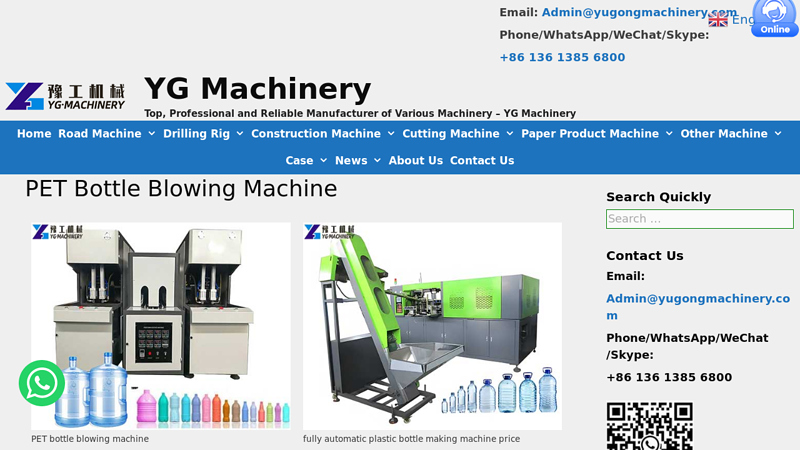

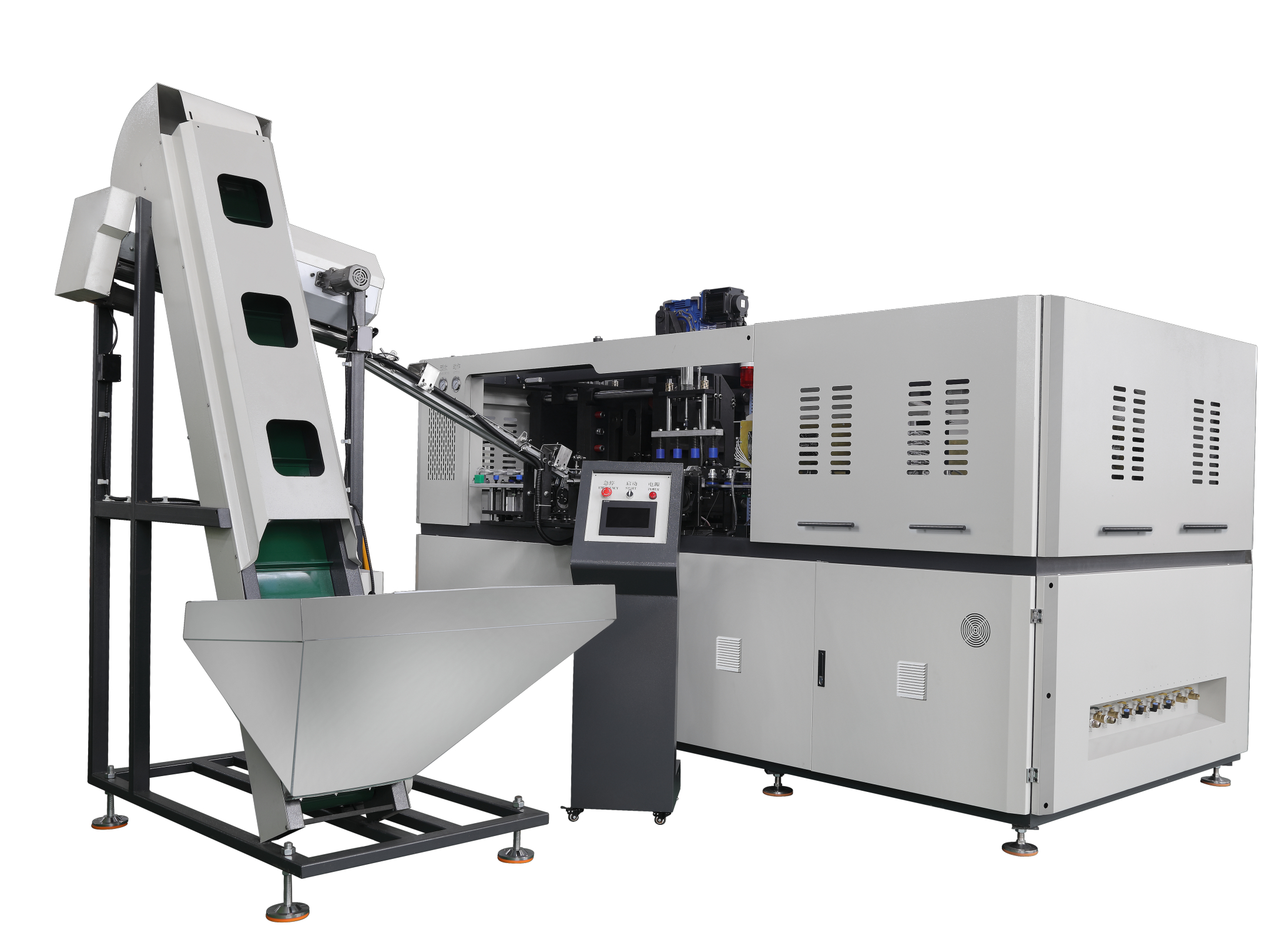
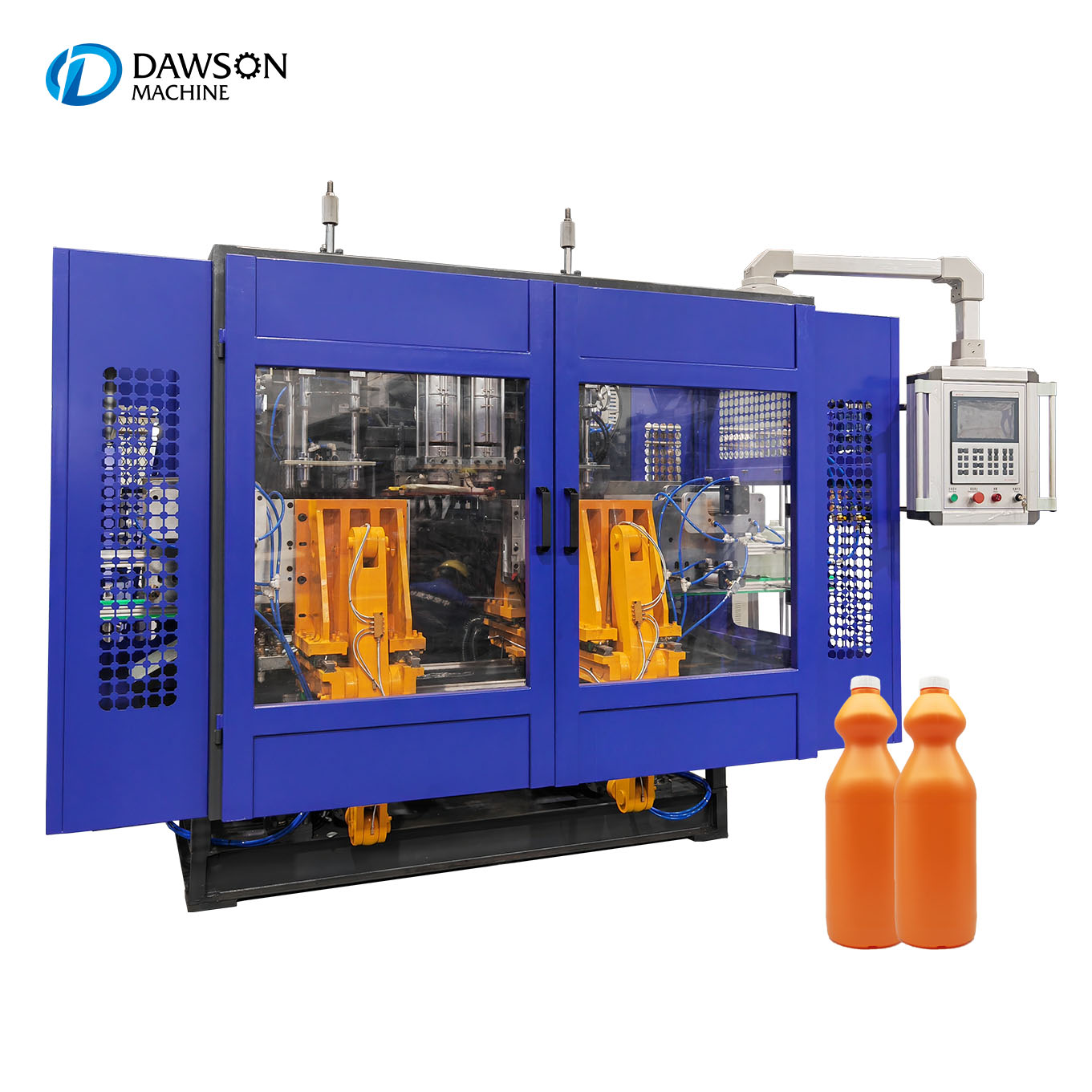
Professional Sourcing Guide: Plastic Bottle Blowing Machine Price
2026 Global Market Trends for Plastic Bottle Blowing Machine Price: Focus on High-Speed Production, Energy-Saving Technologies, and Automation Level
The global plastic bottle blowing machine market is undergoing a significant transformation driven by technological advancements, sustainability demands, and evolving consumer behaviors. By 2026, key factors such as high-speed production capabilities, energy-saving technologies (notably servo motors), and increased automation levels are expected to reshape pricing dynamics, competitiveness, and investment strategies across the industry.
High-Speed Production: Driving Efficiency and Influencing Machine Costs
High-speed production has become a critical benchmark in the plastic bottle manufacturing sector, particularly in response to the growing demand from beverage, pharmaceutical, and personal care industries. By 2026, blowing machines capable of producing over 20,000 bottles per hour are expected to dominate premium market segments.
These high-speed machines utilize advanced stretch rod systems, optimized preform heating zones, and rapid cooling mechanisms to minimize cycle times. The integration of multi-cavity molds—up to 16 or even 24 cavities in some models—further amplifies output. As a result, manufacturers are willing to pay a premium for machines that offer higher throughput and lower per-unit production costs.
However, this push for speed directly influences machine pricing. High-speed models require precision engineering, reinforced mechanical components, and advanced control systems, all of which elevate initial investment. OEMs such as SIPA, Krones, and Sidel are leading this segment, commanding higher prices—often 20% to 35% more than standard models—for their high-output machines. By 2026, it is projected that high-speed systems will account for over 45% of new machine sales in developed markets, contributing to an upward pressure on average machine prices.
Energy-Saving Technologies: Servo Motors and Their Impact on Pricing and ROI
Energy efficiency has emerged as a critical differentiator in the blowing machine market, with servo motor technology playing a central role. Unlike traditional hydraulic systems, servo-driven machines use electric motors to power clamping, blowing, and ejection mechanisms, resulting in energy savings of up to 40–60%.
The adoption of servo motors reduces operational costs, heat generation, and maintenance requirements, making them increasingly attractive to cost-conscious and environmentally responsible manufacturers. In regions with high electricity costs—such as Western Europe and Japan—servo-electric machines are rapidly replacing hydraulic models.
From a pricing perspective, servo-based blowing machines currently command a 15% to 25% premium over their hydraulic counterparts. However, this price gap is narrowing due to economies of scale, improved component sourcing, and competitive pressure. By 2026, the widespread integration of servo technology is expected to become standard in mid- to high-end machines, effectively redefining the baseline for machine pricing.
Additionally, governments and regulatory bodies are introducing stricter energy efficiency standards (e.g., EU Ecodesign Directive), further incentivizing the shift to servo systems. As compliance becomes mandatory, manufacturers unable to upgrade may face operational penalties, reinforcing the value proposition of energy-saving technologies and supporting premium pricing for advanced models.
Automation Level: Smart Integration and Its Effect on Machine Valuation
Automation is transforming plastic bottle blowing from a labor-intensive process into a highly integrated, data-driven operation. By 2026, the level of automation will be a primary determinant of machine pricing, with fully automated systems incorporating robotics, real-time monitoring, predictive maintenance, and Industry 4.0 connectivity.
Modern blowing machines are increasingly equipped with IoT-enabled sensors, SCADA systems, and AI-based analytics that optimize performance, reduce downtime, and improve quality control. Automated material handling, preform feeding, and bottle inspection systems minimize human intervention and enhance production consistency.
These high-automation systems not only improve operational efficiency but also justify higher price points. Fully automated blowing lines can cost 30% to 50% more than semi-automated ones. However, the return on investment (ROI) is compelling—reduced labor costs, lower defect rates, and increased uptime contribute to long-term savings.
Asian manufacturers, particularly from China and India, are rapidly closing the technology gap by offering mid-tier automated machines at competitive prices. This trend is intensifying global competition and moderating price increases, even as functionality advances. Nonetheless, premium automation packages from German, Italian, and Japanese OEMs will continue to command top-tier pricing, especially in industries requiring high precision, such as pharmaceuticals and premium beverages.
Conclusion
By 2026, the global plastic bottle blowing machine market will be characterized by a convergence of high-speed production, energy-efficient servo technologies, and advanced automation. These factors will collectively influence machine pricing, pushing the average cost upward for high-performance systems while increasing the value proposition through operational savings and sustainability benefits.
While competition and regional manufacturing capabilities may moderate price growth in emerging markets, the overall pricing trend for advanced machines is expected to rise steadily. Manufacturers investing in next-generation blowing technology will not only enhance productivity but also gain a strategic advantage in an increasingly competitive and regulated global marketplace.
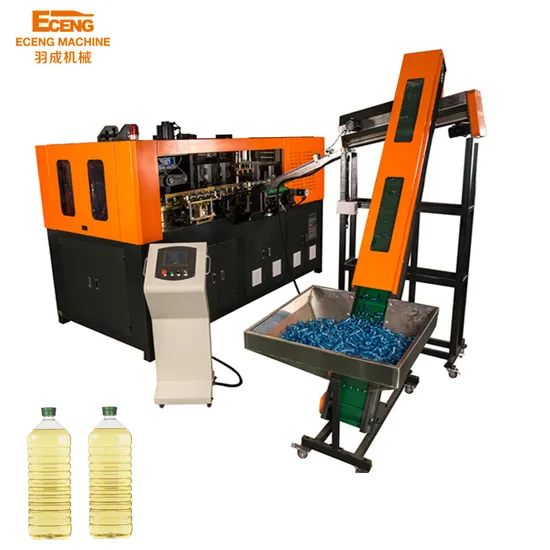
Key Quality Verification Points for Plastic Bottle Blowing Machine Manufacturers
When evaluating the quality and reliability of a plastic bottle blowing machine manufacturer—especially in relation to pricing—it’s essential to go beyond the initial cost and assess critical technical and operational factors. Below are the key check points to ensure you receive a durable, efficient, and serviceable machine.
Mold Material (Aluminum vs. Steel)
- Steel Molds: High-quality manufacturers typically use hardened steel molds (e.g., P20, 420 stainless steel) for better durability, heat resistance, and longer service life—especially important for high-volume production. Verify the specific grade and surface treatment (e.g., chrome plating).
- Aluminum Molds: While lighter and faster in heat transfer, aluminum molds wear faster and are generally suitable only for low-volume or prototype runs. Avoid if planning long production cycles.
- Check: Request mold material certification and inspect sample molds for surface finish and structural integrity. Prefer steel for industrial-grade machines.
PLC Brand (Siemens vs. Mitsubishi)
- Reputable PLCs: Leading brands like سيمنز and Mitsubishi offer stable performance, precise control, and excellent after-sales support. These are indicators of a high-quality control system.
- Red Flags: Be cautious of machines using generic or unbranded PLCs, which may lead to instability, poor diagnostics, and difficulty in troubleshooting.
- Check: Confirm the exact model and origin of the PLC during factory inspection. Ask for software interface demonstrations and check for availability of local technical support.
Cycle Time Efficiency
- Performance Benchmarking: High-efficiency machines achieve consistent cycle times (e.g., 8–12 seconds per bottle, depending on size and output). Lower cycle times directly impact productivity and cost per unit.
- Energy & Air Consumption: Efficient machines optimize compressed air usage (crucial in stretch blow molding) and reduce energy waste.
- Check: Request live production tests with your bottle design. Measure actual output over a sustained period and compare against manufacturer claims. Evaluate stability and rejection rate during the test run.
Spare Parts Availability and Support
- Local Inventory: Reliable manufacturers maintain a stock of critical spare parts (seals, valves, heating components, molds) either locally or through regional distributors.
- Lead Time: Confirm average delivery time for common replacements. Delays can halt production and increase downtime costs.
- Documentation & Training: Quality suppliers provide comprehensive manuals, part numbering systems, and operator training.
- Check: Ask for a spare parts catalog with pricing and availability. Inquire about service contracts and response time for technical support.
By thoroughly evaluating these four areas—mold material, PLC brand, cycle time efficiency, and spare parts availability—you can accurately assess whether a plastic bottle blowing machine offers true value for its price and avoid long-term operational risks.
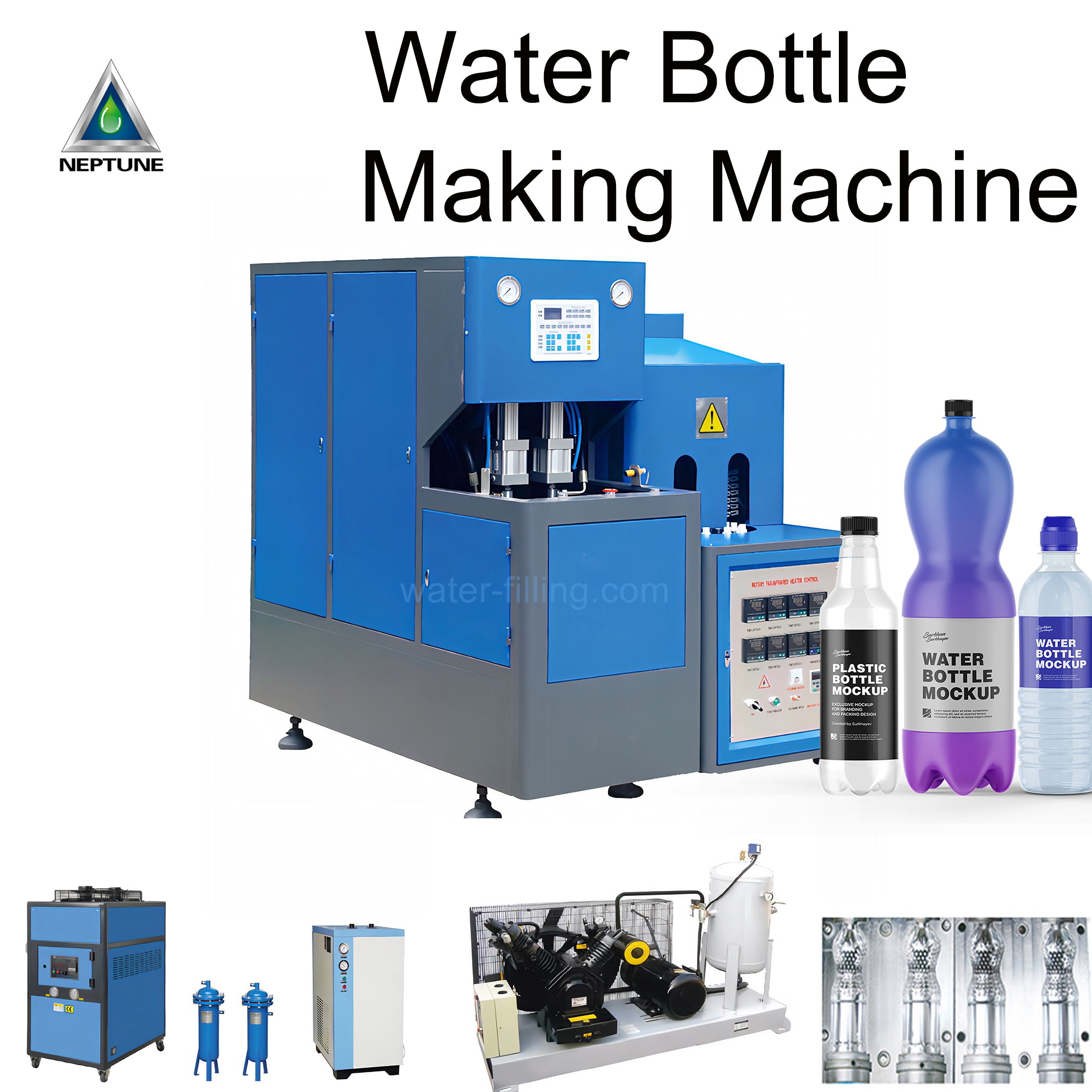
Configuration Guide for Plastic Bottle Blowing Machine: Key Selection Criteria
When investing in a plastic bottle blowing machine, selecting the right configuration is crucial for ensuring optimal performance, efficiency, and return on investment. Below are the primary factors to consider during the configuration process.
Cavity Number Selection
The cavity number refers to how many bottles the machine can produce simultaneously in one cycle. This directly impacts production capacity and cost efficiency.
- Low-Volume Production (1–2 Cavities): Suitable for small businesses or startups with limited output needs. Offers lower initial investment and easier maintenance.
- Medium-Volume Production (4–6 Cavities): Ideal for growing businesses requiring higher output without excessive floor space or energy consumption.
- High-Volume Production (8–12+ Cavities): Designed for large-scale manufacturing. Maximizes output but requires substantial investment and robust auxiliary systems.
Tip: Match the cavity count to your production goals, space availability, and budget. Over-sizing can lead to idle capacity, while under-sizing may limit growth.
Bottle Volume Range
Ensure the blowing machine can handle the full range of bottle sizes you intend to produce.
- Standard Range: Most machines support volumes from 100ml to 2000ml.
- Specialized Machines: Some models are optimized for either small (e.g., 50–500ml) or large (e.g., 1–5L) bottles.
- Adjustability: Verify if the machine allows quick changeovers between different bottle volumes using interchangeable molds and adjustable stretch rods.
Note: Machines with a wider volume range offer greater flexibility but may compromise on precision at extreme ends.
Preform Compatibility
The machine must be compatible with the type and size of preforms used in your production line.
- Preform Neck Finish: Confirm compatibility with your preform’s neck specifications (e.g., 28mm, 38mm PCO, or threaded finishes).
- Preform Material: Most machines work with PET preforms, but verify resin grade suitability (e.g., standard PET, recycled PET, or heat-resistant).
- Preform Dimensions: Ensure the preform loader and heating system can accommodate your preform’s length, diameter, and weight.
Recommendation: Choose a machine with modular preform handling systems to support future product diversification.
Auxiliary Equipment: Compressor and Chiller
Reliable auxiliary systems are essential for consistent machine operation and bottle quality.
ضاغط الهواء
- Purpose: Supplies high-pressure air (typically 25–40 bar) for bottle blowing.
- Capacity: Required air flow depends on cavity number and cycle time. A general rule is 0.4–0.6 m³/min per cavity.
- Type: Oil-free compressors are recommended to prevent contamination of the blow air.
Chiller
- Purpose: Cools molds to ensure uniform bottle formation and reduce cycle time.
- Capacity: Typically 1–2 kW per cavity. Larger machines may require centralized chilling units.
- Temperature Control: Precision chillers maintain mold temperature within ±1°C for consistent cooling.
Best Practice: Size auxiliary equipment with a 20% safety margin to handle peak demand and ensure long-term reliability.
By carefully evaluating cavity number, bottle volume range, preform compatibility, and auxiliary equipment requirements, you can configure a plastic bottle blowing machine that meets your production needs efficiently and cost-effectively.
In conclusion, sourcing a plastic bottle blowing machine from China presents a compelling combination of cost-efficiency and access to advanced manufacturing technology. However, to ensure long-term operational success and minimize downtime, it is essential to prioritize suppliers who offer a comprehensive Factory Acceptance Test (FAT) and robust spare parts support. The FAT process serves as a critical validation step, allowing buyers to verify machine performance, quality, and compliance with technical specifications before shipment—providing confidence in reliability and reducing post-installation issues. Equally important is a reliable spare parts supply chain, which ensures quick replacements and sustained production efficiency over the machine’s lifecycle. By partnering with reputable Chinese manufacturers that emphasize transparent FAT procedures and readily available spare parts, businesses can maximize uptime, reduce maintenance costs, and achieve a strong return on investment. Ultimately, a well-vetted supplier with strong after-sales support is key to a successful and sustainable sourcing strategy.






