
As global demand for efficient, high-output bottling solutions continues to rise, manufacturers are increasingly prioritizing automation to enhance productivity, reduce labor costs, and ensure consistent quality. In response, fully automatic plastic bottle making machines have become essential across industries—from beverage and pharmaceuticals to personal care and household chemicals. With technological advancements accelerating and sustainability concerns shaping investment decisions, sourcing the right machinery partner is more critical than ever. This 2026 audit identifies the top six manufacturers leading the market in performance, innovation, and competitive pricing—helping procurement professionals make informed, strategic decisions in a rapidly evolving landscape.
أعلى 6 مصنعي أسعار ماكينات صنع الزجاجات البلاستيكية الأوتوماتيكية بالكامل (قائمة مراجعة 2026)
(Ranked by Production Capability & Trust Score)
Professional Sourcing Guide: Fully Automatic Plastic Bottle Making Machine Price
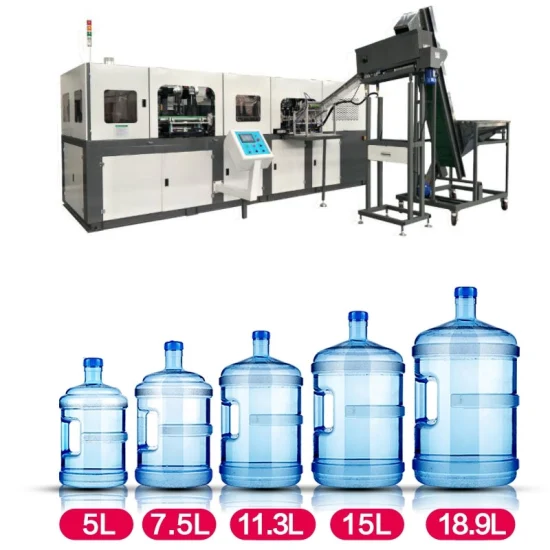
2026 Global Market Trends for Fully Automatic Plastic Bottle Making Machine Prices: High Speed, Energy Efficiency, and Automation
By 2026, the global market for Fully Automatic Plastic Bottle Making Machines (specifically stretch blow molding machines – SBMs) is poised for significant transformation, driven by intense competition, evolving consumer demands, and technological advancements. Price trends for these machines will be heavily influenced by three interconnected factors: the relentless pursuit of High-Speed Production, the critical adoption of Energy-Saving Technologies (notably Servo Motors), and the increasing Automation Level. These factors are not isolated; they converge to define machine value, efficiency, and ultimately, their cost structure.
H2: High Speed Production: The Primary Driver of Value and Cost
The demand for higher output per machine hour remains the paramount concern for bottlers across beverages, pharmaceuticals, and household products. This focus directly impacts machine pricing in 2026:
- Premium for Speed: Machines capable of 2,000+ bottles per hour (bph) for standard PET bottles, and exceeding 4,000 bph for high-speed lines, command significant price premiums. The engineering complexity, robust construction (higher-grade materials, advanced cooling systems), and precision control required to achieve and maintain these speeds without compromising quality inherently increase manufacturing costs, reflected in the selling price.
- Speed as a Cost-Per-Unit Driver: While the initial machine cost is higher, the primary justification is the dramatic reduction in cost per bottle. High-speed machines (e.g., 12-24 cavities running at 3000+ bph) spread fixed costs (depreciation, labor, overhead) over vastly more units. This makes the higher upfront price increasingly justifiable for high-volume producers, pushing demand towards these premium machines and supporting their price points.
- Technology Integration: Achieving high speeds reliably requires integration of advanced technologies like high-frequency stretch rods, optimized preform heating systems (often IR with better control), and rapid mold opening/closing mechanisms. These integrated systems contribute to the overall machine cost but are essential for performance, preventing the market from seeing significant price reductions for equivalent high-speed capabilities.
- Market Segmentation: The high-speed segment (typically 10-cavity and above, >2000 bph) will see prices remain relatively stable or experience moderate increases (2-4% CAGR) due to sustained demand and technological refinement costs. Conversely, the lower-speed segment (<1000 bph) may see slight price erosion due to competition, especially from regional manufacturers, but will represent a shrinking share of the high-value market.
H2: Energy Saving Technologies (Servo Motors): From Differentiator to Necessity, Impacting Price Structure
Energy consumption is a major operational cost and a critical environmental factor. Servo motor technology has transitioned from an optional feature to a core requirement, fundamentally altering the price-value equation:
- Servo Motors as Standard: By 2026, servo-driven systems (for clamping, stretching, blowing, ejection) will be the de facto standard on new high-speed machines from major OEMs. Machines using older hydraulic systems will be increasingly seen as obsolete and inefficient, potentially commanding lower prices but struggling to find buyers focused on TCO and sustainability.
- Energy Savings Justify Cost: Servo motors offer 30-50% energy savings compared to hydraulic systems. This translates directly to lower operational expenditure (OpEx). While the initial investment for a servo machine is 10-20% higher than a comparable hydraulic machine (when such comparisons were relevant), the rapid payback period (often 1-3 years) makes the higher initial price a sound investment. This strong ROI prevents significant price reductions for servo machines despite the technology maturing.
- Beyond Motors: Holistic Efficiency: Energy savings extend beyond servos. 2026 machines will integrate:
- Advanced Preform Heating: IR ovens with precise zone control and reflective optimization minimize heat loss.
- Compressed Air Recovery Systems: Capturing and reusing high-pressure air from the blow cycle.
- Process Optimization Software: AI-driven systems optimizing cycle times and energy use in real-time.
- Price Impact: The cost of integrating these advanced energy-saving features contributes to the overall machine price. However, the market values this efficiency highly. Machines boasting superior energy ratings (e.g., meeting ISO 50001 or specific OEM efficiency standards) will maintain or even command premium prices. Price competition will focus on efficiency per dollar spent, not just the lowest sticker price.
H2: Automation Level: Elevating Value and Shifting Price Dynamics
Automation is no longer limited to the molding process itself. The trend is towards fully integrated, lights-out production cells, significantly impacting machine pricing and functionality:
- Beyond the SBM: The “machine” price increasingly encompasses integrated automation solutions:
- Preform Handling: Robotic or automated guided vehicle (AGV) delivery from dryers to the SBM loader.
- Bottle Handling: Robotic pick-and-place units for removing bottles, integrated leak testing, visual inspection systems (using AI/ML), and automated packing (case packers, palletizers).
- Process Control & Monitoring: Advanced SCADA systems, IIoT connectivity for predictive maintenance, remote monitoring, and production data analytics.
- Value-Based Pricing: The price reflects the total solution value – reduced labor costs (up to 70% reduction in line operators), improved consistency, reduced contamination risk, minimized waste, and enhanced traceability. A highly automated line has a much higher initial cost than a standalone SBM, but the ROI on labor savings, quality, and uptime is compelling.
- Software and Intelligence Premium: The cost of sophisticated control software, AI-driven quality inspection, and cloud-based monitoring platforms adds a significant software component to the total price. This “intelligence premium” is growing.
- Customization Cost: High-level automation often requires significant customization to integrate with existing factory infrastructure (conveyors, MES/ERP systems), adding engineering and integration costs to the base machine price. Standardized automation modules offered by OEMs may offer cost advantages.
- Impact on Entry-Level Machines: While high-end lines see prices rise with automation, the market for basic fully automatic machines (high-speed servo SBM alone, without extensive robotics) may see more competitive pricing from OEMs trying to capture market share, potentially putting downward pressure on the lower end of the core machine segment, though still with higher base costs due to servo tech.
Conclusion
The 2026 price landscape for Fully Automatic Plastic Bottle Making Machines will be characterized by a value-driven premium for integrated performance. Expect:
- Stable to Moderately Rising Prices for Core High-Performance Machines: High-speed, servo-driven SBMs will maintain their price points due to their critical role in reducing cost-per-bottle and meeting sustainability goals. Price competition will emphasize efficiency and reliability, not just initial cost.
- Significant Premium for Advanced Automation: Fully integrated lines with robotics, AI inspection, and IIoT connectivity will represent the high end of the market, priced significantly above standalone machines, justified by dramatic reductions in labor and quality costs.
- Energy Efficiency as a Non-Negotiable Cost Component: The cost of servo motors and other energy-saving tech is embedded in the baseline price of competitive machines. Machines lacking these features will be non-competitive, regardless of a lower initial price tag.
- Focus on TCO (Total Cost of Ownership): Buyers will evaluate machines based on speed, energy consumption, automation benefits, maintenance costs, and uptime. The lowest initial price will be less attractive than a slightly higher-priced machine offering superior TCO through speed, efficiency, and automation.
Manufacturers will need to clearly articulate the ROI of their machines’ speed, energy savings, and automation level to justify prices in this increasingly sophisticated and value-conscious market.
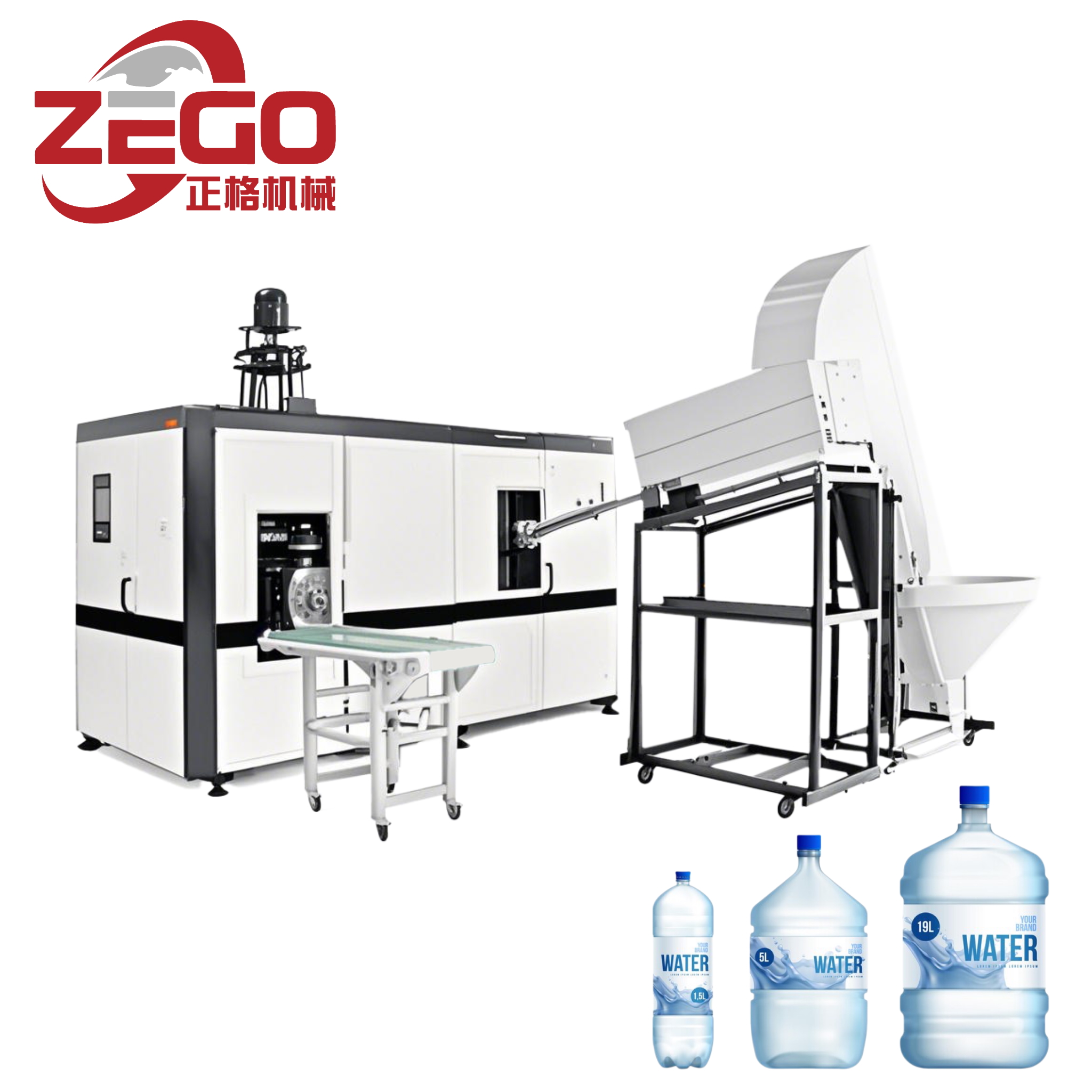
How to Verify Quality for a Fully Automatic Plastic Bottle Making Machine Manufacturer
When evaluating a manufacturer of fully automatic plastic bottle making machines, especially considering price, it’s essential to go beyond cost and focus on key quality indicators. Below are the critical check points to ensure you select a reliable and high-performing machine.
Mold Material (Aluminum vs. Steel)
The mold material directly impacts the durability, precision, and lifespan of the machine.
- Steel Molds: Preferred for high-volume production due to superior hardness, wear resistance, and longer service life. Ideal for PET bottle manufacturing where precision and consistency are crucial.
- Aluminum Molds: Lighter and cheaper but less durable. Suitable for prototyping or low-volume runs; not recommended for continuous industrial use.
- Verification Tip: Request material certification (e.g., P20, H13 tool steel) and inspect sample molds. Ensure the manufacturer uses hardened steel with proper heat treatment.
PLC Brand (Siemens vs. Mitsubishi)
The Programmable Logic Controller (PLC) governs machine automation, stability, and ease of operation.
- Siemens PLC: Known for reliability, global service support, and user-friendly programming. Offers excellent integration with HMI and sensors.
- Mitsubishi PLC: Also highly reliable with strong performance in industrial automation; widely used in Asia.
- Verification Tip: Confirm the exact PLC model in the quote (e.g., Siemens S7-1200, Mitsubishi FX5U). Avoid generic or unbranded PLCs, which may lead to maintenance and compatibility issues.
Cycle Time Efficiency
Cycle time determines production output and energy efficiency—critical for ROI.
- A high-quality machine should offer consistent cycle times (e.g., 8–12 seconds per bottle for standard 500ml PET bottles, depending on configuration).
- Shorter cycle times must not compromise bottle quality (e.g., wall thickness, clarity).
- Verification Tip: Request a live demonstration or video showing actual production runs. Ask for cycle time data under continuous operation and verify energy consumption per cycle.
Spare Parts Availability
Downtime can be costly; spare parts must be readily accessible.
- Reputable manufacturers stock critical spare parts (e.g., heaters, molds, seals, sensors) and provide a detailed parts list.
- Check if the supplier offers a minimum 1-year supply of common wear parts and has a responsive after-sales service network.
- Verification Tip: Ask for a spare parts catalog and inquire about lead times for key components. Prefer suppliers with local or regional service centers.
By thoroughly assessing these four points—Mold Material, PLC Brand, Cycle Time Efficiency, and Spare Parts Availability—you can confidently verify the quality of a fully automatic plastic bottle making machine manufacturer and ensure long-term operational success.
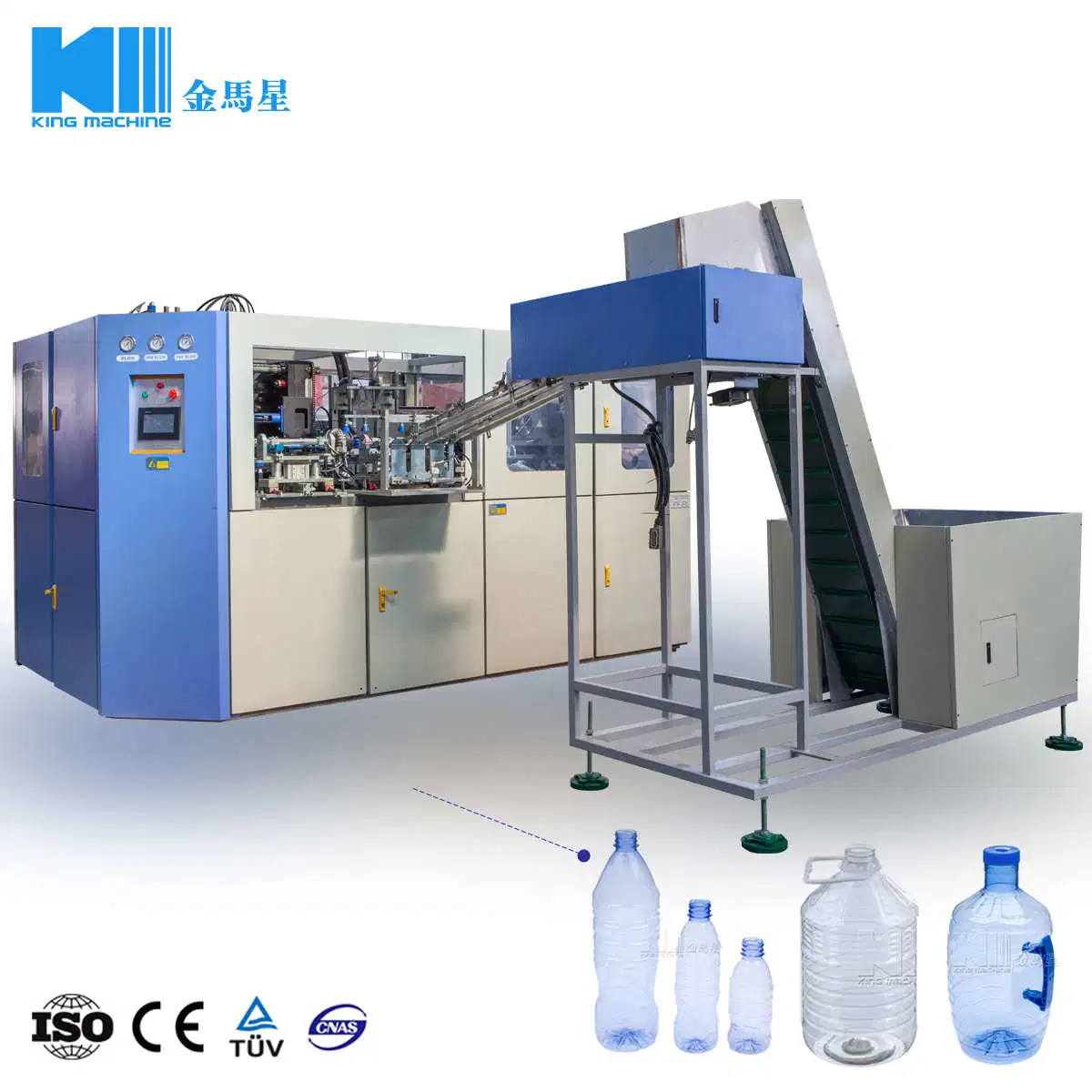
H2: Configuration Guide for Fully Automatic Plastic Bottle Making Machine
When selecting a fully automatic plastic bottle making machine, several key factors must be considered to ensure optimal performance, efficiency, and compatibility with your production needs. Below is a detailed configuration guide covering cavity number selection, bottle volume range, preform compatibility, and auxiliary equipment requirements.
Cavity Number Selection
The cavity number determines the machine’s output capacity and directly affects production efficiency.
– Single Cavity (1-cavity): Suitable for low-volume or prototype production. Offers flexibility but limited output.
– Multi-Cavity (2 to 32+ cavities): Ideal for medium to high-volume production. Higher cavity counts increase output but also require more robust supporting systems.
– Selection Criteria: Choose based on desired output (bottles per hour), available floor space, and budget. For instance, a 12-cavity machine may produce 6,000–8,000 bottles/hour, while a 32-cavity can exceed 20,000 bottles/hour.
Bottle Volume Range
Ensure the machine supports the required bottle sizes for your product line.
– Standard volume range: 50 ml to 2,000 ml.
– Machines are often optimized for specific ranges (e.g., small bottles <500 ml or large bottles >1,000 ml).
– Verify mold compatibility and heating system performance across the desired volume spectrum. Adjustable stretch rod systems may be needed for wide volume variations.
Preform Compatibility
The machine must be compatible with the preform type and size used.
– Common preform neck finishes: 28mm, 30mm, 38mm PCO, and 1881 standards.
– Preform weight range: Typically 10g to 60g, depending on bottle size and wall thickness.
– Confirm that the machine’s preform loader, heating oven, and handling system are designed for your preform specifications. Some machines support multiple preform types with quick-change tooling.
Auxiliary Equipment
Supporting systems are essential for stable and continuous operation.
Air Compressor:
– Required for mold opening/closing, ejection, and pneumatic controls.
– Recommended capacity: 1.0–1.5 m³/min per cavity at 7–10 bar.
– Use oil-free compressors to prevent contamination.
Chiller (Cooling System):
– Critical for maintaining mold temperature and ensuring consistent bottle quality.
– Cooling capacity: Typically 1–2 kW per cavity.
– Water temperature should be maintained at 5–15°C depending on resin type (e.g., PET).
Additional Equipment:
– Dehumidifier Dryer: To dry PET preforms before processing (dew point ≤ -30°C).
– Conveyor System: For automatic transfer of finished bottles.
– Leak Tester & Visual Inspection System: Optional for quality assurance.
By carefully configuring these elements, you can select a fully automatic plastic bottle making machine that meets your production goals, ensures product quality, and integrates seamlessly with existing infrastructure.
In conclusion, sourcing a fully automatic plastic bottle making machine from China offers a compelling combination of advanced technology, cost-efficiency, and high production capacity. However, to ensure long-term operational success and minimal downtime, it is crucial to prioritize suppliers who provide a comprehensive Factory Acceptance Test (FAT) before shipment. The FAT not only verifies the machine’s performance, quality, and compliance with agreed specifications but also serves as a critical checkpoint to identify and rectify any potential issues early in the process. Additionally, reliable spare parts support is essential for sustained productivity, reducing repair time, and extending the machine’s service life. When evaluating prices, buyers should consider not just the initial investment but also the value of robust after-sales service, timely spare parts availability, and technical assistance. Choosing a supplier that offers both a rigorous FAT process and dependable spare parts supply ensures peace of mind, operational continuity, and a stronger return on investment over the machine’s lifecycle.






