
As global demand for packaged beverages, pharmaceuticals, and personal care products continues to rise, manufacturers are prioritizing high-efficiency, automated bottling solutions to meet throughput and sustainability targets. At the heart of modern production lines, bottle blower machines play a critical role in shaping performance, cost-efficiency, and scalability. With rapid advancements in automation, energy recovery systems, and Industry 4.0 integration, sourcing the right machinery partner has never been more strategic. In this 2026 audit, we evaluate the top nine bottle blower machine manufacturers leading innovation, reliability, and global service support in the plastic machinery and bottling industry.
Top 9 Bottle Blower Machine Manufacturers (2026 Audit List)
(Ranked by Production Capability & Trust Score)
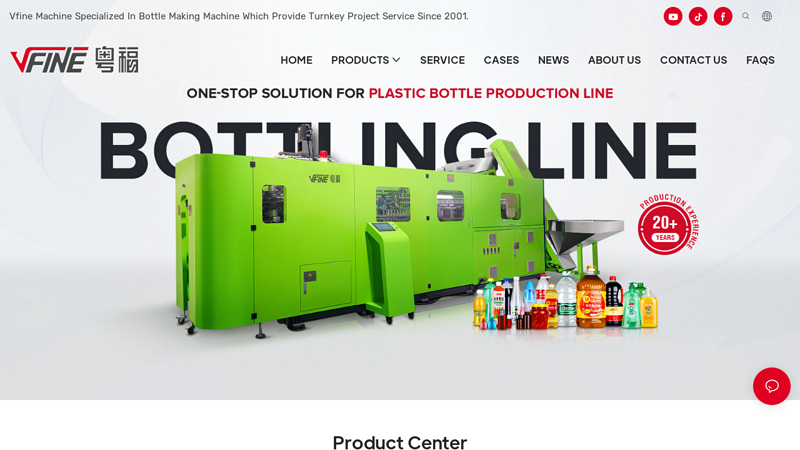
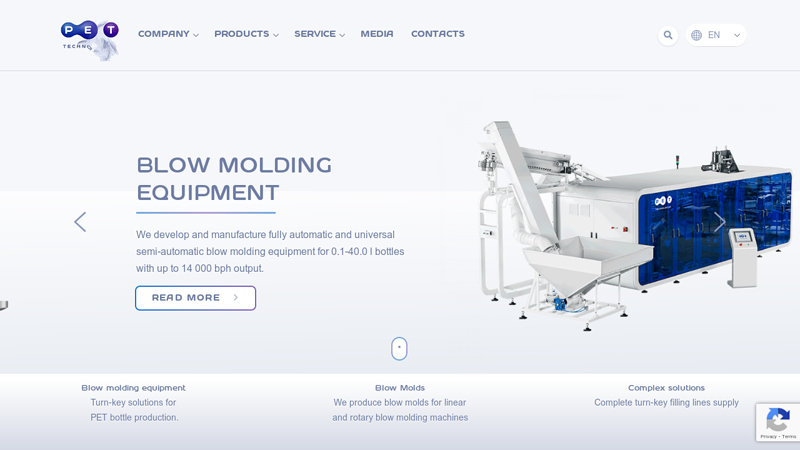
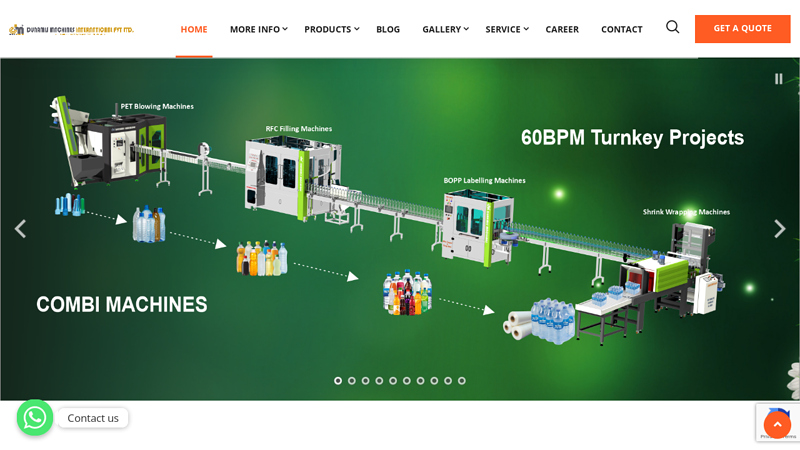
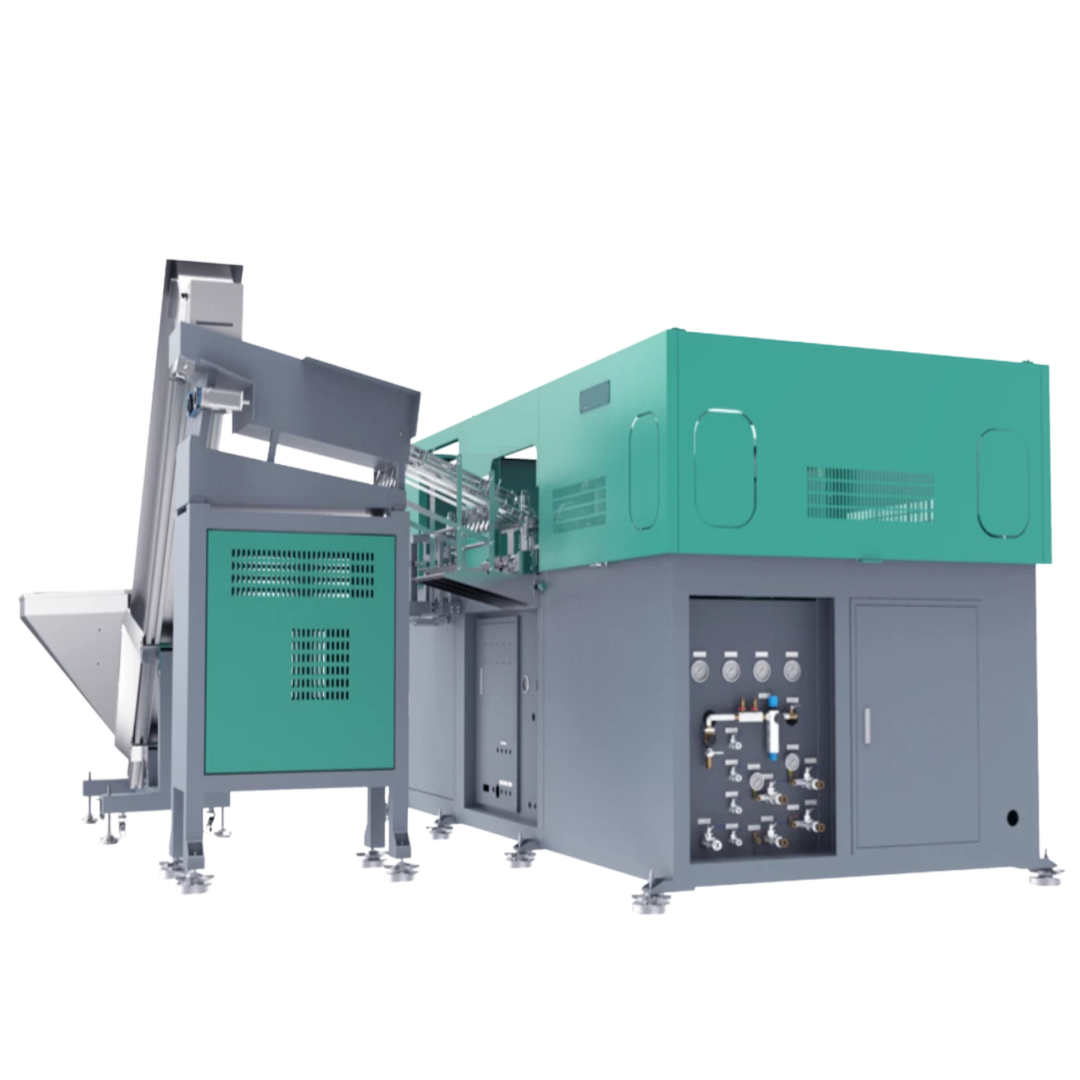


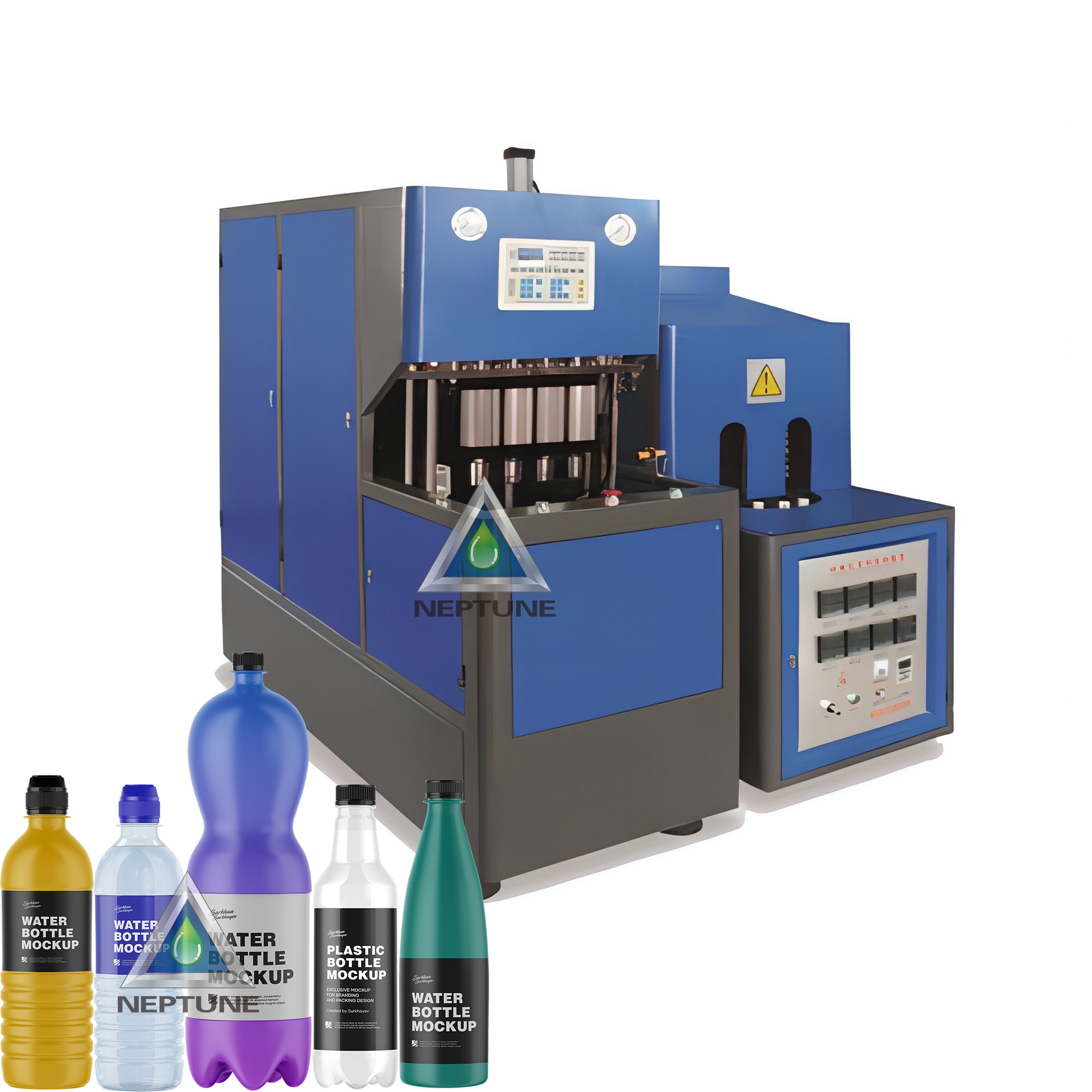
Professional Sourcing Guide: Bottle Blower Machine

2026 Global Market Trends for Bottle Blower Machines: Focus on High-Speed Production, Energy Saving Technologies, and Automation
High-Speed Production Driving Market Growth
The global bottle blower machine market is poised for significant growth by 2026, with high-speed production emerging as a pivotal driver. Increasing demand from beverage, pharmaceutical, and personal care industries is compelling manufacturers to adopt machines capable of producing over 20,000 bottles per hour. This push for rapid output is especially evident in emerging economies where packaged beverage consumption is rising sharply.
High-speed models are incorporating advanced preform feeding systems, optimized heating ovens, and faster mold closing mechanisms to reduce cycle times. For instance, rotary stretch blow molding machines now dominate premium segments due to their ability to maintain precision at speeds exceeding 40,000 bottles/hour. Moreover, modular designs allow manufacturers to scale production lines according to demand, ensuring flexibility and minimizing downtime.
North America and Europe are leading in the adoption of high-speed systems due to established bottling infrastructure and stringent efficiency standards. Meanwhile, Asia-Pacific—particularly China, India, and Southeast Asia—is witnessing rapid installation of high-output machines to meet domestic and export demands. By 2026, it is projected that high-speed bottle blowers will account for over 65% of new installations globally, driven by ROI advantages and labor cost optimization.
Energy Saving Technologies: The Rise of Servo Motor Systems
Energy efficiency has become a critical competitive differentiator in the bottle blower machine market, with servo motor technology at the forefront of this transformation. Traditional hydraulic systems, while powerful, are being progressively replaced by servo-electric drives that offer up to 40% reduction in energy consumption.
Servo motors provide precise control over stretching rods, mold movements, and preform handling, minimizing energy waste during idle and transition phases. Their regenerative braking systems also recover energy, further enhancing efficiency. Leading manufacturers such as Krones, Sidel, and Bekum have integrated hybrid and fully electric servo systems into their next-generation models, aligning with global sustainability goals and regulatory standards like ISO 50001.
In addition, servo-driven blowers generate less heat and noise, improving working conditions and reducing the need for auxiliary cooling systems. The total cost of ownership (TCO) for servo-based machines is lower over a 5–7 year lifecycle, making them increasingly attractive despite higher initial investment. By 2026, over 70% of new high-end bottle blowers are expected to feature servo motor technology, particularly in regions with high energy costs and carbon reduction mandates.
Advancements in Automation Level and Smart Manufacturing Integration
Automation is redefining the capabilities of bottle blower machines, with 2026 marking a shift toward fully integrated smart production lines. Modern blowers now come equipped with Industry 4.0-ready features such as IoT connectivity, real-time monitoring, predictive maintenance, and AI-driven process optimization.
Automated systems streamline operations from preform loading to bottle ejection, reducing human intervention and minimizing contamination risks—especially vital in pharmaceutical and food-grade applications. Robotic arms integrated with vision systems ensure consistent quality by detecting defects and sorting rejected bottles automatically. Remote diagnostics and cloud-based analytics enable plant managers to monitor machine performance across multiple facilities in real time.
The automation level is also enhancing flexibility; changeover times between bottle formats have been reduced from hours to minutes through programmable logic controllers (PLCs) and digital twin simulations. This agility supports mass customization trends, particularly in the craft beverage sector.
By 2026, it is estimated that over 50% of new bottle blowing installations will feature advanced automation, with full-line integration becoming standard in large-scale bottling plants. The convergence of automation with energy-efficient and high-speed technologies is creating a new benchmark for productivity, sustainability, and operational resilience in the global packaging industry.
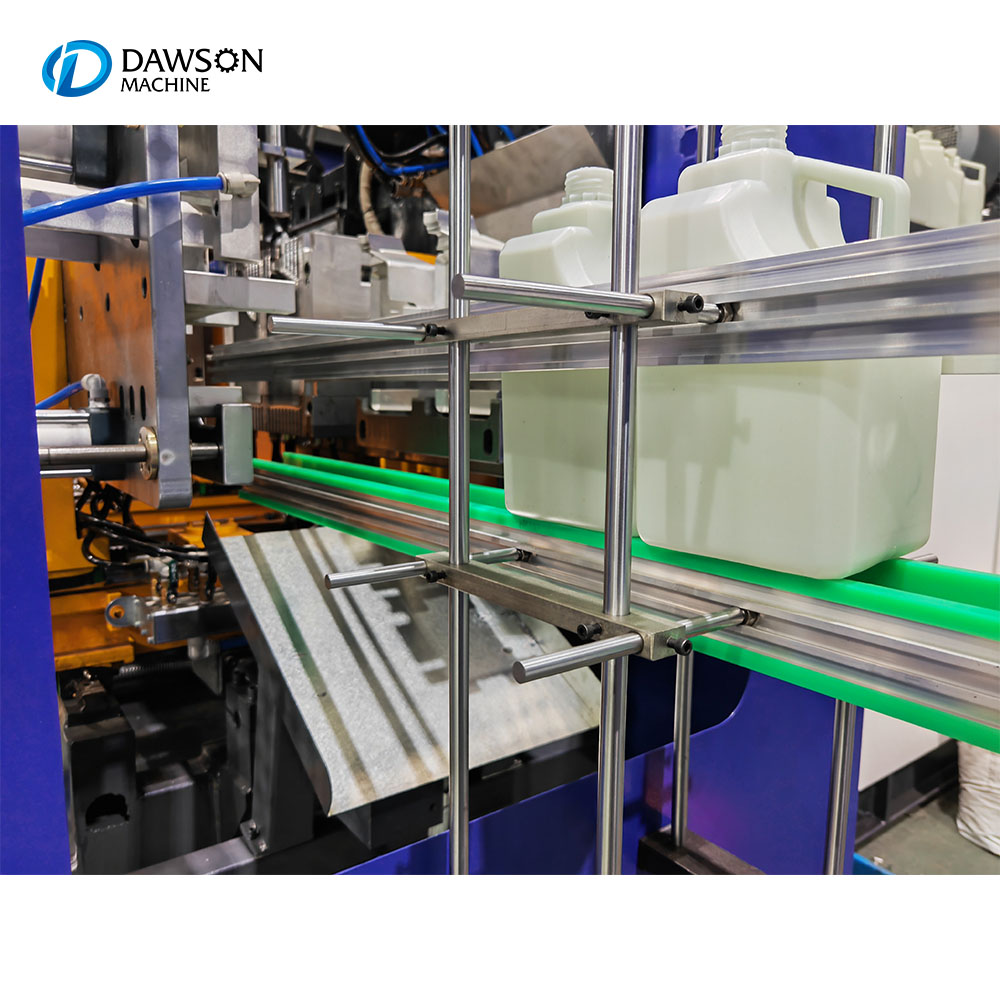
Key Quality Verification Points for Bottle Blower Machine Manufacturers
When selecting a bottle blower machine manufacturer, assessing quality is crucial to ensure reliability, performance, and long-term operational efficiency. Below are the critical check points to verify:
Mold Material (Aluminum vs. Steel)
- Steel Molds: Preferred for high-volume production due to superior durability, heat resistance, and longer lifespan. Verify if the manufacturer uses hardened tool steel (e.g., P20, H13) for molds, especially for PET bottle blowing.
- Aluminum Molds: Suitable for prototyping or low-volume runs due to faster cooling and lower cost, but less durable. Confirm the intended use case and expected production volume before accepting aluminum.
- Inspection Tip: Request material certification (e.g., mill test reports) and inspect surface finish and hardness treatment of the mold.
PLC Brand (Siemens vs. Mitsubishi)
- Siemens PLCs: Known for robust performance, user-friendly programming (TIA Portal), and strong integration capabilities. Commonly used in high-end European machinery.
- Mitsubishi PLCs: Popular for reliability, fast processing, and ease of maintenance, especially in Asian-manufactured equipment.
- Verification Steps: Confirm the exact PLC model (e.g., Siemens S7-1200, Mitsubishi FX or Q Series) and ensure original branded units are used (not clones). Ask for PLC software interface demos and check for proper HMI integration.
Cycle Time Efficiency
- Benchmarking: Compare the manufacturer’s stated cycle time (blows per minute) with industry standards for your bottle size and output requirements (e.g., 1000–2000 bottles/hour for semi-auto, up to 20,000+ for fully automatic systems).
- Real-World Testing: Request a live demonstration with your specific bottle mold to measure actual cycle time, including preform feeding, heating, blowing, and ejection phases.
- Energy Efficiency: Evaluate compressed air consumption and heating system efficiency, as these directly impact operational costs and cycle performance.
Spare Parts Availability
- Local Support: Confirm if the manufacturer has a local distributor or service center with readily available spare parts (e.g., sealing rings, valves, heaters, stretch rods).
- Inventory List: Request a detailed spare parts list with part numbers, lead times, and pricing. Critical wear parts should be stocked or available within 1–2 weeks.
- Long-Term Commitment: Verify the manufacturer’s policy on parts support (e.g., 10+ years availability) and availability of technical documentation (manuals, wiring diagrams).
By thoroughly evaluating these four key areas—mold material, PLC brand, cycle time efficiency, and spare parts availability—you can effectively assess the quality and reliability of a bottle blower machine manufacturer and make an informed investment decision.
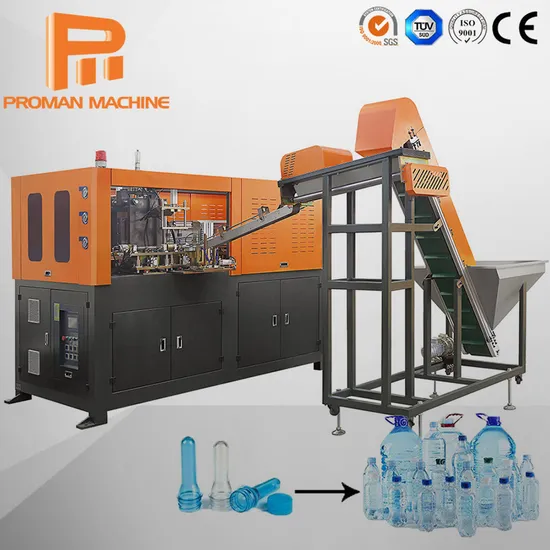
Configuration Guide for Bottle Blower Machine
Cavity Number Selection
The cavity number refers to the number of bottles the machine can produce in one cycle. Selection depends on production requirements, available floor space, and budget:
– Single to 4-Cavity Machines: Ideal for low to medium production volumes (e.g., small-scale beverage producers or startups).
– 6 to 12-Cavity Machines: Suitable for medium to high output, commonly used in regional bottling plants.
– 16+ Cavity Machines: Designed for high-speed, large-scale production (e.g., major beverage brands).
Consider future scalability and changeover frequency when selecting the cavity count. Higher cavity machines increase output but may require more robust auxiliary systems and maintenance.
Bottle Volume Range
Ensure the machine supports the desired bottle sizes:
– Standard volume range: 0.2L to 5.0L (varies by model).
– Machines are often optimized for specific ranges (e.g., small bottles below 1L or large bottles above 2L).
– Verify mold compatibility and adjust stretch rod sizes and pressure profiles accordingly.
– Some models offer multi-volume molds or quick-change systems for flexible production.
Preform Compatibility
Preform specifications must align with the machine’s design:
– Confirm preform neck finish (e.g., PCO 1881, 38 mm, 28 mm) matches the mold and oven system.
– Preform weight and length should fall within the machine’s operational range.
– Ensure preform material (typically PET) is suitable for the blowing process and meets food-grade standards.
– Verify preform feeding mechanism (manual, semi-auto, or automatic loader) compatibility.
Auxiliary Equipment (Compressor/Chiller)
ضاغط الهواء
- Required for high-pressure air (typically 25–40 bar) during the blowing cycle.
- Ensure sufficient CFM (cubic feet per minute) output based on cavity count and cycle time.
- Use oil-free compressors to prevent contamination.
- Include air dryers and filters to supply clean, dry air and protect machine valves and seals.
Chiller (Cooling System)
- Essential for cooling molds to ensure consistent bottle quality and cycle times.
- Cooling capacity should match the machine’s heat load (measured in kW or tons of refrigeration).
- Maintain coolant temperature between 5°C to 10°C for optimal performance.
- Use closed-loop chillers with corrosion-resistant components for reliability and longevity.
Properly sized and maintained auxiliary equipment ensures stable operation, extends machine life, and improves bottle quality.
In conclusion, sourcing a bottle blowing machine from China offers significant advantages in terms of cost-efficiency, advanced manufacturing capabilities, and access to innovative technology. However, to ensure long-term reliability and operational continuity, it is crucial to prioritize key factors such as the Factory Acceptance Test (FAT) and comprehensive spare parts support. Conducting a thorough FAT allows buyers to verify the machine’s performance, safety, and compliance with technical specifications before shipment, minimizing the risk of post-installation issues. Additionally, establishing a reliable spare parts supply chain—either through on-hand inventory or a responsive supplier service agreement—is essential to minimize downtime and maintain consistent production. By emphasizing these critical elements during the procurement process, businesses can maximize the value of their investment, ensure smooth integration of the machine into their operations, and achieve sustainable productivity over the machine’s lifecycle.






