
As demand for high-speed, energy-efficient bottling solutions continues to rise across the beverage, pharmaceutical, and personal care sectors, manufacturers are increasingly turning to advanced bottle blow moulding machines that combine precision, automation, and scalability. With global production volumes expanding and sustainability becoming a priority, the need for reliable, innovative machinery has never been greater. This 2026 audit identifies the top 10 bottle blow moulding machine manufacturers leading the industry in technological advancement, operational efficiency, and global service support—key partners for businesses aiming to optimize output and maintain competitive edge in an automated future.
أفضل 10 شركات مصنعة لماكينات نفخ الزجاجات (قائمة مراجعة 2026)
(Ranked by Production Capability & Trust Score)
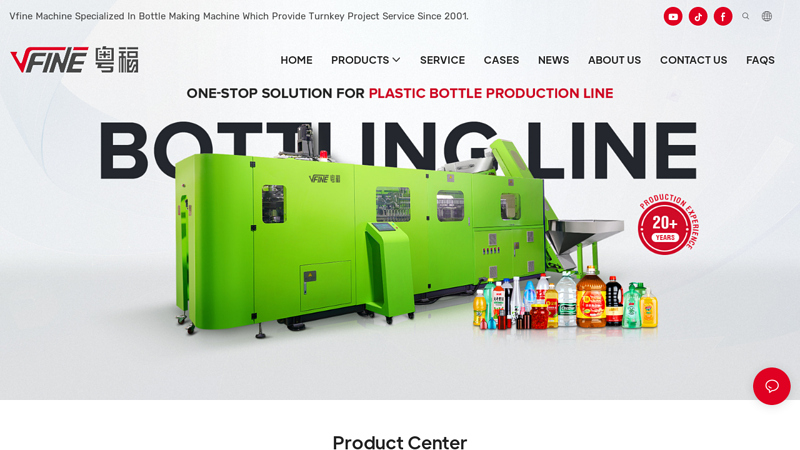

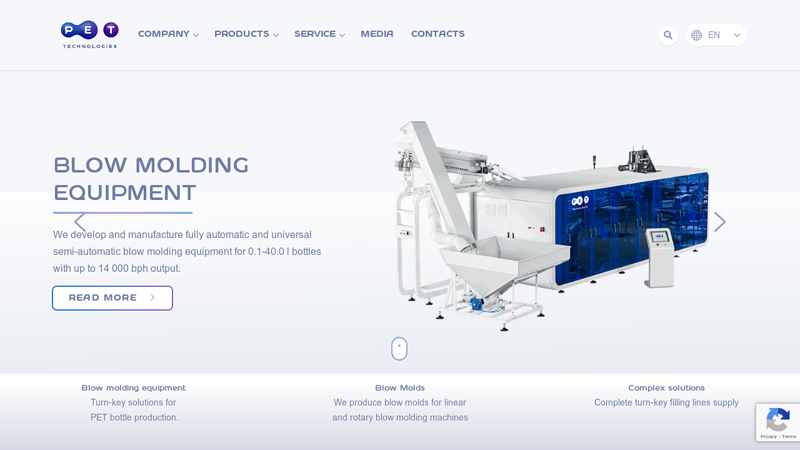
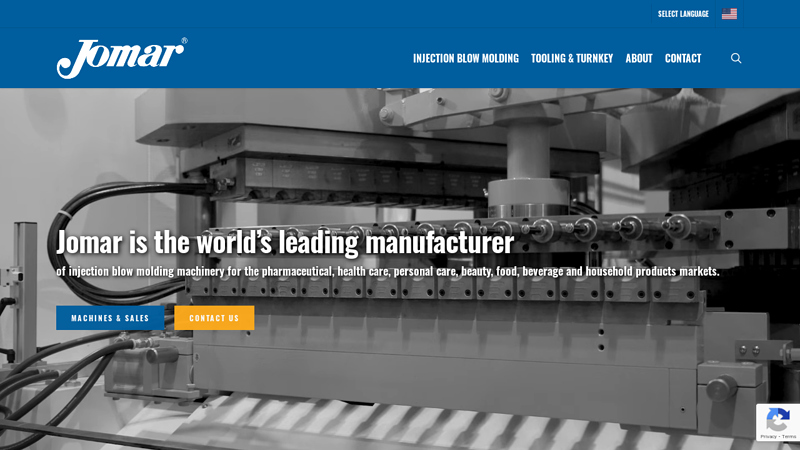
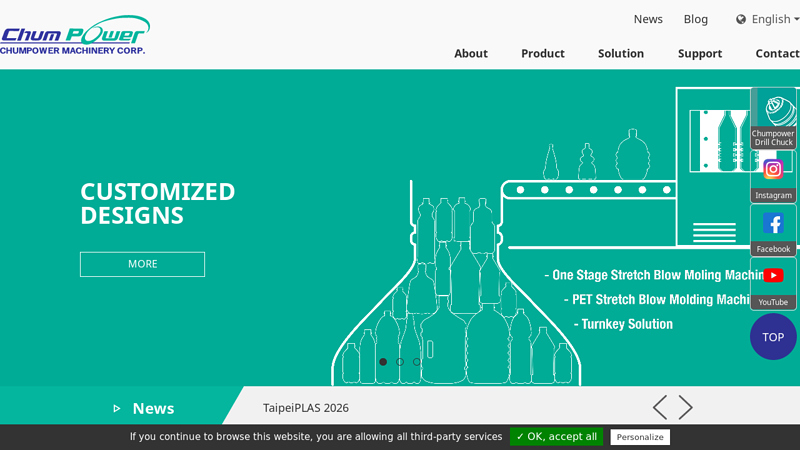

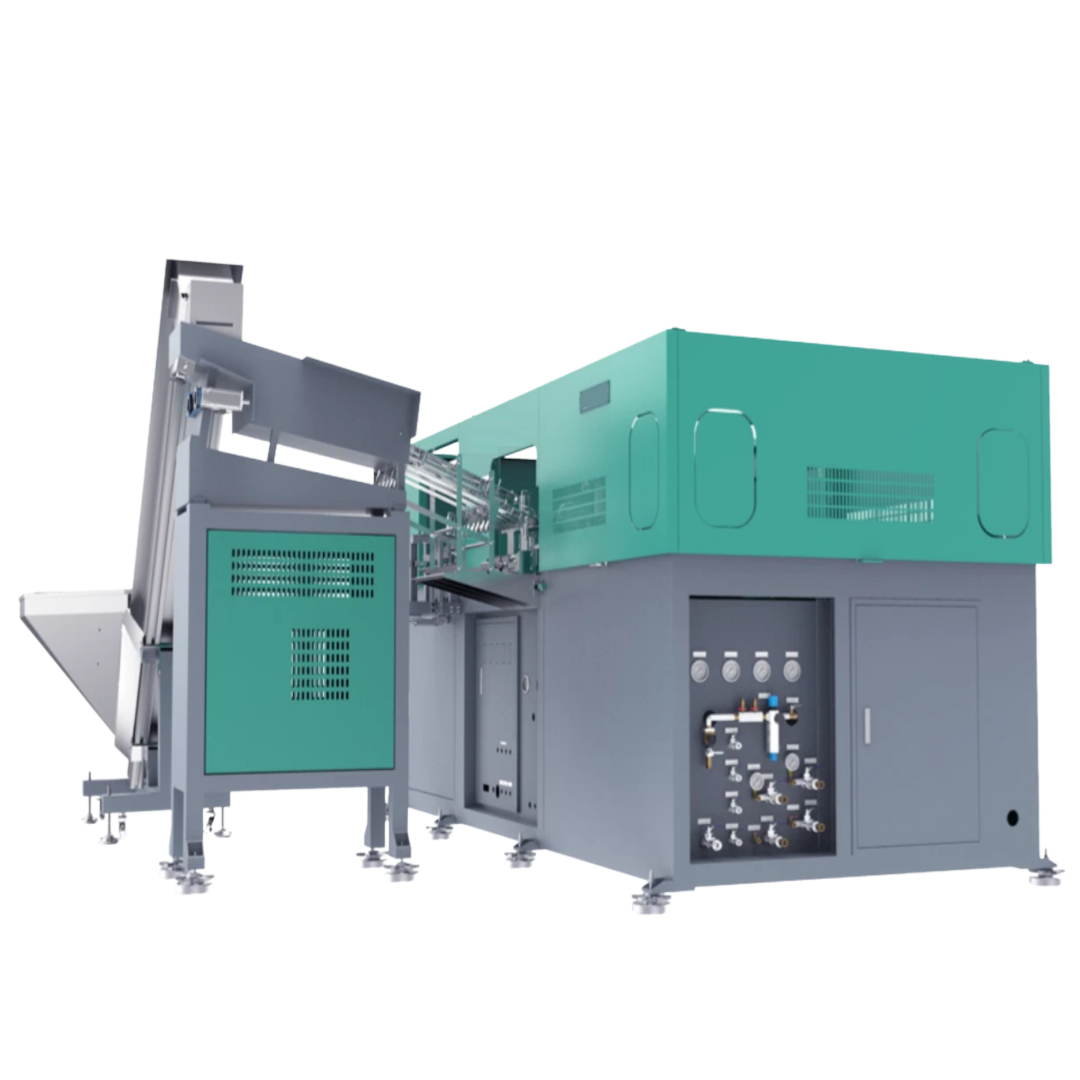
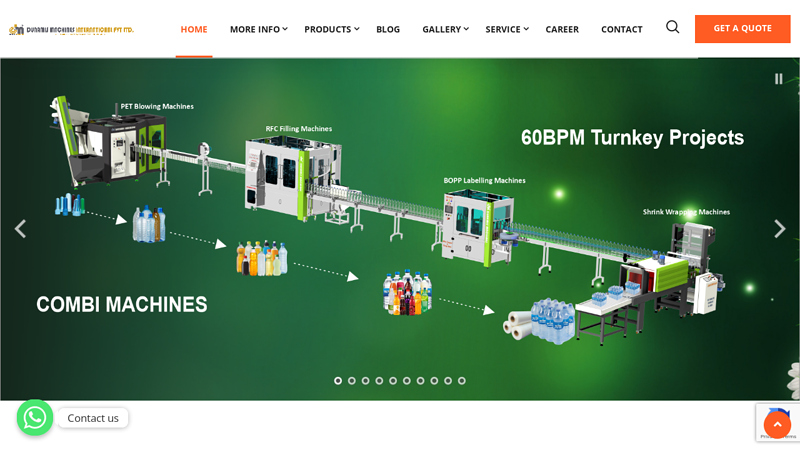
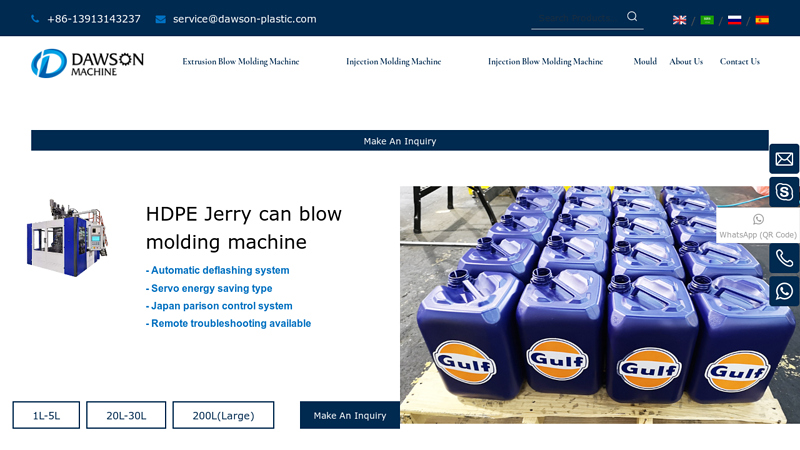
Professional Sourcing Guide: Bottle Blow Moulding Machine
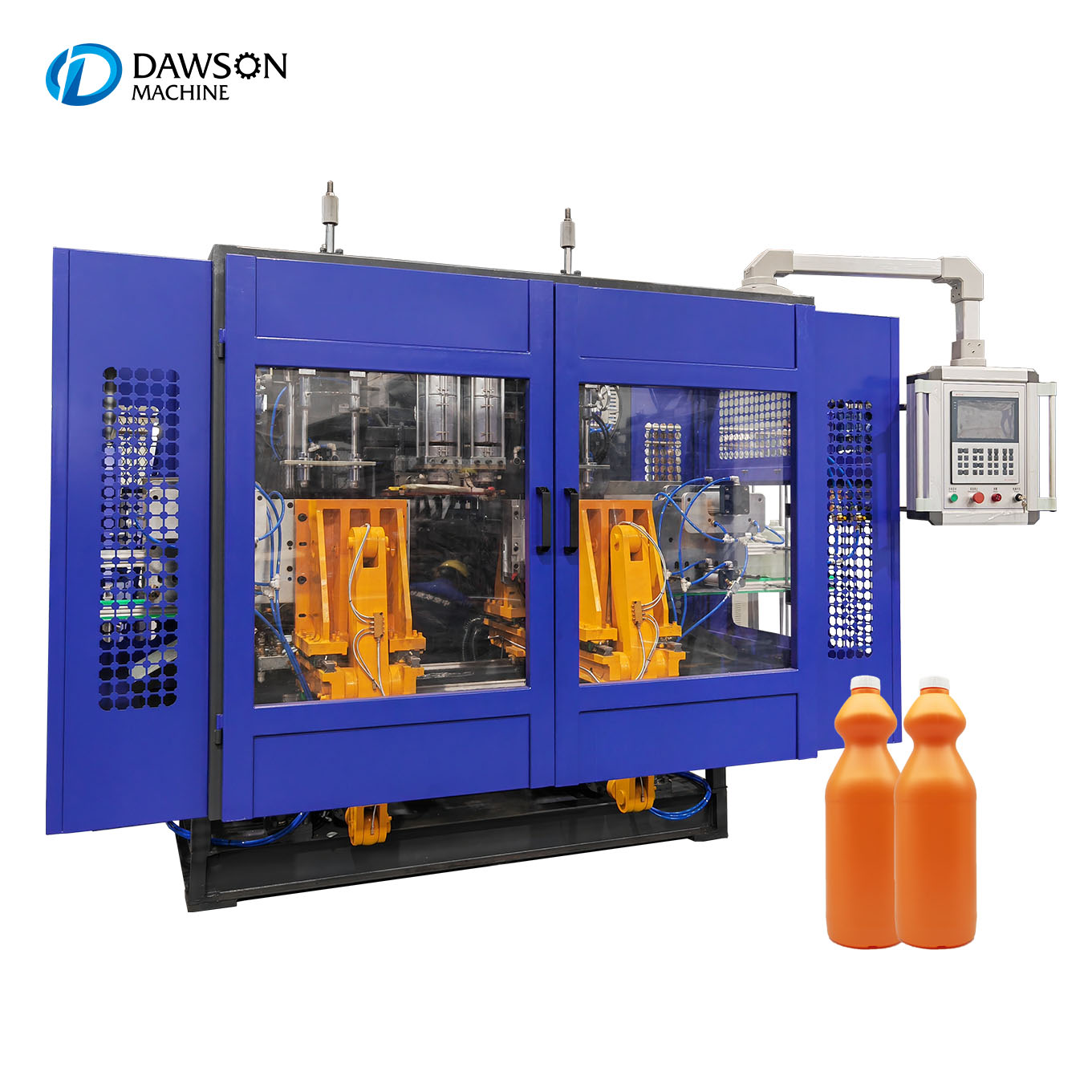
2026 Global Market Trends for Bottle Blow Moulding Machines: Focus on High-Speed Production, Energy-Saving Technologies, and Automation Level
High-Speed Production: Driving Efficiency and Output Demands
By 2026, the global bottle blow moulding machine market is witnessing a pronounced shift toward high-speed production capabilities, driven by increasing demand for plastic bottles in the beverage, pharmaceutical, and personal care industries. Manufacturers are investing heavily in machines capable of producing up to 50,000 bottles per hour, particularly in fully automatic rotary systems.
Key market dynamics include:
– Growing demand from emerging economies in Asia-Pacific and Africa, where urbanization and packaged goods consumption are rising rapidly.
– Shift from semi-automatic to fully automatic systems to meet Just-in-Time (JIT) manufacturing needs and reduce labor dependency.
– Innovations in parison control and preform handling enabling faster cycle times without compromising bottle quality.
– Adoption of multi-cavity molds and advanced cooling systems to support high throughput while maintaining dimensional accuracy.
Major players such as Sidel, Krones, and Bekum are leading the charge with next-generation high-output models tailored for PET and HDPE containers, positioning speed as a critical competitive differentiator.
Energy Saving Technologies: Servo Motor Integration and Sustainable Manufacturing
Energy efficiency has become a core requirement in the blow moulding sector, with servo motor technology emerging as a pivotal innovation by 2026. Unlike traditional hydraulic systems, servo-driven machines offer precise control, reduced energy consumption, and lower maintenance costs.
Key developments include:
– Widespread adoption of all-electric and hybrid servo systems, reducing energy use by 30–50% compared to conventional hydraulic models.
– Integration with Industry 4.0 platforms for real-time monitoring and optimization of energy consumption.
– Regulatory and consumer pressure pushing manufacturers toward low-carbon operations, especially in Europe and North America.
– Government incentives in regions like the EU and China supporting the replacement of older, inefficient machinery.
Servo technology also enhances process repeatability and reduces heat generation, contributing to longer component life and improved product consistency. By 2026, over 60% of newly installed medium- to high-end blow moulding systems are expected to feature servo-driven mechanisms.
Automation Level: Advancing Toward Smart and Integrated Production Lines
Automation is transforming the bottle blow moulding landscape, with 2026 marking a turning point in the deployment of intelligent, interconnected systems. The integration of robotics, machine vision, and predictive maintenance is enabling fully autonomous production environments.
Key automation trends:
– End-to-end automation, from preform feeding to bottle packaging, minimizing human intervention and reducing contamination risks—critical in food and pharmaceutical applications.
– Adoption of AI-powered quality inspection systems that detect defects in real time and adjust machine parameters automatically.
– Seamless integration with upstream and downstream processes, including labeling, filling, and palletizing, through standardized communication protocols (e.g., OPC UA).
– Cloud-based monitoring and remote diagnostics allowing OEMs and operators to optimize performance across global facilities.
The push for smart factories is particularly strong in Germany, Japan, and South Korea, where Industry 4.0 adoption is mature. However, even in developing regions, mid-sized manufacturers are increasingly investing in modular automation solutions to remain competitive.
In conclusion, by 2026, the global bottle blow moulding machine market is defined by a triad of innovation: high-speed production to meet growing demand, energy-saving servo technologies to reduce environmental impact and operating costs, and advanced automation to ensure precision, consistency, and scalability. These trends are collectively reshaping the industry toward smarter, greener, and faster manufacturing ecosystems.
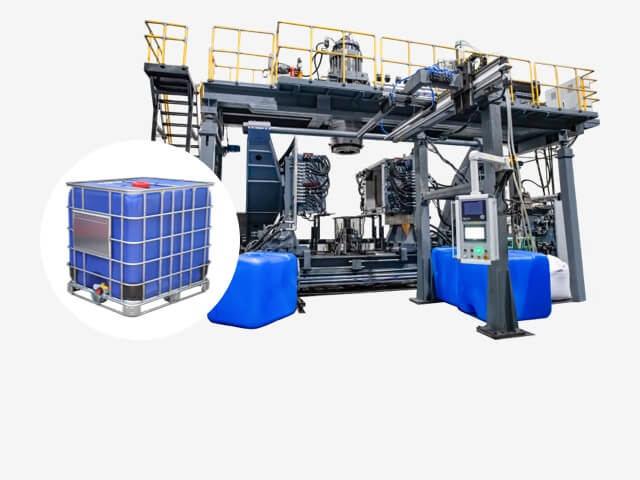
Key Quality Verification Points for Bottle Blow Moulding Machine Manufacturers
When evaluating a bottle blow moulding machine manufacturer, it’s essential to verify critical components and performance indicators to ensure reliability, efficiency, and long-term operational success. Below are the key check points to assess:
Mold Material (Aluminum vs. Steel)
- Material Type: Confirm whether molds are made from aluminum, steel, or a combination. Steel molds (especially chrome-plated or stainless steel) offer superior durability, heat resistance, and longevity—ideal for high-volume production.
- Application Suitability: Aluminum molds are lighter and cheaper but wear faster; verify the material aligns with your production volume and bottle specifications.
- Surface Finish & Precision: Inspect mold surface finish and dimensional accuracy—critical for consistent bottle quality and minimal defects.
- Manufacturer Certification: Request material certification (e.g., S45C, P20, or 42CrMo for steel) and inquire about heat treatment processes.
PLC Brand (Siemens vs. Mitsubishi)
- PLC Brand Verification: Confirm the use of reputable PLC brands such as سيمنز or Mitsubishi, known for reliability, precision, and strong technical support.
- Control Interface: Evaluate the HMI (Human-Machine Interface) for ease of use, diagnostics, and fault logging capabilities.
- Software Updates & Support: Check availability of firmware updates, programming support, and compatibility with factory automation systems (e.g., Industry 4.0 integration).
- Redundancy & Stability: Ensure the PLC system offers stable performance under continuous operation and includes safety interlocks.
Cycle Time Efficiency
- Rated vs. Actual Cycle Time: Verify the manufacturer’s claimed cycle time (e.g., bottles per minute or seconds per cycle) under real operating conditions.
- Energy Efficiency: Assess air consumption, heating efficiency, and overall power usage per cycle—lower energy use per bottle indicates better design.
- Consistency & Repeatability: Request production logs or live demonstrations to confirm stable cycle times over extended runs.
- Bottle Quality at High Speeds: Ensure consistent bottle weight, clarity, and dimensional accuracy even at maximum cycle rates.
Spare Parts Availability
- Local & Global Support: Confirm the availability of spare parts locally or through regional warehouses to minimize downtime.
- Common Wear Parts: Check stock status of high-wear components (seal kits, stretch rods, valves, heaters, O-rings).
- Lead Time & Documentation: Inquire about average lead time for critical spares and ensure comprehensive parts manuals/catalogs are provided.
- Supplier Longevity & Commitment: Evaluate the manufacturer’s track record in supporting machines over 5–10 years—long-term spare parts availability is a strong quality indicator.
By thoroughly checking these four areas—Mold Material, PLC Brand, Cycle Time Efficiency, and Spare Parts Availability—you can confidently assess the quality and reliability of a bottle blow moulding machine manufacturer.
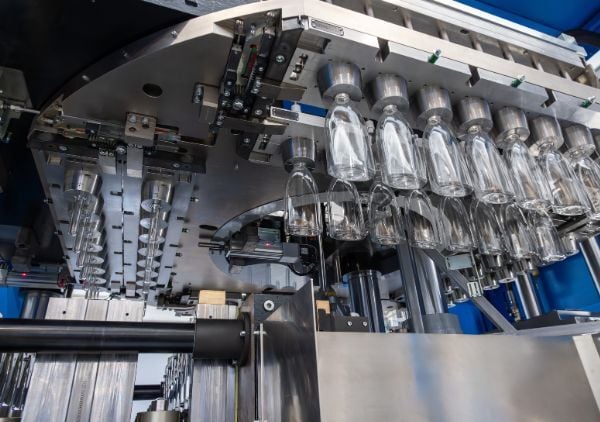
Configuration Guide for Bottle Blow Moulding Machine
Cavity Number Selection
The cavity number refers to the number of bottles produced per machine cycle and is a critical factor in determining the production capacity of your blow moulding machine. It should be selected based on your output requirements, bottle size, and available floor space.
- Low-Volume Production (1–2 cavities): Suitable for small businesses, startups, or specialty bottle production. Ideal for larger bottles (1–5 liters) with lower daily output targets (up to 5,000 bottles/day).
- Medium-Volume Production (4–6 cavities): Common for medium-scale operations producing standard-sized bottles (0.5–2 liters). Offers a balance between output and cost, supporting outputs of 10,000–30,000 bottles/day.
- High-Volume Production (8–12+ cavities): Recommended for large-scale manufacturing with high throughput needs (50,000+ bottles/day). Best for small to medium bottles (0.25–1.5 liters). Requires more space and higher investment in auxiliary systems.
Consider machine cycle time, mold changeover frequency, and future scalability when selecting cavity count.
Bottle Volume Range
The machine must be compatible with the required bottle volume range, which directly affects mold design and machine configuration.
- Standard Volume Ranges:
- Mini bottles: 100–250 ml
- Small bottles: 250–750 ml
- Medium bottles: 750 ml–1.5 L
- Large bottles: 1.5–5 L
- Jumbo bottles: 5–10 L (specialized machines)
Ensure the machine’s stretch rod length, mold height adjustment, and air pressure system support your desired volume range. Machines are often optimized for specific ranges; exceeding these may reduce efficiency or bottle quality.
Preform Compatibility
Preform compatibility ensures the blow moulding machine can process your specific preform design and dimensions.
- Neck Finish: Match the preform’s neck thread type (e.g., PCO 1881, 38 mm, 18/410) with the machine’s mold base and sealing system.
- Preform Length and Diameter: Verify that the machine’s loading system (feed rails, grippers) can handle the preform size. Standard preforms range from 28 mm to 120 mm in length.
- Preform Weight & Wall Thickness: Ensure the machine’s heating oven (turntable or linear) provides even heating for your preform’s PET wall thickness to prevent uneven stretching or weak spots.
- Custom Preforms: For non-standard designs, confirm mold and oven compatibility with the machine manufacturer.
Always conduct trial runs with sample preforms before full-scale production.
Auxiliary Equipment (Compressor/Chiller)
Auxiliary systems are essential for consistent and efficient operation of the blow moulding machine.
Compressor
- Purpose: Supplies high-pressure air (typically 25–40 bar) for bottle blowing.
- Capacity: Should provide 10–20% more air than peak machine demand. For example, a 6-cavity machine may require 0.6–1.0 m³/min at 30 bar.
- Type: Oil-free compressors are recommended to prevent contamination of the blowing air.
- Air Treatment: Include air dryers and filters to ensure clean, dry air, preventing mold corrosion and air valve failure.
Chiller
- Purpose: Cools the mold and machine hydraulics to maintain dimensional stability and cycle consistency.
- Cooling Capacity: Typically 1–5 kW per cavity, depending on cycle speed and bottle size. A 6-cavity machine may require a 6–10 kW chiller.
- Water Quality: Use treated water to prevent scaling or biological growth in cooling channels.
- Temperature Control: Maintain mold temperature between 10–18°C for optimal PET crystallization and cycle time.
Ensure compressors and chillers are properly sized and located near the machine with minimal piping distance to reduce pressure drop and energy loss.
In conclusion, sourcing a bottle blow molding machine from China offers a compelling combination of cost-efficiency, advanced manufacturing capabilities, and access to innovative technology. However, to ensure long-term operational success and minimal downtime, it is critical to prioritize two key aspects: Factory Acceptance Testing (FAT) and comprehensive spare parts support. Conducting a thorough FAT at the supplier’s facility enables buyers to verify machine performance, quality standards, and operational readiness before shipment, significantly reducing the risk of technical issues upon installation. Equally important is establishing a reliable spare parts supply chain, either through pre-purchase of critical components or a solid service agreement with the supplier. Partnering with Chinese manufacturers who provide structured FAT protocols and responsive spare parts support ensures not only a smoother commissioning process but also sustained productivity and lower total cost of ownership. By focusing on these elements, businesses can confidently leverage China’s manufacturing expertise while safeguarding their investment and achieving optimal return on their blow molding equipment.






