
As global beverage production accelerates, demand for high-efficiency, automated bottling solutions continues to surge. Manufacturers now prioritize precision, speed, and integration capabilities to meet rising output targets and stringent hygiene standards. In this evolving landscape, selecting the right filling machine partner is critical. Our 2026 audit identifies the top 10 beverage filling machine manufacturers delivering innovation, reliability, and scalability to forward-thinking bottling operations worldwide.
أكبر 10 شركات مصنعة لماكينات تعبئة المشروبات (قائمة التدقيق لعام 2026)
(Ranked by Production Capability & Trust Score)
Professional Sourcing Guide: Beverage Filling Machine
2026 Global Beverage Filling Machine Market Trends: High Speed, Energy Efficiency, and Automation
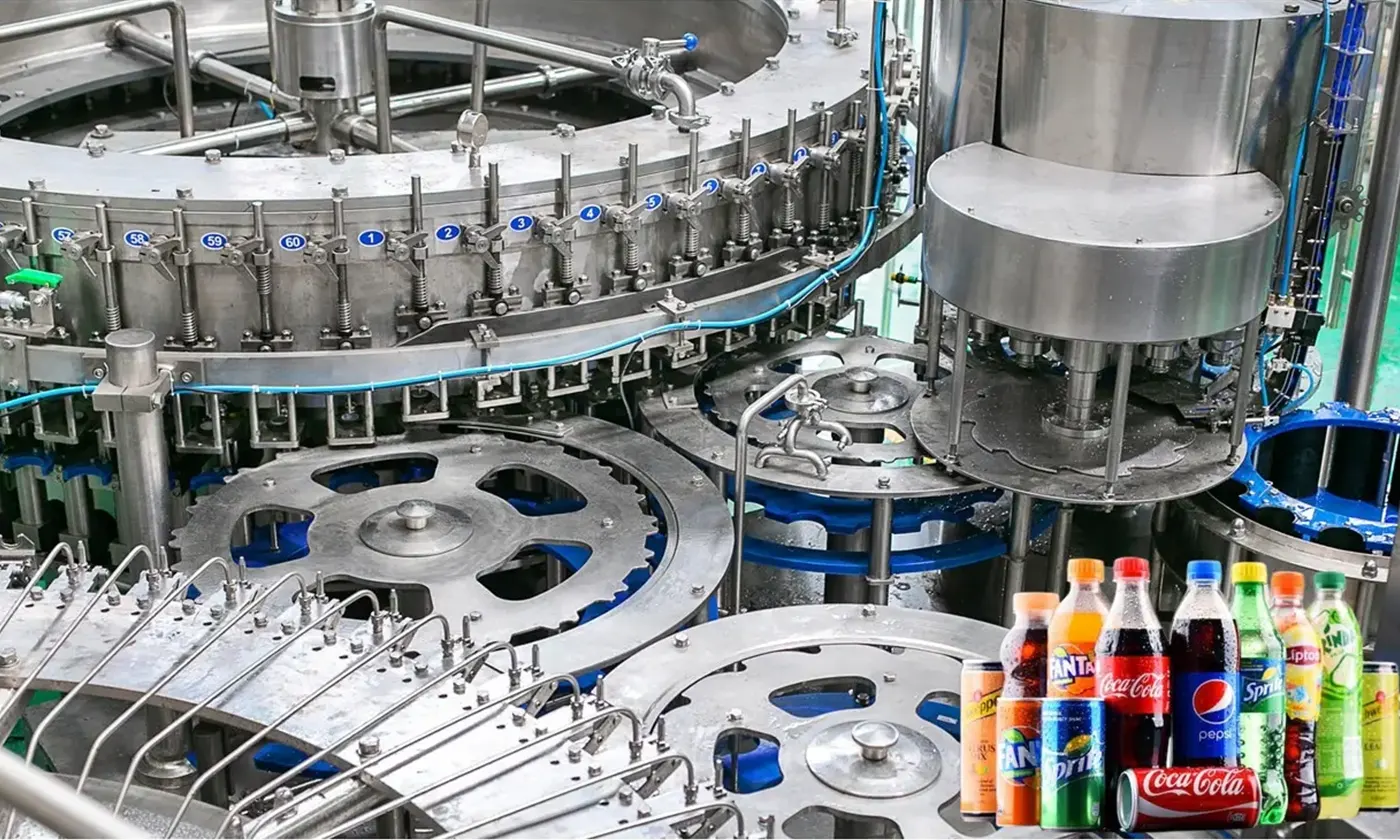
The global beverage filling machine market is poised for significant evolution by 2026, driven by intensifying demand for efficiency, sustainability, and operational resilience across the beverage industry. Key technological advancements are converging to reshape the landscape, with High-Speed Production, Energy-Saving Technologies (particularly Servo Motors), and Automation Level emerging as dominant trends defining competitive advantage.
High-Speed Production: Meeting Demand and Enhancing Competitiveness
The relentless pressure to meet growing global beverage consumption, minimize changeover downtime, and maximize throughput will make high-speed filling a non-negotiable requirement by 2026. Manufacturers are increasingly investing in machines capable of exceeding 80,000 bottles per hour (BPH) for standard formats, with leading systems pushing towards 100,000+ BPH for specific applications like water and carbonated soft drinks.
- Drivers: Rising demand for packaged beverages, need for faster time-to-market, labor cost pressures, and the imperative for lean manufacturing.
- Trends: Focus on reducing format changeover times (minutes instead of hours) through modular designs and quick-release mechanisms. Integration of high-precision filling valves (gravimetric, volumetric, mass-flow) ensures accuracy even at peak speeds. Machines are being designed for seamless integration into high-speed production lines (rinser-filler-capper/corer combinations).
- 2026 Outlook: High-speed capability will be a baseline expectation for new installations in major segments (water, CSD, beer). Differentiation will shift towards achieving high speeds consistently while maintaining fill accuracy and minimizing product loss.
Energy Saving Technologies: Servo Motors Leading the Sustainability Charge
Energy efficiency is no longer just a cost-saving measure but a critical component of corporate sustainability goals and regulatory compliance. By 2026, servo motor technology will be the dominant and often standard drive system across new beverage filling machines, replacing less efficient pneumatic and AC motor drives.
- Drivers: Escalating energy costs, ESG (Environmental, Social, Governance) reporting requirements, carbon footprint reduction targets, and government incentives/penalties for energy efficiency.
- Trends: Widespread adoption of servo motors for precise control of filling valves, capping heads, star wheels, and conveyor systems. Servo systems consume energy only when performing work, significantly reducing idle power consumption (up to 30-50% savings compared to pneumatic systems). Integration with machine energy monitoring systems (MES/IIoT) allows real-time tracking and optimization. Use of regenerative braking and optimized motion profiles further enhances savings.
- 2026 Outlook: Servo-driven machines will be the de facto standard for new purchases. The market will see a strong push towards “green” machine certifications. Energy efficiency will be a primary selection criterion alongside speed and reliability, with total cost of ownership (TCO) calculations heavily weighted towards operational energy savings.
Automation Level: From Line Integration to Smart, Autonomous Systems
Automation is rapidly advancing beyond simple PLC control and basic robotics. By 2026, the market will see a significant shift towards integrated, intelligent, and predictive automation within filling lines and across the entire production ecosystem.
- Drivers: Labor shortages, need for consistent quality, demand for traceability, supply chain resilience, and the pursuit of Industry 4.0 benefits (data-driven decision making, predictive maintenance).
- Trends:
- Higher Integration: Seamless integration of filling machines with upstream (bottle handling, rinsing) and downstream (capping, labeling, packaging) equipment via common control platforms (e.g., OPC UA) and standardized communication protocols.
- Advanced Robotics: Increased use of collaborative robots (cobots) for tasks like format changeover assistance, sampling, and machine tending, improving flexibility and safety.
- AI & Machine Learning: Implementation of AI for predictive maintenance (analyzing vibration, temperature, motor current data to forecast failures), real-time quality control (vision systems detecting fill levels, cap defects), and process optimization (dynamically adjusting parameters for optimal performance).
- Digital Twins & Remote Monitoring: Widespread use of digital twins for virtual commissioning, optimization, and training. Cloud-based platforms enabling remote monitoring, diagnostics, and support by OEMs.
- 2026 Outlook: “Smart” filling lines with high levels of autonomy and self-optimization will become mainstream. Automation will focus on enabling flexibility (quick changeovers for diverse SKUs), ensuring compliance (automated data logging), and maximizing overall equipment effectiveness (OEE) through predictive capabilities. The human role will shift from direct machine operation to supervision, data analysis, and exception management.
Conclusion: By 2026, the competitive beverage filling machine market will be defined by the convergence of these three core trends. High-speed production is the foundation, but its value is amplified when combined with the significant operational cost savings of servo-driven energy efficiency. The highest value will be delivered by machines embedded within fully automated, intelligent systems capable of self-optimization, predictive maintenance, and seamless data integration. Manufacturers investing in these integrated, sustainable, and smart solutions will be best positioned to meet the demands of the future beverage landscape.
Verification Checklist for Beverage Filling Machine Manufacturer Quality
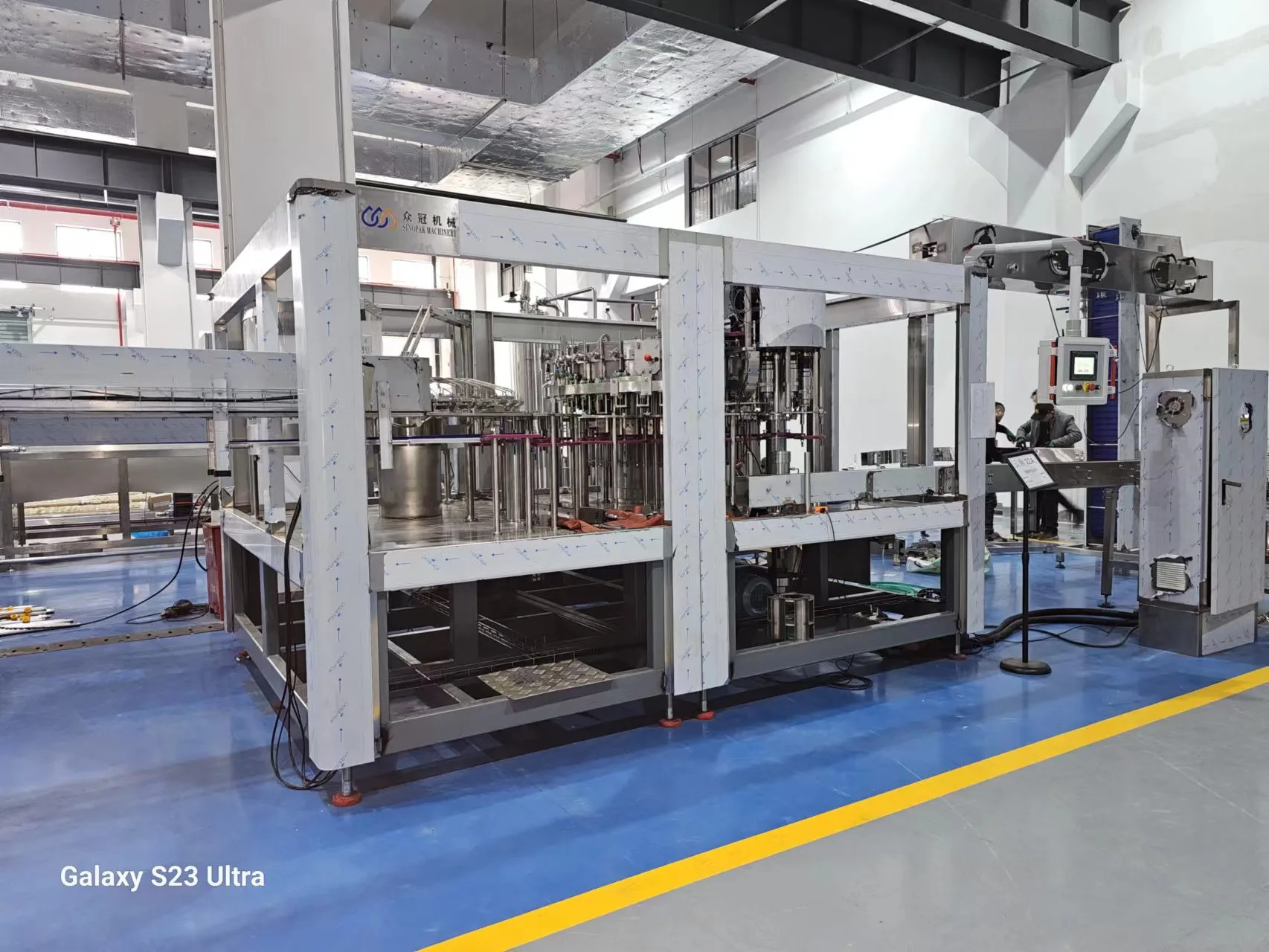
To ensure you select a high-quality beverage filling machine manufacturer, thoroughly evaluate the following critical check points:
Mold Material (Aluminum vs. Steel)
- Verify Material Specifications: Confirm with the manufacturer whether molds (e.g., bottle molds for rotary fillers) are constructed from aluminum or steel. Request material certification or technical documentation.
- Assess Application Suitability: Steel molds are durable and ideal for high-volume, long-run production due to superior wear resistance. Aluminum molds are lighter and suitable for lower-volume or prototype use but may wear faster.
- Inspect Surface Finish and Treatment: Check for anti-corrosion coatings (e.g., hard anodizing for aluminum, chrome plating for steel) to ensure hygiene and longevity in wet environments.
- Evaluate Long-Term Costs: Steel molds typically offer longer service life, reducing replacement frequency and long-term costs.
PLC Brand (Siemens vs. Mitsubishi)
- Confirm PLC Brand and Model: Request the exact brand (e.g., Siemens S7-1200, Mitsubishi FX or Q series) and model used in the control system.
- Review System Reliability and Support: Siemens and Mitsubishi are industry leaders known for reliability, extensive documentation, and global technical support. Verify availability of local service support.
- Check Compatibility and Programming Access: Ensure the PLC is programmable and compatible with common industrial networks (e.g., Profibus, Ethernet/IP). Confirm if programming software and interface are provided.
- Evaluate User Interface (HMI): Assess the integration between PLC and HMI (e.g., Siemens WinCC, Mitsubishi GT Works) for ease of operation, diagnostics, and troubleshooting.
Cycle Time Efficiency
- Request Performance Data: Obtain the manufacturer’s specified cycle time (bottles per minute or BPM) under standard conditions.
- Conduct On-Site or Video Demonstration: Observe a machine running with a product similar to yours to measure actual output and consistency.
- Evaluate Downtime and Changeover Time: Assess how quickly the machine handles format changes or minor stoppages—efficient machines minimize non-productive time.
- Compare Theoretical vs. Real-World Performance: Ask for references or case studies from existing clients to validate claimed efficiency in real production environments.
Spare Parts Availability
- Review Spare Parts List: Request a comprehensive list of wear and critical spare parts (e.g., seals, valves, nozzles, grippers) with part numbers and expected lifespan.
- Verify Local and Global Stocking: Confirm if the manufacturer or their distributors maintain regional inventory for fast delivery. Ask about average lead time for key components.
- Check After-Sales Support Structure: Evaluate the responsiveness of technical support and availability of service engineers.
- Assess Long-Term Support Commitment: Ensure the manufacturer guarantees parts availability for at least 5–10 years post-purchase to protect your investment.
By rigorously evaluating these four key areas, you can confidently assess the quality and reliability of a beverage filling machine manufacturer and make an informed procurement decision.
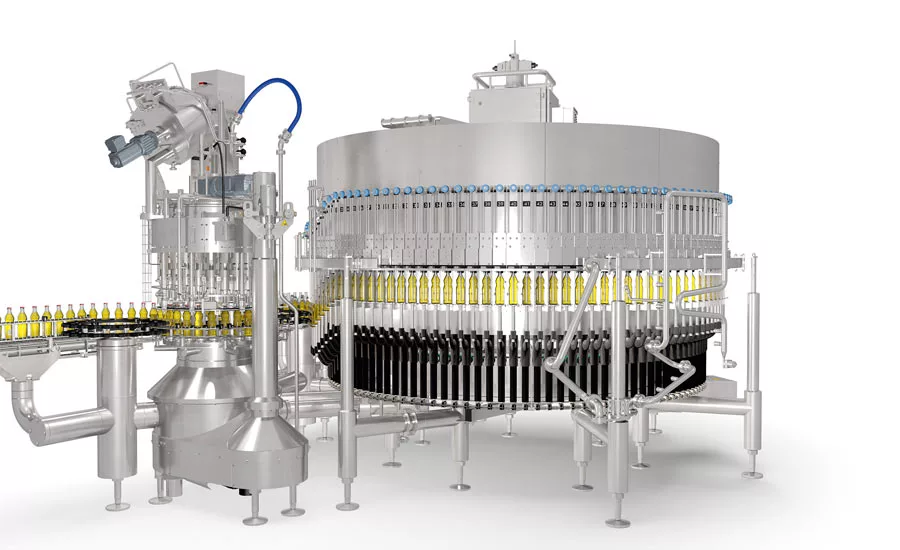
Configuration Guide for Beverage Filling Machine
Cavity Number Selection
The cavity number defines the number of bottles filled simultaneously per cycle and directly impacts production capacity. Select the cavity number based on your required output (bottles per hour) and line speed. Common configurations range from 6 to 72 cavities. For small-scale production (≤ 2,000 BPH), 6–12 cavities are suitable. Medium to high-volume operations (5,000–36,000 BPH) typically use 24–72 cavities. Ensure the selected cavity count is compatible with your production floor layout and downstream equipment (cappers, labelers).
Bottle Volume Range
Choose a filling machine capable of handling your intended bottle sizes. Most filling systems support a volume range—typically from 200 ml to 2,000 ml. Verify that the machine’s filling valves and height adjustment mechanisms accommodate your specific bottle heights and neck finishes. For multiple bottle sizes, confirm that format changeovers are quick and do not require extensive tooling changes. Machines with servo-driven height adjustment offer greater flexibility.
Preform Compatibility (For PET Bottles)
If producing PET bottles in-house via blow molding, ensure the filling machine synchronizes with your blow molder’s output and preform specifications. Key compatibility factors include preform neck finish (e.g., 28mm, 38mm PCO), weight, and material grade (e.g., standard PET or barrier resins). The filling machine should accept bottles molded from your preform type without jamming or sealing issues. Confirm compatibility with your line’s transfer system (e.g., starwheels or grippers).
Auxiliary Equipment: Compressor and Chiller
Proper auxiliary equipment is critical for reliable operation. A clean, dry compressed air supply (typically 6–8 bar) is required for pneumatic valves, actuators, and bottle handling. Use an oil-free compressor with adequate filtration to prevent contamination. A chiller unit may be necessary if the filling process involves temperature-sensitive products (e.g., juices or carbonated drinks), helping maintain product viscosity and carbonation levels. Ensure chiller capacity matches the filler’s cooling demands, especially in high-speed operations.
In conclusion, sourcing beverage filling machines from China offers a compelling combination of cost-efficiency, advanced manufacturing capabilities, and technological innovation. However, to ensure long-term operational success and minimize downtime, it is crucial to partner with manufacturers who prioritize comprehensive Factory Acceptance Testing (FAT) and provide robust spare parts support. A well-conducted FAT allows buyers to verify machine performance, automation integration, and compliance with technical specifications before shipment, significantly reducing the risk of post-delivery issues. Equally important is reliable access to genuine spare parts and responsive after-sales service, which ensures quick maintenance and uninterrupted production. By selecting Chinese manufacturers that excel in these two key areas—rigorous FAT procedures and dependable spare parts availability—buyers can achieve optimal machine performance, extended equipment lifespan, and a strong return on investment in their beverage production operations.






