
With rising global demand for high-speed, energy-efficient bottling solutions, automation has become a cornerstone of modern plastic packaging operations. As sustainability and production scalability move to the forefront, manufacturers are prioritizing intelligent, low-maintenance bottle blowing technologies. In this 2026 audit, we evaluate the top seven automatic bottle blowing machine manufacturers leading innovation, reliability, and integration capabilities in the B2B plastic machinery sector.
أفضل 7 مصنعي ماكينات نفخ الزجاجات الأوتوماتيكية (قائمة التدقيق لعام 2026)
(Ranked by Production Capability & Trust Score)
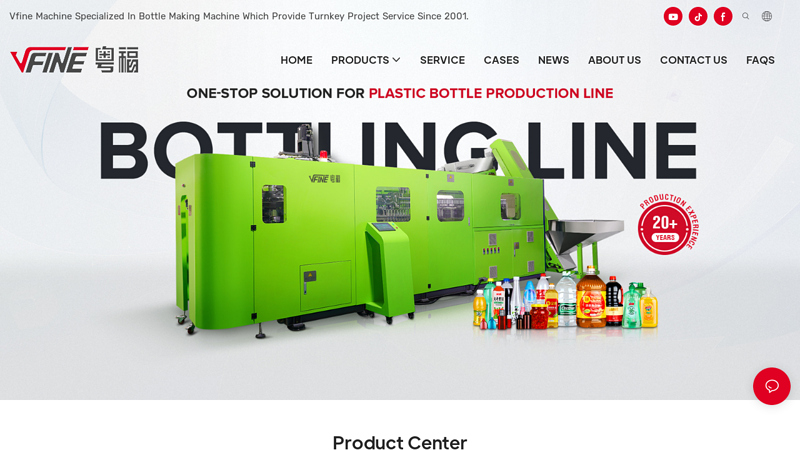

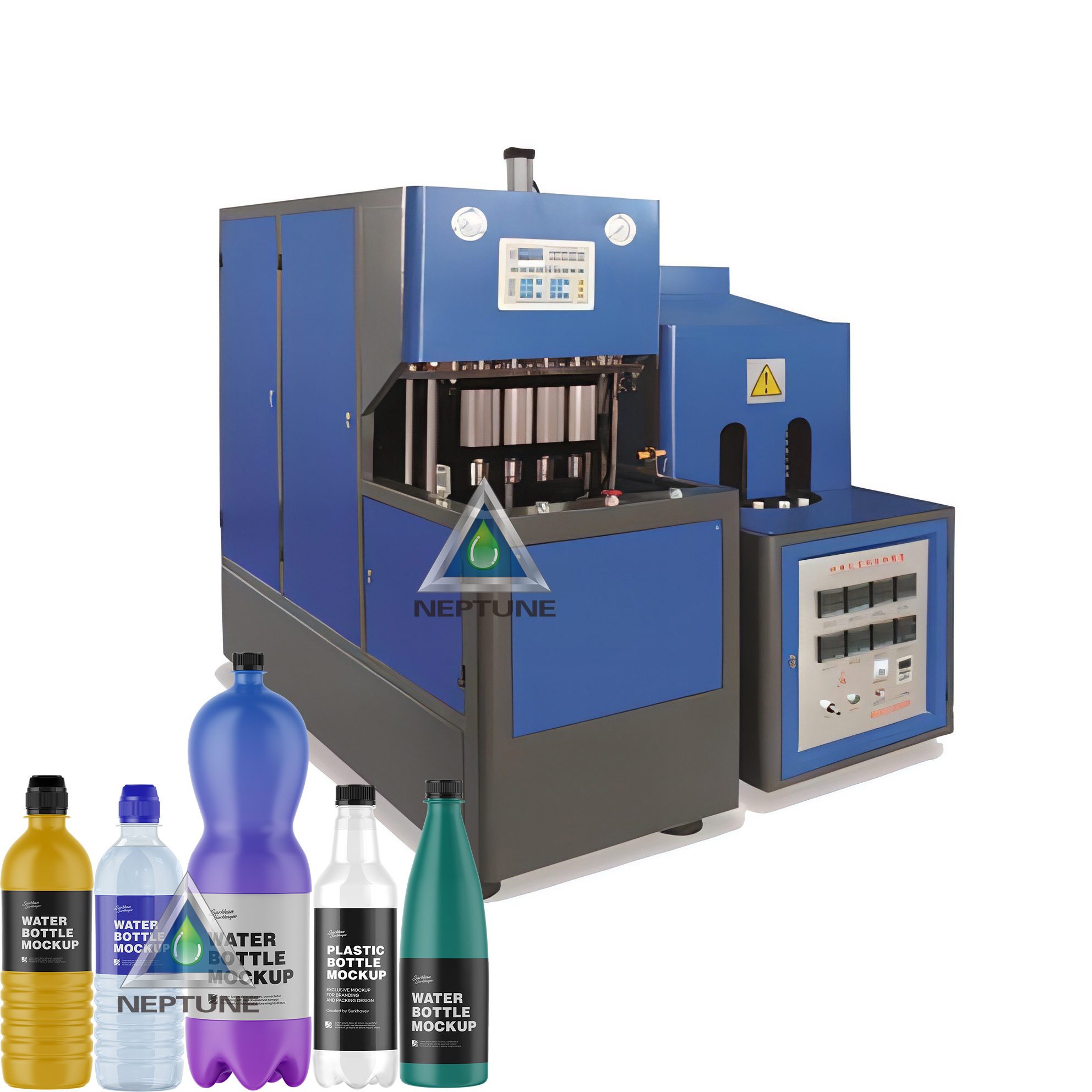
Professional Sourcing Guide: Automatic Bottle Blowing Machine
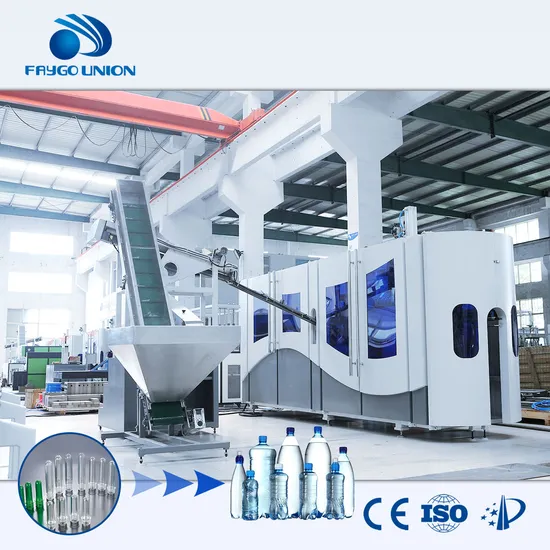
2026 Global Market Trends for Automatic Bottle Blowing Machines: Focus on High-Speed Production, Energy Saving (Servo Motors), and Automation
The global automatic bottle blowing machine market is poised for significant transformation by 2026, driven by intensifying competition, sustainability mandates, and evolving consumer demands. Key technological advancements are converging to redefine efficiency, cost-structure, and operational capabilities, with High-Speed Production, Energy Saving Technologies (particularly Servo Motors), and Automation Level emerging as the dominant, interconnected trends shaping the industry.
High-Speed Production: Scaling Output to Meet Demand
By 2026, the relentless pressure to reduce unit costs and meet growing global demand for PET containers (beverages, food, personal care, pharmaceuticals) will make high-speed production a non-negotiable competitive advantage.
- Market Demand: Beverage giants and contract manufacturers require machines capable of producing tens of thousands of bottles per hour to achieve economies of scale and rapid time-to-market. The rise of e-commerce and diverse packaging formats further necessitates flexible high-output lines.
- Technological Advancements: Machines are evolving beyond simple speed increases. Expect widespread adoption of:
- Multi-Cavity Systems: Machines with 16, 24, 32, or even 48 cavities will become more standard in high-volume applications, significantly boosting output.
- Advanced Reheat & Preform Handling: Optimized infrared reheat ovens with precise temperature zoning and faster, more reliable preform loading systems (e.g., robotic pick-and-place) minimize cycle time bottlenecks.
- Faster Mould Opening/Closing & Ejection: Enhanced hydraulic or servo-hydraulic systems with improved kinematics reduce non-productive time within the cycle.
- Predictive Maintenance Integration: High-speed operations increase wear; integrated sensors and AI will be crucial for predicting failures and minimizing unplanned downtime, ensuring consistent high output.
- Impact: The focus will shift from maximum theoretical speed to sustainable high output with high machine efficiency (OEE). Machines that deliver reliable, consistent performance at high speeds with minimal waste will dominate.
Energy Saving Technologies: The Servo Motor Revolution
Energy consumption is a major operational cost and environmental concern. By 2026, Servo Motor technology will be the cornerstone of energy-efficient bottle blowing, moving from an option to a standard expectation.
- The Servo Advantage: Unlike traditional fixed-speed hydraulic pumps that run continuously, servo-driven hydraulic systems (or fully electric machines) use servo motors to power pumps only when needed and at the precise pressure/flow required. This eliminates energy waste during idle phases and reduces peak power demand.
- Market Drivers:
- Cost Reduction: Energy savings of 30-50% compared to conventional machines directly impact the bottom line, offering a compelling ROI.
- Sustainability & ESG Goals: Manufacturers face increasing pressure to reduce carbon footprints. Servo technology significantly lowers CO2 emissions per bottle produced, aligning with corporate sustainability targets and regulations (e.g., carbon taxes, energy efficiency standards).
- Heat Reduction: Servo systems generate less heat, reducing the load on factory cooling systems and improving the working environment.
- 2026 Outlook: Adoption will accelerate. We will see:
- Higher Integration: Servo drives will extend beyond clamping and stretch rod functions to power more auxiliary systems (e.g., preform feed, mould cooling).
- Hybrid & Fully Electric Systems: While hybrid servo-hydraulic dominates, fully electric machines (offering potentially higher efficiency and precision) will gain traction, especially for smaller to mid-sized applications and high-purity sectors (pharma).
- Intelligent Energy Management: Servo systems will integrate with machine controls to dynamically optimize energy use based on production parameters and real-time conditions.
Automation Level: Towards Integrated Smart Factories
Automation is evolving beyond simple robotics to create fully integrated, data-driven, and intelligent production cells, a critical trend for 2026.
- Beyond the Blower: Automation encompasses the entire process:
- Upstream: Automated preform handling, loading, and sorting systems.
- Downstream: Robotic take-out, leak testing, vision inspection (for defects, weight, dimensions), labeling, sorting, and robotic palletizing/packing.
- In-Process: In-line quality monitoring and automatic parameter adjustment.
- Key Drivers:
- Labor Costs & Availability: Automating repetitive, physically demanding tasks mitigates rising labor costs and shortages.
- Quality & Consistency: Automated inspection ensures 100% quality control, reducing waste and rejects. Closed-loop control systems use sensor data to automatically adjust blowing parameters (pressure, timing, temperature) in real-time for consistent bottle quality.
- Traceability & Data: Integrated systems collect vast amounts of production data (OEE, energy consumption, quality metrics, maintenance alerts). This enables predictive maintenance, process optimization, and full product traceability.
- Flexibility: Advanced automation allows for faster changeovers between different bottle sizes and formats, crucial for meeting diverse market demands.
- 2026 Vision: The “Island” concept will mature. Blowing machines will be central nodes in Industry 4.0 networks:
- Seamless Connectivity: Machines will communicate via IoT protocols (OPC UA, MQTT) with MES (Manufacturing Execution Systems) and ERP systems.
- AI & Machine Learning: AI will analyze production data to predict optimal settings, identify root causes of defects, and enable autonomous optimization.
- Remote Monitoring & Support: OEMs will offer remote diagnostics and performance optimization services.
Conclusion: By 2026, the automatic bottle blowing machine market will be characterized by the synergistic integration of High-Speed Production, Servo Motor-based Energy Saving, and Advanced Automation. Success will belong to manufacturers offering machines that are not just fast, but are intelligent, efficient, and seamlessly connected. The focus will be on Total Cost of Ownership (TCO), where high initial investment in servo technology and automation is justified by dramatic reductions in energy, labor, and waste costs, coupled with improved quality, sustainability, and operational flexibility. The machine of 2026 will be a high-speed, energy-efficient, data-generating, and self-optimizing component of a smart manufacturing ecosystem.
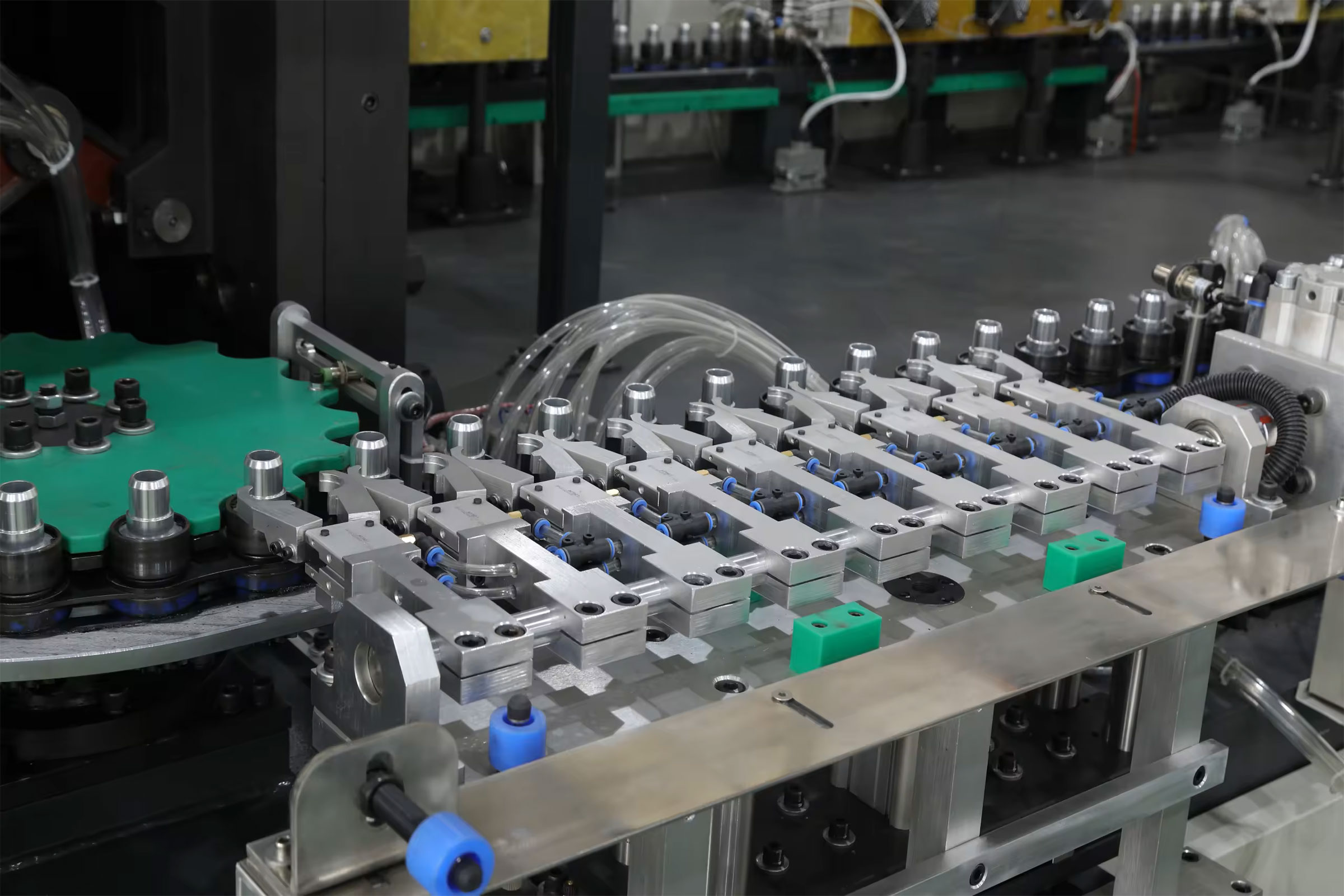
Key Quality Verification Points for an Automatic Bottle Blowing Machine Manufacturer
When evaluating an Automatic Bottle Blowing Machine manufacturer, focusing on critical components and operational efficiency ensures long-term reliability and performance. Verify the following key points:
Mold Material (Aluminum vs. Steel)
- Confirm whether the manufacturer uses aluminum or steel molds, as this significantly impacts durability, heat conductivity, and production lifespan.
- Steel molds are preferred for high-volume, long-run production due to superior wear resistance and longevity.
- Aluminum molds offer faster heating and cooling, suitable for prototypes or short production runs but may wear faster.
- Request material certification (e.g., P20, H13 tool steel) and inspect surface finish and hardness treatment (e.g., nitriding) for quality assurance.
PLC Brand (Siemens vs. Mitsubishi)
- Check the brand and model of the PLC (Programmable Logic Controller) used in the machine’s control system.
- Siemens and Mitsubishi are industry leaders known for reliability, ease of programming, and global support.
- Verify that the PLC is original and not a clone, and confirm firmware version and compatibility with HMI (Human-Machine Interface).
- Ask for documentation, warranty, and availability of technical support for the specified PLC brand.
Cycle Time Efficiency
- Evaluate actual cycle time (seconds per bottle) under real production conditions, not just theoretical values.
- Compare the manufacturer’s stated cycle time with industry benchmarks for similar output (e.g., 8–12 seconds for a standard 500ml PET bottle).
- Request a live demonstration or video of the machine running at full speed to verify consistent performance.
- Assess energy consumption and blow pressure stability during repeated cycles to ensure efficiency and bottle quality.
Spare Parts Availability
- Confirm the local and global availability of spare parts (e.g., stretch rods, HV/LV valves, seal kits, oven lamps).
- Ask for a detailed spare parts list with part numbers, lead times, and pricing.
- Verify if the manufacturer maintains a stock warehouse in your region or partners with local distributors.
- Inquire about after-sales service response time and technical support availability to minimize downtime.
By thoroughly assessing these four key areas—mold material, PLC brand, cycle time efficiency, and spare parts availability—you can ensure the automatic bottle blowing machine meets industrial standards for quality, durability, and operational efficiency.
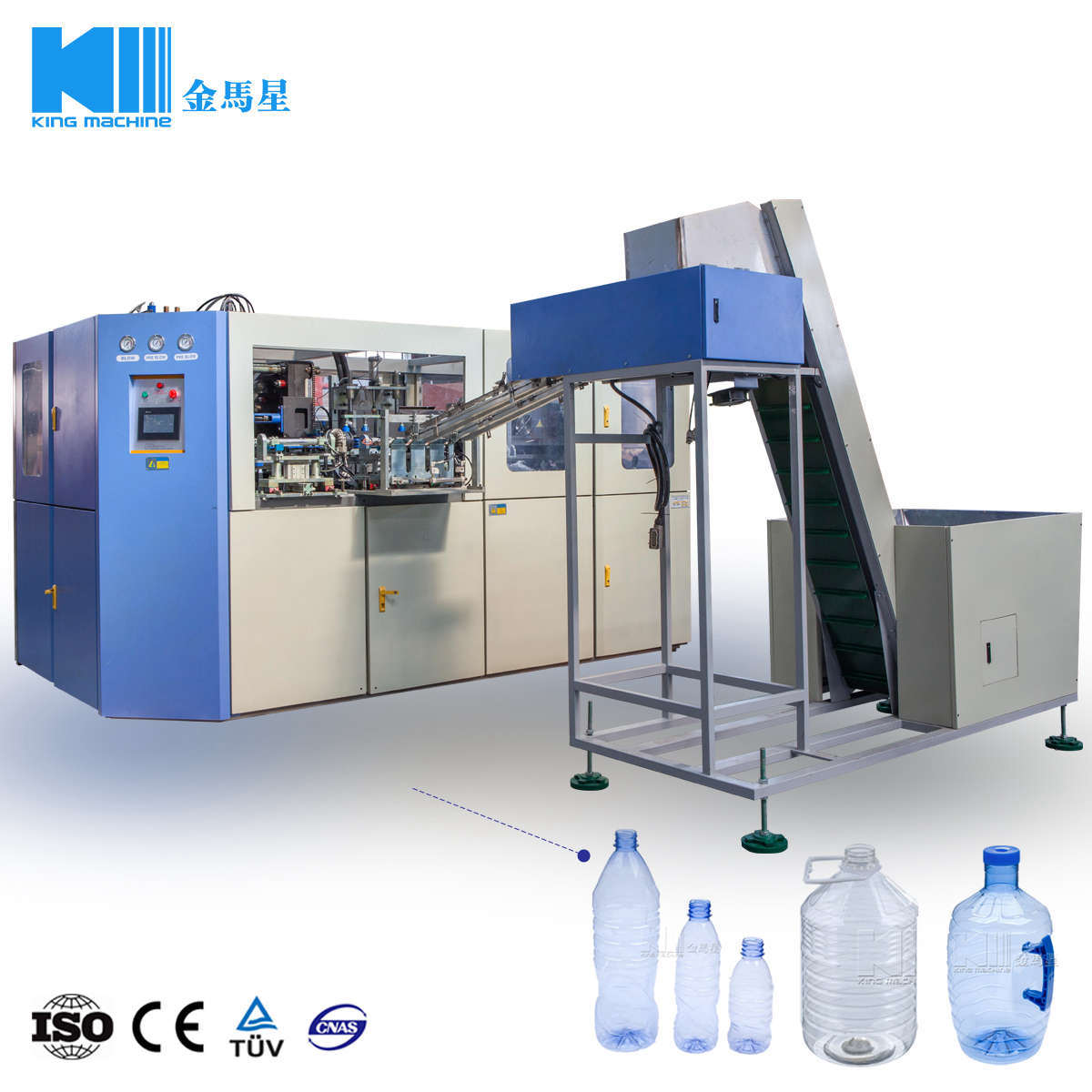
Configuration Guide for Automatic Bottle Blowing Machine
Cavity Number Selection
The cavity number determines how many bottles are produced per machine cycle and directly impacts production capacity. When selecting the cavity number, consider the following:
- Production Requirements: Match the cavity count to your desired output (bottles per hour). For example, a 2-cavity machine running at 1000 cycles/hour produces 2,000 bottles/hour, while a 4-cavity produces 4,000.
- Machine Footprint and Cost: Higher cavity machines are larger and more expensive. Assess factory space and budget constraints.
- Bottle Size and Cycle Time: Larger bottles require longer cooling times, potentially reducing cycles per hour. Higher cavities may not always yield proportional output gains.
- Flexibility Needs: Lower cavity machines (1–2 cavities) offer greater flexibility for frequent product changeovers.
Typical cavity options range from 1 to 12, with 4–8 cavities being common for medium to high-volume production.
Bottle Volume Range
Ensure the machine is configured to handle your target bottle sizes:
- Standard Range: Most automatic blow molding machines support volumes from 50 ml to 5 liters.
- Stretch Rod and Mold Compatibility: The machine’s stretch rod travel and mold design must accommodate the bottle height and volume.
- Blow Pressure and Timing: Different volumes require adjustments in high-pressure air and preform heating. Machines should allow programmable settings for various bottle profiles.
- Customization: For extreme volumes (e.g., <50 ml or >5 L), verify with the manufacturer for custom mold and platen configurations.
Select a machine with a volume range that covers both current and potential future product lines.
Preform Compatibility
Preform compatibility is essential for consistent bottle quality and machine performance:
- Preform Dimensions: Confirm compatibility with preform neck finish (e.g., PCO 1881, 28mm, 38mm), length, and body diameter.
- Material Type: Most machines handle PET (polyethylene terephthalate), but ensure compatibility with additives like regrind, colorants, or barrier resins (e.g., Aegis, MXD6).
- Preform Weight Range: Machines are rated for a specific preform weight range (e.g., 10–60 grams). Select a machine that matches your preform specifications.
- Heating System Compatibility: The infrared oven must uniformly heat the preform wall thickness; verify compatibility with your preform design.
Always validate compatibility with actual preform samples before finalizing the machine configuration.
Auxiliary Equipment (Compressor / Chiller)
Proper auxiliary equipment is critical for stable and efficient operation:
- Air Compressor:
- Capacity: Provide clean, dry air at 30–40 bar (435–580 psi). Required air volume depends on cavity count and bottle size (e.g., 2–10 m³/min).
- Air Quality: Use oil-free compressors or high-efficiency filters to prevent contamination. Dew point should be ≤ –40°C to avoid moisture in the system.
- Storage: Include a receiver tank (1–2 m³) to stabilize pressure during high-demand cycles.
- Chiller:
- Cooling Capacity: Required based on machine size and production speed. Typical range: 10–50 kW.
- Temperature Control: Maintain mold cooling water at 8–15°C for optimal cycle time and bottle clarity.
- Flow Rate & Pressure: Ensure sufficient water flow (e.g., 10–30 L/min per cavity) and stable pressure to avoid cooling inefficiencies.
Integrate both compressor and chiller with the machine’s control system for synchronized operation and energy efficiency.
In conclusion, sourcing an automatic bottle blowing machine from China presents a compelling opportunity for cost-effective, high-quality manufacturing solutions. Chinese manufacturers offer advanced technology, competitive pricing, and scalable production capabilities that meet international standards. However, to ensure long-term operational efficiency and minimal downtime, two critical factors must be prioritized: the Factory Acceptance Test (FAT) and comprehensive spare parts support.
Conducting a thorough FAT before shipment is essential to verify the machine’s performance, safety, and compliance with technical specifications. This on-site validation not only ensures that the machine operates as expected under real conditions but also allows for immediate troubleshooting and adjustments prior to delivery, significantly reducing post-installation issues.
Equally important is the availability of reliable spare parts support. Given the continuous operation demands of bottle blowing processes, having prompt access to genuine spare components minimizes production interruptions and extends the machine’s service life. Partnering with Chinese suppliers who offer strong after-sales service, maintain spare parts inventories, and provide technical assistance ensures sustainable operations and protects your investment.
By emphasizing FAT procedures and securing dependable spare parts channels, sourcing an automatic bottle blowing machine from China can deliver excellent value, reliability, and long-term success for your production needs.






